Acting
A group of teenagers go on a school camp in the Blue Mountains in Australia. While at the camp, Paul Reynolds accidentally goes into a parallel universe. This other world is inhabited by a more hierarchic and technologically different society, ruled by a group of people known as Spellbinders.
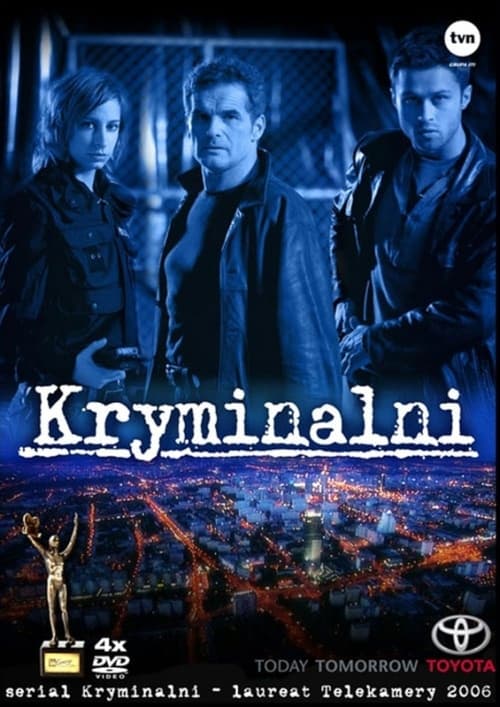
Kryminalni was a Polish crime drama television series that aired on TVN network from September 18, 2004 until May 24, 2008. It ran for 8 seasons and 101 episodes were broadcast in total. It was created by Polish director and screenwriter Piotr Wereśniak and produced by MTL Maxfilm studio. The series followed life and work of police officers from the elite Criminal Terror and Murders Division of the Warsaw Metropolitan Police; the title refers to police officers in the crime section. The three main characters were Adam Zawada, an experienced, tough cup, his younger colleague Marek Brodecki and Barbara Storosz, an ambitious female officer who in the first season joins the team just after graduating. Although none of the main actors had had star status before the series debuted, all three of them rose to prominence and popularity during the 5-year-long run. Many of Poland's best known actors guest starred, usually playing roles of people involved in just one particular investigation. The serial was one of the most popular in Poland: each week it had an audience of 4 million.
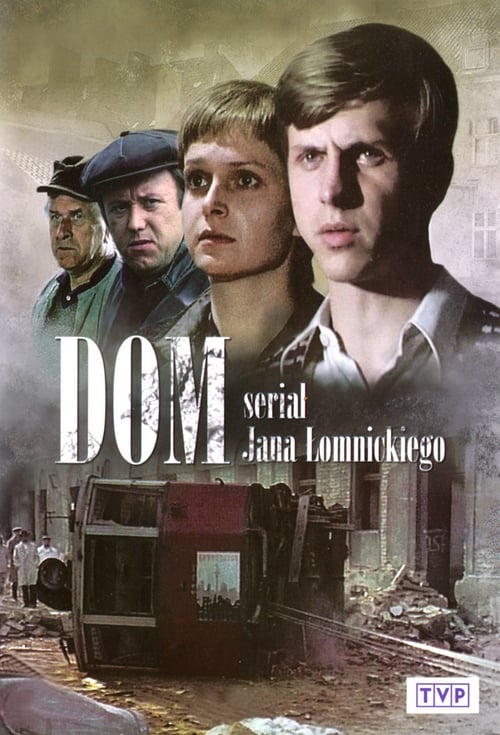
The story of the residents of a tenement house on Złota Street in Warsaw from 1945 to 1980.
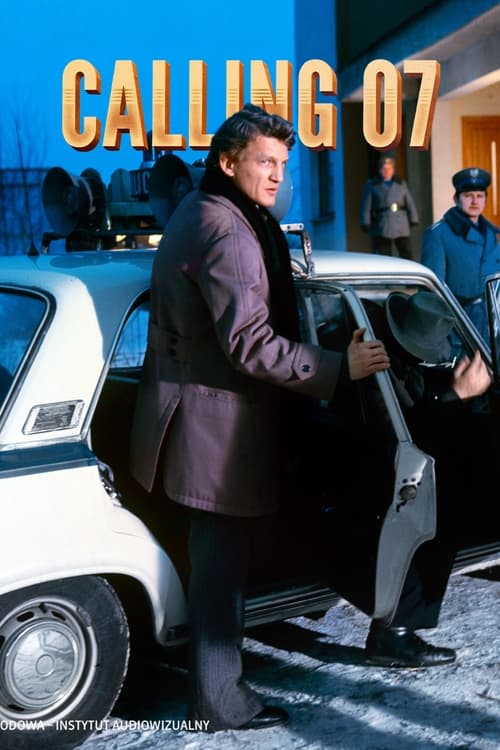
The series centres around the investigations of Police Lieutenant Sławomir Borewicz. Each episode features a different case being solved by Borewicz.
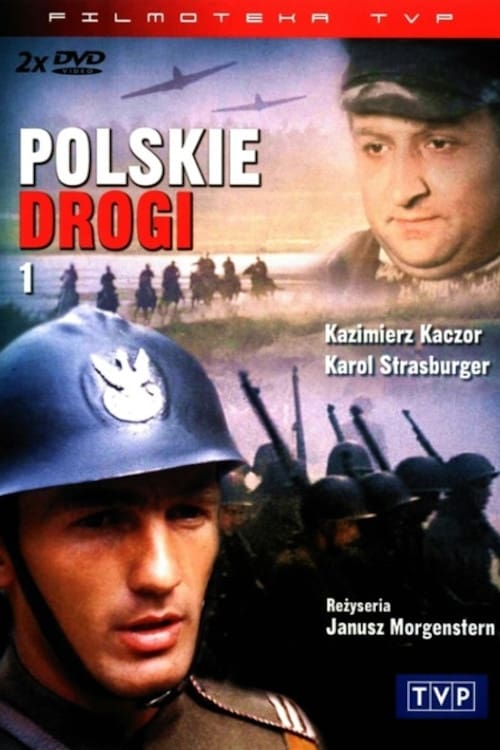
An epic, multi-threaded story about the fate of Poles during World War II. "Czas pogardy" was shown primarily from the perspective of two main characters - Lieutenant Władysław Niwiński and Leon Kuraś - a petty crook, but not without heroic traits. The authors of the series sought to show, in particular, everyday life under Nazi occupation in Poland.
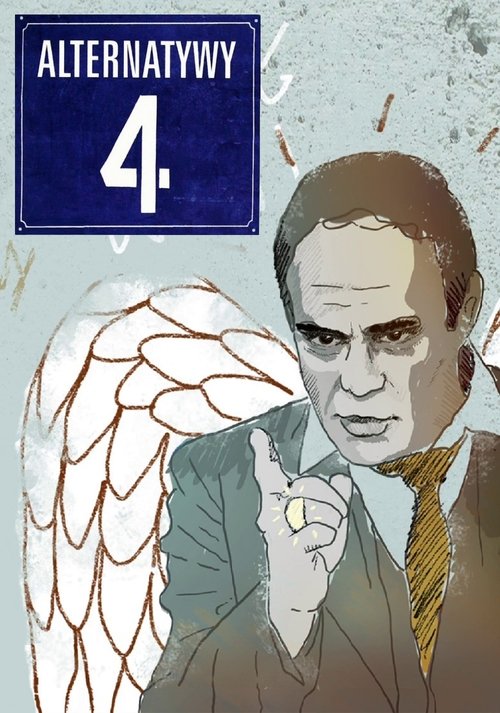
4 Alternative Street was a Polish comedy TV show that was finished in 1983 and aired in 1986 due to censorship. Many famous Polish actors appeared in the series. The filming location used in the mini series was a residential complex which is still in existence at 3 Grzegorzewska Street in Warsaw, Poland. The series was a satire to the communist rule in Poland, spoken in a way that it passed through communist censorship office.
No description available.
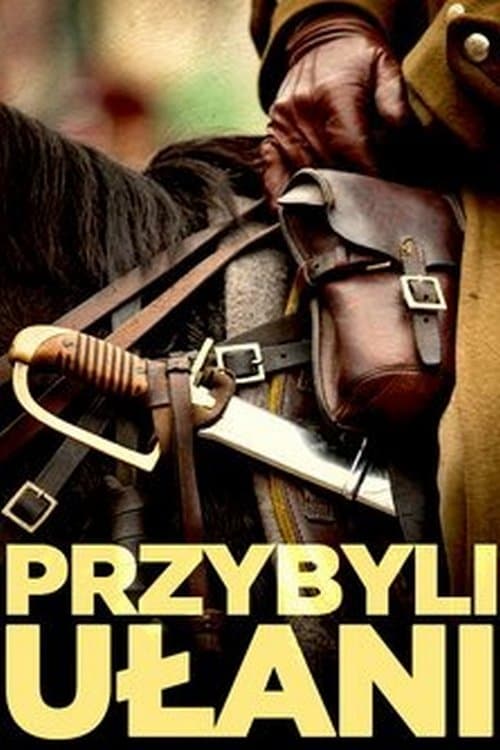
In a post-State gmina Osiek, on August 15th the plaque commemorating the liberation of the town from the hands of the Bolsheviks in 1920 will be unveiled. Vogt wants the event to be festive and to contribute to the promotion a the forgotten gmina. He needs a veteran, but where will he find a veteran of the 1920 war? Marian, a village shopkeeper, promises to “find” a veteran in excha
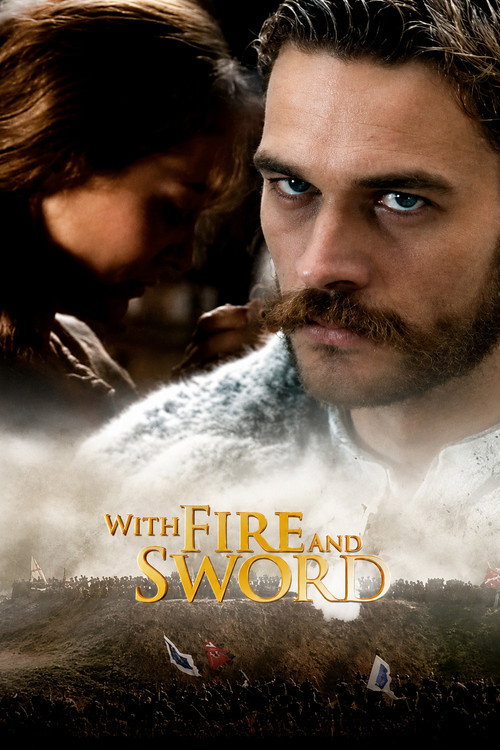
In the mid-17th century, Poland was the largest, most democratic, and most tolerant country in Europe. However, a tragic civil war brought about the gradual decline of the once glorious republic... An epic story about the Cossack rebellion against the Polish-Lithuanian Commonwealth.
The image of Greater Poland in the breakthrough years 1913-1918. It tells about the fate of Polish junior high school students and their attitude towards the Prussian partitioning authorities, activity in the independence underground, and participation in the preparations for the Greater Poland Uprising.
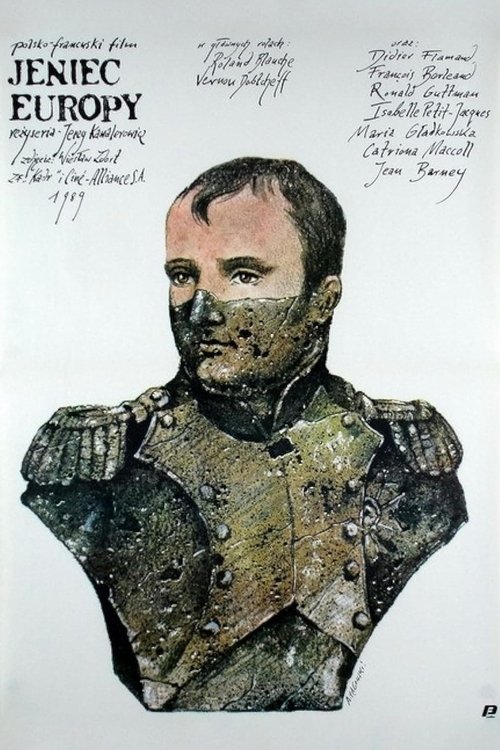
On the island of Saint Helena, a prisoner Napoleon resisted allies who, through the voice of the English governor, Hudson Lowe, tried to humiliate him, break him, poison him in the figurative sense of the word, and perhaps literally.
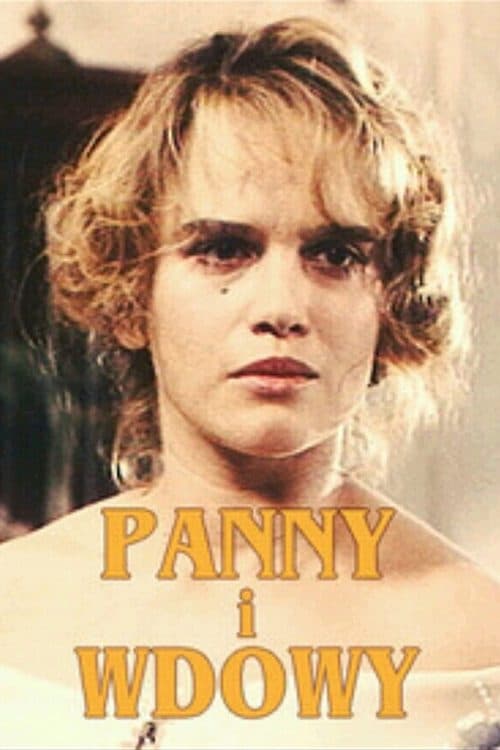
An epic tale of a hundred years of Polish history from the perspective of women, the titular maidens and widows. Set against the backdrop of turbulent historical events.
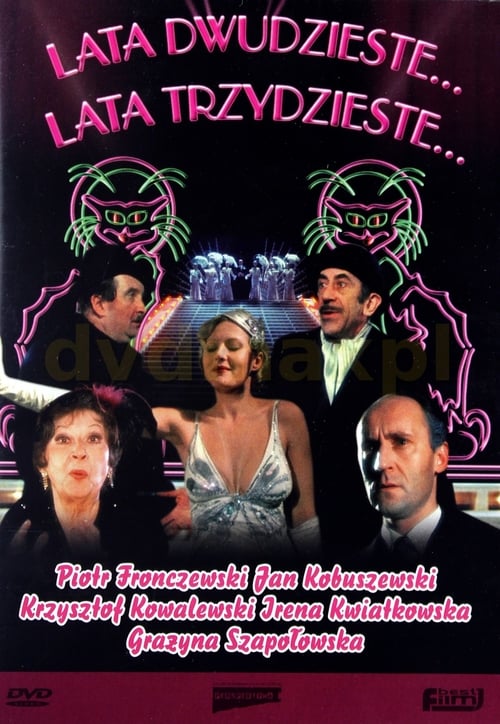
On the way to Warsaw after a crude oil fraud in southern Poland, conman Adam Deren meets singer Liza. He decides to invest his money in a venture deemed to be a failure - a small cabaret where Liza could perform.
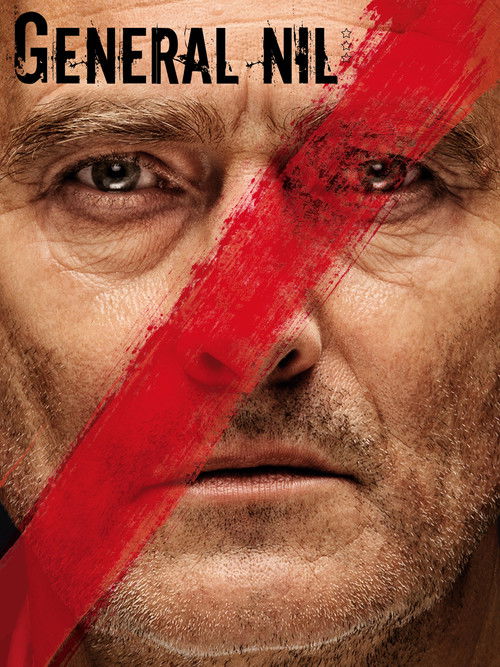
The tale about last years of the legendary Home Army commander, General August Emil Fieldorf "Nil".
A gripping story about a man who was the terror of the Russian Empire: the legendary figure of a Polish priest, chaplain and general - Father Stanislaw Brzoska.
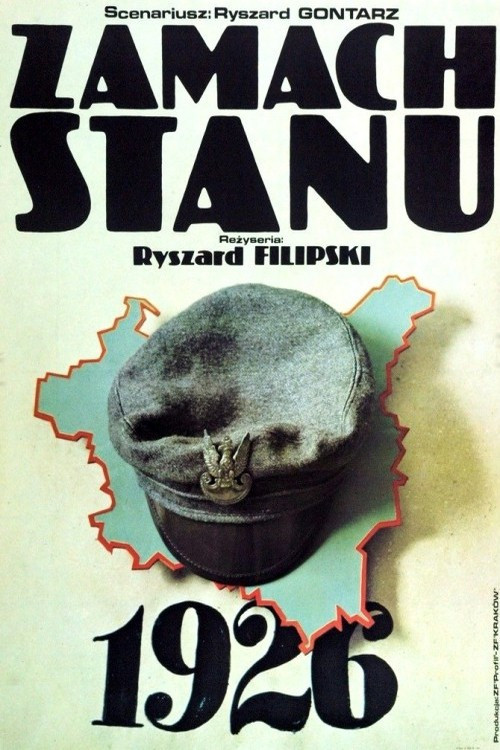
Fall 1925. Six hundred officers demonstrate in front of Józef Piłsudski’s country house in Sulejówek, demanding the Marshal’s return to active political life. May 1926—a government crisis; Wincenty Witos forms a new government. Piłsudski’s move sparks clashes between supporters and opponents of the ousted government. Piłsudski appoints Kazimierz Bartel as prime minister. The beginning of the “moral reform.” Ignacy Mościcki becomes president. Summer 1930. A joint platform of opponents to the Sanacja government is formed. “Centrolew” is established.
Based on the diaries he has obtained, a young journalist tries to recreate the struggle of sixteen-year-old Hania with the German occupier.
Ignacy Jan Paderewski returns to Poland. A journalist who is supposed to describe his arrival is called to the editorial office.