Acting
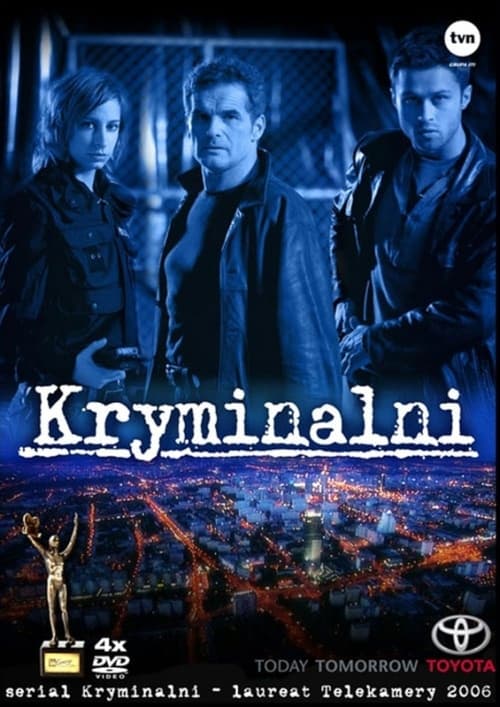
Kryminalni was a Polish crime drama television series that aired on TVN network from September 18, 2004 until May 24, 2008. It ran for 8 seasons and 101 episodes were broadcast in total. It was created by Polish director and screenwriter Piotr Wereśniak and produced by MTL Maxfilm studio. The series followed life and work of police officers from the elite Criminal Terror and Murders Division of the Warsaw Metropolitan Police; the title refers to police officers in the crime section. The three main characters were Adam Zawada, an experienced, tough cup, his younger colleague Marek Brodecki and Barbara Storosz, an ambitious female officer who in the first season joins the team just after graduating. Although none of the main actors had had star status before the series debuted, all three of them rose to prominence and popularity during the 5-year-long run. Many of Poland's best known actors guest starred, usually playing roles of people involved in just one particular investigation. The serial was one of the most popular in Poland: each week it had an audience of 4 million.
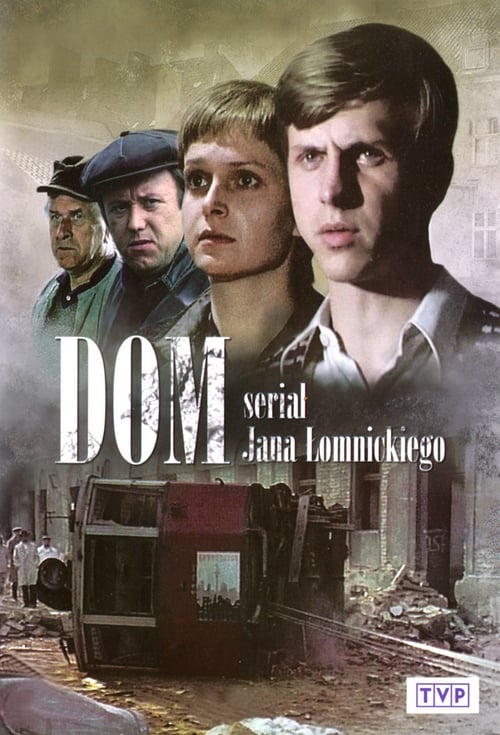
The story of the residents of a tenement house on Złota Street in Warsaw from 1945 to 1980.
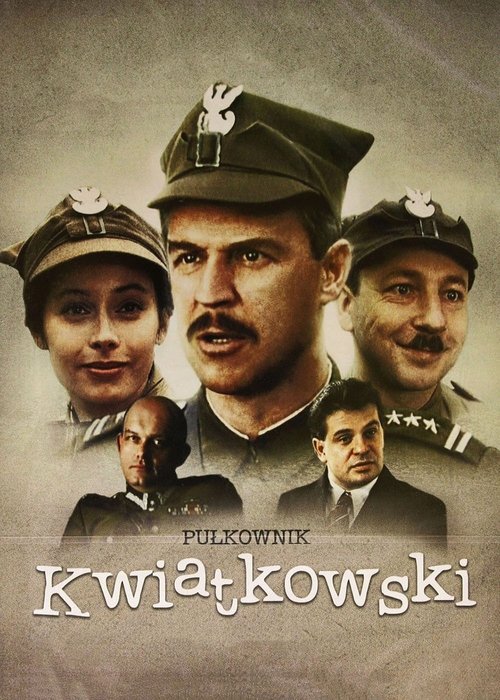
Military doctor Kwiatkowski, serving in a barracks hospital on the Western Territories, is rewarded with a week’s leave after successfully operating on Colonel Kiziora of the UB. He and his friend steal a truck bound for Warsaw, where among the ruins of his former home he meets his prewar neighbor Krysia, instantly falls in love, and, after a brawl with a Russian officer at a dance in the surviving “Polonia” hotel, pretends to be a high-ranking UB colonel to save face.
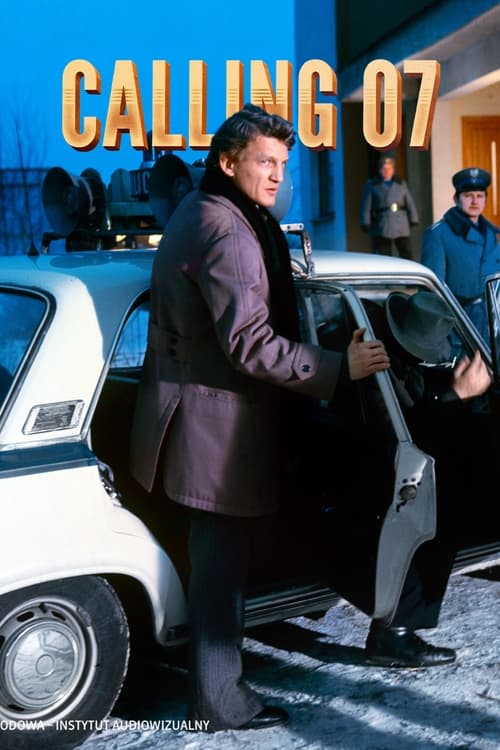
The series centres around the investigations of Police Lieutenant Sławomir Borewicz. Each episode features a different case being solved by Borewicz.
No description available.
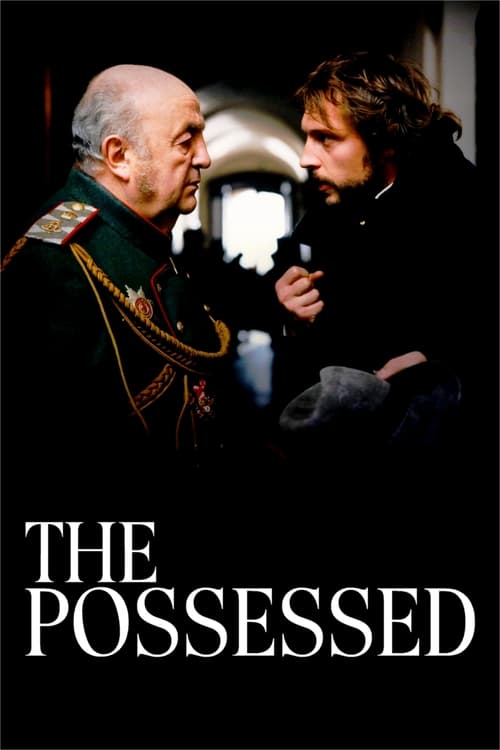
Russia, 1870. A group of young anarchist revolutionaries set out to overthrow the Czarist regime through violence. Their attacks create a climate of psychosis and mutual distrust among the population, but in reality, both revolutionaries and repressors are being manipulated by a diabolical individual.
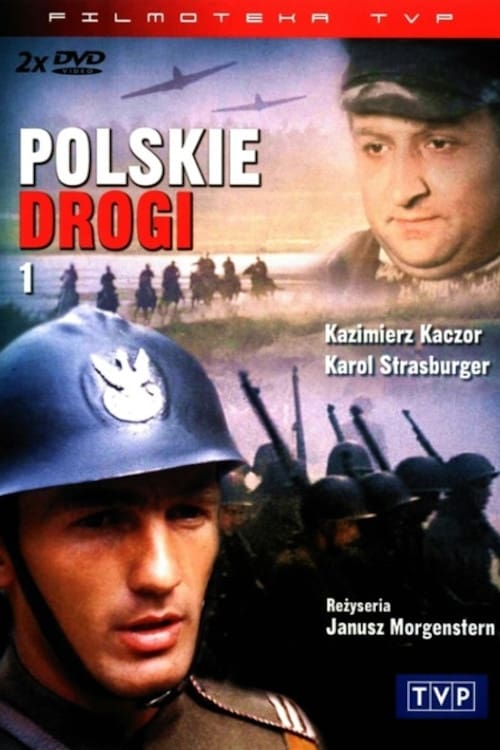
An epic, multi-threaded story about the fate of Poles during World War II. "Czas pogardy" was shown primarily from the perspective of two main characters - Lieutenant Władysław Niwiński and Leon Kuraś - a petty crook, but not without heroic traits. The authors of the series sought to show, in particular, everyday life under Nazi occupation in Poland.
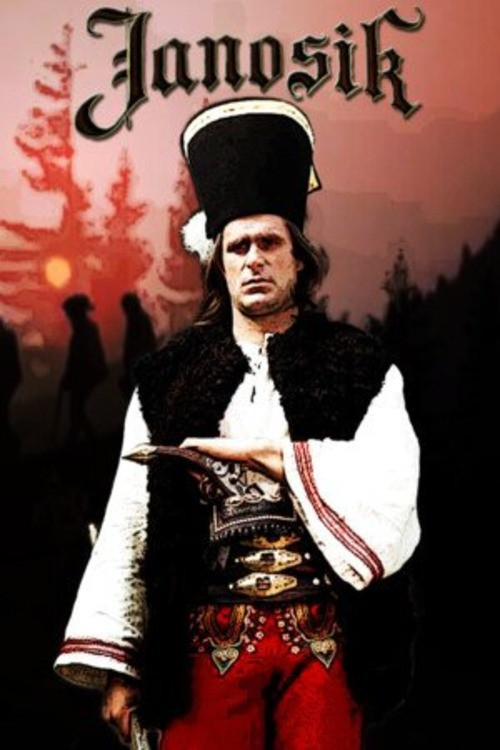
Janosik was a television series that aired in Poland in 1974. It is about a famous Polish highlander outlaw who in folk legends steals money and goods from the rich and helps out the poor. The series was directed by Jerzy Passendorfer. There are 13 1-hour episodes.
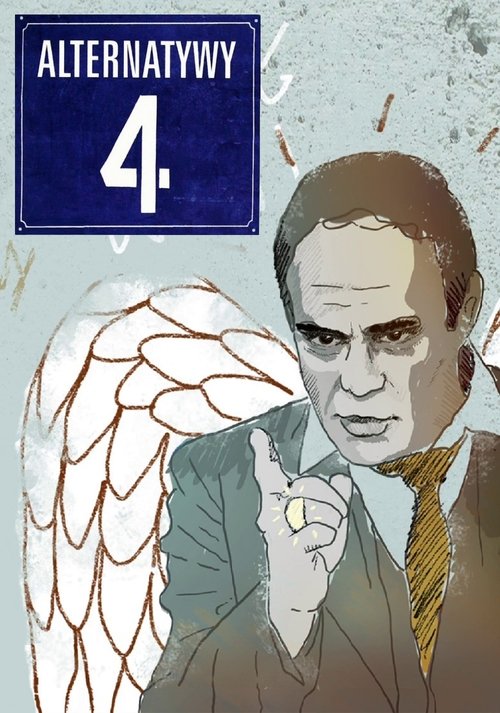
4 Alternative Street was a Polish comedy TV show that was finished in 1983 and aired in 1986 due to censorship. Many famous Polish actors appeared in the series. The filming location used in the mini series was a residential complex which is still in existence at 3 Grzegorzewska Street in Warsaw, Poland. The series was a satire to the communist rule in Poland, spoken in a way that it passed through communist censorship office.
A boy dreams of going for a ride in a boat or kayak, but when the opportunity finally comes, he soon finds himself longing to return to shore. The boy is played by Tadeusz Wiśniewski, who appeared in several films for young audiences, including four directed by Janusz Nasfeter. The film’s music was composed by Krzysztof Komeda, still credited under his real surname, Trzciński.
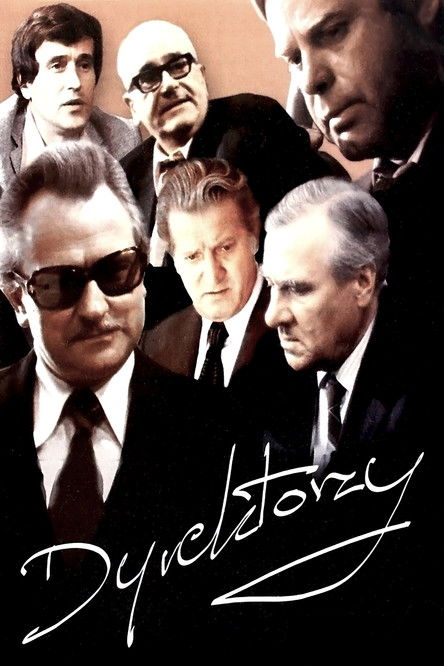
1957. Excessively high production standards imposed by the authorities result in the plan not being fulfilled, and the workers cannot imagine living normally without rewards and bonuses. A rebellion breaks out. Worker democracy wins – the working class elects a director from among its own ranks. He is an old locksmith with no managerial experience. Although he believes in the socialist spirit and has a communist past, he does not hold the position for long, as he makes promises too easily that he is unable to keep.
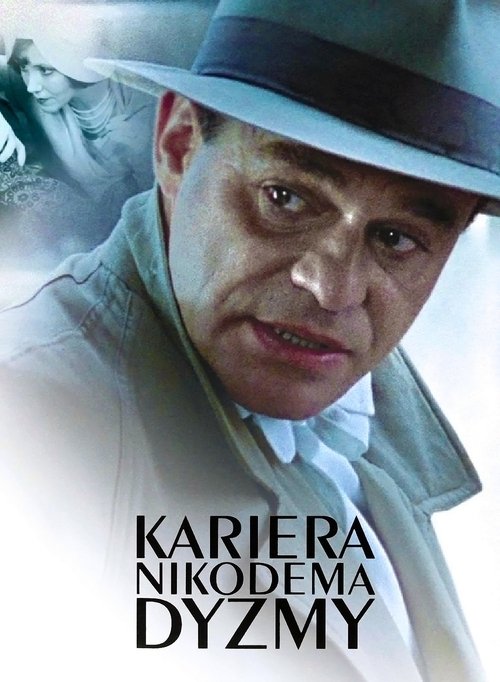
Nikodem Dyzma immigrates from the eastern part of Poland to the capital in the hope for possibilities to make a living. He is in need, very poor and forced to look for basic food and shelter. Yet, on a day when an unexpected invitation appears, his life changes dramatically.
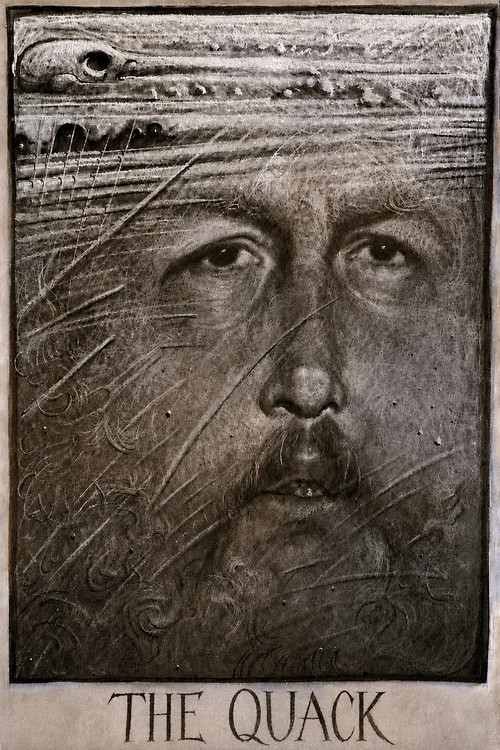
A famous surgeon is beaten by drunken bullies, loses his memory and cannot recollect who he was before. He gets to a village, lives in a not so well to do family and becomes the Quack - he slowly regains his talent for medicine and saves the lives of several village patients.
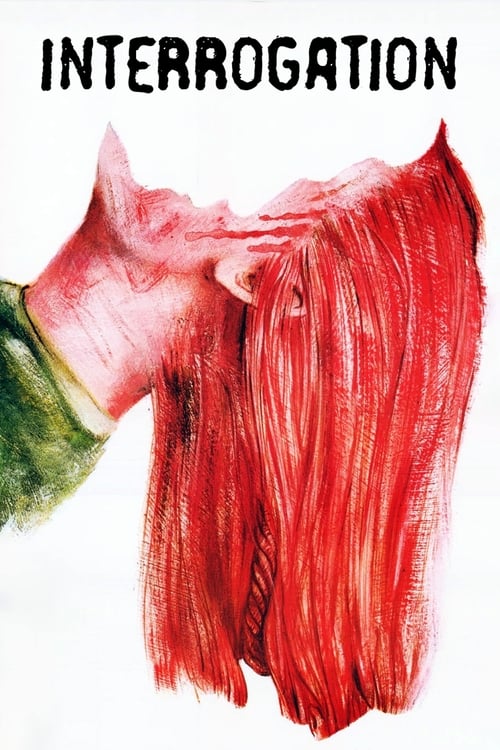
In Stalinist Poland, cabaret singer Tonia decides to spend the evening drinking with a group of friends. The next morning, she awakes to find that, for reasons unknown to her, she has been jailed as a political prisoner. As prison officials interrogate, torture and humiliate her, she fights for survival and to maintain her innocence by refusing to sign a false confession. As her years of imprisonment pass, her relationship with her captors grows more complicated.
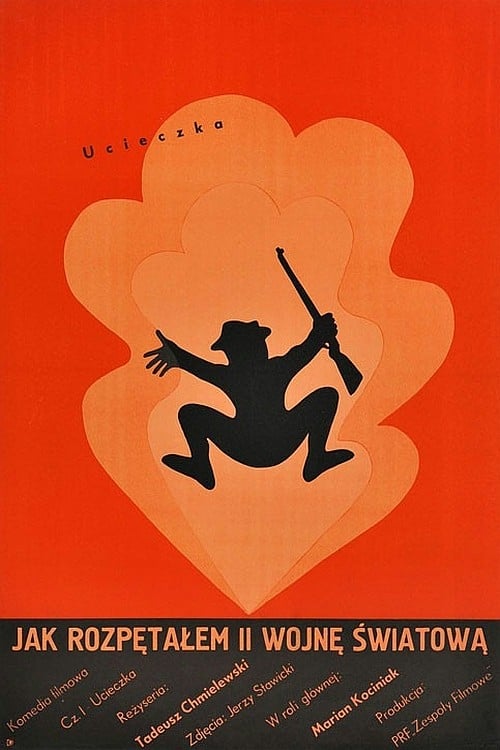
On the night of August 31, 1939, Dolas, from a platoon reinforcing a train station on the German border, falls asleep in a train car and unknowingly crosses into Germany. The moment he shoots a German, who he thinks is a saboteur, the German invasion of Poland begins, and Dolas is convinced it was his fault. He is taken to Stalag POW camp, the first destination in his odyssey around Europe.
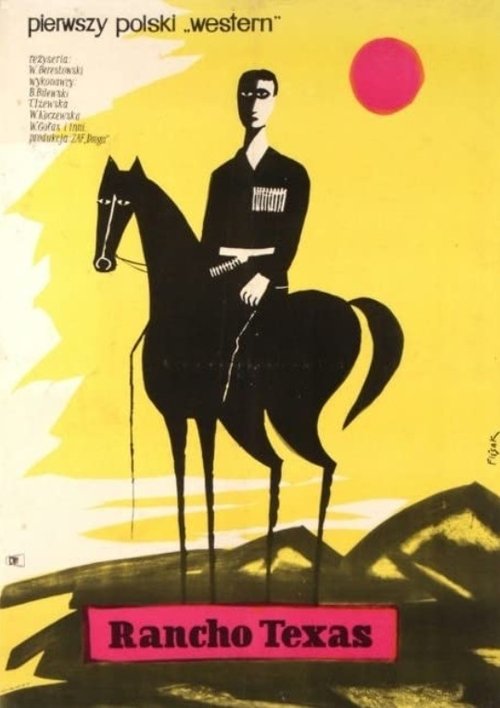
Two zootechnics students, Jacek and Marek, come to the Bieszczady (it's the Polish "Wild West"). Looking for a holiday adventure and income, they become "cowboys" on local cattle grazing. Instead of the expected romantic adventures and the male, hard life, their boredom is becoming their share. Only when Jacek gets a stallion Szaga, things take a different turn.
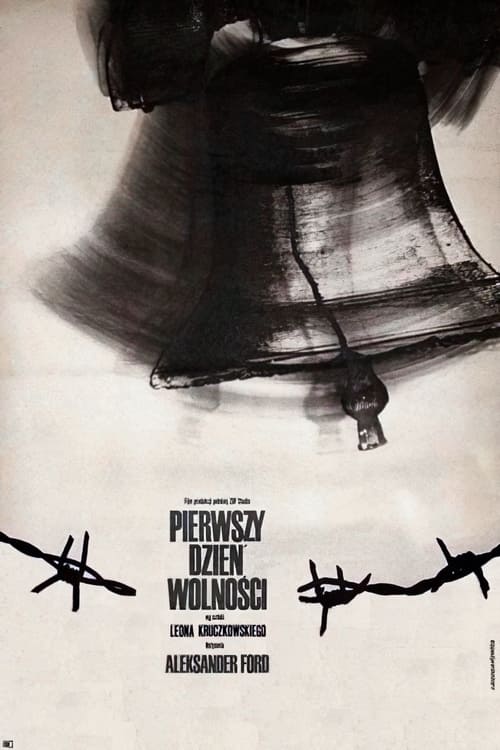
Freed Polish soldiers are trapped in a small town in Germany during the last days of World War II. After a doctor's daughter is raped by a concentration camp worker, the Poles allow her and her father to stay in the house that is their temporary quarters. While waiting to be repatriated, the war-weary group is forced to fight some German soldiers who invade the town. The war brings out conflicting emotions of the Poles who find themselves trapped in the house and once again under fire from the enemy.
Jacenty is nearing the end of his days. However, he wants to go on his own terms, bargaining until the very end.
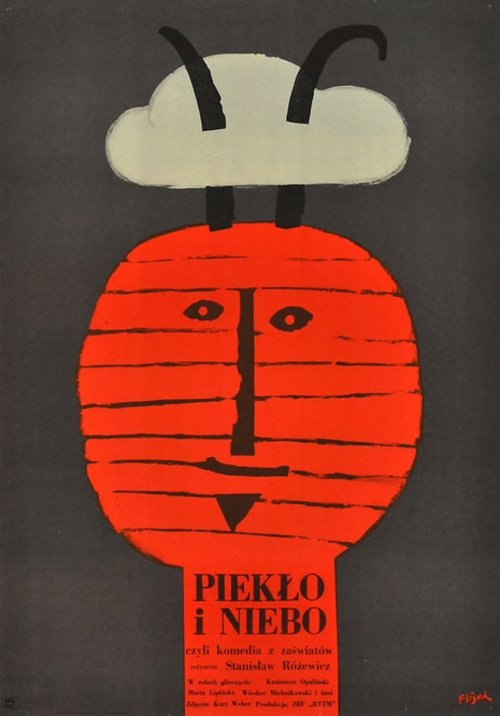
A bus crashes and its passengers find themeselves in the afterlife, which they find has the not only the same set of rules as Earth, but also the same bureaucratic chaos.