Acting
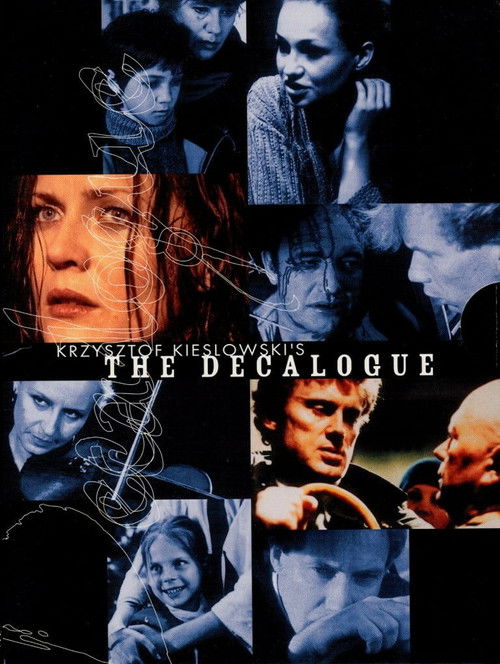
The Ten Commandments, exact and uncompromising, literally cast in stone, continues to provide a source of moral conflict in contemporary society. In the ten part collection of films, The Decalogue, Krzysztof Kieślowski examines the dilemma of fundamental sin in the lives of ordinary Warsaw citizens.
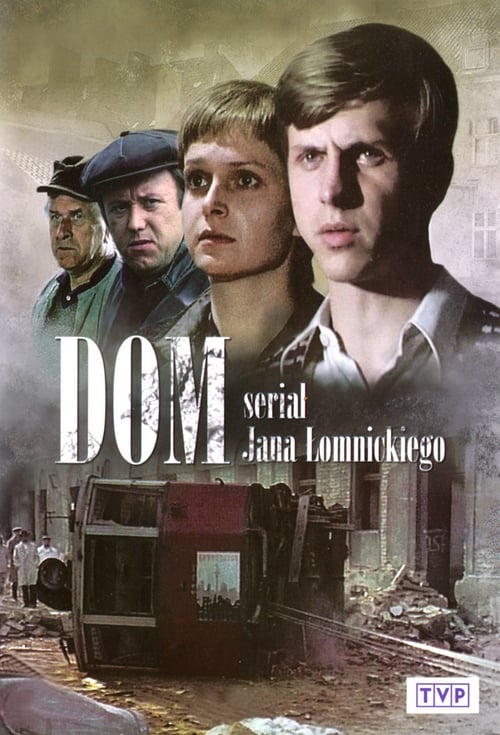
The story of the residents of a tenement house on Złota Street in Warsaw from 1945 to 1980.
No description available.
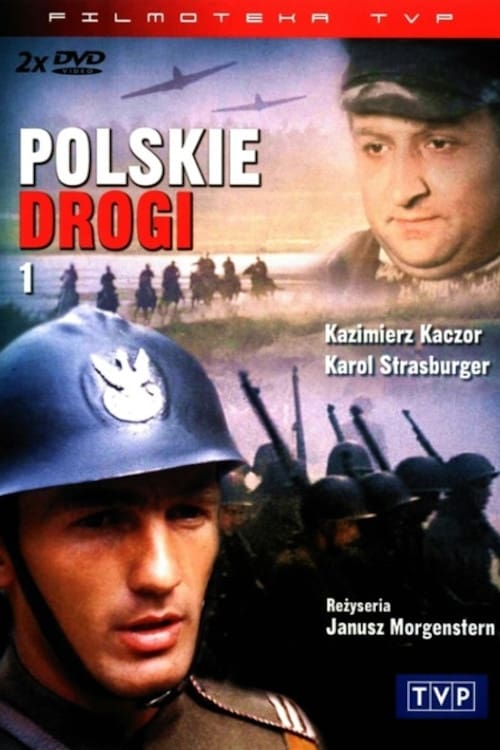
An epic, multi-threaded story about the fate of Poles during World War II. "Czas pogardy" was shown primarily from the perspective of two main characters - Lieutenant Władysław Niwiński and Leon Kuraś - a petty crook, but not without heroic traits. The authors of the series sought to show, in particular, everyday life under Nazi occupation in Poland.
Jacek, an angry drifter, murders a taxi driver, brutally and without motive. His case is assigned to Piotr, an idealistic young lawyer who is morally opposed to the death penalty, and their interactions take on an emotional honesty that throws into stark relief for Piotr the injustice of killing of any kind.
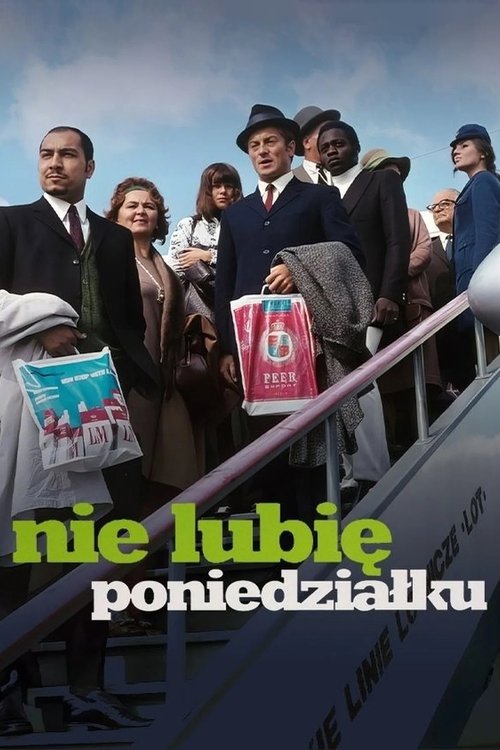
An acute case of Mondayitis in Warsaw. Interwoven stories of a few inhabitants of Warsaw, including one very unlucky Italian on a governmental mission and a charitable Polish American.
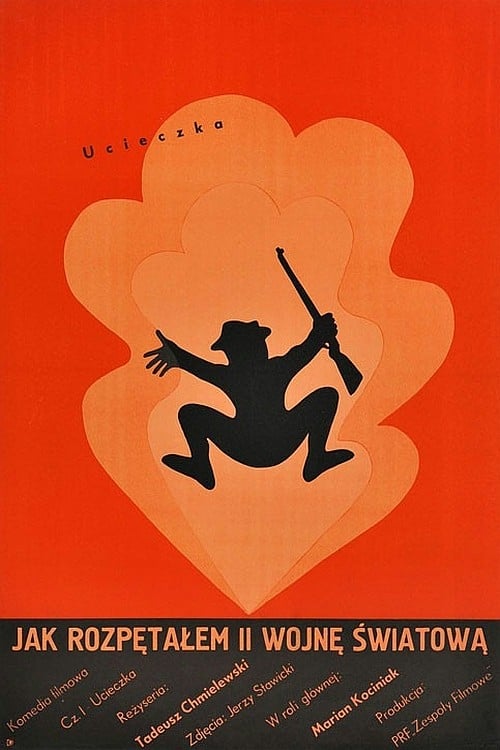
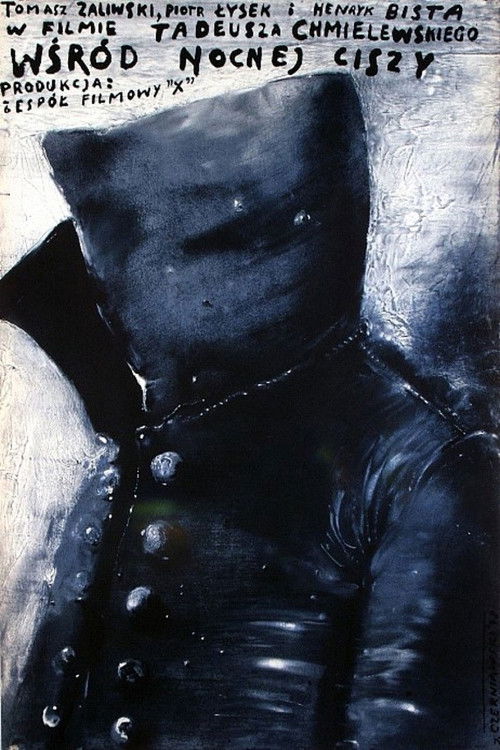
On the night of August 31, 1939, Dolas, from a platoon reinforcing a train station on the German border, falls asleep in a train car and unknowingly crosses into Germany. The moment he shoots a German, who he thinks is a saboteur, the German invasion of Poland begins, and Dolas is convinced it was his fault. He is taken to Stalag POW camp, the first destination in his odyssey around Europe.
A young Polish filmmaker sets out to find out what happened to Mateusz Birkut, a bricklayer who became a propaganda hero in the 1950s but later fell out of favor and disappeared.
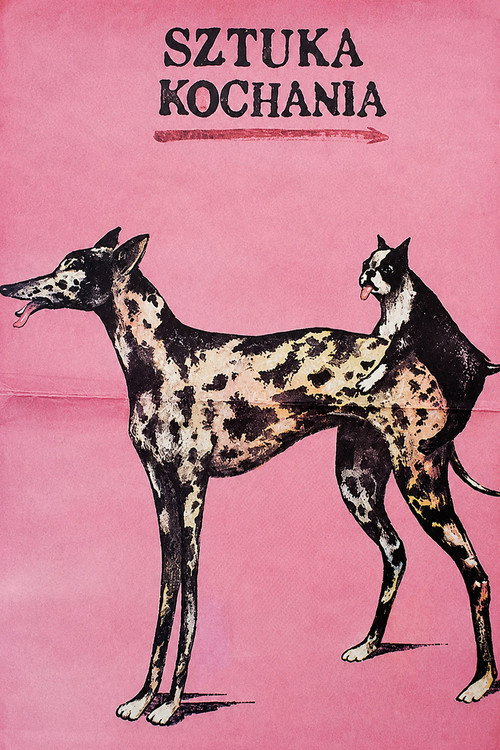
Prior to her wedding a nineteen years old Anna can't stop wondering whether she made the right choice? So she decides to seek the advice of a well-known sexologist...
The sight of a wounded neighbor causes anxiety in a young man.
The dangerous thug Pif-Paf escapes from prison. Bolek and Lolek bravely chase after him through the prairie, canyons and rocky mountains.
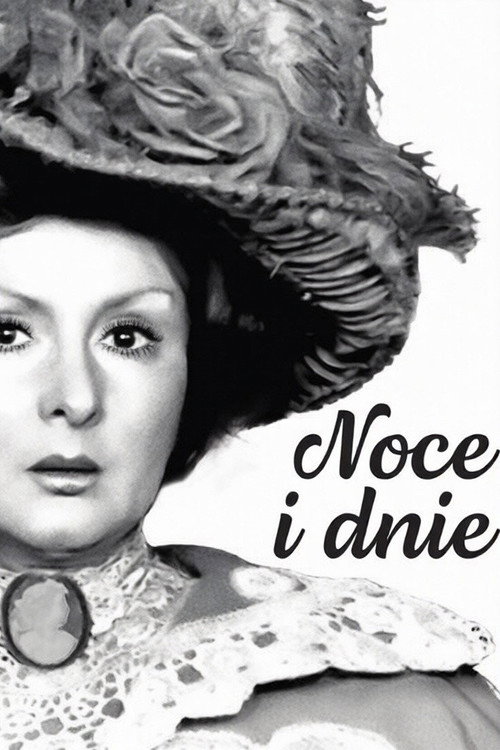
A family saga of Barbara Ostrzeńska-Niechcic and Bogumił Niechcic against the backdrop of the January Uprising of 1863 and World War I. The film is a rather straightforward and faithful adaptation of a novel by Maria Dabrowska with the same title. The plot is woven around the changing fortunes of a noble (upper-class) Niechcic family in the pre-WWI Poland. There are two main crossing threads: a social history one and an existential one.
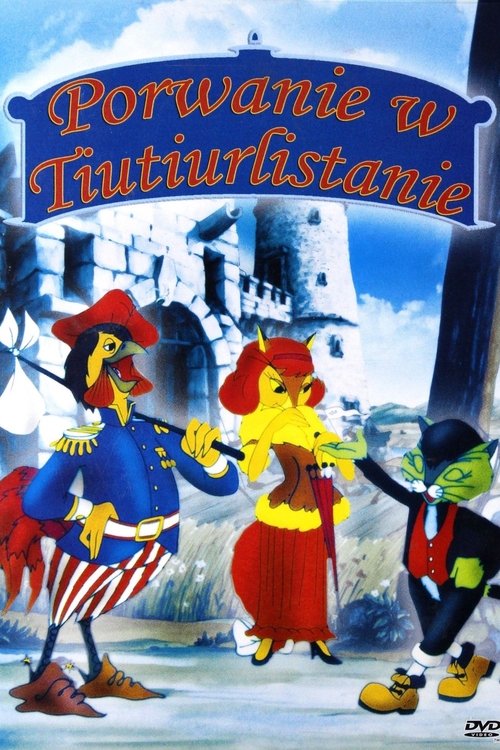
Three friends – a rooster, a cat and a vixen – meet the kidnapped princess on the eve of the war between Balbacja and Tiuturlistan. To prevent a war, they try to bring her to her father's house. They tell each other stories from their lives during a journey full of adventures.
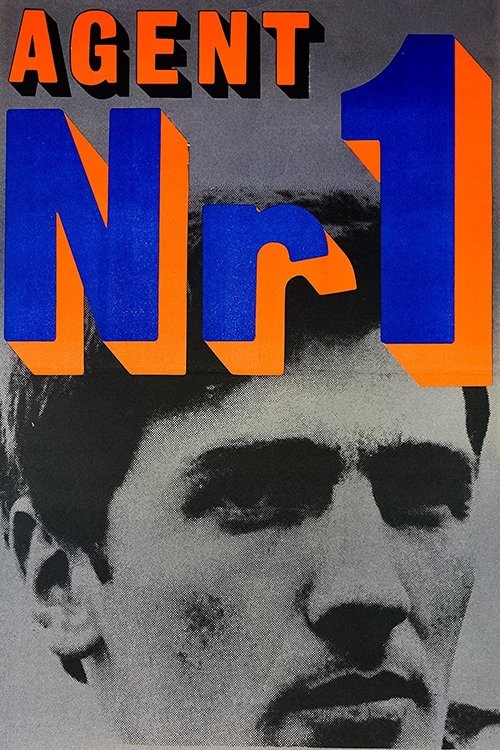
Jerzy Szajnowicz-Ivanov, the son of a Polish mother and a Russian father, raised in Greece, reports to the Carpathian Brigade in the spring of 1941. While the Poles are wary of him at first, he proves his worth by taking part in several sabotage actions against the Nazis.
In 1920s Poland, a police commissioner leads the investigation into a series of brutal murders of young boys as the case grows increasingly unsettling and personal.
A Polish writer is arrested by the Nazis in 1942 and sent to the notorious Pawiak prison in Warsaw. He will spend the next 111 days fighting for survival.
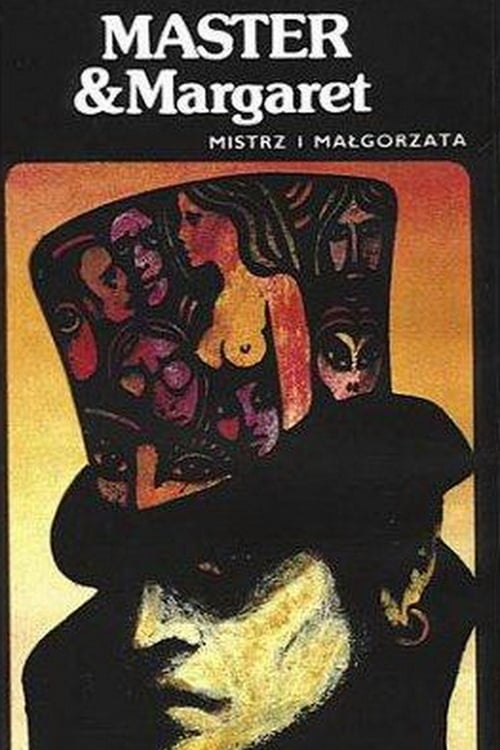
The Master and Margarita (Mistrz i Małgorzata) is a four-part Polish television production based on the novel by Mikhail Bulgakov.
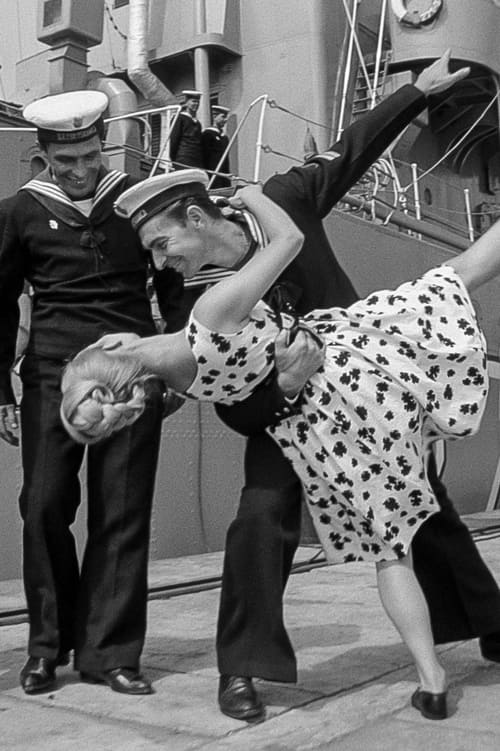
"Marynarka..." is a story of a painter who went on a cruise on a navy ship, framed by a musical film. It features Anna German, Piotr Szczepanik and the Szczecin band Filipinki.
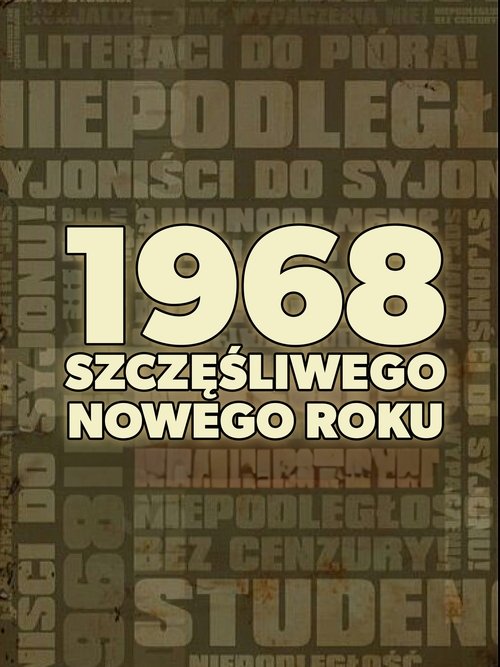
Spring of 1968, Warsaw. The fight for influence between top level Communist officials is the background to a developing love story between a young couple who are engaged in student protests. Both the young couple and their parents will pay a high price for their decisions, and their Jewish roots, which up until now seemed to have no meaning, but which will soon determine their fates.