Acting
No description available.
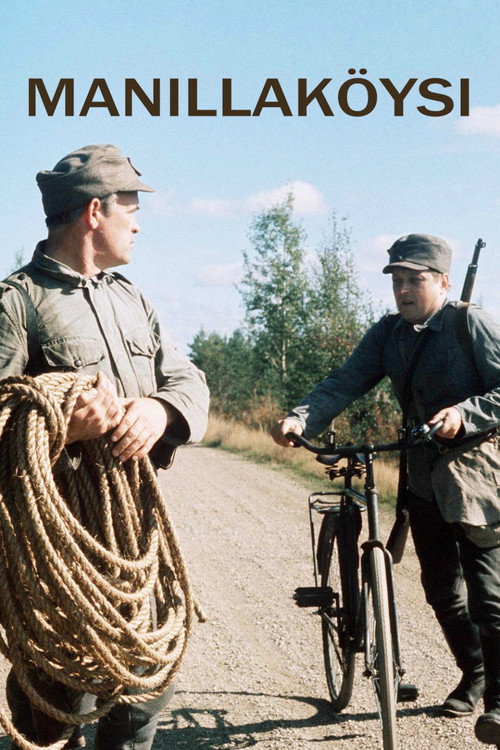
Manillaköysi is a cult status holding TV-movie adaptation of the satirical war novel by Veijo Meri. Manillaköysi has an endless list of classic one-liners, but it is still not based on cheap laughs or anything like that. The whole humouristic aspect of it comes from describing the absurdity of war, and the whole military system, by looking it with the eyes of a simple man, who's thrown into it, and who simply does not give a rats ass of it all. The tone of it is not overly preachy or moralizing. If I would have to describe it with one word, it would be: unglamourizing. The main point of Manillaköysi is pretty much compressed in one of the most famous quotes of it: There is nothing supernatural about war, it is just work like anything else.
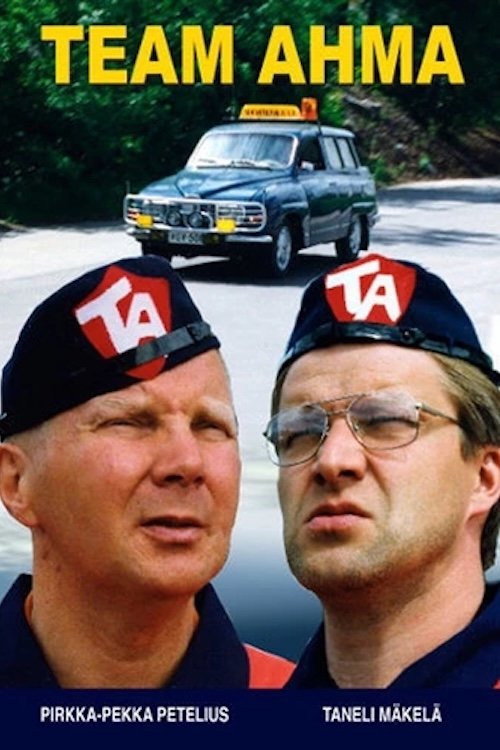
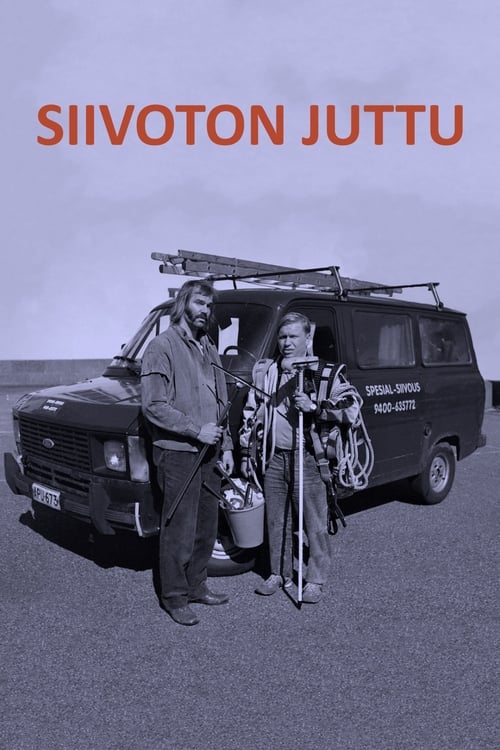
Stories about things that happen in the line of duty to two good friends working in the volunteer road service.
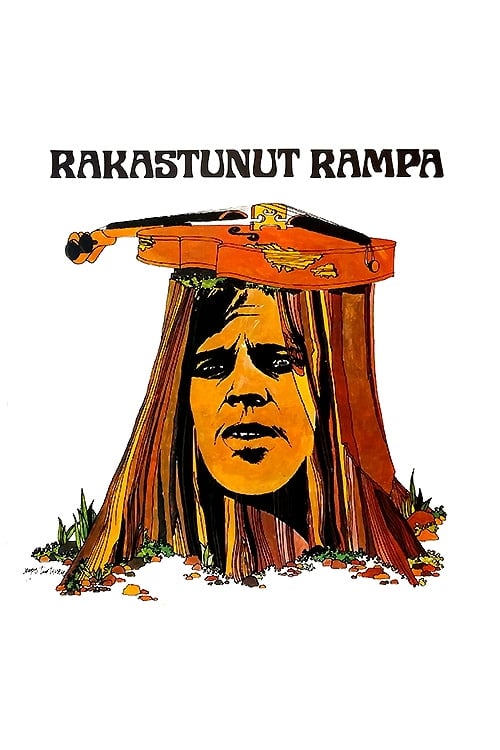
Krokelby in the 1920s. Sakris Kukkelman is a crippled, Nietzsche reading village idiot who believes himself to be a romantic hero.
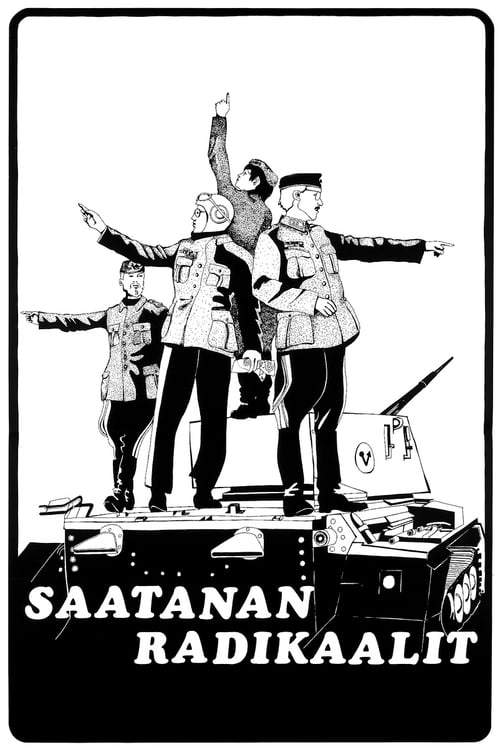
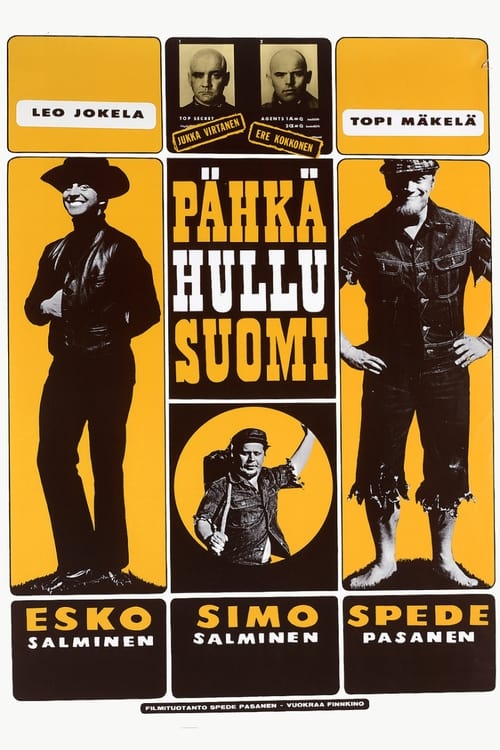
Pave, Hese, Timppa, and Viiksi have ended up in Hell, where the heat makes them feel as comfortable as in a sauna. The bosses there don't like this, so they send the boys on vacation to their home country, Finland. They are given a briefcase full of money to live a life of luxury. The only condition is that they are not allowed to do honest work, and to make matters worse, they are told that alcohol will not go to their heads.
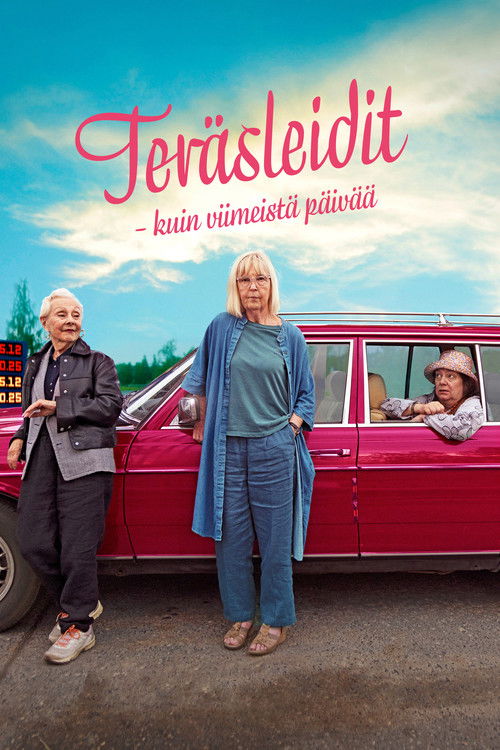
Three retirement home residents - Siiri, Irma, and Anna-Liisa - investigate mysterious disappearances and their cook's suspicious death while navigating friendship and aging. Based on Minna Lindgren's books.
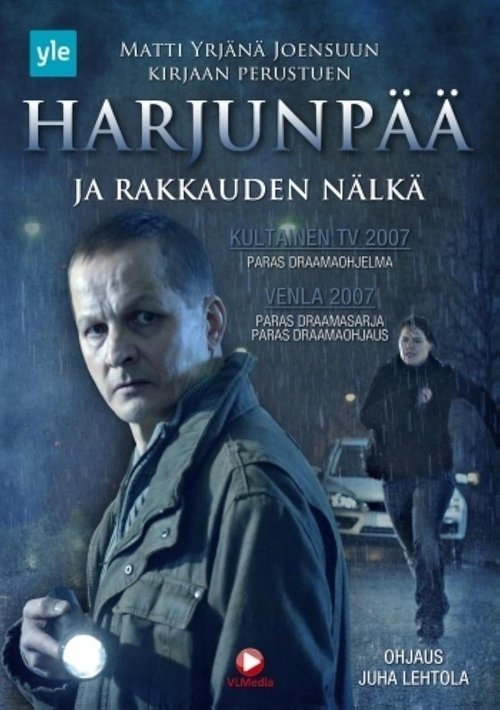
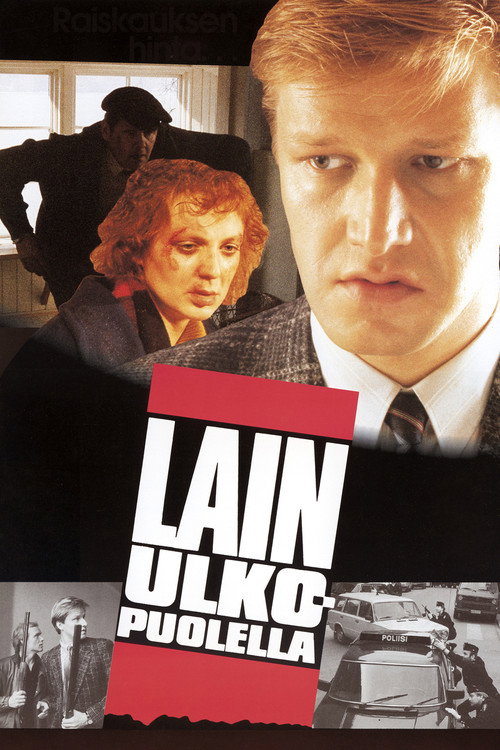
On her way home from an evening shift at a men's clothing store, Saara Nevanen is raped by a man whom she recognizes as her regular but eccentric customer, Antti Kaironen. The doctor and policemen question Saara in an insensitive manner,and she breaks down with guilt. When the court releases the perpetrator inlack of evidence, Saara's aggressive brother Jari talks her mild-mannered husband Sakari into a self-made revenge plot. Armed with two rifles, Jari and Sakari take matters into their own hands.
A ragtag team of cleaners tackles absurdly dangerous jobs - explosions, devastating water damage, and “impossible” stains - while dreaming of escaping poverty and enjoying holidays in the sun.
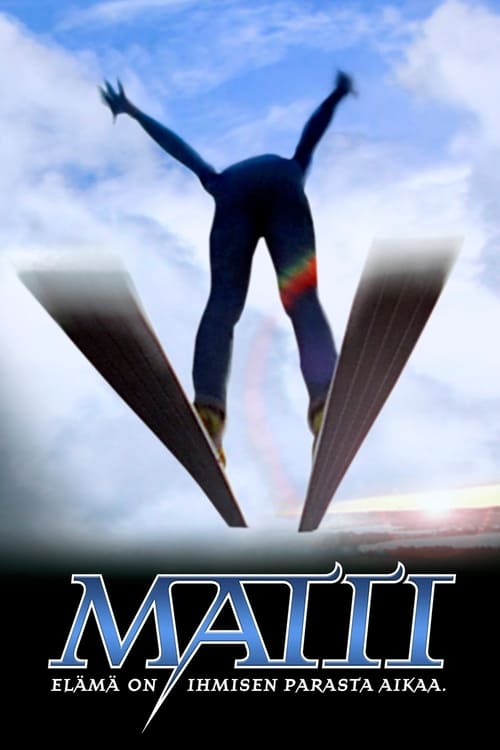
Four Olympic gold medals, seven World Championship titles, four World Cup tour championships, and forty six World Cup circuit victories. Once his career as a professional athlete ended however, the other side of his personality emerged into public view in all of its vulgarity. An alcohol dependency, several marriages accompanied by numerous marital problems, petty crime, uncontrolled acts of violence, and greedy hangers-on.
Anni, a daughter of a wealthy family and used to secure life, falls in love with Veikko, a war invalid of the Continuation War. Anni leaves her past behind her and starts leading the life of a pioneer, in the wild forests of northern Karelia, in a settlement farm. After a rosy start, the fate crushes Anni’s dreams and her love for Veikko is put to a test.
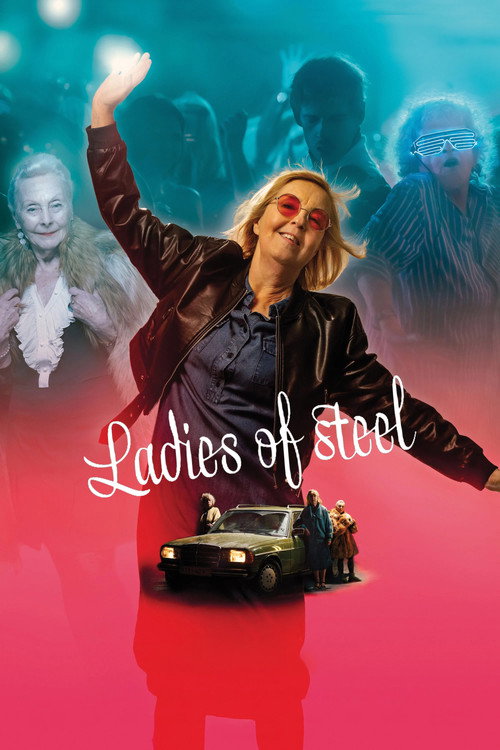
Inkeri, 75, has hit her husband on the head with a solid iron frying pan and is planning to bury him in their garden. Before facing the rest of her life in prison, there may yet be a moment left to really live. Inkeri makes her sisters Sylvi and Raili join her on a trip to the Koli National Park. Will Inkeri find in her that free young woman who desired a feminist revolution in the 70s?
While at the reception, Inkeri overhears the doctor telling the nurse behind the corner that there is no life expectancy or hope left. Inkeri's daughter Maija takes it upon herself to care for her mother, even if it means forcing her, but Inkeri has other plans. As her last act, she intends to save Maija from repeating her own mistakes and then throw herself into the Arctic Ocean. Inkeri escapes from the nursing home for her final journey with her steel-haired friends and Matti, who has tagged along. Before reaching the Arctic Ocean, Inkeri throws herself into life: painful memories, intense emotions, and forest rave.
A film that pushes every stereotype imaginable about Finland, and then some. Indeed, coming in the same year as Finland’s 50th anniversary, the film’s whole premise is about presenting Finland in hilarious fashion to foreigners and perhaps also making fun of some of the myths of Finnish culture for Finns themselves.
Director Timo Koivusalo point of view about life of classical music composer Jean Sibelius, who is a national composer of Finland.
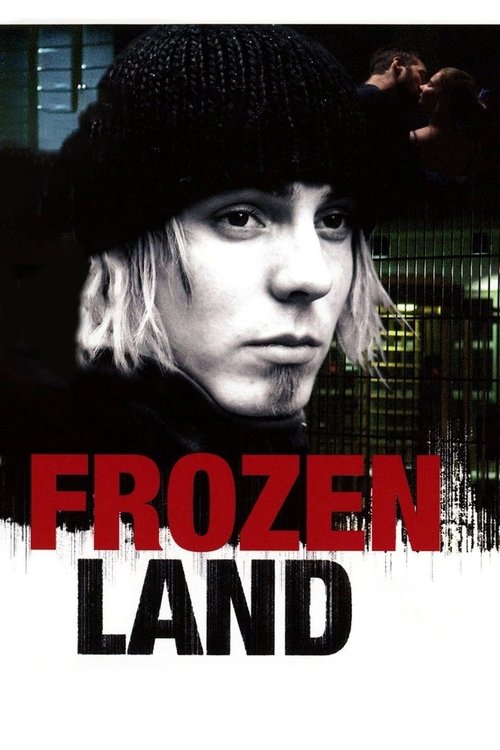
When a schoolteacher is sacked, he projects his bad mood at his troubled teenage son. The son, in turn, buys a CD player from a pawnshop with counterfeit money. This starts a chain reaction of misery as every victim projects his problems on to another person.
The year is 1972. Finnish endurance running is in its golden age. The head physician of a mental hospital goes on a bike ride with a marathon runner who has been forgotten in hospital for years. But the ride doesn't follow the expected route...
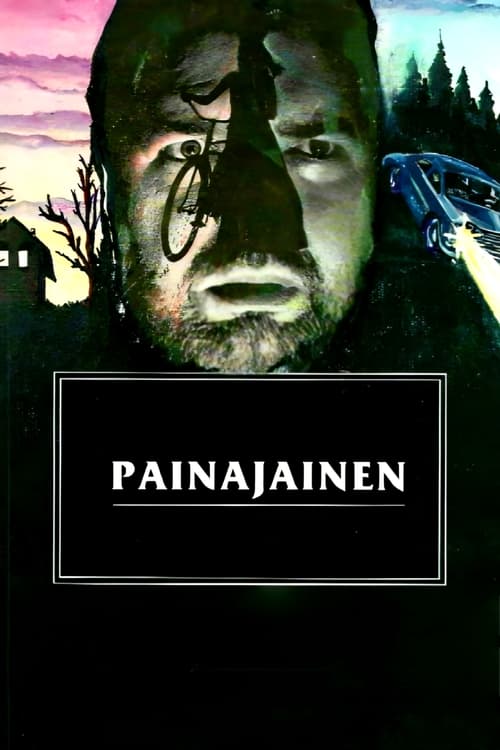
An amnesiac uncovering horrifying secrets about his life.