Acting
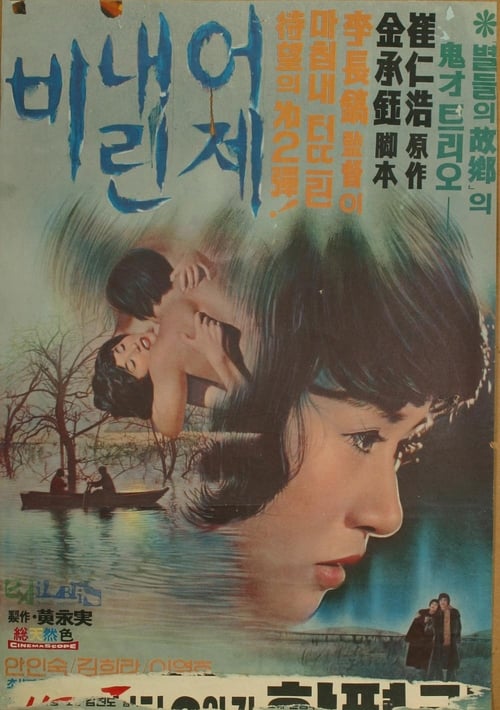
An overworked female executive is haunted by strange dreams. She is compelled to travel to a remote fishing village where she is inexplicably kidnapped and sold to a peasant farmer on a remote island.
Chun-sam is working as a servant at Bong-pil's home to be his future son in-law. His daughter, Jeom-sun has grown enough to get wed. But her father thinks she is too young. But in reality he doesn't want to set her daughter with Chun-sam to begin with. Jeom-sun finds out, and picks up a fight with her father. When Chun-sam decides to play hard on his master, Jeom-sun takes Chun-sam's side.
With the outbreak of the Korean War, Su-ji and Oh-mok lose their parents. Along with their brother Su-cheol, they go live with their mother's parents. As they go to take refuge, Su-ji loses Oh-mok by accident. Time passes and with her older brother Su-cheol's success, Su-ji enters the high society. But due to the guilt of losing her younger sister Oh-mok, she does a lot of charity work constantly looking for Oh-mok. When Su-ji finally finds Oh-mok in an orphanage, she turns coldly away from Oh-mok for not having any evidence to prove that she is her sister. Oh-mok marries Il-hwan whom she has met at the orphanage and they live a hard life. Finally, Su-ji is convinced that Oh-mok is her sister but after living through such hardship, Oh-mok breathes her last.
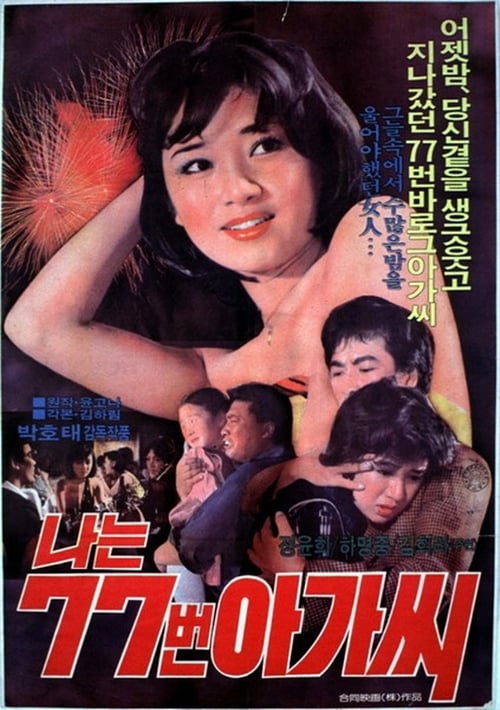
Due to her father's debts, Yun Go-na marries Song Kye-nam but she is unhappy because of Kye-nam's self-indulgent lifestyle. Go-na takes her daughter, Min-hi, and goes to Seoul where she gets a job as a hostess. One day, Mun Byung-kil proposes to Go-na. Troubled by her situation, Go-na turns him down. But Go-na is touched by his sincerity and marries him. The three live happily as a family but then Kye-nam shows up and demands his daughter Min-hi. However, Ky0e-nam goes away when he realizes which is real happiness of his daughter.
On the first full moon of January, in the town of Ha-pyung, there is a festival going on in the yard of Shin Chi-gyu, the town's biggest landowner. They are playing yut, a game of throwing four short sticks. The winner of the game is Ok-bun's husband, Lee Bang-won. Having no money, Ok-bun and Bang-won had been tenant farmers on Chi-gyu's land. With their winnings, they try to start their own business. Chi-gyu had always been drawn to Ok-bun. When Bang-won leaves, Chi-gyu comes on strong to Ok-bun. Ok-bun waits eagerly for her husband's return but Bang-won has failed in his business and returns a pauper. As their dreams go up in smoke, Ok-bun falls into deep despair.
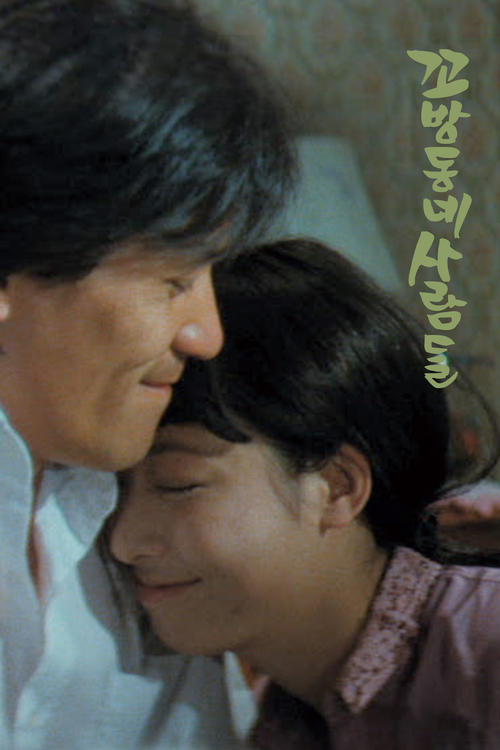
In a poor neighborhood in Seoul, the inhabitants live together in harmony despite their difficult circumstances.
Young-ae is a prostitute who obsesses over money after losing her daughter to illness. Her co-workers are jealous of her. When a prostitute named Mrs. Kangwon dies after giving a birth, Young-ae takes the baby under her care and leaves the brothel district. Although she struggles to make ends meet and provide a home for the child, the child is taken away by the authorities because she is single. She decides that her old life is the only ground for living she has and returns to it.
Near the end of the Chosun Dynasty, a vagabond named Eok-swoi wandered over all of Korea. In the end, Eok-swoi settles in a remote village where he becomes the servant of Magistrate Ahn, a man of influence. Eok-swoi engages in an innocent love with Keum-sun, a maiden servant of Ahn. Though he is over the age of 50, Ahn is still childless. He treats his young second wife badly and finally, he turns his eye to Keum-sun. After being alone night after night, the young wife unintentionally starts an affair with Eok-swoi which Ahn discovers. Out of guilt, Keum-sun had rejected all of Ahn's advances to the end. She runs away with Eok-swoi. Afterwards, Ahn becomes disabled and deeply repents his wrongdoings.
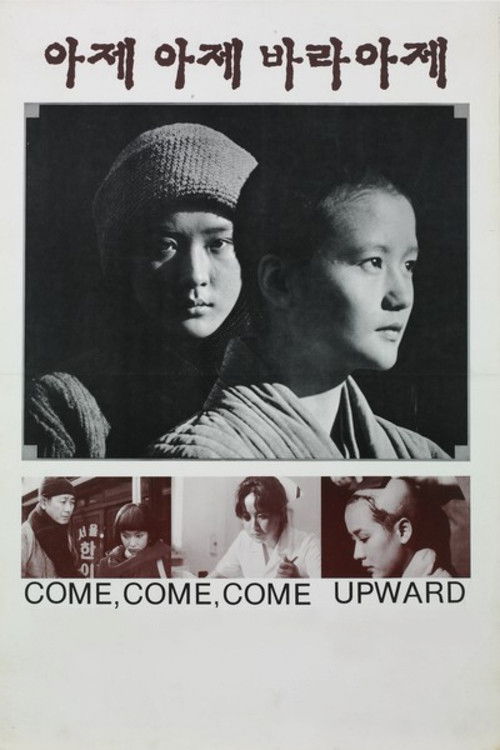
Schoolgirl Sun Nyog suffers from pain and hardships, life and the world around her confuse the girl. Her father, a Buddhist monk, left them, the mother has totally neglected her daughter while her lover harasses the girl. One winter day Sun Nyog goes to the temple. She decides to study Buddhism and is ordained as a nun. In 1989 the film participated in the MIFF competition and won the Bronze St. George for Best Actress.
A dwarf and his poor, but loving, family who are forced out of their house by a real estate agent.
Bok-nyeo gets married to a poor Joseon's aristrocrat and lives a hard life to survive.
Young-Hu and Young-Wuk are half brothers and felt uncertain intimacy even though their personalities are totally different. At the first moment he saw Min-Jeong, Young-Wuk's girl friend, Young-Hu fell in love. He avoided her intentionally but the day his biological mother remarried, he happened to spend a night with her in a complicated feeling. After that Young-Hu got the blues due to sense of guilty and Young-Wuk was despair as Min-Jeong confessed him she loves Young-Hu. As he found Min-Jeong's pregnancy, Young-Hu hated shady new life and made fun of Min-Jeong and himself. Thus enraged Young-Wuk madly drove his car to the running train with Min-Jeong.
Byeon Kang-soe proves to be too powerful and endowed for most women to bear so he begins a quest to locate Ong-nyeo, a woman whose sexual stamina matches his own
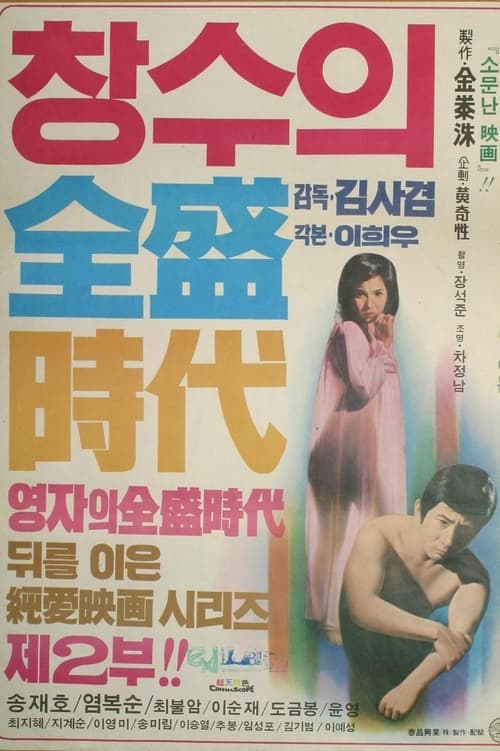
A sequel to Yeong-ja's Heydays follows the career of Yeong-ja’s first love, Chang-su, and his faithful love for her.
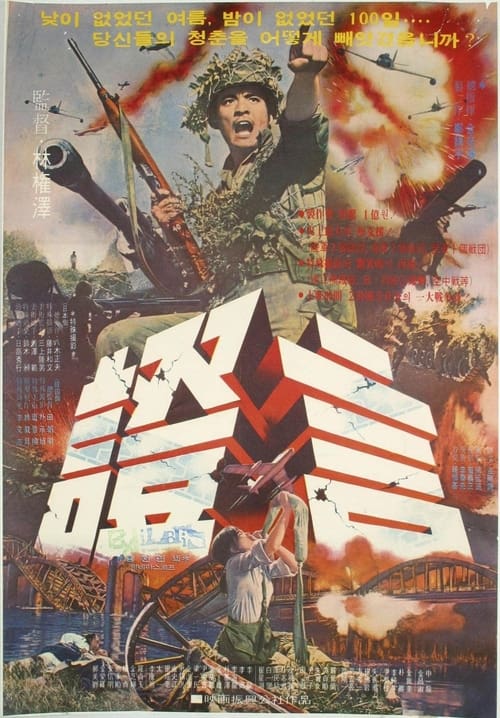
June 25, 1950. When second lieutenant Jang has a date with his girl friend during weekend, numerous North Korean jet fighters make sudden air raids to the skies of Seoul. It is the beginning of Korean War. In spite of Korean Army's brave defense, North Korean army reddens South Korea with their state-of-the-art weapons. This movie describes the progress of war from the invasion in June 25, 1950 to the reclamation of territory on the basis of Sun-A's personal experience. Also this film reminds hard lessons from tragic history.
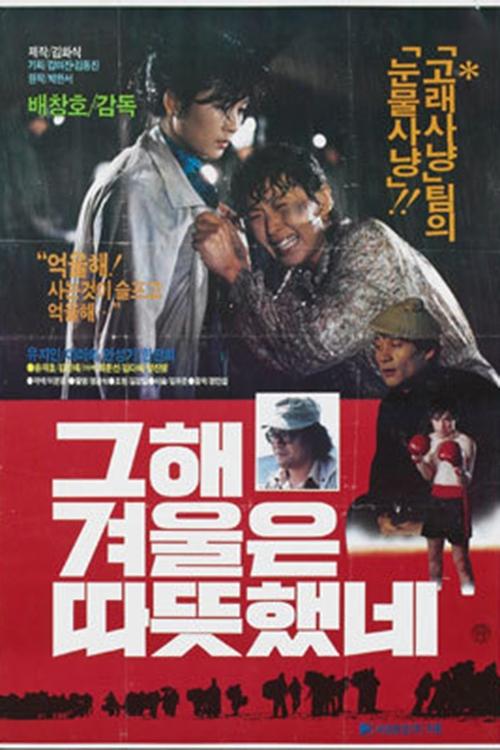
Distraught that he is unable to go to his parent's home for the holidays, Sang-do gets drunk and meets a beautiful woman, but he winds up spending the night in the hospital after being beaten by her boyfriend. Upon being discharged, he finds a blank check on the sidewalk and is torn between following his conscience or his greed.
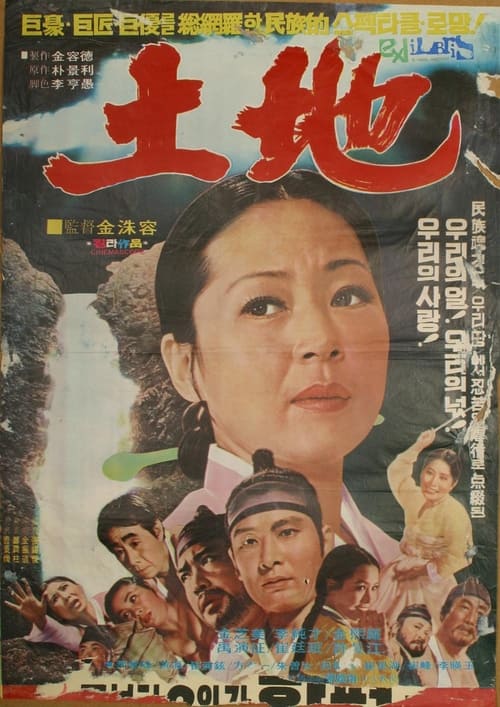
Ha Dong, Kyung Nam Province in 1890. Choi Chi-Su's family is a grand land lord of the region from generation to generation. His mother Mrs. Yoon gives birth to another son Hwan after she was raped by Kim Gae-Ju when he is 10 years old. Later Hwan becomes a servant of Choi family but he falls in love with Chi-Su's wife and they flee by night. Meanwhile after a reign of 40 years of King Ko Jong, cholera prevails all over the country and years of famine follows it. While people suffer from natural disasters and diseases, one of Chi-Su's maternal relative Cho Jun-Ku and his wife make a plot to take Choi family's enormous wealth and strengthen the foundation for his status. In this chaos some villagers and Seo-Hee, Chi-Su's daughter leave their village for Buk Kan Do.
Ha In-young has suffered for years under her husband, Kang Suk-wu. He's kept her captive with his loss of humanity and sexual depravation. In-young yearns for an unknown world. One day, In-young meets Min Byung-gu but Byung-gu leaves her. In-young leaves her husband and even her young daughter Ha-mi. Ha-mi searches madly for her mother. Chairman Kang, Suk-wu's father, understands why his daughter-in-law has run away. Suk-wu anguishes over the actions of his father and daughter. Suk-wu regains his sexual masculinity which he had lost for years. He forgives In-young and receives her again.
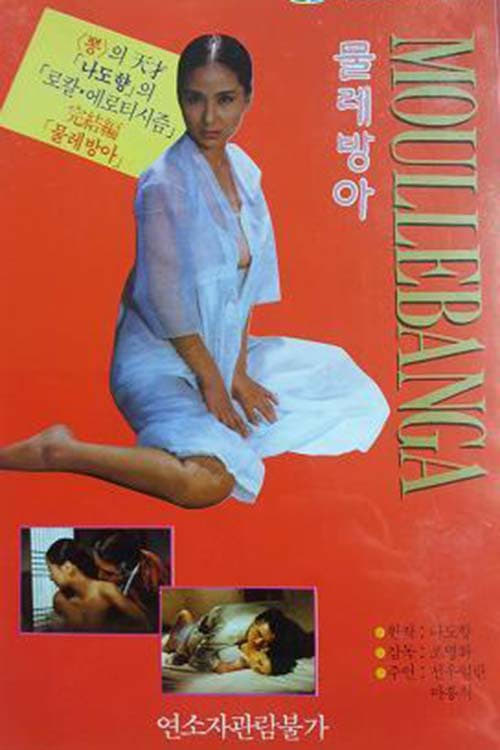
A young and beautiful woman born in the Korean countryside has to go through the many hardships arising from jealousy, lust and overbearing social control.
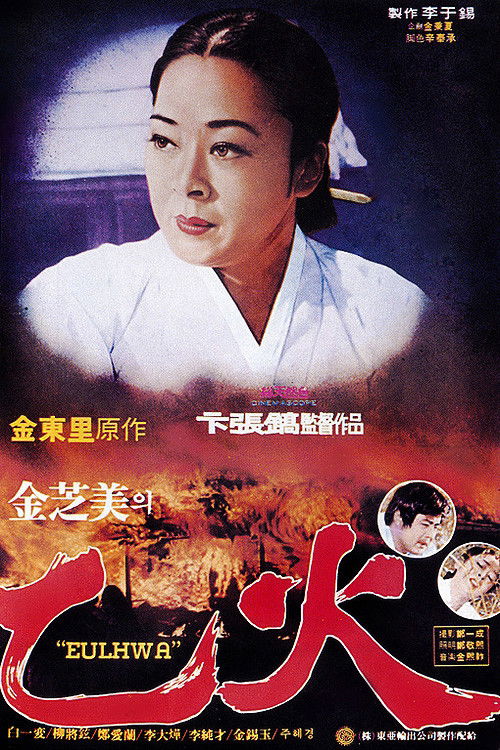
Eul-hwa discovers that she has a talent for shamanism. She sends her son away to be raised by monks while she delves into shamanistic rituals and spells. Eventually she becomes a powerful shaman. However, with Christianity taking hold in Korea, Eul-hwa finds her way of life threatened and herself at odds with her religious son.