Directing
Na dobre i na złe is a Polish television medical drama series, broadcast on TVP2 since November 7, 1999. Currently in its 15th season and with over 520 episodes, it is the longest-running primetime drama on Polish TV. The show revolves around the lives of doctors and patients of a hospital in Leśna Góra near Warsaw. Na dobre i na złe has been very popular among the viewers, despite recent criticism on its lack of originality. It won the "Telekamery" award for the best TV series in 2001, 2002 and 2003.
No description available.
Based on a true story, Emi — a young, ambitious girl, dreams about life outside her small town. When an opportunity arises to become an exclusive escort, she jumps in without hesitation. Soon she climbs the ranks and starts her own VIP escort service; recruiting Polish celebrities, actors, singers, and models. However, the luxurious and enticing world eventually shows its dark side.
In a refugee camp in Bosnia, while a group of boys is playing ball, the one-legged Enes, accidentally breaks his crutch. His friend Ado decides to help him, as now the immobile Enes is completely dependable on others. They write a request to the United Nations asking to help them get a new crutch.
14-year-old David could one day become a judo champion - if it wasn't for his explosive temper and aggression, which he finds hard to control. And this is the only legacy he received from his violent father, currently serving time in prison. David tries to live up to his mother's expectations while taking care of his 9-year-old brother. He gets a chance to change his life when he is invited to an important judo tournament.
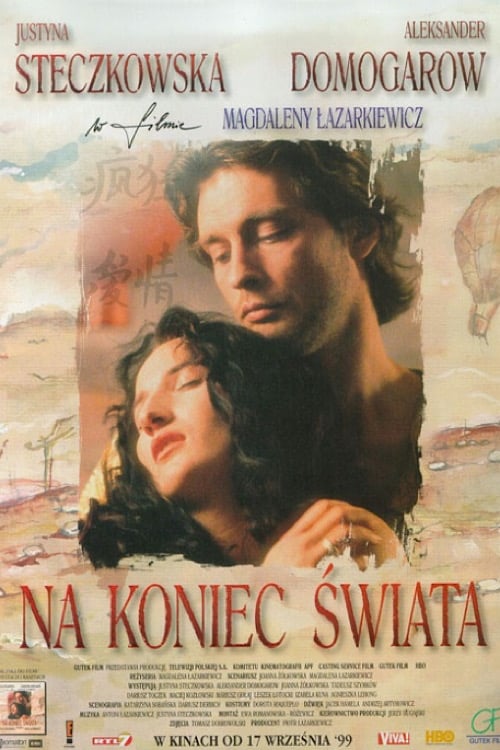
A period film, set in 19th century China in the Polish community who are there building the railway. A woman enters into an extramarital affair with a painter.
Elections of authorities were a real holiday in the Polish People's Republic. Sometimes suits, often red ties, decorated with the national colors of the committees. The country's residents flocked to the polls in crowds to express their support for those in power with their vote. In compact columns, soldiers and civil servants marched to the commissions. In hospitals, doctors and nurses voted, the ballot boxes were delivered to seriously ill patients. With special documents, railroad workers traveling around the country were also able to fulfill their duty. Years of effort by the authorities in making the public politically aware bore fruit.