Acting
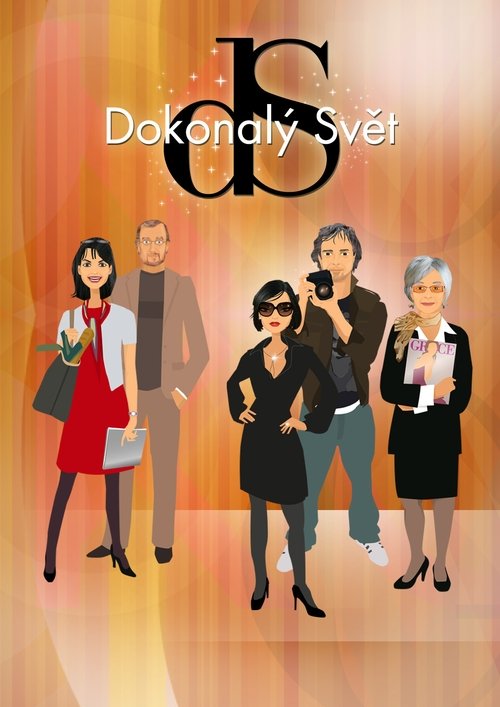
A Czech medical television series that focuses on an emergency department. Each episode follows cases inspired by real-life stories and the cases of patients and healthcare professionals.
No description available.
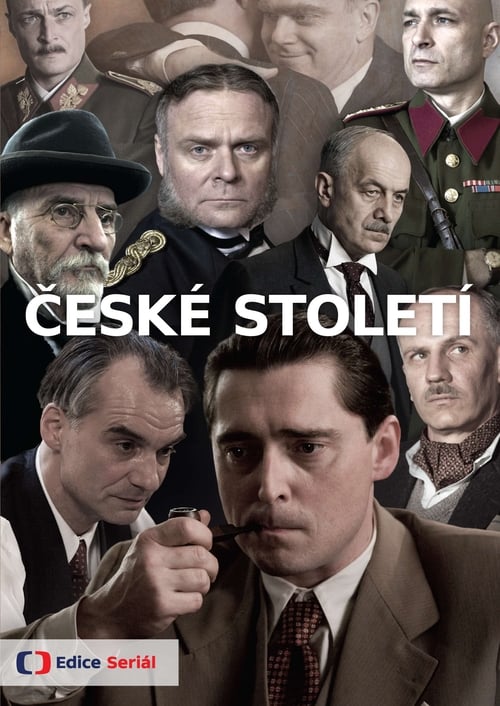
Czech Century brings the key moments of the history of the Czech nation from 1918 to 1989.
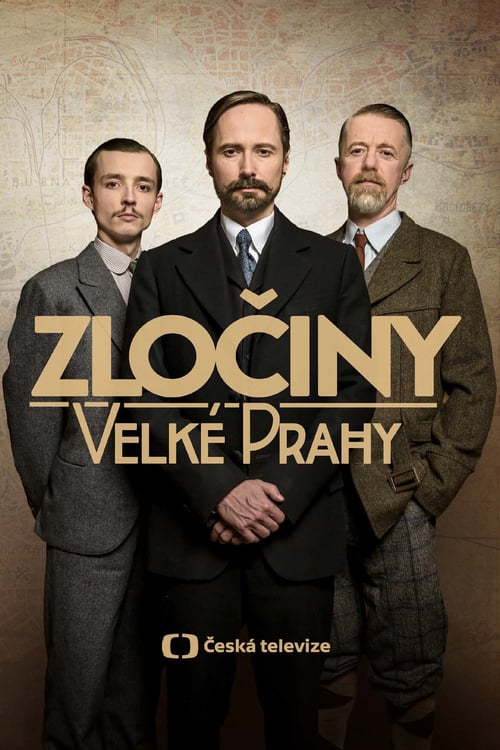
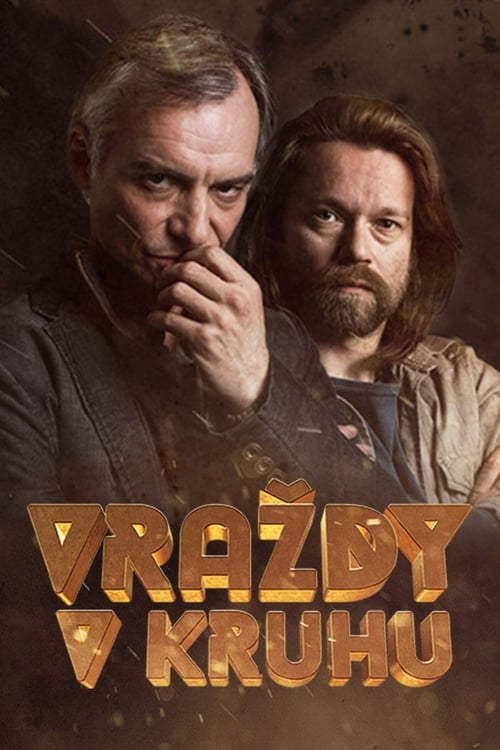
The Inspector Hynek Budik as been assigned chief of police in the area on the outskirts of Prague, With detectives Martin Novacek an inexperienced rookie and the inspector Havlik will seek to solve difficult cases of murder.
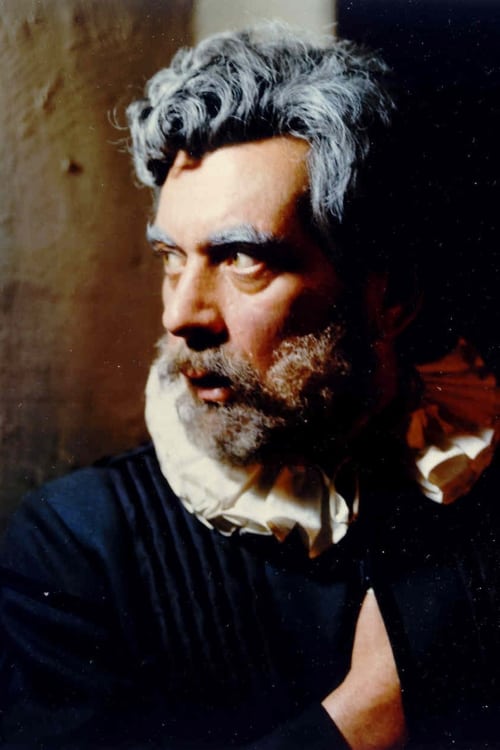
Series about the life of Renaissance anatomist, scholar and politic Johannes Jessenius. Already legendary series today, was produced by Czechoslovak Television Bratislava, directed by Slovak director Miroslav Luther in the first half of 80's in Barrandov Studios in Prague. The story and screenplay of the series wrote Czech writer Vladimír Körner. Five-episodes epic historical narration is a biographical story of distinguished Renaissance scholar, anatomist and politic of Slovak origin, Johannes Jessenius (Ján Jesenský, 1566–1621). It displays his life from the first studies and successes. In 1594 he became professor of surgery and anatomy on Wittenberg University, which he had attended years before. From that moment, his life went through social and personal wins and losses, to the sad end on the Prague Old Town Square gallows, among 27 noblemen, knights and burgenses, after lose Bohemian Revolt in 1621. His destiny was coupled with key events of Czech history in the break of 16th and 17th century, when Renaissance and European humanism slowly fade out.
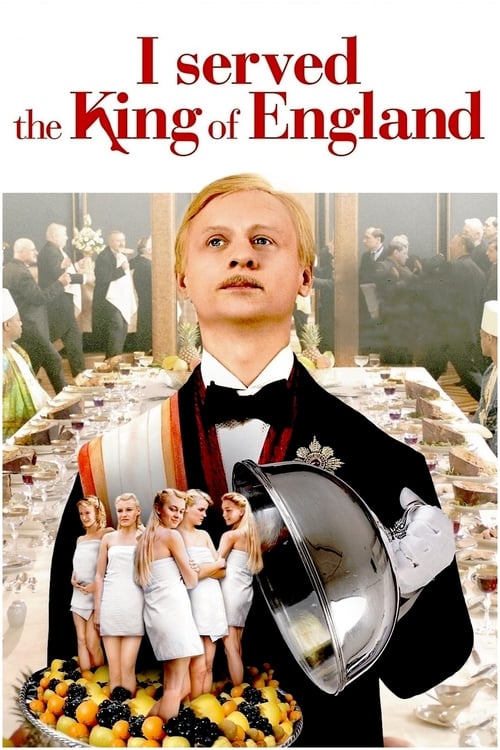
Prague, Czechoslovakia, during the inter-war period. Jan Dítě, a young and clever waiter who wants to become a millionaire, comes to the conclusion that to achieve his ambitious goal he must be diligent, listen and observe as much as he can, be always discreet and use what he learns to his own advantage; but the turbulent tides of history will continually stand in his way.
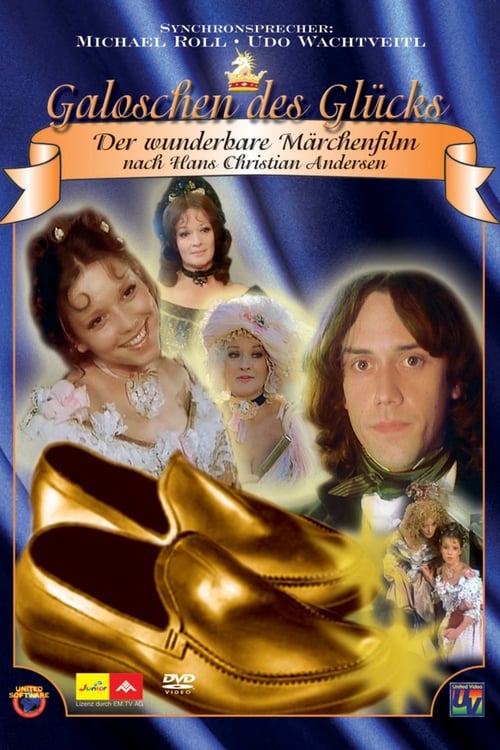
The Slippers of Happiness is another film made by the Slovak Film Production in co-production with West German companies based on classic world fairy tales. After Slovak folk tales [The Greatest Peck in the World, Salt Over Gold] and the works of German fairy tale writers Wilhelm Hauff [The False Prince] and the Brothers Grimm [The Land of the Thrush's Beard, Perinbaba], screenwriter Alex Koenigsmark and director Juraj Herz were inspired by the famous fairy tale by Hans Christian Andersen. It tells the story of slippers that the Fairy of Fortune enchanted so that they would fulfill every human wish and thus bring people happiness. The filmmakers humorously transferred the plot from Copenhagen to old Prague.
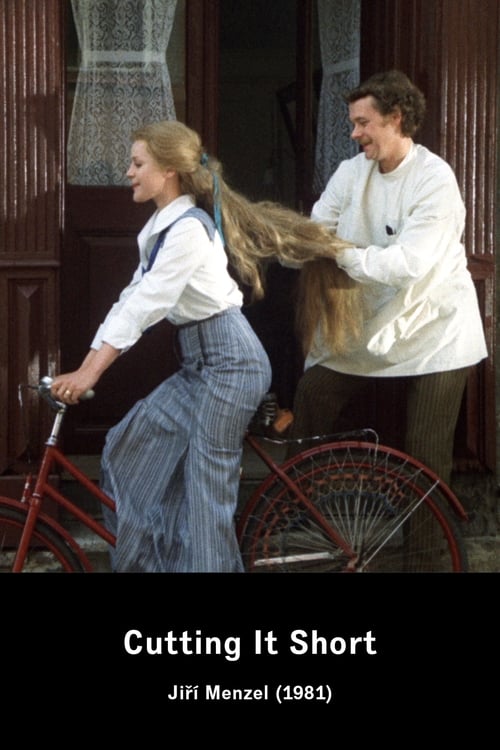
Francin, manager of a small-town brewery, has a charming wife whose abundant blonde locks are an adornment to the town. Maryska looks ethereal but loves meat and beer, while Francin is an ascetic. The strict members of the brewery board of directors come to audit the accounts, but are diverted from concentrating on Francin's detailed reports by Maryska, who has organized a pig-killing feast and is ably assisting the butcher. When she invites the old curmudgeons on the board to enjoy the fresh pork, they are too happy to agree. Francin doesn't know whether he is going to get a permanent contract. To make things worse his brother Pepin - eccentric, noisy and garrulous - turns up on an indefinite visit.
Chytilová was not allowed to direct films between 1969 and 1976. The sole exception was the made-for-TV film Kamarádi, now virtually unknown.
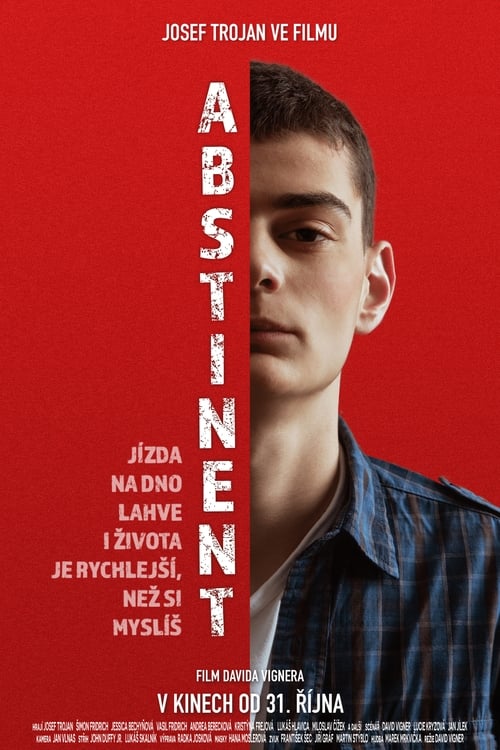
Adam had his life ahead of him; all that was left was to finish his exams and apply to university. To fight off boredom and to feel relaxed and funny, he turned to alcohol. Then came the trouble. Now at a rehabilitation centre for alcoholics, he initially defies the strict regime here. His views of the treatment and himself change only thanks to an empathetic therapist. The inhospitable environment becomes a place of self-reflection on an event that irreversibly changed Adam's life.