Acting
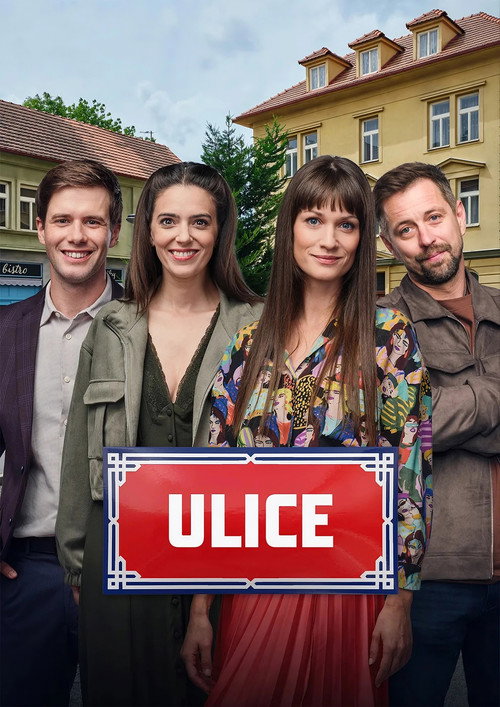
Ulice is a Czech soap opera produced and broadcast by Nova. In the Czech language Ulice means street. The show describes the lives of the Farský, Jordán, Boháč, Nikl, and Liška families and many other people that live in Prague. Their daily battle against real problems of living in a modern world like divorce, love, betrayal and illness or disease. Ulice often shows crime.
No description available.
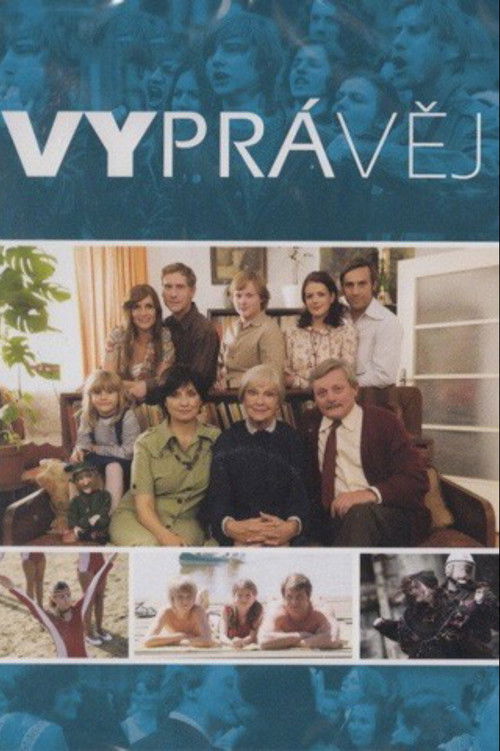
Set in Czechoslovakia, the drama follows the lives of its characters against the backdrop of real historical events that shape their personal stories. To evoke period atmosphere, the series intersperses authentic clips from vintage Czechoslovak film newsreels, using their original commentaries or newly recorded historical voice-overs by Vladimír Fišer. A narrator, initially voiced by Vojtěch Kotek and later by Matěj Hádek, provides continuity and reflection, guiding viewers through changing times. Under the guidance of screenwriter Rudolf Merkner, each episode’s script weaves family and individual dramas into key moments of Czech and Slovak history: political shifts, cultural trends, and social transformations from the 1960s onward.
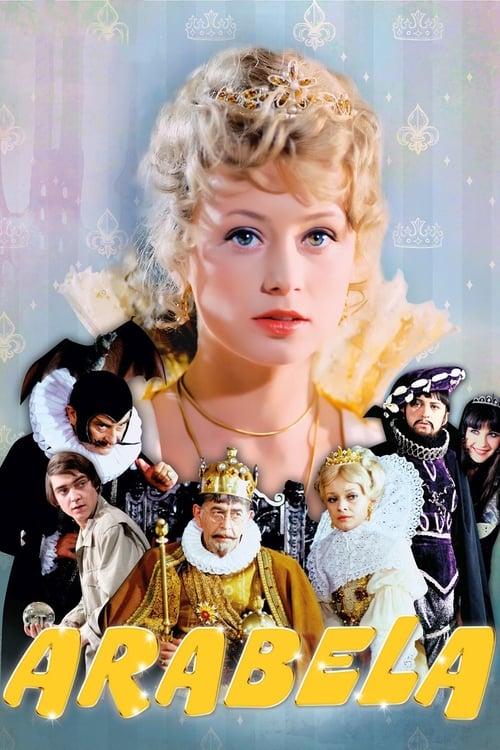
Arabela was a children's television series produced in Czechoslovakia which aired from 1979 to 1981. The series has 13 episodes and is in the Czech language.
Hospoda is a Czech television comedy series which premiered on TV Nova. From 1996 to 1997, 52 episodes were aired.
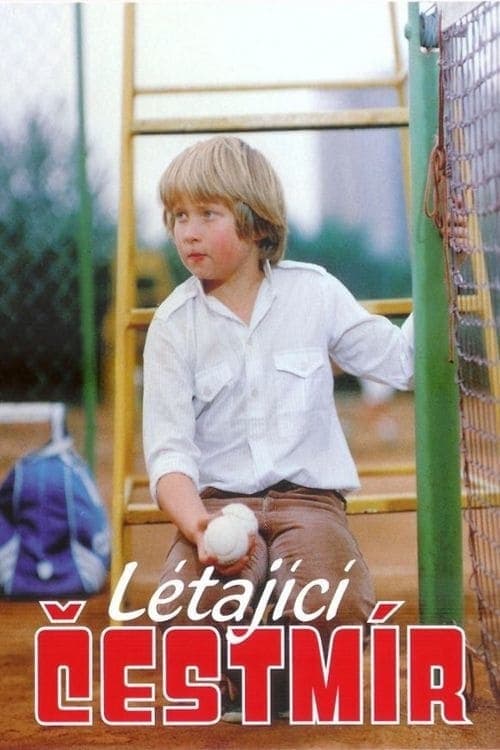
Young boy Cestmir finds a magic rock which allows him to bring the seeds of the flowers which allow flying from Blue Planet...
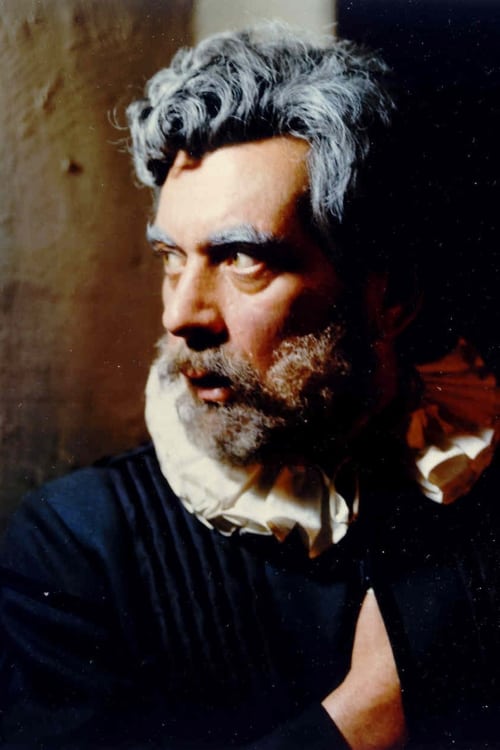
Series about the life of Renaissance anatomist, scholar and politic Johannes Jessenius. Already legendary series today, was produced by Czechoslovak Television Bratislava, directed by Slovak director Miroslav Luther in the first half of 80's in Barrandov Studios in Prague. The story and screenplay of the series wrote Czech writer Vladimír Körner. Five-episodes epic historical narration is a biographical story of distinguished Renaissance scholar, anatomist and politic of Slovak origin, Johannes Jessenius (Ján Jesenský, 1566–1621). It displays his life from the first studies and successes. In 1594 he became professor of surgery and anatomy on Wittenberg University, which he had attended years before. From that moment, his life went through social and personal wins and losses, to the sad end on the Prague Old Town Square gallows, among 27 noblemen, knights and burgenses, after lose Bohemian Revolt in 1621. His destiny was coupled with key events of Czech history in the break of 16th and 17th century, when Renaissance and European humanism slowly fade out.
A story of a little girl Verka and her life during the beginning of WWII. Based on Vera Sládková novels.
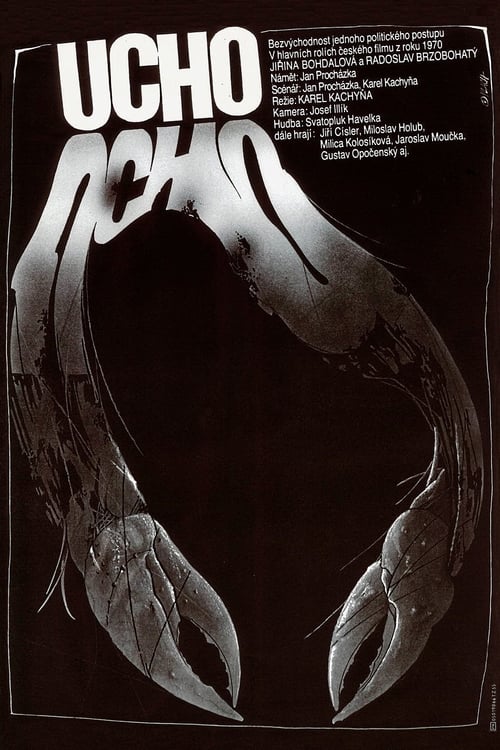
Government bureaucrat Ludvik becomes suspicious after several colleagues disappear and he overhears something strange at a cocktail party. Returning home with his wife, Anna, he finds their house under surveillance and spends a fraught night worrying about his possible arrest in the morning. Marital difficulties come to light as Ludvik and his wife attempt to act normal in front of the cameras while dredging up their problems out of sight.