Miléna Trivier
Directing
Biography
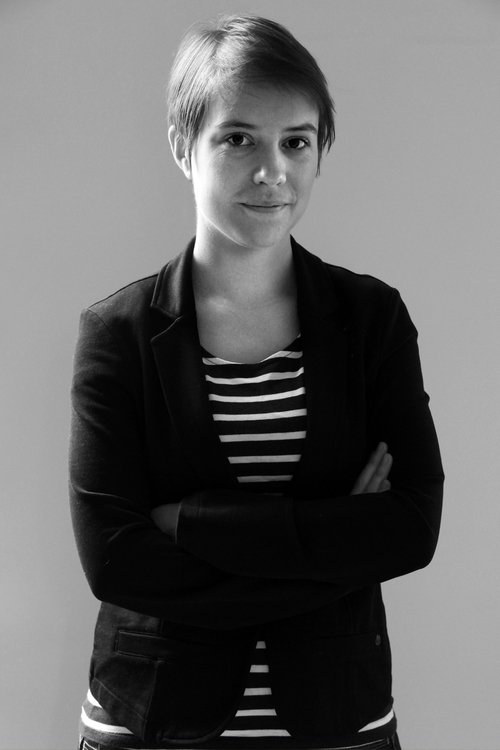
Born in 1986, Miléna Trivier grew up in a tiny Belgian village where distractions were rare. This enclosed environment encourages his sense of observation and his ability to marvel at what surrounds him. Two characteristic features of its cinematographic universe. At 18, she joined INSAS, the national film school, in the Image section and directed her first film, “12 AUG. 2002”, with the collaboration of the writer John Berger. She also works intensively as a colorist. His work has been praised in films such as “Ma’Ohi Nui, in the heart of the ocean my country” (2018 Berlinale official selection) “Mitra” (2018 FID selection) or “Sans Frapper” (Vision of reality).
Known For

Jeanne take her daughter for the week-end in Majorque. While everything goes to rack and ruin, mother’s only concern is to photograph Kiki, the classroom mascot.
Palma
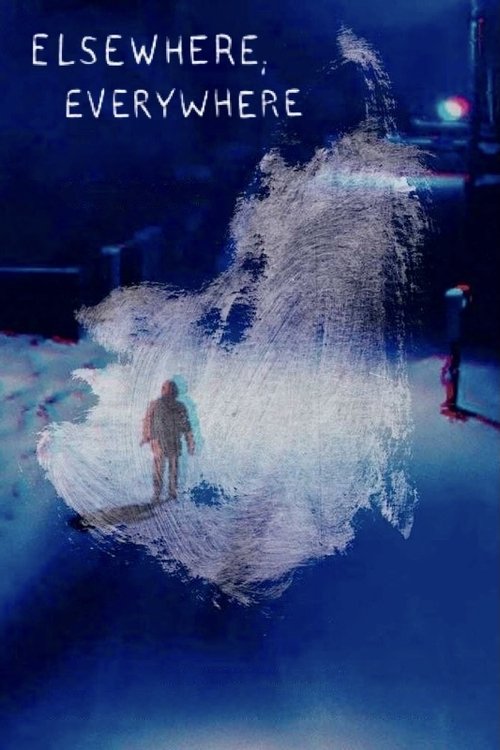
A computer screen, images from the four corners of the world. We cross borders in one-click while another trip’s story reach us in bits, through text messages, chats, phone conversations, and an immigration office’s questionnaire. It’s the journey of Shahin, a 20-year-old Iranian boy who, fleeing his country alone, lands in Greece, then winds his way to England where he claims asylum.
Elsewhere, Everywhere
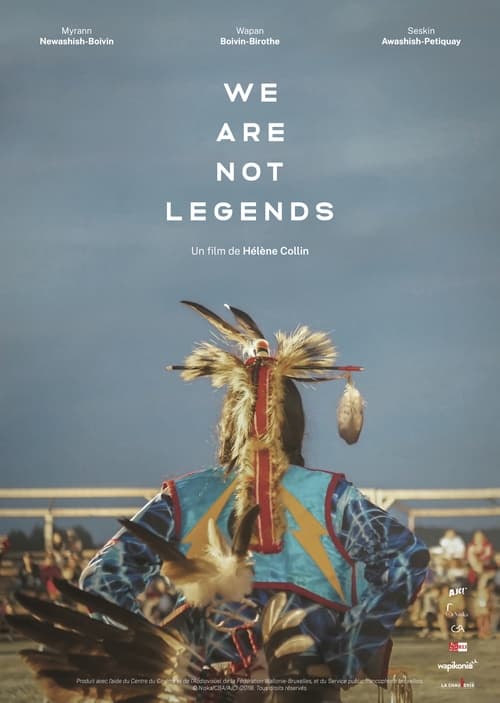
What is it like to be young and grow up on a reserve? Focussing on music lessons, the film reveals the complex relationships that Indigenous youth can have with their “white” teachers. How can two cultures come together? A question the film asks, while inviting us into the private worlds of three Atikamekw teenagers, Myrann, Wapan and Seskin, who are trying to build their future and find a place in this world.
We are not legends
12 August 2002 is the date which was printed on every shot in this film by the memory of the camera. On that day a huge tower which disrupted the north wing of an abandoned castle was torn down, floor by floor. The film is a record of the methodical disruption of this building by inhuman and all-powerful machines. The voice-over consists of a phone call by the author John Berger (1926), who has written numerous and radical opinion pieces in favour of the people of Palestine.
12.Août.2002

Melrick is an unruly young boy who spends his summer in French Guiana at his grandmother's house to escape his turbulent daily life in Stains, France. At the end of his stay, he plays the drum to revive the memory of his late uncle, Lucas Diomar, who died in tragic circumstances. Despite a wave of murders of young men shaking the headlines, Melrick becomes aware of his place in a family destroyed by irreparable grief.
Listen to the Voices

In 1772, Englishwoman Mary Delany wrote to her niece: “I have found a new way of imitating flowers.” The imitation in question was the art form called decoupage, based on cut-outs and reshuffling of pictures. The charm and botanical precision of these works attracts attention of even today’s artists, among others by an anonymous programmer who is trying to invent a way of capturing the flowers’ vivacity in pictures. With this aim in mind, she has created an algorithm, which would combine science and beauty, similarly to Delaney’s efforts, whose illustrations it is meant to animate.
Algorithms of Beauty
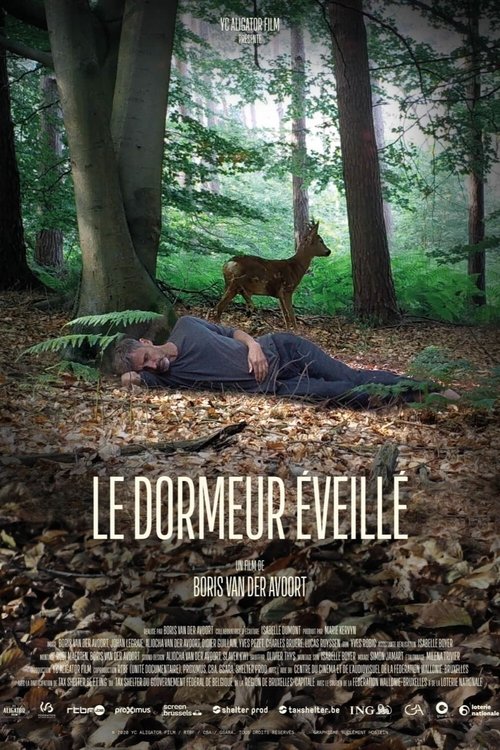
B., a film-maker and insomniac, decides to rescue his hours of insomnia from the void by filming his quest for sleep. The insomniac asks questions about these different states of consciousness and about the difficulties humans have in synchronising their social rhythms and biological ones.
The Wakeful Sleeper
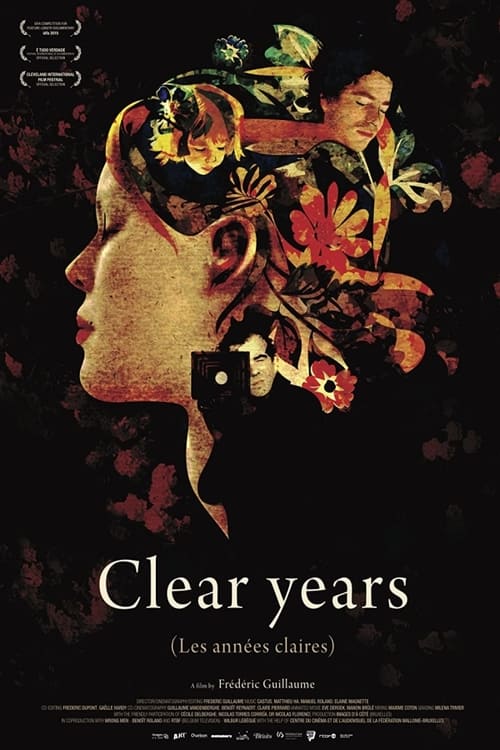
I wasn’t told. I wasn’t told it would be so difficult to live together. To keep a family together. To maintain love and happiness. I wasn’t told, and if someone had told me I wouldn’t have listened. I chose to live with my camera in my hand, filming the trajectory of feelings, from the golden age to the lost paradise, from being born to being reborn.
Clear years
No description available.
À contretemps
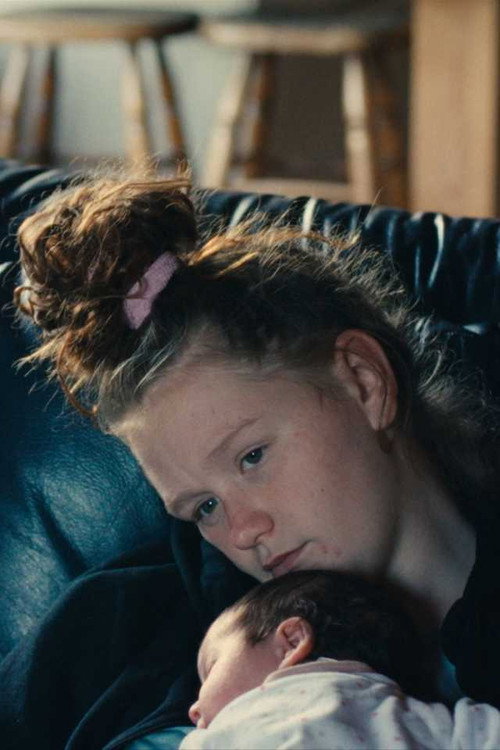
No description available.
Grandir
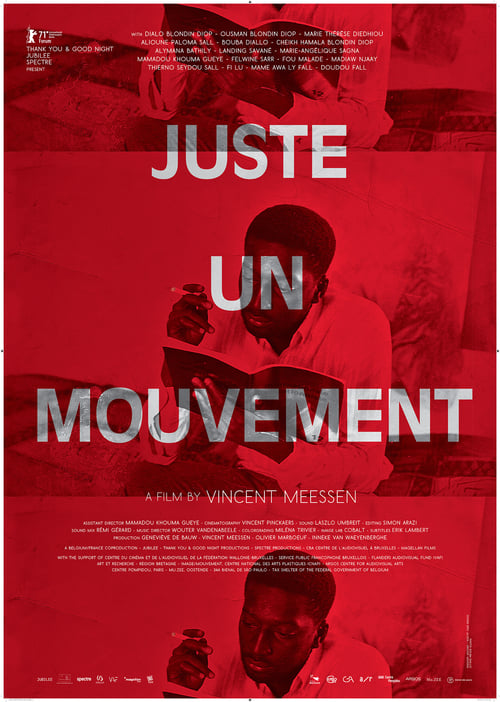
Juste un Mouvement is a free take on La Chinoise, a Jean-Luc Godard movie shot in 1967 in Paris. Reallocating its roles and characters fifty years later in Dakar, and updating its plot, this new version offers a meditation on the relationship between politics, justice and memory. Although not anymore alive, Omar Blondin Diop, the only actual Maoist student in the original movie, now becomes the key character.
Just a Movement
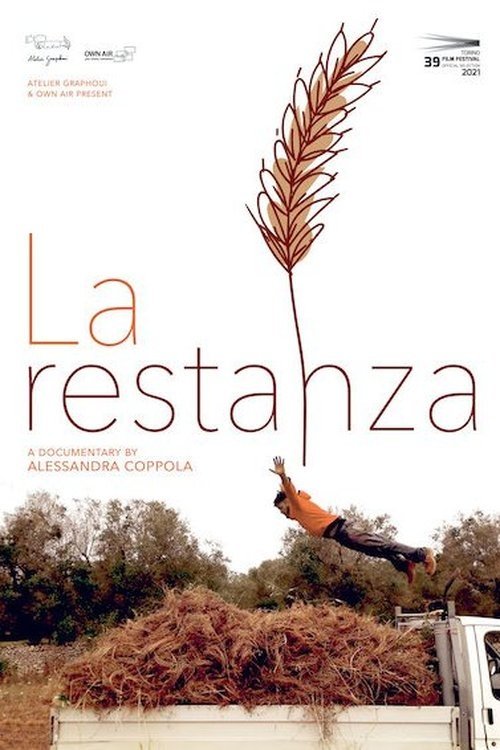
Castiglione d'Otranto, in the South of Italy. A group of thirty-year-olds no longer accept that the solution to the economic, ecological and political problems of the territory is always "to leave". They propose to the villagers who own pieces of uncultivated land, often felt as a burden, to put them in common. They decide to stay, to link their lives to the land and to invest in a value: being together. Castiglione becomes the village of restance. They cultivate ancient seeds and local biodiversity, they make decisions together, they develop a local economy. Accepting the shadows of the past, another potential of the place is rediscovered.
La restanza
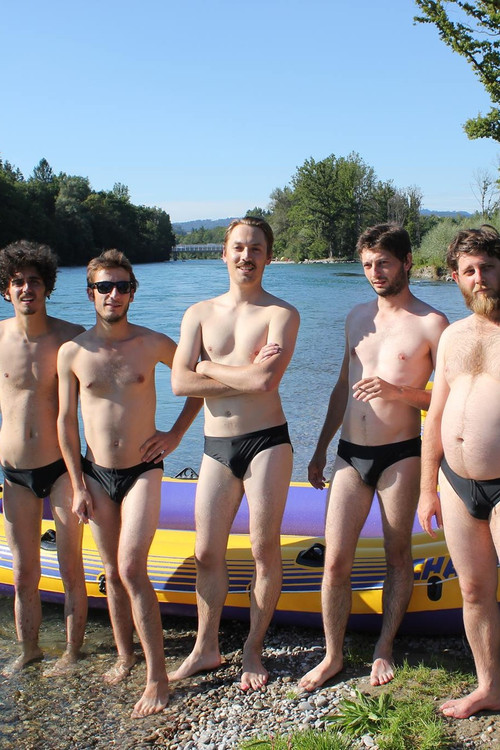
Five young men leave the french Atlantic shore to go on a music tour in a beat up old van. Aiming for Switzerland and taking every opportunity to swim, they keep close to rivers and lakes. Their meandering journey leads them into Eastern Europe, meeting musicians and discovering ancestral links between improvisational music and the transmission of folklore in a brave new world dominated by mass media culture. A testimony of August 2011 in Europe and how to recycle songs and cinema history without using the usual maps.
Water Music
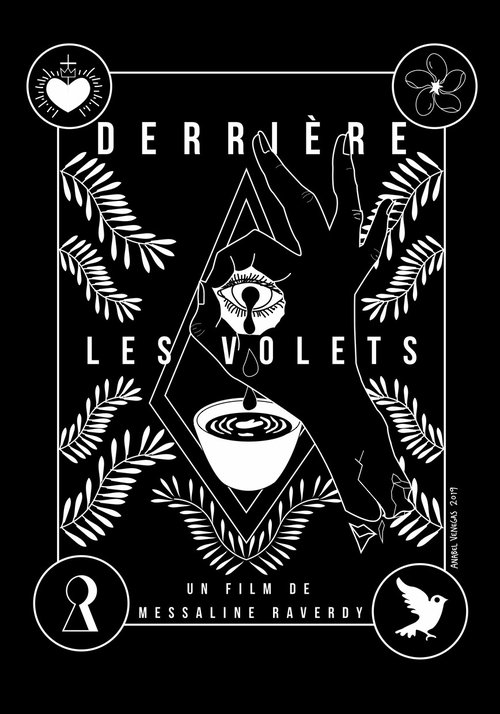
The doors of the abandoned Raverdy coffee and chicory factory remain closed, just like everything around it. The director – herself a descendant of the Raverdy family (and expecting her first child) – goes in search of the stories behind this sealed-off part of the city. She moves in with her 91-year-old grandmother, who lives over the road. Piece by piece, she is able to reconstruct events leading up to the factory’s closure, using old photos, advertising brochures, myths, language games, conversations with her grandmother and former female factory workers. These memories unfold through different storylines. The factory’s surroundings are explored through a poetic film style, and the history of the nunnery next to the factory is also revealed. This sensitive film is a reflection on the invisible and the forgotten, revolving around women and the changing body.
Behind the Shutters

In Chile, glaciers are melting, forests are burning, inequalities are growing, social revolt is roaring... Between reason and desire, Camila's thoughts waver: can she give birth to a child in this burning world?
Volcan
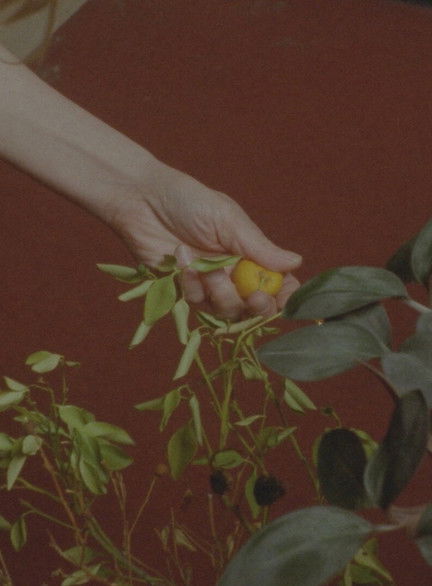
Three women reflect on art creation, immigration, and their own mother-daughter relationships: relationships cut short, relationships evolving, relationships to treasure. Following insights of independent experiences of love and loss, they unite in one space to celebrate a new chapter of life and friendship.
Barefoot Birthdays on Unbreakable Glass
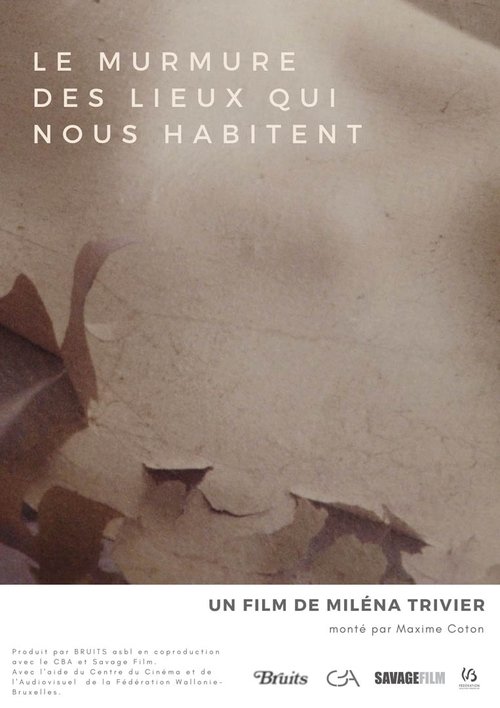
How can we keep Anne’s memory alive forever? To fight against inexorable oblivion, the filmmaker builds an imaginary house in which each room is inhabited by a memory of the absent woman, then she invites us inside her palace of memory. We then go through deserted rooms that are filled with stories… From the room to the kitchen, sometimes, the voices break, hesitate, overlap. But in the mess of memory, will it be possible to distinguish Anne’s voice? From this search for a lost path, the film opens and draws an offbeat, emotional portrait of the memories that inhabit us all.
Le murmure des lieux qui nous habitent

Goujons 59/63 is a chronicle of life and cohabitation in a social housingblock, in the company of people attached to where they live, social workers that attempt to plug the gaps and of the concierge, a central figure of this world to which he holds all the keys.