Leo Gandelman
Sound
Known For

No description available.
Vamos Tocar

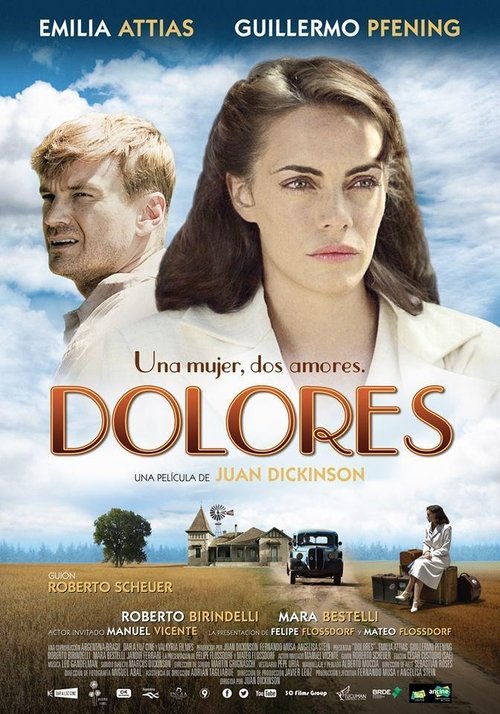
DOLORES tells the story of a young woman of Scottish descent who returns to the Argentine pampas after her sister dies, to take care of her eight-year-old nephew- but drawn also by the juvenile love she still feels for her English brother-in-law, Jack. Her love story develops in the context of the onset of World War II: while the echoes of war get ever closer, the dispute between Germans and Anglos turns personal when Dolores is seduced by a neighbouring landowner of German descent, Octavio Brandt- he becomes an unexpected love, and from now on Dolores is torn between Octavio and Jack, as Argentina changes for ever. In a society dominated by men, Dolores must now also forge her unique destiny.
Dolores

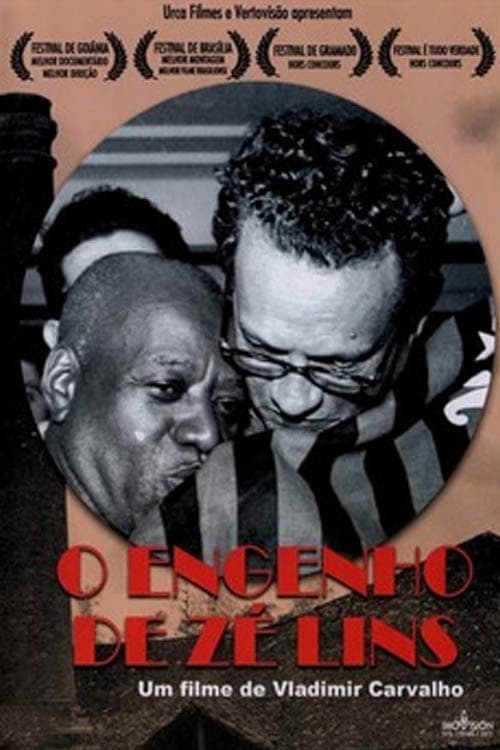
Documentary on the life and work of José Lins do Rego (1901-1957), one of Brazil's greatest 20th century literary authors, writer of celebrated novels "Menino de Engenho", "Fogo Morto", "Moleque Ricardo", "Riacho Doce" and many more.
The Spirit of Zé Lins

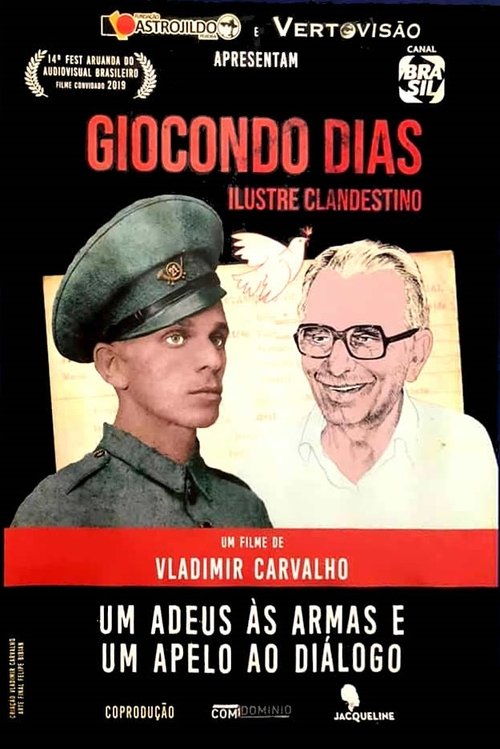
The documentary portrays the life of Bahian communist leader Giocondo Dias, the left-wing activist who lived two thirds of his life in hiding and led the PCB party as general secretary.
Giocondo Dias – Ilustre Clandestino

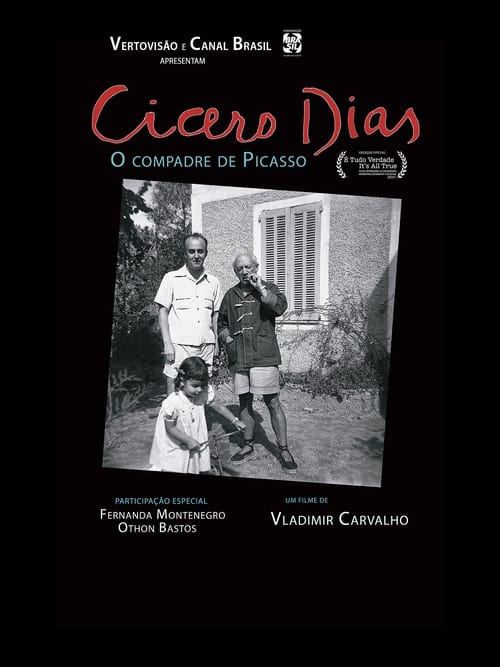
The Pernambuco painter Cicero Dias created an unparalleled art for the world. Close to a modernist and influenced by artists such as Pablo Picasso, Fernand Léger and Joan Miró, he marked the history of Brazilian art.
Cícero Dias, o Compadre de Picasso

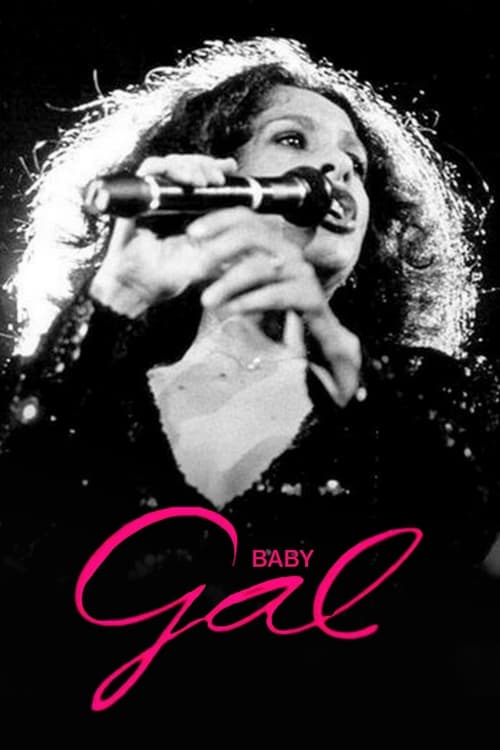
Gal Costa performed at the Ibirapuera Gymnasium in São Paulo for four consecutive nights. The "Baby Gal" special aired on Rede Globo on December 16, 1983, and served as the basis for promoting the self-titled LP, which would only be released a week after this year-end special.
Baby Gal

No description available.
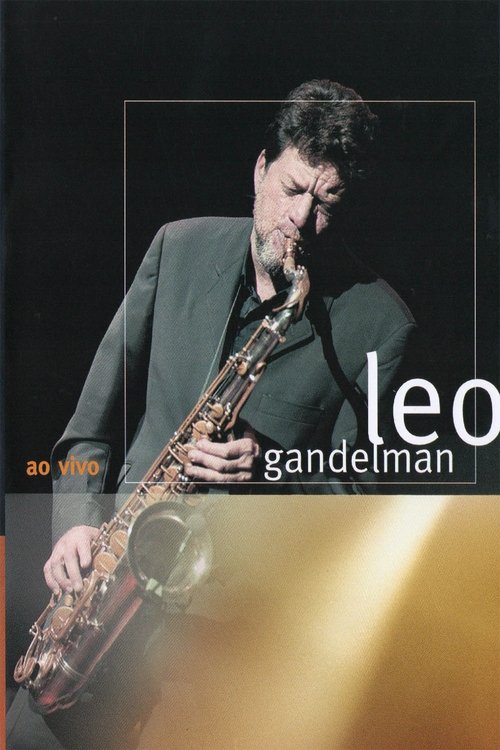
Leo Gandelman: Ao Vivo

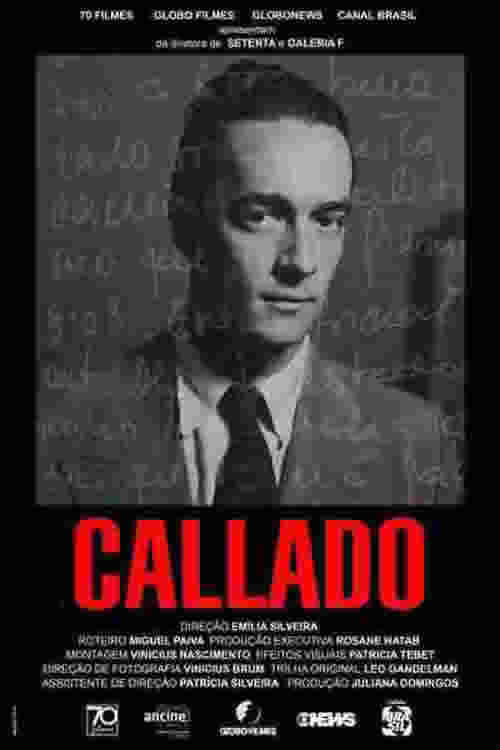
A celebration of the centenary of the writer, journalist and democracy activist Antonio Callado. The documentary describes the life story and works of this writer who always sought to understand Brazil. In the early days, he believed in the myth of a country focused on its origins, on the Indians and the fight for freedom. Afterwards, he recognized that he had lived a useless passion and became disenchanted. But his work has the characteristics of a continuous account of the struggles of the common man, in search of love and a better life.