Acting
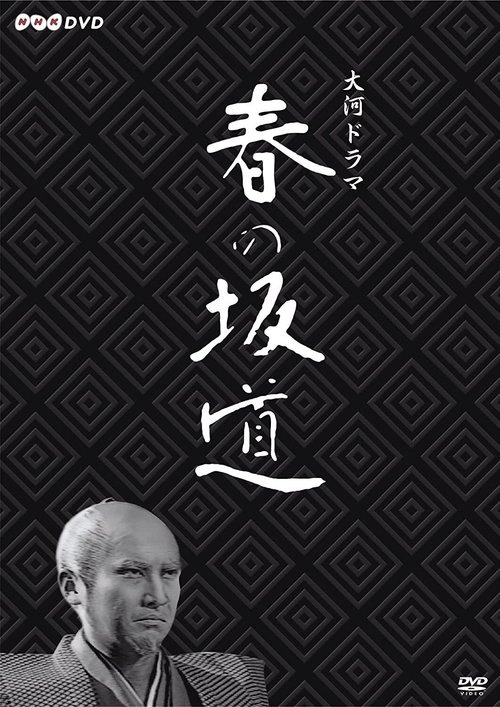
The story chronicles the life of Yagyū Munenori.
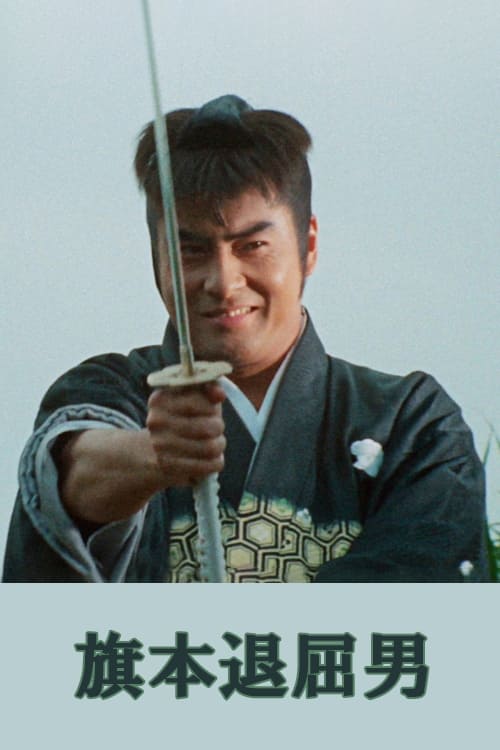
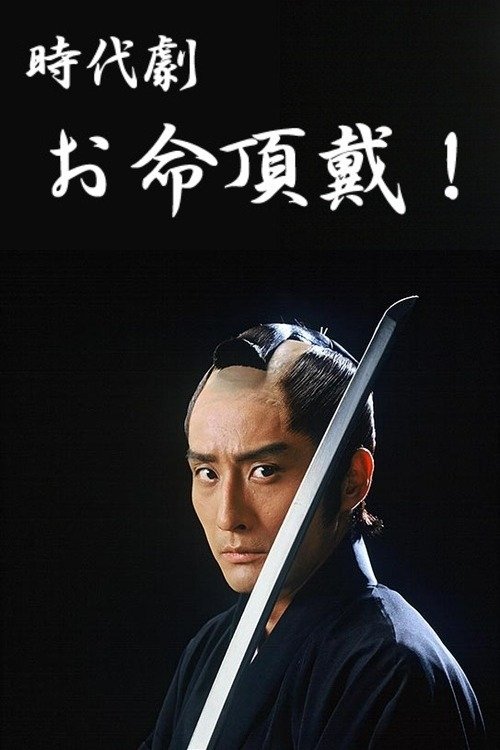
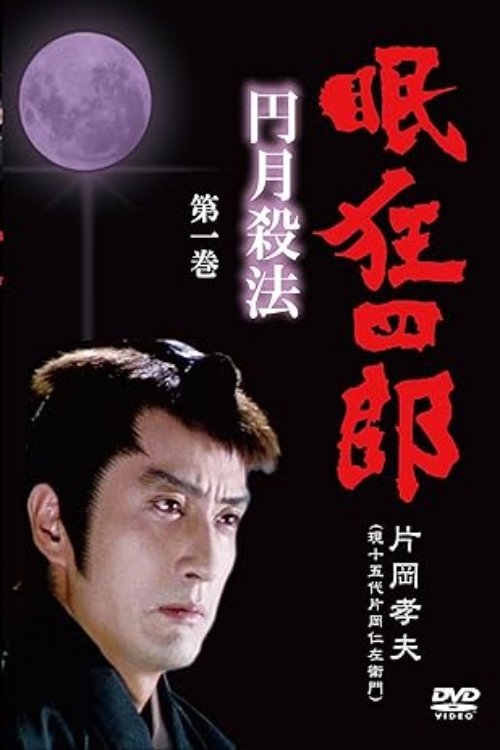
Saotome Mondonosuke, "Hatamoto" (direct servant of the shogun), a handsome man with a scar on his forehead in the form of a crescent moon, a favorite of the shogun. He is a master of martial arts, who owns the style of Moroha-ryu seigan-kuzushi (fencing), Yoshin-ryu tai-jutsu (the art of fighting without weapons) and even military science, but in the era of Genroku (1688-1704) all these skills are not in demand, and this brings boredom to Mondonosuke. To dispel boredom, this so-called "bored gentleman" walks around the city, and when he hears about some incident, he rushes to the place and defeats evil with his invincible swordsmanship. Mondonosuke has a 17-year-old sister, Kikuji (Yukiko Kashiwagi), and Kikuji's lover, Kirishima Kyoya (Takao Kataoka), becomes his right hand.
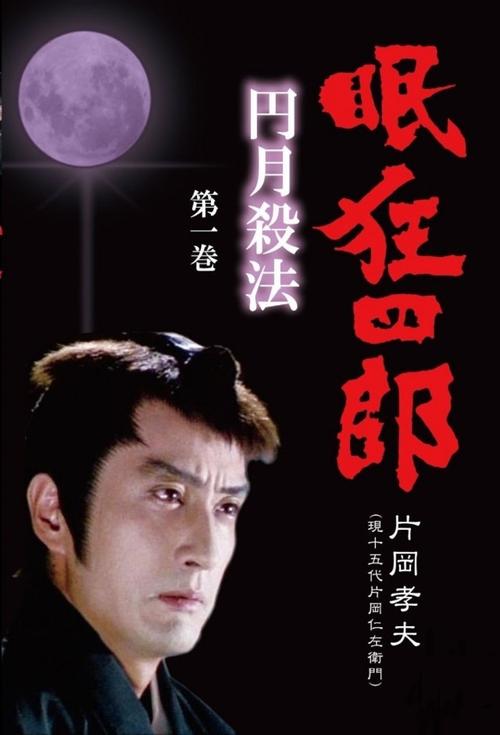
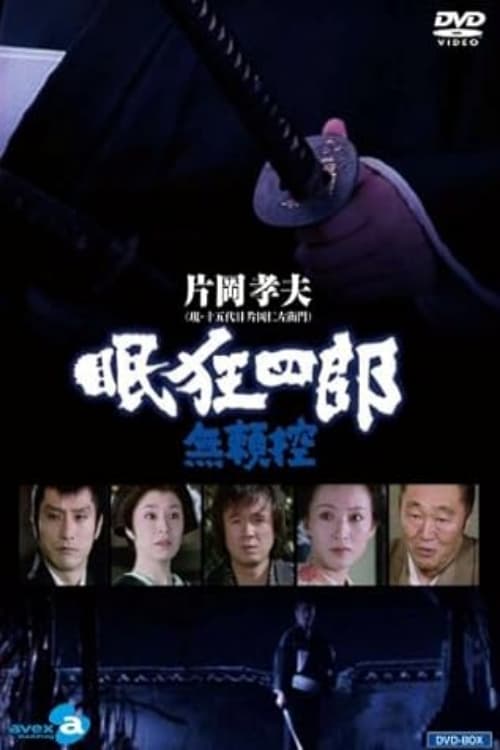
Starting out in Edo, as Kyoshiro travels west toward Kyoto, he encounters some of the most dangerous obstacles in his career. Signs that the Tokugawa shogunate was vulnerable began to appear during the reign of 12th Shogun Ieyoshi. The Satsuma and the 13 Western non-Tokugawa lords began to act in suspicious ways. Minister Takebe, under orders from shogunate councilor Mizuno, attempted to quash this unrest. Nemuri Kyoshiro, a loner headed west, unwittingly becomes involved in the struggle.
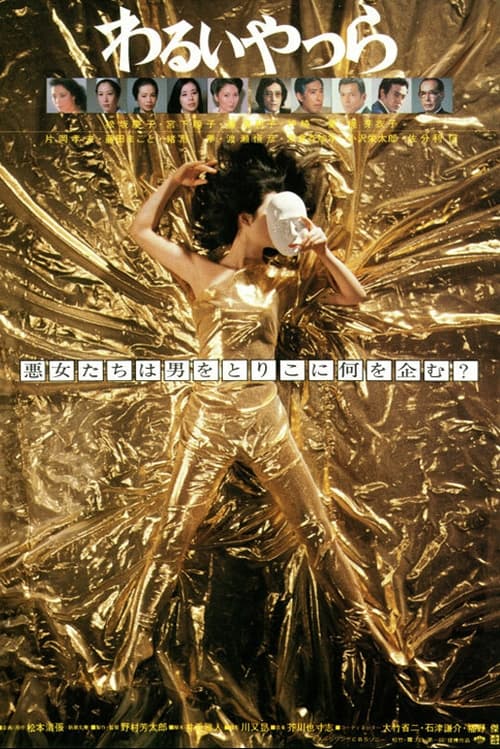
A selfish playboy uses rich women to pay off his debts. Divorcing his wife and marrying the woman he loves throws him into a spiral of destruction.
The protagonist, Naito Samon, was secretly ordered by Tokugawa Ieyoshi, the 12th Shogun of the Tokugawa Shogunate, to begin a new era of reform by fighting evil in various disguises with his minions.
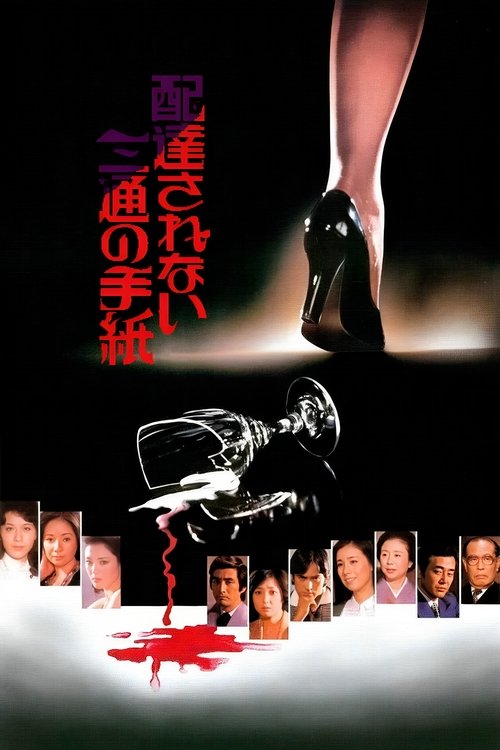
A young Japanese-American man arrives at his grandmother's old hometown in Yamaguchi, begins to stay at her family's elite but dysfunctional household, and gets entangled in a sinister plot of murder.
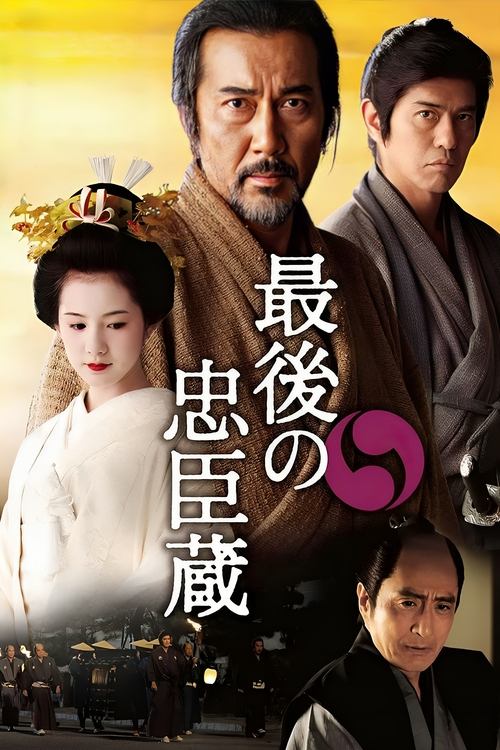
16 years after the fateful "revenge of the Forty-seven Ronin," involving samurais from the Ako domain who avenged their leader and then commited seppuku (ritual suicide), the sole survivor of that incident, Kichiemon Terasaka (Koichi Sato) traverses the country on a mission. His purpose is to find the families of the fallen samurais and spread the truth of the ronin uprising.
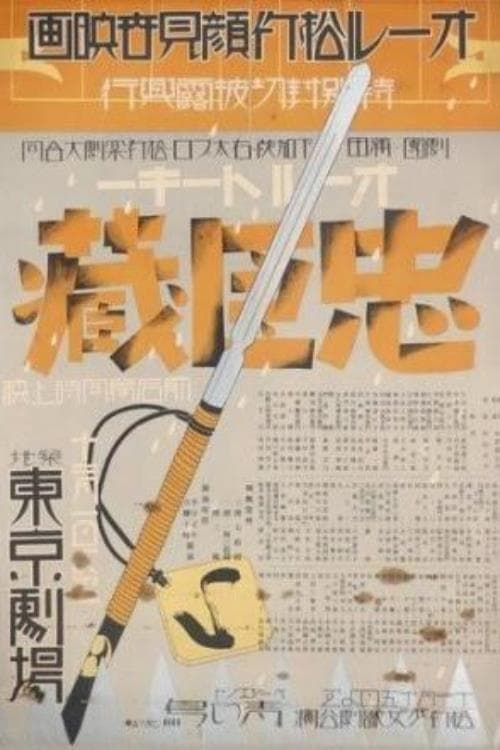
This 1932 adaptation is the earliest sound version of the ever-popular and much-filmed Chushingura story of the loyal 47 retainers who avenged their feudal lord after he was obliged to commit hara-kiri due to the machinations of a villainous courtier. As the first sound version of the classic narrative, the film was something of an event, and employed a stellar cast, who give a roster of memorable performances. Director Teinosuke Kinugasa was primarily a specialist in jidai-geki (period films), such as the internationally celebrated Gate of Hell (Jigokumon, 1953), and although he is now most famous as the maker of the avant-garde silent films A Page of Madness (Kurutta ichipeji, 1926) and Crossroads (Jujiro, 1928), Chushingura is in fact more typical of his output than those experimental works. The film ranked third in that year’s Kinema Junpo critics’ poll, and Joseph Anderson and Donald Richie noted that 'not only the sound but the quick cutting was admired by many critics.
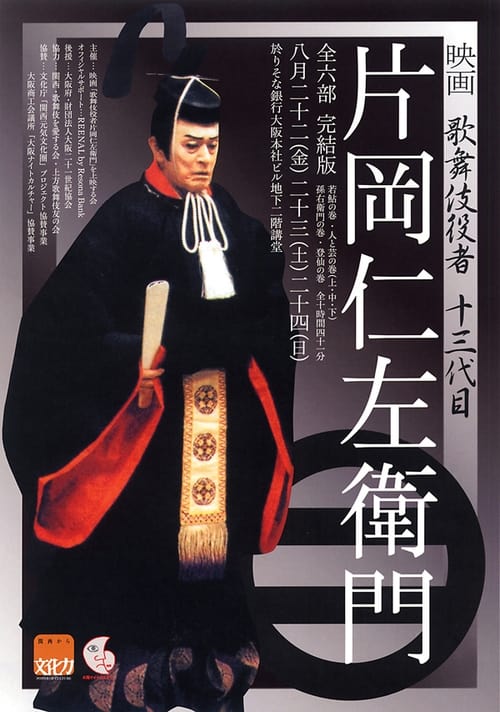
Documentary film from Japan.
No description available.
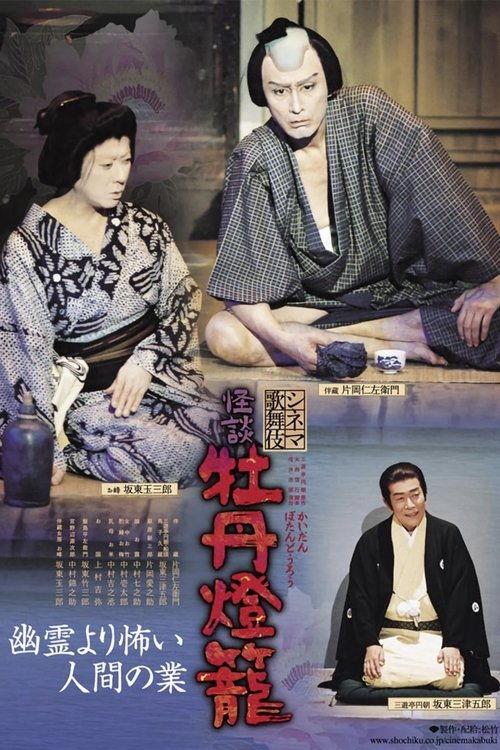
Kabuki performance of the story “Peony Lantern”.
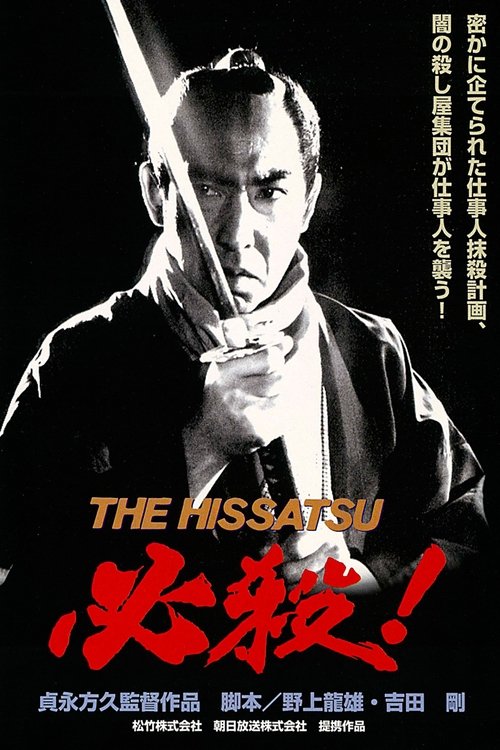
A group of seemingly ordinary merchants is really a band of assassins for hire. When they discover that all the assassins in Edo are being killed they must act quickly to find the culprit.
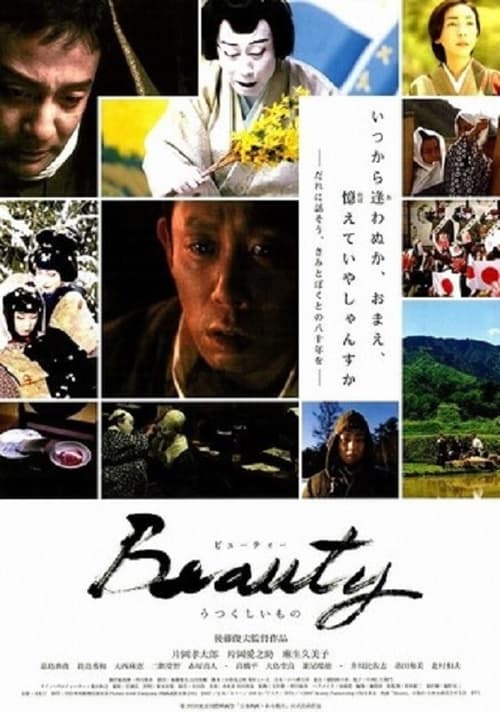
Set in a small Nagano village in the 1930s, the film follows Hanji, a young boy captivated by a local kabuki performance. Inspired by Yukio, Hanji learns kabuki with Utako. As they grow, they become skilled actors, performing in a final kabuki before World War II. After the war, Hanji returns to revive kabuki and restore the community’s spirit. In the 1980s, as he nears death, the villagers organise a final performance in his honour, where he performs “Tenryu Koishibuki” for Yukio.
This special chapter of "Mysterious Thirteen Nights" series was never turned into a videogram, but was broadcast on television.
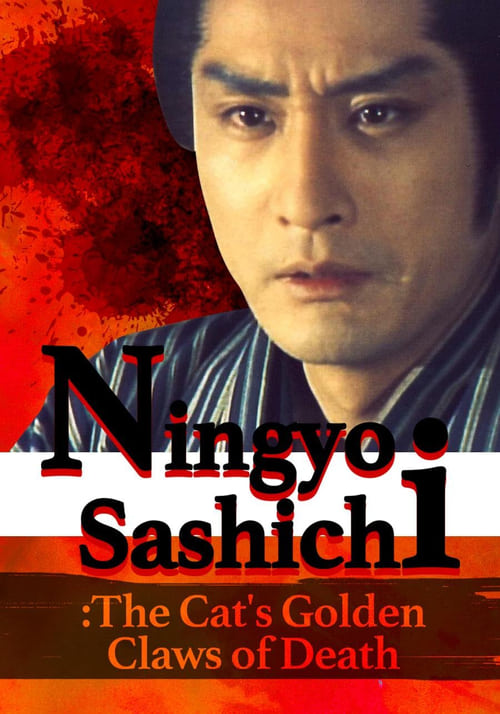
Sashichi is a dapper and handsome man. He is called a doll Sashichi because he is "a nice man like a doll." On top of that, he is a considerable young boss. This is a story in that Kanda solves the murder spree in Edo where a famous boss of Otamaga pond, Sashichi lives in.