Ottokar Runze
Directing
Known For

The Bambi, often called the Bambi Award and stylised as BAMBI, is a German award presented annually by Hubert Burda Media to recognize excellence in international media and television to personalities in the media, arts, culture, sports, and other fields "with vision and creativity who affected and inspired the German public that year", both domestic and foreign. First held in 1948, it is the oldest media award in Germany. The trophy is named after Felix Salten's book Bambi, A Life in the Woods and its statuettes are in the shape of the novel's titular fawn character. They were originally made of porcelain until 1958, when the organizers switched to using gold, with the casting done by the art casting workshop of Ernst Strassacker in Süßen.
Bambi
Annual awarding of the Grimme Awards.
Grimme Award
A confident and attractive woman takes on the challenge of her life. Energetic and resourceful, she ensures that her bankrupt husband is freed from his debts; at the same time, she realizes her dream of making her first film.
Linda
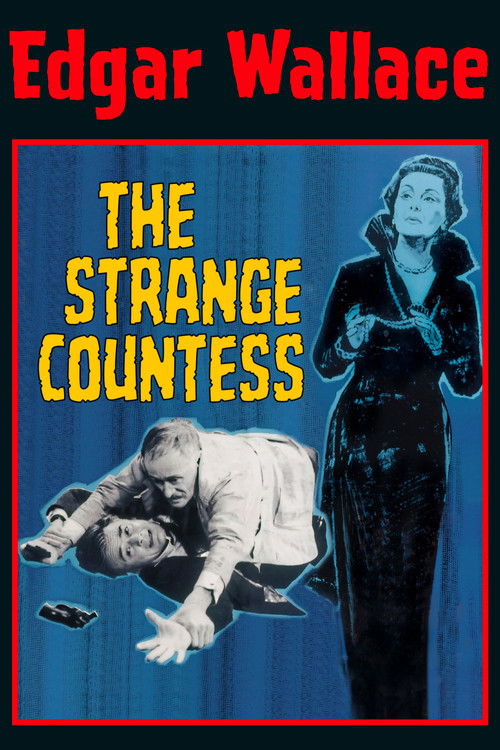
Strange fortune hunters are behind a girl's murder in this Edgar Wallace tale.
The Strange Countess
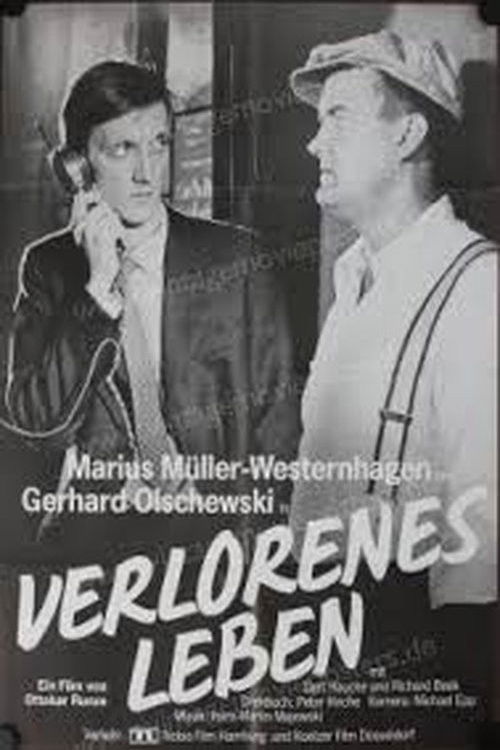
In this docudrama, police in the countryside near Berlin attempt to trick a confession out of a Polish guest worker for the 1927 murder of an eight-year-old girl.
A Lost Life
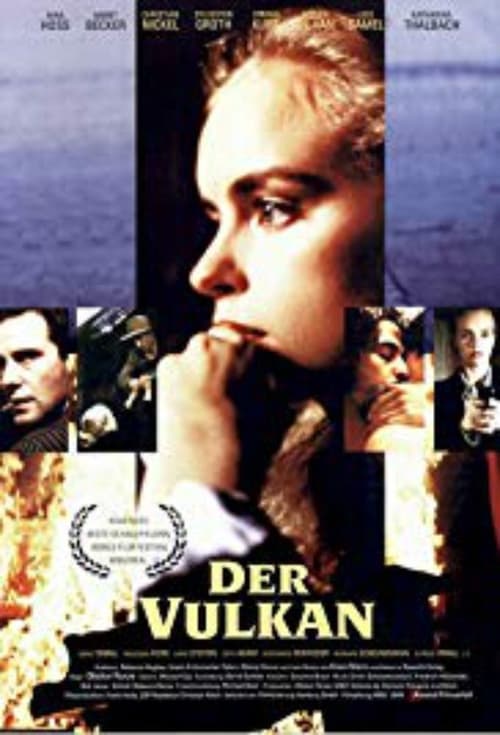
A singer flees from Nazi Germany, travels to Paris and befriends a young writer, his lover and a professor.
The Volcano

The harmless Berlin taxi driver Herbert Boeckmann has a bad day: Three mysterious gentlemen put the corpse of Boris Stravinsky, a Russian economist, into the car. Unsuspecting Herbert brings the "passenger" to East Berlin. There Boeckmann falls into the clutches of the KGB, who considers him a top agent of the CIA. As Herbert eventually returns to the western part of the city, the CIA waiting for him to be the taxi driver again suspected of being a top agent of the KGB. To prove his innocence, Herbert must find the real killer of Stravinsky. Herbert is given mysterious vials to which he sniffs in extreme situations, helping them not only to amazing powers and unsuspected abilities. As Super Agent "Herbie Melbourne" mixed Herbert on the agent scene. But between the lines he gets in the line of professional killer.
Non Stop Trouble with Spies
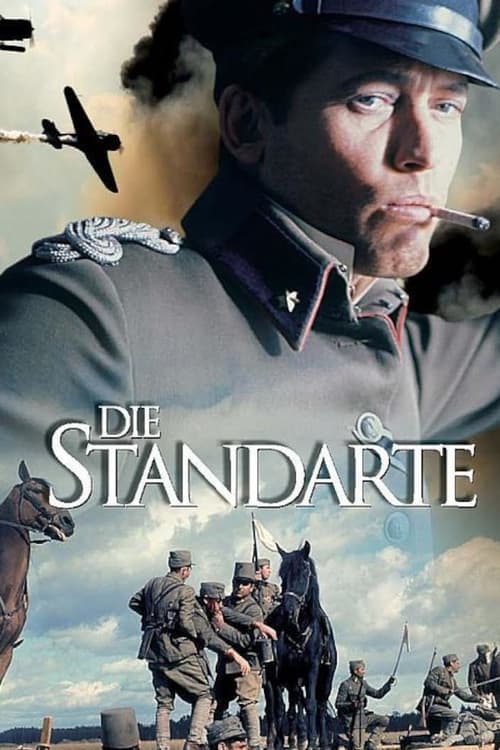
During the final days of the First World War, Officer Menis does his duty in defending the battle flag of the defeated Austro-Hungarian empire, while his fellow troops, a motley gang recruited from several different countries not loyal to the royal family, simply try to survive by any means possible.
The Standard
Kerstin, daughter of a Stasi officer, escaped East Berlin life but is pulled back when her father secretly manipulates her career. After the Wall falls, she and former West programmer Reginald use forged documents and hidden cash to build new identities and jobs, but old loyalties, secret pasts, and resurging temptations threaten their fresh start.
Goldstaub

A doctor goes to meet a beautiful girl at a park bench near a wooded area. When he arrives, he finds her battered body lying next to a stream! He then finds himself to be the prime suspect. Who's the killer?
Confess, Dr. Corda
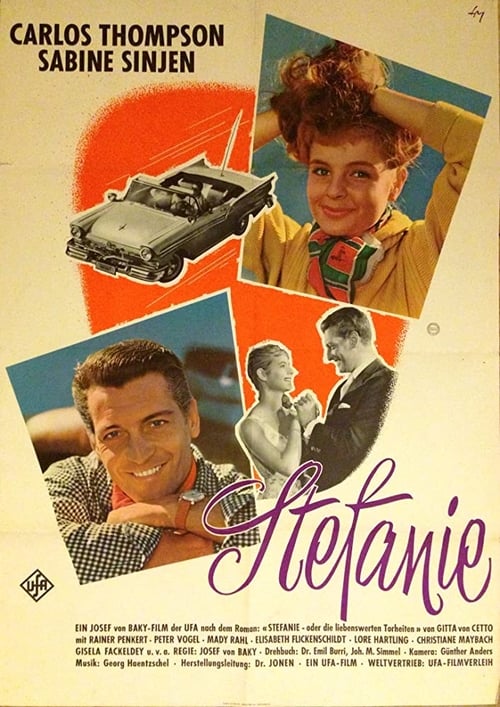
Stefanie is flirting with an architect from Rio who could be her dad.
Stefanie
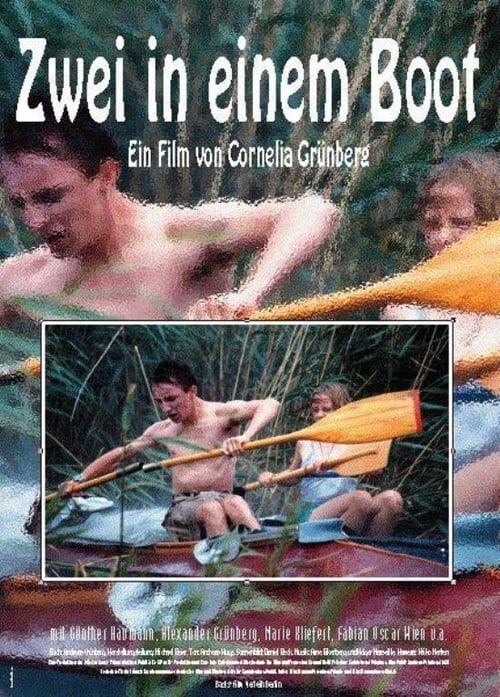
Three children and their Grandpa are on a kayak-outdoor trip in the middle of nowhere, when their Grandpa suffers a heart attack in the wilderness - to rescue themselves and their Grandpa the children have to help themselves and fight their way back to civilization.
Two in a Boat
At night, a violent confrontation between a pimp and a Greek guest worker takes place on Hamburg's Reeperbahn, resulting in the latter's death. In the subsequent trial before a jury, contradictory statements make it difficult to decide whether this was an intentional act or an accident.
Knife in the Back
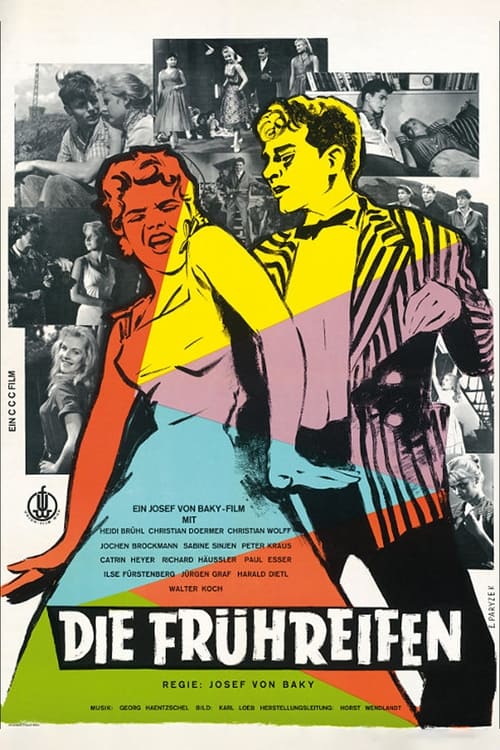
Inge works in a department store as a saleswoman in the women's fashion department. She suffers from the cramped conditions in her parents' house, where they save money because her choleric father, a miner, dreams of owning his own house in the country. She despises life in the Ruhr area where the air is always sooty black and she is dissatisfied in her relationship with the miner Wolfgang. A sudden change occurs when her boss organizes a fashion show in the department store. He personally selects a group of female employees and sales assistants to appear as mannequins. Inge is praised for her figure and appearance and is even allowed to present the wedding dress at the end of the fashion show. Wolfgang wants to surprise her after the fashion show: he has also bought a motorcycle for her (on credit). Inge is short-tempered, however, as she and the other mannequins have been invited to a party at his house after the fashion show by the well-off Günther...
Die Frühreifen

Mrs Bartolotti doesn’t really like children. She is therefore completely taken aback when she receives a son in the post: Konrad. Konrad is actually delivered in a tin! He is dreadfully tidy and almost perfect and Mrs Bartolotti is very chaotic. She actually becomes so fond of him, however, that she never wants to let go of him again, even if the weird people from the tin factory are already looking for him...
Conrad: The Factory-Made Boy

By coincidence, a couple who have just fallen in love are targeted by the Russian mafia, who have made a deal with a shady Berlin businessman and a corrupt politician. When the young woman is kidnapped, her boyfriend sets off on a dangerous search for her.
Berlin - Moskau
When a squatted house in Hamburg is evicted, Else, a well-known vagrant, also has to look for a new place to live. Having separated from her family at a very early age and bequeathed part of her fortune to poor orphans in India, she makes her way to her sister, the owner of the house, and is forced to watch a failed bank robbery. The two gangsters, who fear Else's testimony and therefore take her into their power, devise a plan to accompany her and get their hands on her sister's fortune.
Feine Gesellschaft – Beschränkte Haftung
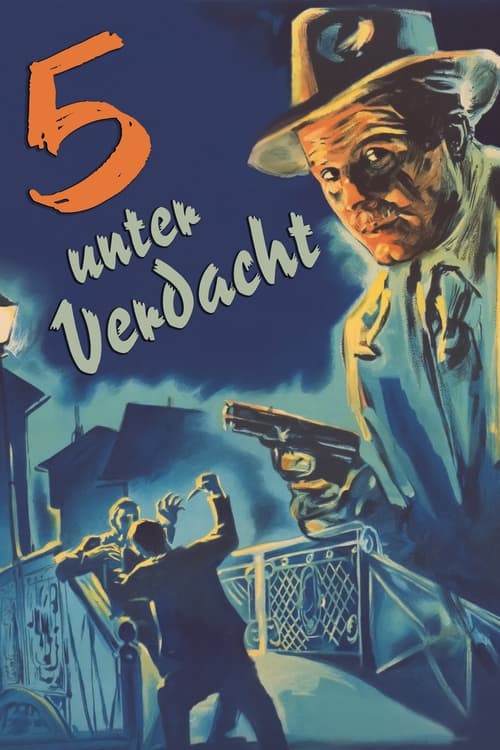
In the Danish port city of Belgesund, the caretaker of a private high school has fallen victim to murder. Detective Thomsen takes on the case and finds that behind the clean facade there are abysses. He has five suspects in mind: the teacher Berling, who is having a relationship with a student, the twin brother and sole heir of the murdered man, the murdered man's shady roommate, the primary school teacher Klaus Erikson and his brother Jakob.
City in the Fog
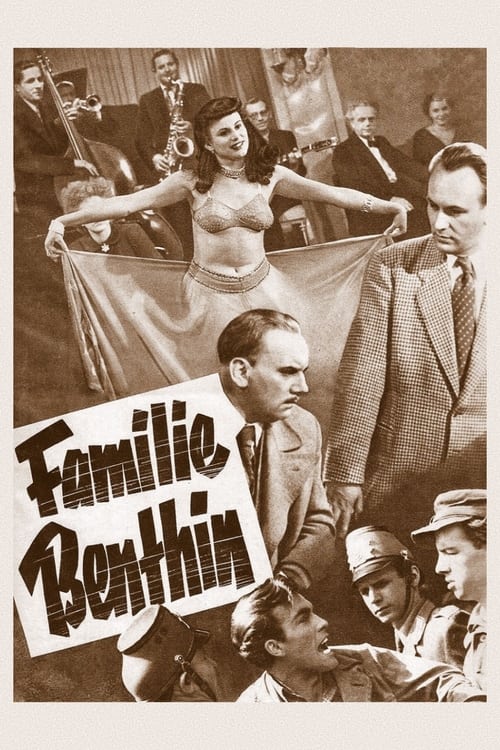
The brothers Theo and Gustav Benthin pull profits through smuggling in divided Germany: Theo in the West and Gustav in the East. The East German police catch on quickly, however, and Gustav is arrested. The small band of smugglers disperses, with Gustav’s chauffer Peter Naumann fleeing to the West and his sister choosing the East after struggling to find work and lodging in the West.
The Benthin Family
No description available.