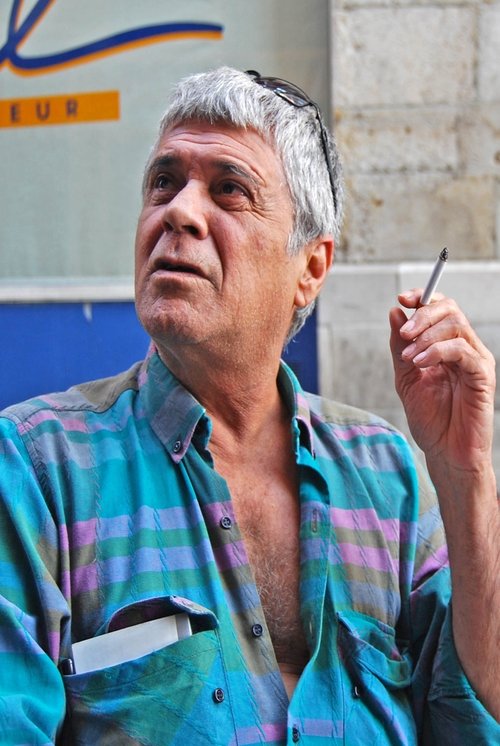
Manuel Sorto
Writing
Biography
Manuel Sorto (1950-2023) was a Salvadoran film director, editor, actor, and writer. He was a founding member of El Taller de los Vagos, a theater group that would grow into a primary force behind the Salvadoran guerrilla film movement.
Known For
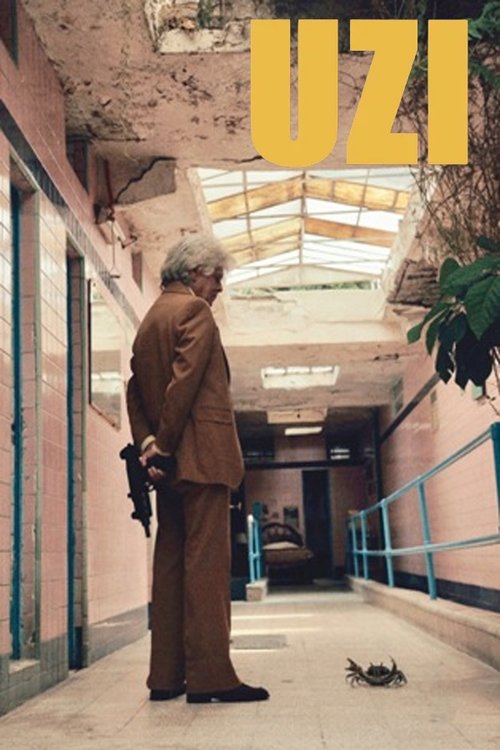
Uzi is the name of a firearm, but also is the diminutive of Uziel, who used to be a hitman in his youth. Now he lives crushed by guilt. His crisis deepens when he helps in a childbirth: the force of life fascinates him, and he does not understand how he was able to destroy it in the past.
Uzi
La Zona Intertidal was made at a time when terrorist acts from both state and paramilitary were the order of the day in El Salvador and shaped the global perception of the country. Instead of the agitprop montages that characterized the political cinema of Latin America in the 1960s and ‘70s, this film is dominated by a feeling of deceptive calm: a beach, lapping waves, a man reading in a hammock, two men in conversation... The violence that breaks into these scenes is hinted at more than it is depicted. Only a closing text panel dedicating the film to the murdered teachers of El Salvador establishes a clear political context. LA ZONA INTERTIDAL was shown at the Short Film Festival Oberhausen in 1982 and awarded one of the main prizes by the International Jury. The festival program listed a “Grupo los Vagos” as the author of the film, a four-member collective that had begun working together in 1969 as the theater collective Taller de Los Vagos and later switched to the medium of film.
Intertidal Zone
Filmed during the Salvadoran civil war, La luz que te decía documents the struggles of the country’s labor and trade union movement amid escalating political violence. Through strike footage, congress meetings, marches, and first-person testimonies, the film portrays a society marked by state repression, workers’ mobilization, and efforts to build national and international solidarity. The documentary pays particular attention to the strike of the National Water Authority workers (ANDA), featuring members of the SETA union who describe the causes of the protest, the repression they faced, and the survival strategies adopted during the conflict. Testimonies from other unions, grassroots organizations, and international labor groups broaden the film’s perspective beyond a single labor dispute.
La luz que te decía
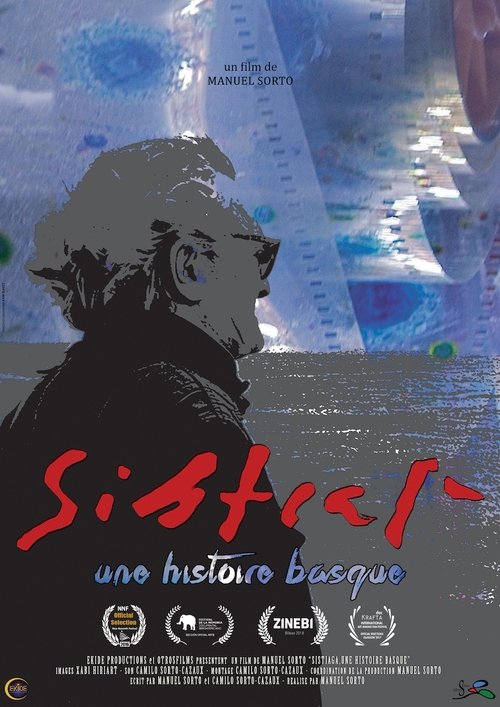
José Antonio Sistiaga is one of the greats in Basque contemporary art. Through lively exchanges begun in 1993 with his Salvadoran friend Manuel Sorto, we plunge into Sistiaga's intellectual intimacy and travel through a Basque history, following the steps of this experimental filmmaker and artist. This nearly two-decades-old project was taken up again in 2011, with the filming of the installation of Sistiaga's retrospective exhibition in San Sebastian, Basque Country, Spain.
Sistiaga, une histoire basque
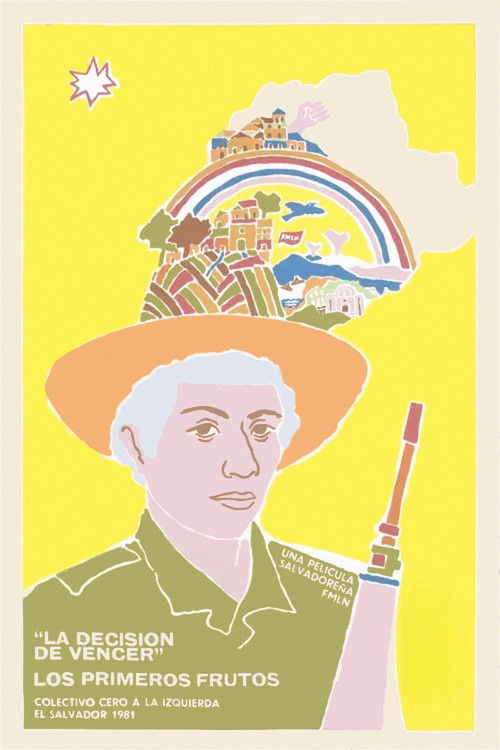
Filmed by Guillermo Escalón in July 1981, it shows daily life in territories under guerrilla control in the Francisco Sánchez Northeastern Front, Department of Morazán,