Acting
KVN is a Russian humour TV show and competition where teams compete by giving funny answers to questions and showing prepared sketches. The programme was first aired by the First Soviet Channel on November 8, 1961. Eleven years later, in 1972, when few programmes were being broadcast live, Soviet censors found the students' impromptu jokes offensive and anti-Soviet and banned KVN. The show was revived fourteen years later during the Perestroika era in 1986, with Alexander Maslyakov as its host. It is one of the longest-running TV programmes on Russian Television. It also has its own holiday on November 8, the birthday of the game, which KVN players celebrate every year since it was announced and widely celebrated for the first time in 2001.
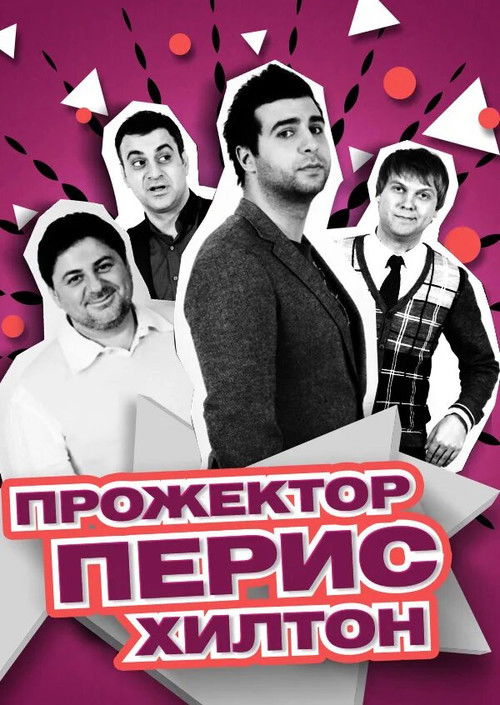
Four hosts discuss some current news and comment on different issues in politics and economics, similar to 7 Tage, 7 Köpfe. The show's name is a reference to the 80s TV program "Прожектор Перестройки" - a program that was discussing current events on Soviet television during the times of Perestroika - and American socialite Paris Hilton, who, according to Svetlakov, symbolizes lack of taste. Thus, the name of the show implies that this is a current events program that shouldn't be taken seriously.
No description available.
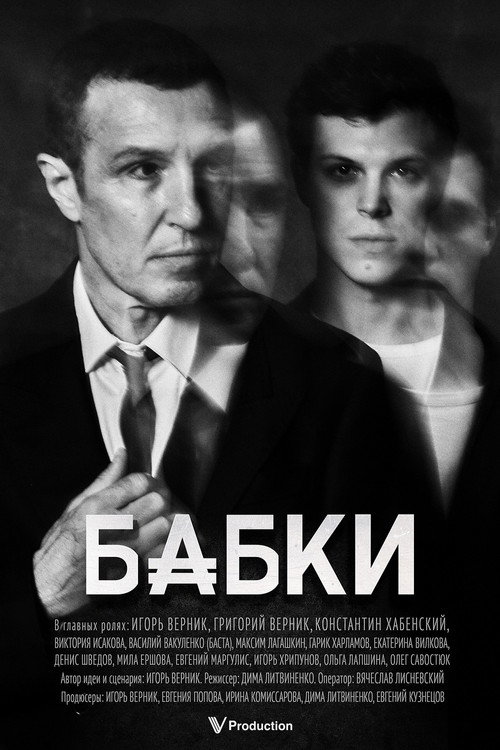
A father and son live in the same apartment, yet each leads his own parallel life. Matters come to a head when the son decides to leave home…
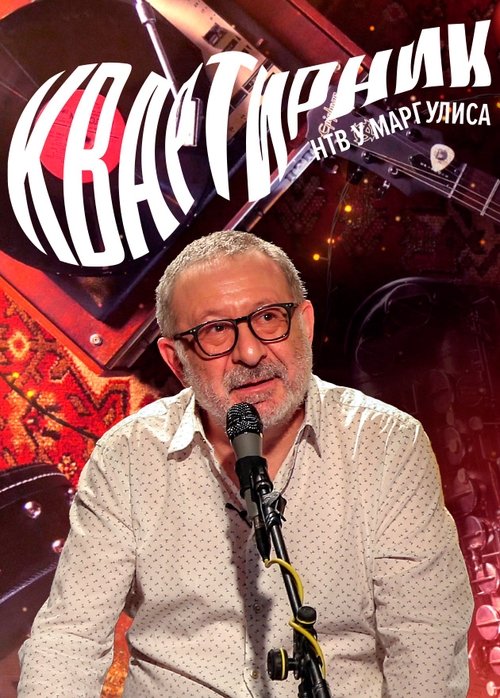
A documentary about the Soviet and Russian musician, singer, actor, director, poet, and translator Pyotr Mamonov.
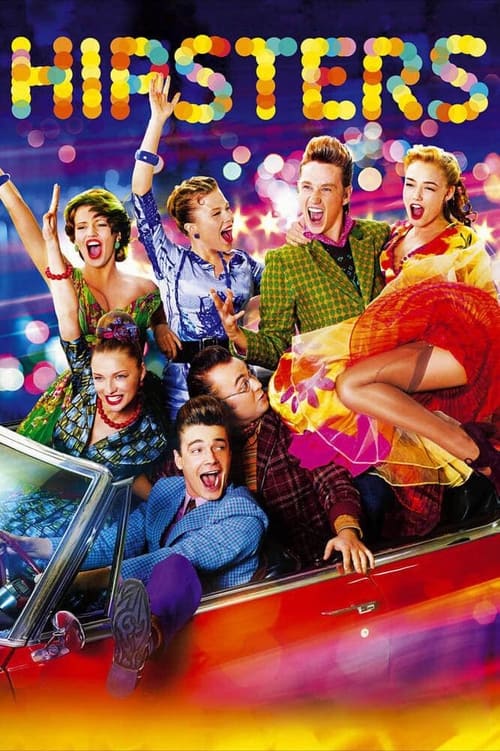
In this hit Russian musical, a group of friends flaunts Soviet authority in 1950s Moscow by embracing jazz. When Communist Mels falls for Polly, a free-spirited jazz fan, he risks losing his party membership by associating with her rebellious crew.
Having lost his wife in a plane crash, a man tries to find out the real reason for the disaster. Forced to sift through all the lies amassing around him, he temporarily foggets about his grief. He finds a flight crew who survived a crash and celebrates his rebirth with them. Suddenly moments of grief turn into a never-before-experienced flash of freedom for him. This illusion becomes a lulling trap in which he can relive the happiest moments of his life. What we can see on the screen is an ordinary life where simple things become rare and unusual, and where grief turns to joy. Daily routine to which he finally comes back after all shade in a contrast way the brightness of the recent events.
A short movie and university exercise about so-called "beat" — that is the name of nascent rock music in Soviet Union. It illustrates the difference between generation of sons and generation of fathers who do not understand the idea of this new culture. Featuring interviews with teenagers, adults and rock musicians. Rare videos of bands such as "Машина времени", "Рубиновая атака" and "Високосное лето".