Acting
No description available.
Polizeiruf 110 is a long-running German language detective television series. The first episode was broadcast 27 June 1971 in the German Democratic Republic, and after the dissolution of Fernsehen der DDR the series was picked up by ARD. It was originally created as a counterpart to the West German series Tatort, and quickly became a public favorite.
A 30-minute weekly cultural magazine program. The head of aspekte, Wolgang Herles, describes the program as follows: "For 40 years, "aspekte" has repeatedly set out to enrich television with cultural contrasts. "aspekte" understands culture not as the sum of facts and events, but as the taste, the sound, the rhythms of the times. It has proven itself as a journal of true luxury and fashions as well as an instrument of public education and information."
Der Kriminalist is a German television series produced by Monaco Film Hamburg, subsidiary of Odeon Film. Directors during the first season were Sherry Hormann and Torsten C. Fischer, during the second: Thomas Jahn, Jobst Oetzmann and Torsten C. Fischer.
Druck follows a group of friends in their teen life in Berlin and deals with daily and current events, like friendship, love and the search for their own identity. Every season centers on a new character.
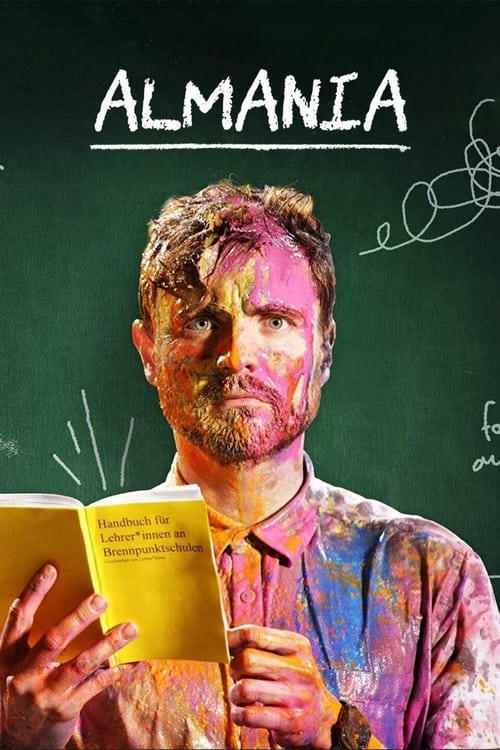
Shortly after taking on his new job as a teacher, Stimpel realizes this career is not as easy as he thought it would be. After having a bad start off with his students, Stimpels love life also changes.
Tafiti, a young meerkat, initially rejects friendship with Bristles, a bush pig. When his grandpa is bitten by a snake, Tafiti sets off to find the flower for the cure. Bristles wants to prove that adventures are always better with friends.
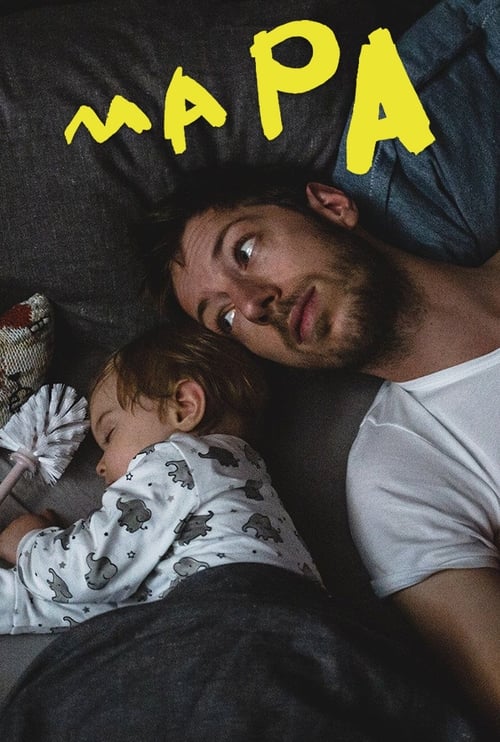
Metin is a young man who has lost his girlfriend and the mother of his baby daughter. A couple of month later at his 30th birthday he struggles more badly than tough everyday life as a single parent.
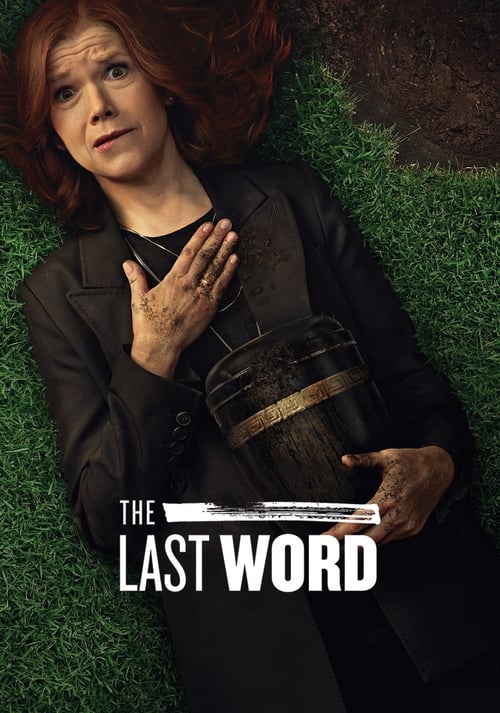
A story about a funeral eulogy speaker who loses faith in her work and tries to sabotage her husband's funeral.
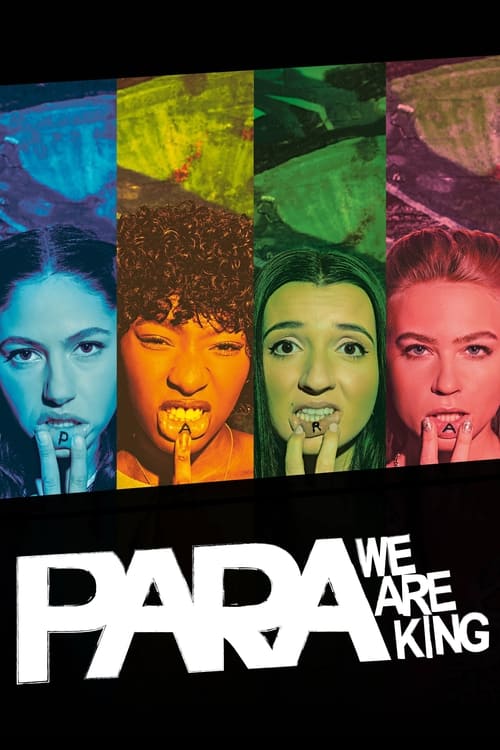
Sometimes, disaster is just one decision away from delight: Para - We are King, follows four young women in Berlin-Wedding searching for happiness in a world, in which light and darkness lie close together.
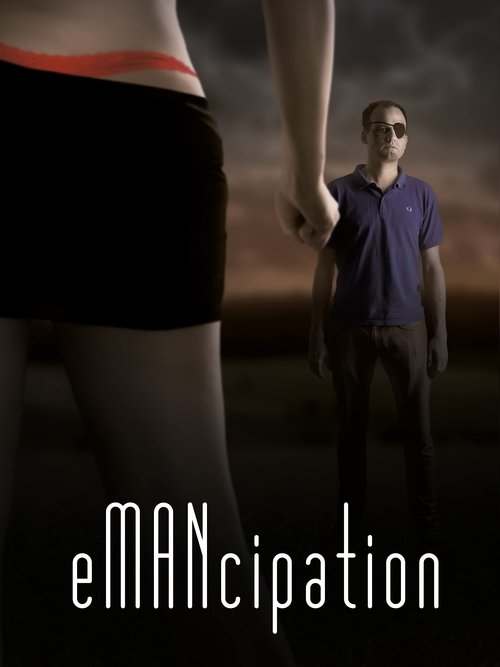
The story revolves around Dominik Liebmann: a man who has lost everything: His wife, son, job, house - even his pride. Financially and emotionally bankrupt he enters Berlins first and only "Männerhaus": a shelter for battered men. He meets Holger the director of the house and its members. After a psychiatric examination by the youth welfare office he has to participate in the Group Therapy Session of the "Männerhaus" in order to get custody for his son Dylan. After an initial resistance Dominik decides to participate and so the other members of the "Männerhaus" learn about Dominiks past... Director Philipp Müller-Dorn takes a daring and provocative look inside the world that very few men, out of embarrassment or retaliation, speak of: domestic abuse by their partner. In the dramatic film eMANcipation, ...
Lucy is tired of being the perfect mother. When a department store security guard searches her stroller, he finds more than he could ever have imagined.
“Emmett − Tief in meinem Herzen” (“Emmett – Deep in My Heart”) is a film with theatrical elements, telling the story of the 14-year-old Black teenager Emmett Till, who became the victim of a racist murder in Mississippi, USA, in 1955. This murder is considered the spark for the civil rights movement in the USA as well as a global, public-media confrontation with racism. Emmett’s story is not an exclusively Black or American story. Emmett had to die because he (allegedly) whistled after a White woman, while his killers were acquitted by an all-male, all-White jury, only to openly admit to the murder in an interview a short time later. “Cases like Emmett's are repeated in Germany and around the world. They affect us all – they are the stories of each and every one of us. Almost 70 years after Emmett Till’s murder, we live in a world that is still shaped by structural racism.