Acting
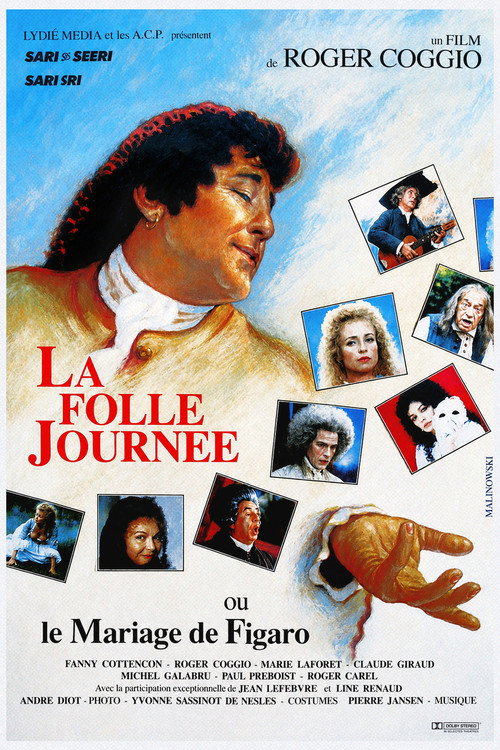
The Marriage of Figaro, an adaptation of Beaumarchais' play, depicts a veritable social and romantic battle on the day of Figaro and Susanna's wedding, as Count Almaviva attempts to seduce the young woman despite her impending marriage. Throughout this eventful day, servants and masters clash in a game of intrigue, disguises, letters, and misunderstandings, each trying to thwart the other's plans. Figaro, cunning and determined, refuses to be humiliated, while Susanna and the Countess join forces to foil the Count's intentions. Around them gravitate Cherubino, Basilio, Bartolo, Antonio, and Marcellina, who further complicate the plot by adding jealousies, misunderstandings, and unexpected twists. Little by little, the Count's manipulations are exposed, and the women play a decisive role in the denouement.
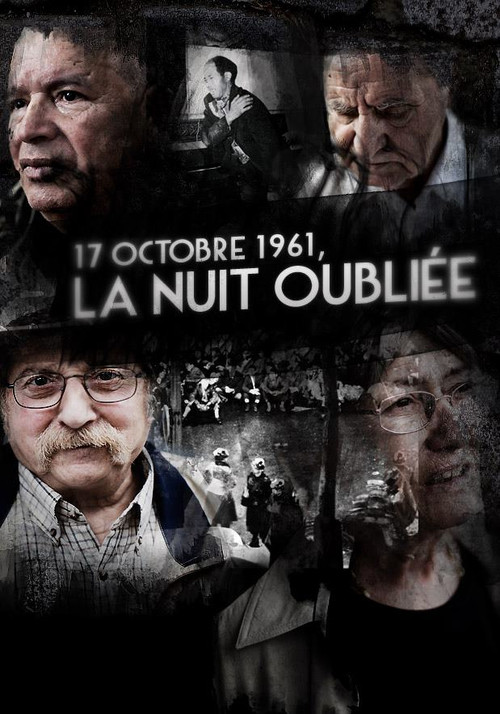
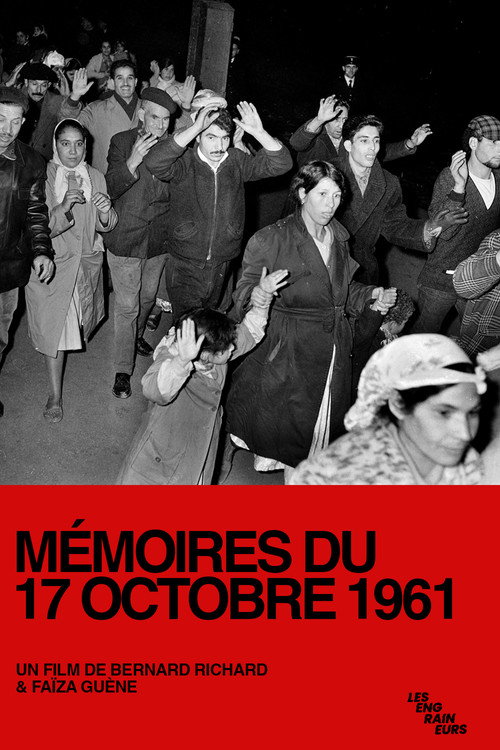
On October 17, 1961, in response to the curfew imposed on Muslim Algerians by Paris police prefect Maurice Papon, the FLN Federation of France organized a peaceful demonstration in the streets of the capital. The demonstration turned into a bloody crackdown: unprecedented violence, thousands of arrests, hundreds missing, and dozens dead. Today, much is known about the violence of that night: at least 200 Algerians were killed, beheaded, beaten, or thrown into the Seine; 11,500 others were arrested and often tortured. Hundreds were deported back to Algeria. Long silenced, the repression has been acknowledged thanks to the work of remembrance and eyewitness accounts.
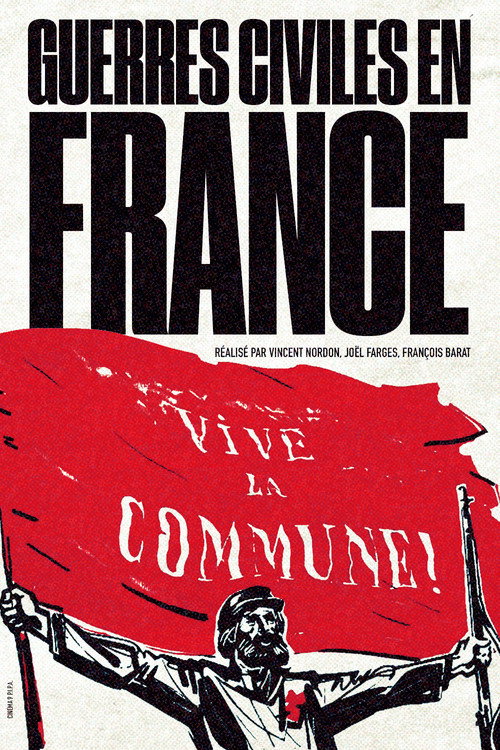
Three episodes from the history of socialism: Babeuf, whose virulent discourse is a radical assessment of the bourgeois revolution of 1789 (Vincent Nordon episode); the legend of Napoleon I, or the formation of the state as it still dominates today (François Barat episode); and the carnage of the Paris Commune, which official history strives to repress and forget (Joël Farges episode). What does it mean to make a historical film today? It means illuminating the present in the light of the past, and therefore adopting the new modes of modern storytelling to challenge what dominates us, structures us, and oppresses us.
Three demonstrators from October 17, 1961, and a journalist recount the peaceful success of the demonstration and its brutal repression in the streets of Paris. Five months before the end of the Algerian War, the Gaullist government violently suppressed (40 to 300 deaths in a single evening, according to various sources) a peaceful demonstration by the entire Algerian civilian population of the Paris region, protesting the curfew imposed solely on this population (all participants held French citizenship). The government long denied this state crime; the official version: 3 deaths! In 1962, these events were granted amnesty by a simple decree (later enacted into law) issued by the same Gaullist government.