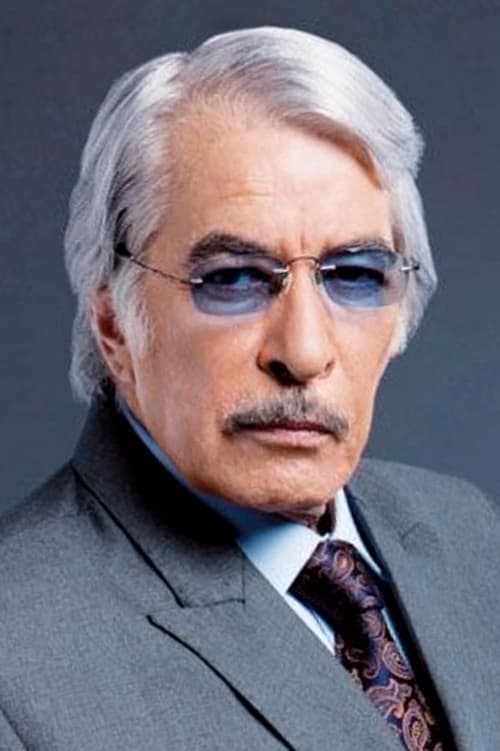
Enrique Rocha
Acting
Biography
Enrique Rocha (January 5, 1940 – November 7, 2021) was a Mexican actor.
Known For

A group of young adults will spend their adolescence at the Elite Way School, where they will learn about love, life and live their passion for music.
Rebelde

Dos mujeres, un camino is a Mexican telenovela, produced by Televisa, which originally aired from August 2, 1993 to July 1, 1994, on Canal de las Estrellas.
Two Women, One Road
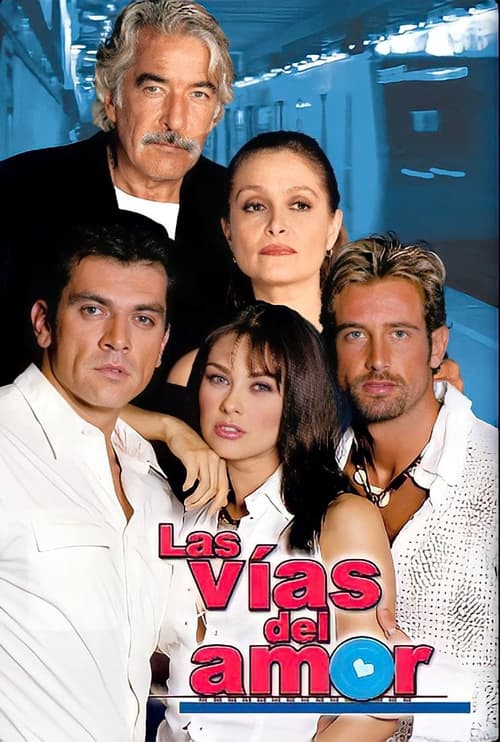
Las Vías del Amor is a Mexican telenovela that aired on the Televisa channel in Mexico and Univision in the United States from 2002-2003.
Las Vías del Amor
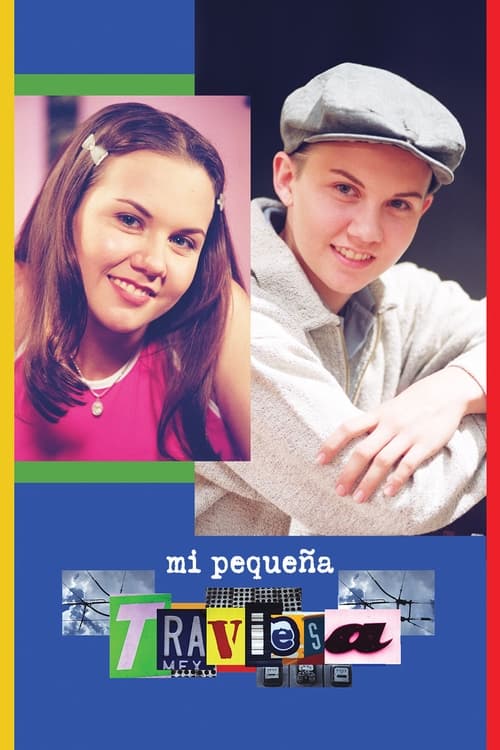
No description available.
Mi Pequeña Traviesa

The story of four teenagers who have always lived in the city of Tlacotalpan, Veracruz, Mexico. The story's message emphasizes the distinction between the importance of pursuing one's dreams and the importance of pursuing material things. (a remake of a Argentine telenovela, Verano del 98, adapted for the Mexican audience)
Summer of Love

El Privilegio de Amar is a Mexican telenovela. It was produced by Televisa and broadcast on El Canal de las Estrellas from 27 July 1998 through 26 February 1999. Starring Adela Noriega, René Strickler, Helena Rojo and Andrés García with the participation of leading actor Enrique Rocha and Cynthia Klitbo as the evil Tamara, who is the main villain. The telenovela tells the story of a fashion designer, Luciana, who begins searching for the daughter she abandoned years earlier, unaware the girl is none other than Cristina, a model in Luciana's fashion house who has fallen in love with Luciana's stepson. El Privilegio de Amar is a remake of the 1985 Venezuelan novela, Cristal. The program aired weeknights at 9pm for 31 weeks, for a total of 155 episodes. El Privilegio de Amar is the highest-rated television program in Mexico to date, it registered an average of 34.8 percent of TV audience. The telenovela received TVyNovelas Award for Best Telenovela, in 1999.
El Privilegio de Amar
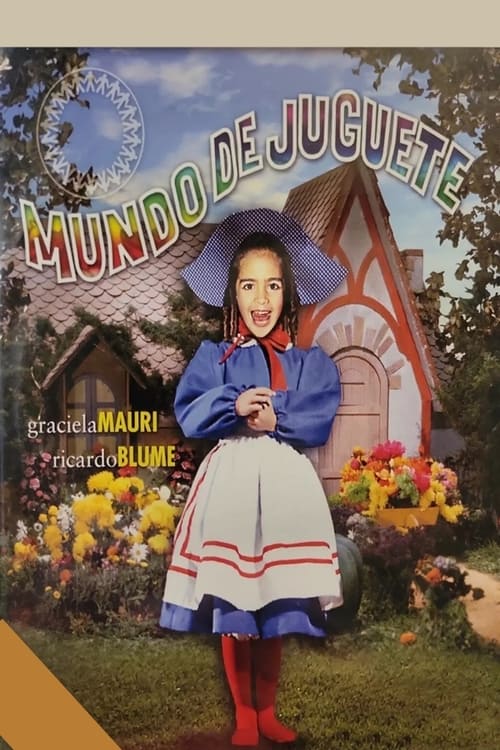
Mundo de Juguete is a telenovela produced in Mexico by Televisa in 1974. It is a remake of telenovela Papá Corazón. This telenovela holds the record for having the second longest run ever for a Latin American telenovela, with a total of 605 episodes. Most telenovelas run for an average of six to eight months; the shortest ones run about four months, and the longest up to a year. Many "Mundo de Juguete" fans believe that either all or some of the tapes and film from the telenovela were lost when Televisa collapsed during the 1985 earthquake. Televisa has been secretive regarding which tapes were lost during that earthquake, so there is no way of confirming this. However, such claims can be disputed, considering that the Telenovela has been repeated on television several times after 1985. During the nineties, it was repeated on Mexico City Canal 9. For a period of time, it was also shown on Unicable or on Telenovelas Televisa remade the telenovela in 2000, and called it "Carita de Angel".
Mundo de Juguete

Muchacha italiana viene a casarse is a 1971 Mexican telenovela by Televisa produced by Ernesto Alonso and directed by Alfredo Saldaña, starring Angélica María and Ricardo Blume. Writing credits belong to Delia González Marquez, Fernanda Villeli, Marissa Garrido, Miguel Sabido and Carlos Lozano Dana The series featured two theme songs: "A dónde va nuestro amor" and "Lo que sabemos del amor". Both songs were written by Eduardo Magallanes and performed by Angélica María.
Italian Bride

No description available.
Yo compro esa mujer

Corazón salvaje is a Mexican telenovela produced by Salvador Mejía Alejandre in conjunction with Televisa and broadcast on El Canal de las Estrellas. The telenovela debuted on 12 October 2009 at 9:00 pm, replacing Sortilegio, and aired for a total of 135 episodes. The final episode was broadcast on 16 April 2010, and the program was replaced with Soy tu dueña. In the United States, the telenovela debuted on 22 February 2010 at 9:00 pm on Univisión, again replacing Sortilegio. However, beginning on 26 April, the program was moved from prime time to the 12:00 midnight time slot.
Wild Heart
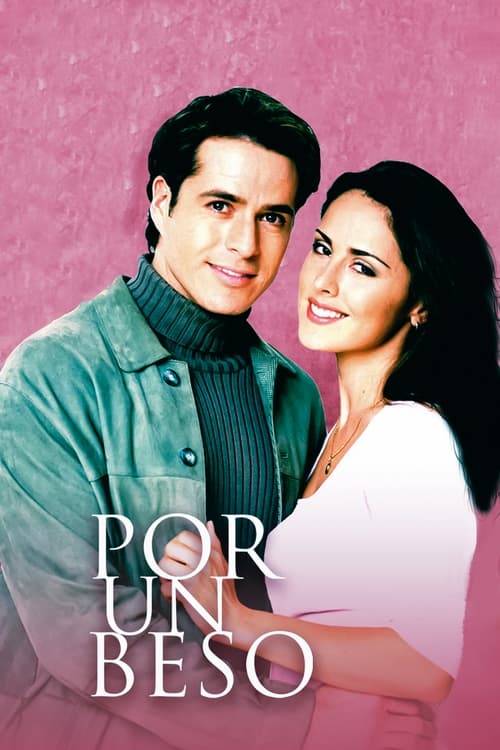
Por Un Beso is Mexican telenovela. It was written by Inés Rodena and Gabriela Ortigoza, and directed by Alfredo Gurrola.
Por un beso
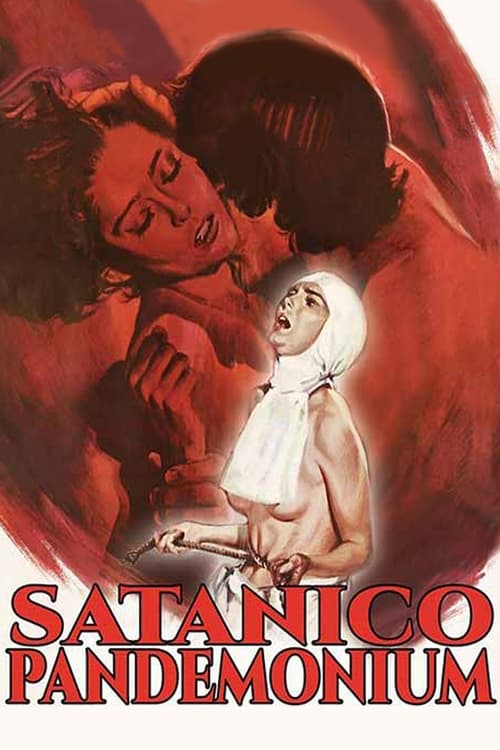
Sister Maria is known in the convent for her good works and charity, but, in the secret depths of her sexual fantasies, she is tormented by visions of another world - a world where her forbidden passions are allowed to run free. In this world Satan is her master. As her acts of violence and blasphemy mount, Maria realizes that she has been chosen by the Devil to destroy the convent and lead her sister nuns into hell!
Satanic Pandemonium
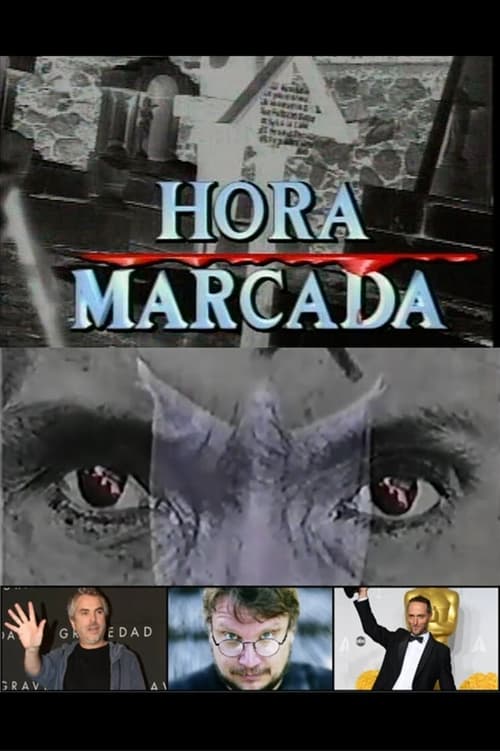
La Hora Marcada was a 1986 Mexican television anthology series famous for its horror and science fiction themes in the vein of the Twilight Zone. Although virtually unknown outside the country, it achieved a popular and critical success in Mexico. It had a series of rotating writers and directors, among them Emmanuel Lubezki, Guillermo del Toro and Alfonso Cuarón.
The Marked Hour
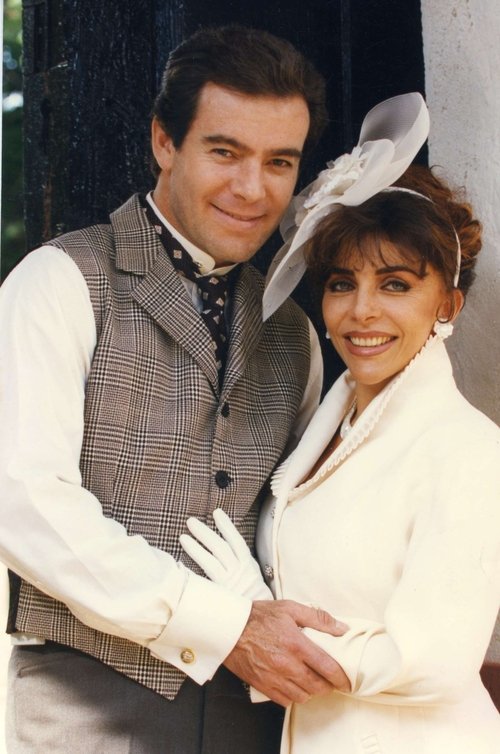
No description available.
Pueblo chico, infierno grande

Amor sin Maquillaje is a mini novela that was shown in 2007. It is a production of Rosy Ocampo, who also produced La Fea Mas Bella. The stars are Sergio Goyri and Marlene Favela; It was a tribute to the 50 years of telenovelas in Mexico.
Love Without Makeup
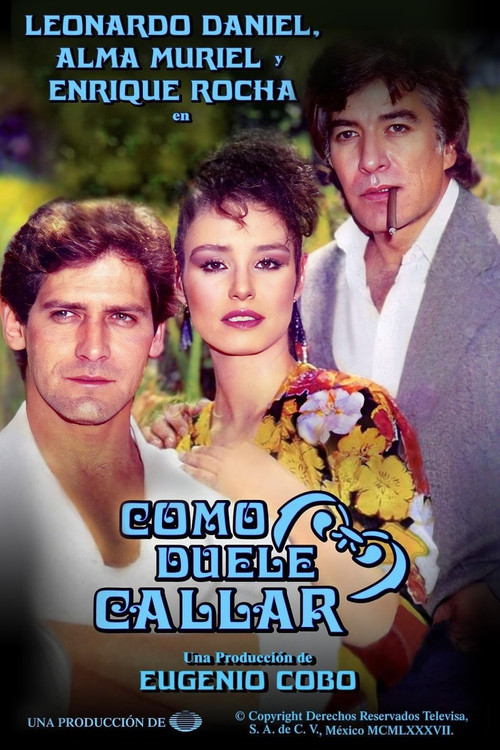
No description available.
Cómo duele callar
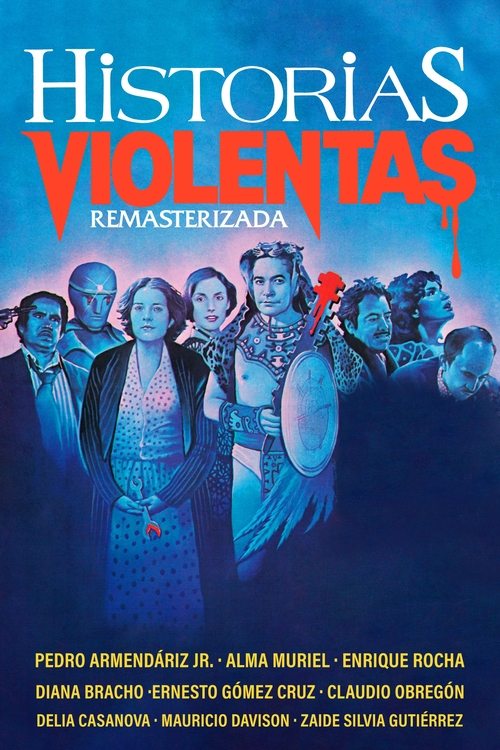
Five surreal short stories make up this Mexican anthology film.
Violent Stories
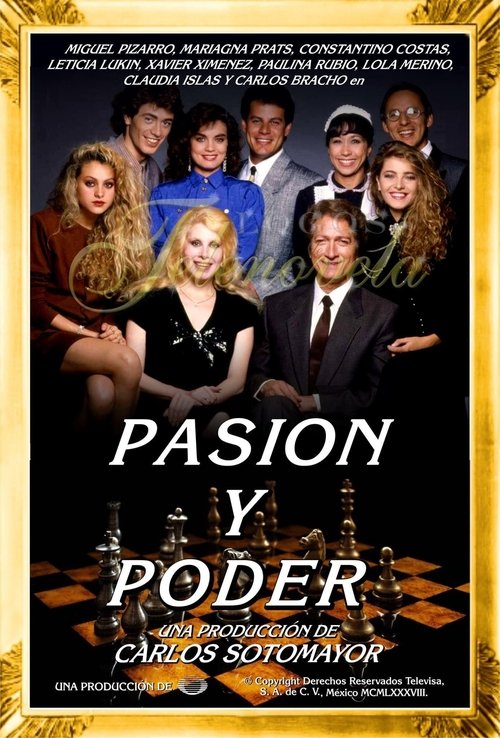
No description available.
Pasión y poder
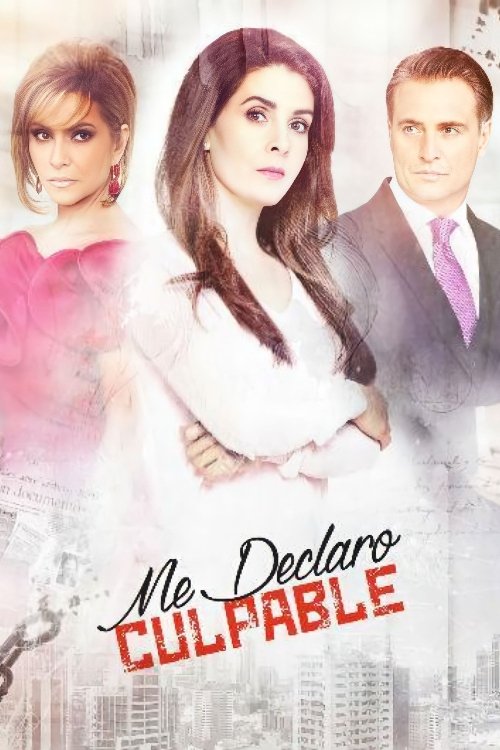
Loving wife and mother Alba is accused of euthanizing her terminally ill husband. Facing a long prison sentence, she seeks the help of respected lawyer Franco. Alba's sister-in-law and Franco's wife plot to ruin their plans.
Me declaro culpable
The story of a women who escapes from her wedding with a womanizer.