Michel K. Zongo
Production
Known For

Run escapes... He just killed the Prime Minister of his country. In order to do so, he had to act as if he was a crazy man, wandering through the city. His life comes back by flashes; his childhood with Tourou when his dream was to become a rain miracle-worker, his adventures with Gladys the eater, and his past as a young member of militia, in the heart of the politic and military conflict in Ivory Coast. All those lives, Run didn't choose them. Every time, he felt in by running from another life. That's the reason why his name's Run.
Run
No description available.
Sibi, l'âme du violon
No description available.
No Gold for Kalsaka
In Kinshasa, despite preparations for the construction of Africa's largest power station, the population often finds itself without electricity. The city's inhabitants, struggling for reliable power access, ingeniously utilize makeshift lights as essential means to survive their daily lives and maintain their ability to celebrate.
Rising Up at Night
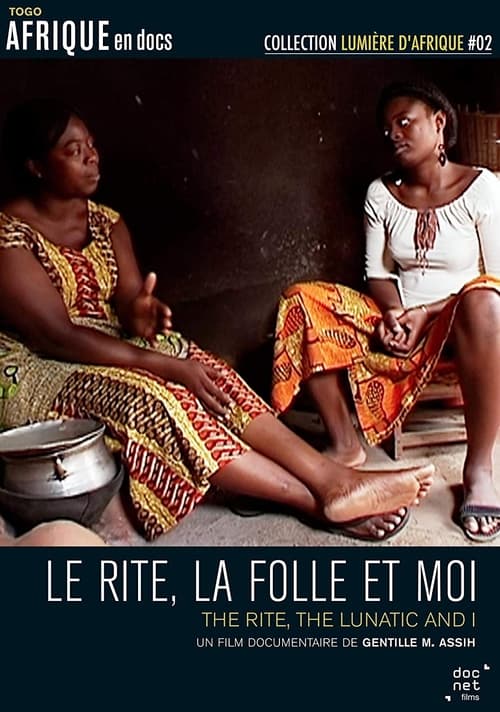
Le Rite, la Folle et moi is a story of transmission, an opportunity to understand the weight of traditions and the complexity of African cultures. It is above all an opportunity for two sisters to erase the insult that taints their grandmother's descendants.
Le rite, la folle et moi
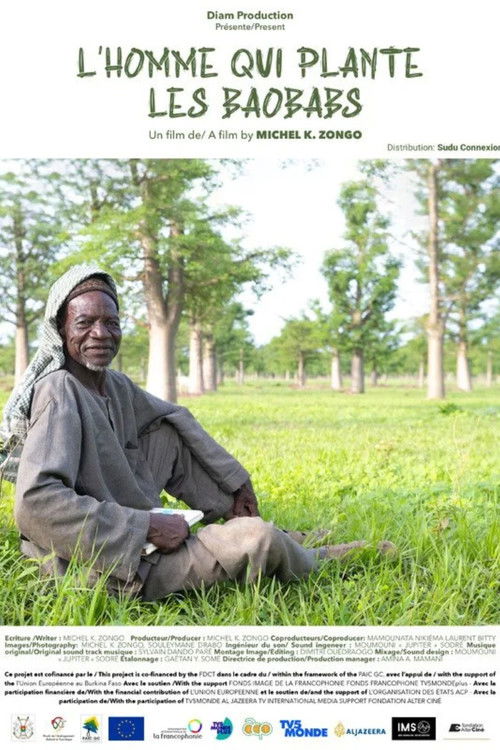
For the past 50 years, a man has been planting baobab trees every year in his village located in western Burkina Faso. At the age of 80 today, he has planted over 3,000 baobab trees that stretch as far as the eye can see. El Hadj Salifou Ouédraogo has spent 2/3 of his life planting baobabs. It's been a struggle and, above all, a life dedicated to ensuring the existence of these trees despite prevailing prejudices. El Hadj Salifou Ouédraogo was misunderstood by the inhabitants of his village when he started planting these majestic and millennia-old trees, which are rare and endangered in the African savannah.
The Man Who Plants Baobabs
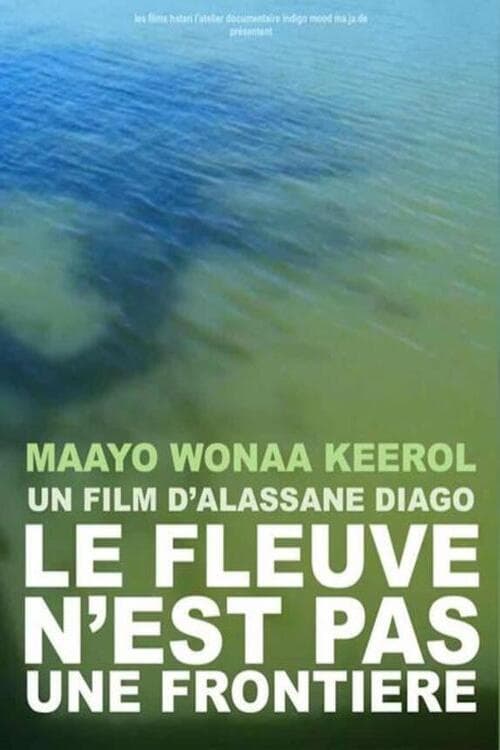
The Senegal River forms the national border between Mauritania and Senegal. In 1989, war broke out between these countries, along and around the river. Both sides committed atrocities. Senegalese filmmaker Alassane Diago was just a young child at the time. Now he brings together his “Senegalese and Mauritanian family,” all victims or witnesses of the bloodbath, so they can talk in detail about their traumatic experiences. He wants to find the truth, and to bring about reconciliation. Why did they slaughter each other, and why were so many people “deported”? Was there systemic racism involved, under the white and Arab elite? Was it a case of ethnic cleansing?
The River is not a Border
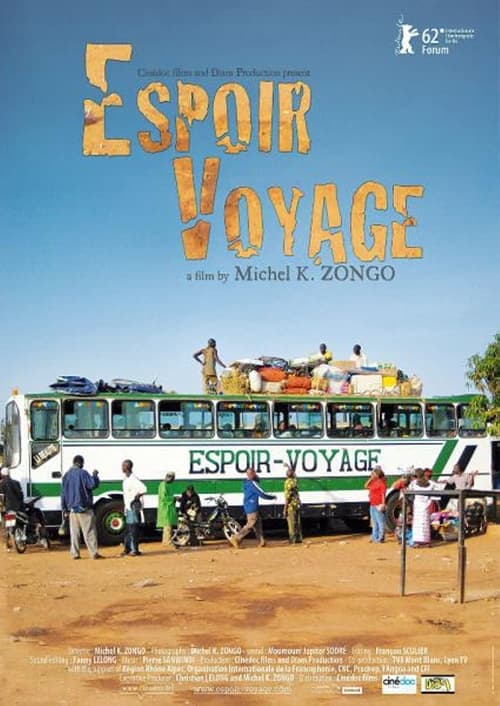
Filmmaker Michel Zongo sets off to the Ivory Coast to find out what happened to his lost brother. Joanny left to go there many years ago and never returned, searching like so many others for work in the more affluent neighboring country.