Production
Exploring four of the world's major religions: Hinduism, Buddhism, Islam and Christianity.
A Second World War documentary film produced for and by the National Film Board of Canada in 1942 as part of the "Canada Carries On" short documentary series. It uses stock footage, dating back to the First World War, in its theme of showing how dependent modern war vehicles are on having a fuel supply source. In the First World War, Britain's sea power was preserved through the maintenance of a series of coaling stations dotting the Seven Seas. With the change to oil, rather than coal, the necessities for European nations, without home supply, are dependent on the Near-and-Far East where the pipe-lines and oil production have to be defended against attacks by the Axis powers. Canada's role in oil production is also highlighted.
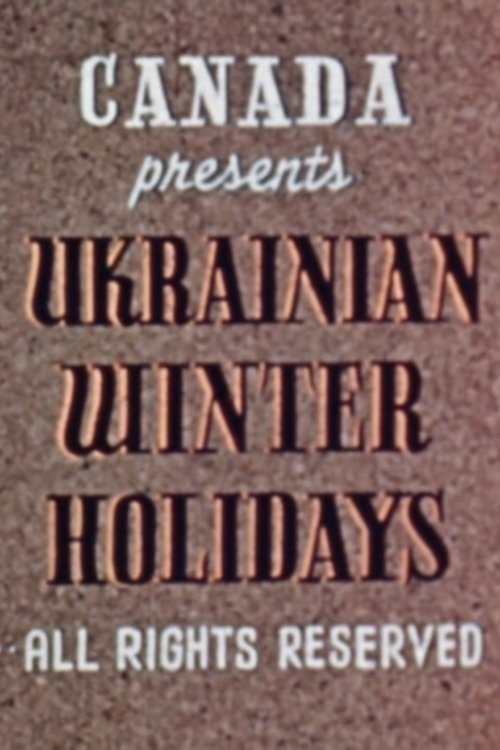
Ukrainian communities of the Canadian prairies still follow the Julian calendar and celebrate Christmas on the seventh of January. Traditional foods are prepared for the holy Christmas Eve supper, eaten when the first star of the evening appears. Then traditional carols and light-hearted dances in gay costume continue the festivities. In striking contrast, on Christmas Day the Ukrainians gather at the Greek Orthodox church to worship in a solemn service with ancient ritual.
This short documentary offers a panorama of ancient cities, palaces and temples whose splendor has awed mankind. The film moves from one tradition to another, illustrating how each reflects the sentiments and values of its time, from the massive temples of the pharaohs to the soaring skyscrapers of today.