Péter Szoboszlay
Directing
Known For
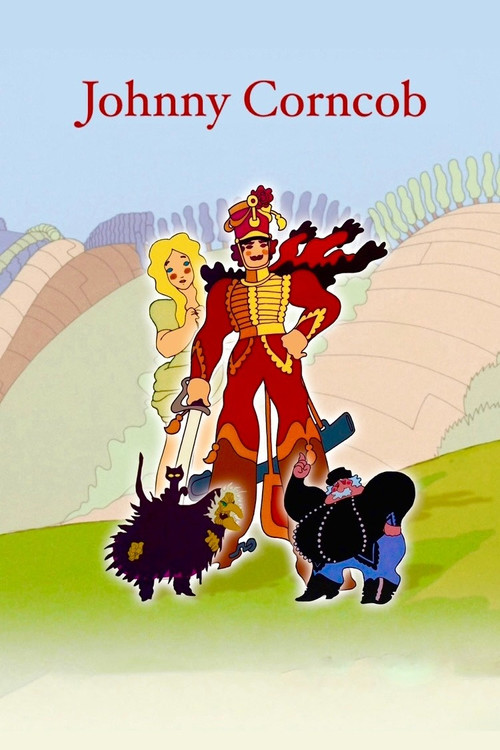
A traditional Hungarian poetic fairytale that describes the epic adventures of a young shepherd through love, war, magic and death.
Johnny Corncob
A compilation of animated shorts, by 36 animators from 36 countries. Each animator worked independently, but a single theme unites them all: animation has no borders. The compilation is set to the music of "The Internationale".
Animation Has No Borders

Arriving for the school celebration, parents go to extreme lengths to iron out all the wrinkles from their boisterous children. They find they are helped in this by the rigidly strict dance teacher. The domineering commands of the lumbering teacher who cannot bear clatter of any sort and the hammering bars of the piano deconstruct the children and uniformize them in accordance with the ideal of adults: first they turn into oafish garden gnomes, then motionless mushrooms, graceful swans, and finally bounding deer.
Dance School
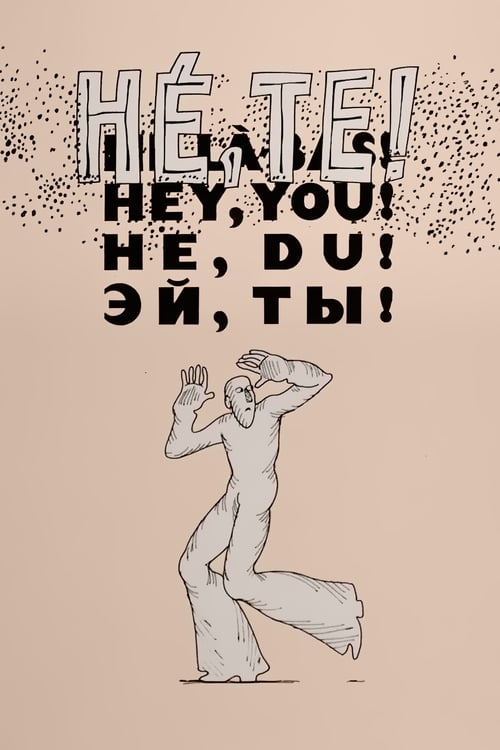
Set in the allegorical space of an abandoned room, a frustrated mind feels the distorting effects of aggression and paranoia—including visions of butterflies, the Mona Lisa, and nuclear fallout.
Hey, You!
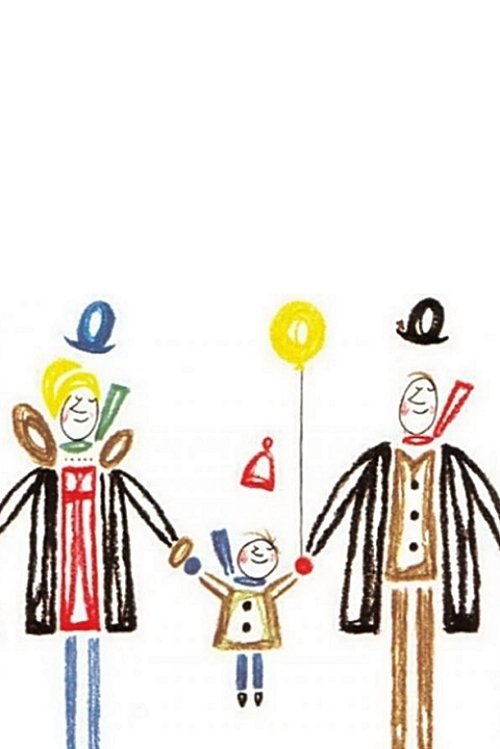
The film presenting the adult world from the perspective of children sharply contrasts the black-and-white world of parents founded on prohibitions with the sparklingly colourful world of imagination. Péter Szoboszlay’s first short is an adaptation of one of the early child monologue books by Éva Janikovszky.
Ha én felnőtt volnék

A little girl fidgets by the desk at which her father is working. Suddenly she appears on top of the table, where she shrinks to only a few centimetres in size. The scene launches into a series of surrealistic objects of her environment. She is comforted with many situations that could conceivably happen to her in the future, and they prove to be more threatening than reassuring. At the end of film we find Esther restored to her normal self again, sitting on the lap of her father.
How Did Esther Get on the Table?
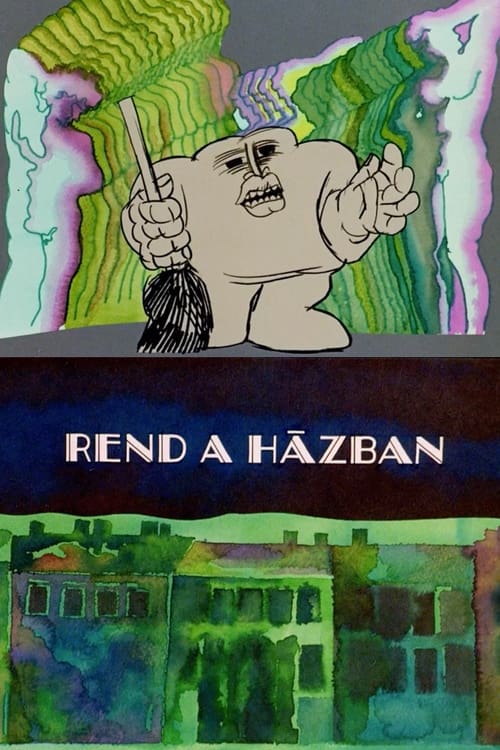
A surrealist satire describing the power that is used to dehumanise and deny individual liberties in the name of order and the common good.
Order in the House
The Horthy regime marching into the idyll of childhood with peculiar religious processions, Second World War air-raid sirens tearing adolescence to shreds, socialism propped on the shoulders of Stakhanovists in the shadow of Rákosi banners, and the experience of the ‘most cheerful barrack’ of goulash communism within strict confines: this is the collective fate of generation N.
A Story about N.
The two characters in this short, father and son, play hide and seek to a rapid jazz beat in a totally white background. But wherever the man tries to hide, on land, water or in the air, he is always found. The punchline of the film, which shows the man as he undergoes dozens of transformations, contrasts the pure simplicity of the world of children with the wily intricacies of adults.
Hide and Seek
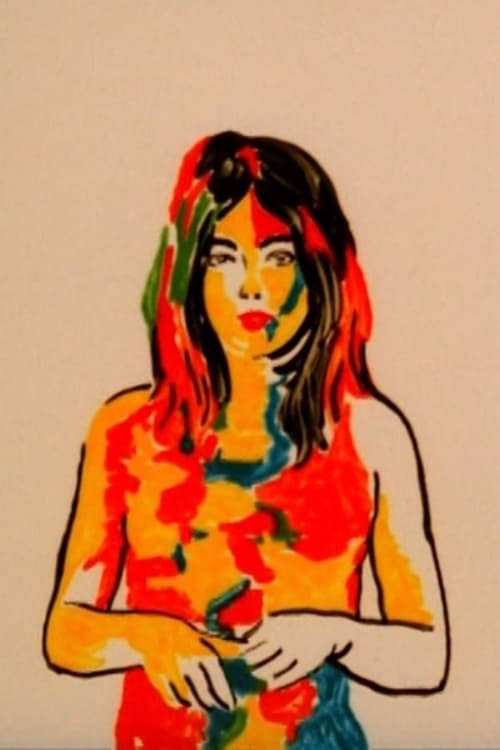
A mother's constant grumbling about her daughter-in-law's dish poisons her son's marriage bit by bit.