William Kennedy
Writing
Biography
William Joseph Kennedy (born January 16, 1928) is an American writer and journalist who won the 1984 Pulitzer Prize for his 1983 novel Ironweed. Kennedy's other works include The Ink Truck (1969), Legs (1975), Billy Phelan's Greatest Game (1978), Roscoe (2002) and Changó's Beads and Two-Tone Shoes (2011). Many of his novels have featured the interactions of members of the fictional Irish-American Phelan family in Albany, New York. Kennedy has also published a non-fiction book entitled O Albany!: Improbable City of Political Wizards, Fearless Ethnics, Spectacular Aristocrats, Splendid Nobodies, and Underrated Scoundrels (1983). From Wikipedia.
Known For

In a futuristic New York known as New Rome, visionary architect Cesar Catilina dreams of building "Megalopolis," a utopian city that redefines society’s limits. Opposing him is the corrupt Mayor Franklyn Cicero, who clings to power and profit. Between them stands Julia, the mayor’s daughter, whose love for Cesar forces her to choose between loyalty, ambition, and the fate of humanity.
Megalopolis

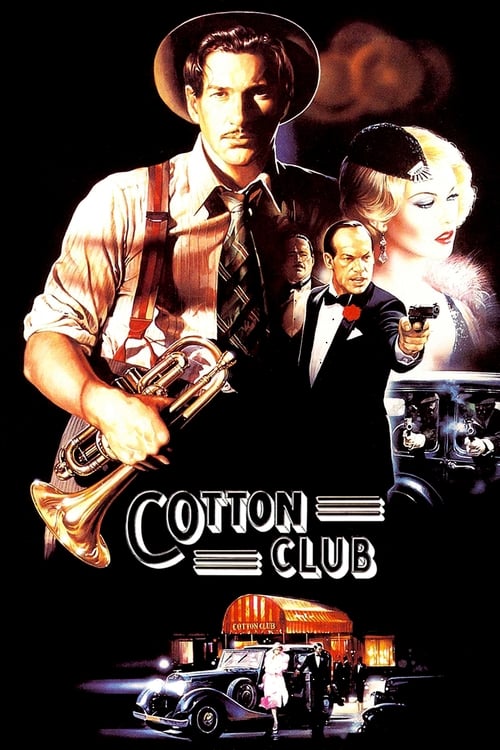
Harlem's legendary Cotton Club becomes a hotbed of passion and violence as the lives and loves of entertainers and gangsters collide.
The Cotton Club

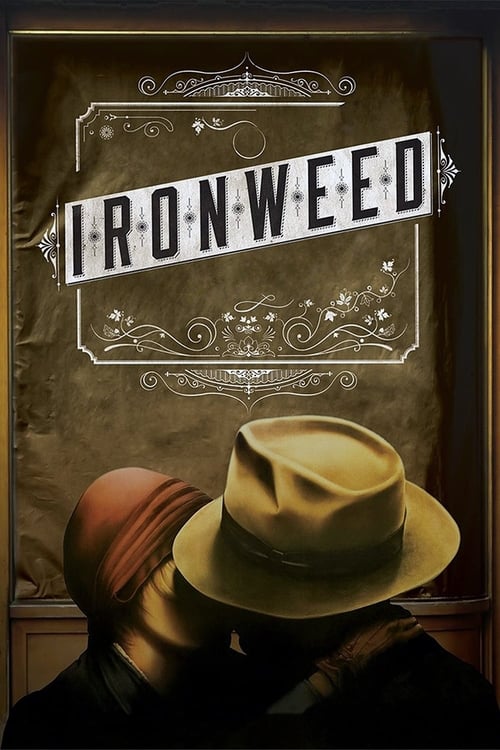
An alcoholic drifter spends Halloween in his hometown of Albany, New York after returning there for the first time in decades.
Ironweed

An inspiring story of healing and transcendence through the power of music. When five female residents from the Topeka Correctional Facility, a women's prison in Kansas, write letters to Etheridge, she then uses as inspiration to create and perform an original song for them. Having recently lost her son to opioids, Etheridge works to understand and interrupt the cycle of addiction while connecting with these women who, so often, are forgotten by society.