Horacio Almada
Sound
Known For

During the year 2000, Ricardo, Pollo, Walter and Chiqui occupied a house in the Buenos Aires neighborhood of Congreso. The four young people forge a strong friendship that leads them to go through different stories of crime, drugs and social marginalization.
Okupas
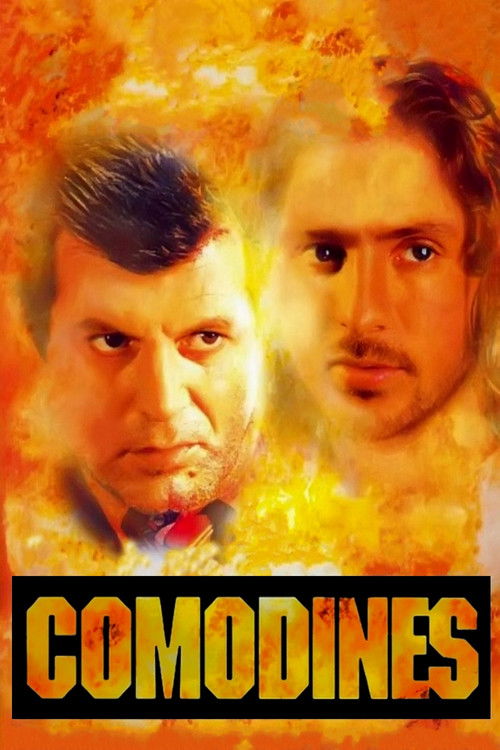
Two men from completely different backgrounds confront a gang of swindlers. Norberto Lorenzi and Guillermo Parodi are the two "jokers" who meet and relate with the usual initial distrust. Lorenzo is impelled by the necessity to clear the name of Pérez, his best friend. Parodi, on the other hand, has been called to disperse a ring of "narcos"...
Cops

This is Buenos Aires, its characters, its history, its reality. A complex movie for a complex city, depicted in the character's language, and in their relationship with the present and the past
Buenos Aires viceversa
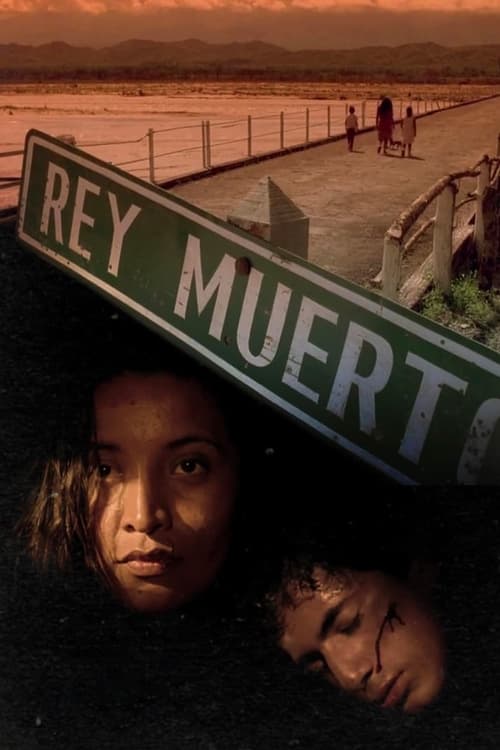
A wife tries to leave her village to get away from her abusive husband.
Historias Breves I: Dead King
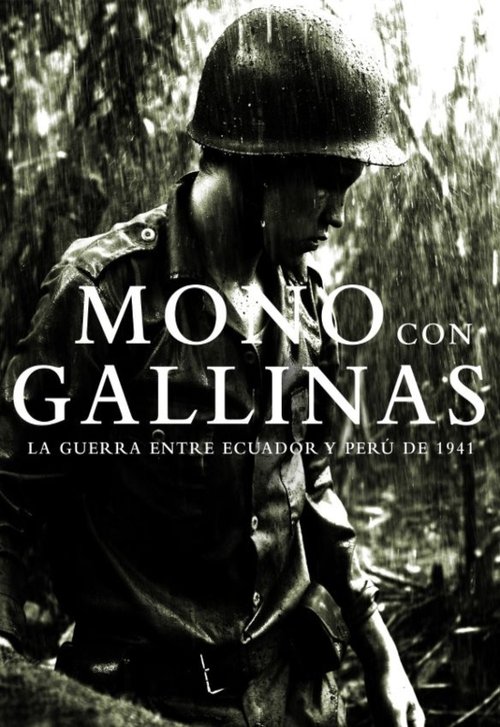
Jorge, a young Ecuadorian, is unexpectedly in the middle of the jungle as an inexperienced soldier. At first, Jorge is confident that military experience makes you a recognized and respected man. But he finds out that the reality is very different; as the private may face neglect, hunger, death and nature, especially human nature. Captive in an enemy camp, Jorge must discover who he has become as he recovers from his injuries and struggles to escape with his fellow prisoner Hugo or stay there under the care of the Peruvian nurse Dolores. Difficult decisions ... beyond the target and border that divides them are abound.
Open Wound
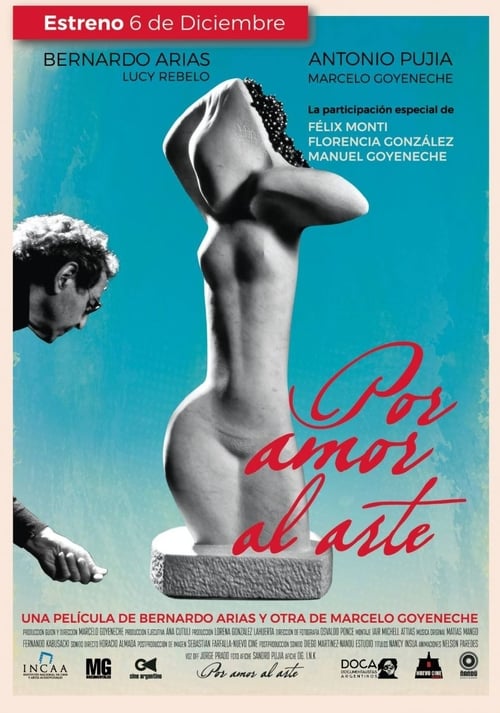
Bernardo has turned 90 and is working to realize a dream: to make a film about art. He spends countless hours writing the script. He understands it's an arduous and complex task: What is art? When is there art? What is the purpose of art? Antonio, his friend, decides to collaborate, lending his knowledge and experience to the project. Marcelo meets Bernardo through Lucy, his partner of over 60 years, and finds him deep in his work, immersed in the uncertainties, frustrations, and joys inherent in any creative process. Watching him work, something of Bernardo's dream awakens in Marcelo a desire, another dream. He offers his help, while also asking to be able to capture Bernardo's daily work with his own eyes, thus creating his film. A dream that gradually shifts from the work Antonio sculpts on Bernardo's camera to Marcelo's gaze.
Por amor al arte
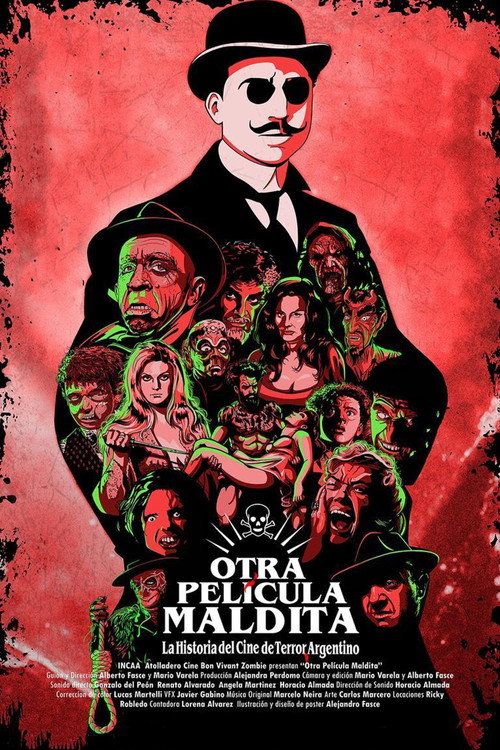
A history of Argentine horror cinema, from its beginnings in 1934 to present day. It is a path of defeat, dead-end streets and triumphs, where the protagonists will lead us through the lesser known hallways of local horror.
Another Cursed Movie
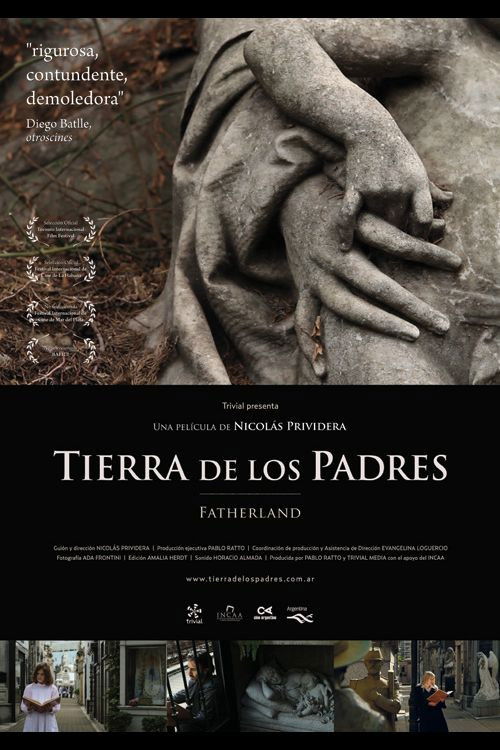
Fatherland brings a rigorous structural approach to a site of monuments that is also a place of movement, criss-crossed daily by tourists and locals. The grounds are laid out like city blocks, with wide avenues branching onto laneways filled with elaborate mausoleums. The film does not attempt to tour the cemetery as one would on foot, however, but rather moves chronologically through the history enshrined there. A series of individuals are framed in static compositions as they read aloud excerpts from the writings of noteworthy Argentines interred within. (Some license has been taken, as the final resting places of certain figures represented - such as journalist Rodolfo Walsh, who was among the "disappeared" - remain unknown. The result is both poetic and political.) Beginning in the early 1800s, this history comprises civil war, battles with the country's native population, the conflict between the city and the provinces, and years of military dictatorship.
Fatherland
Gulubú, a fantasy world territory habited by the studious Cow, the Witch and other characters from María Elena Walsh's stories and songs.
S.O.S Gulubú
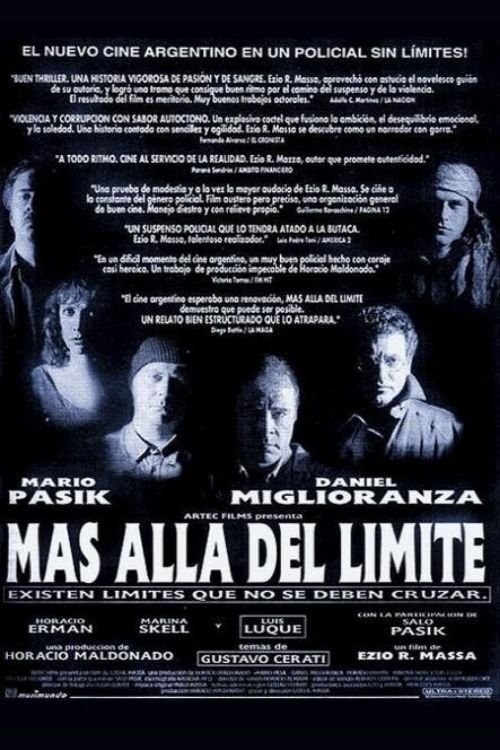
In the violent Buenos Aires suburbs: Two opposing police officers, an ex-convict, and a suicide at a collision point will cross paths, falling into a spiral of violence and twists and turns, crossing that thin line that puts everything at risk and in danger—that thin line that separates life from death.
Más allá del límite

Jessica attends a yoga class that may expand her universe in an extreme way.
Onion

Musical documentary based on the stories of four women who studied to become nurses in the school of the Fundación Eva Perón in 1948, which was one of the institutions that helped pave the way for change for women in Argentina. The testimonies from the protagonists are reenacted in the form of a musical, in a film that combines archival footage and choreography.
Las enfermeras de Evita
No description available.
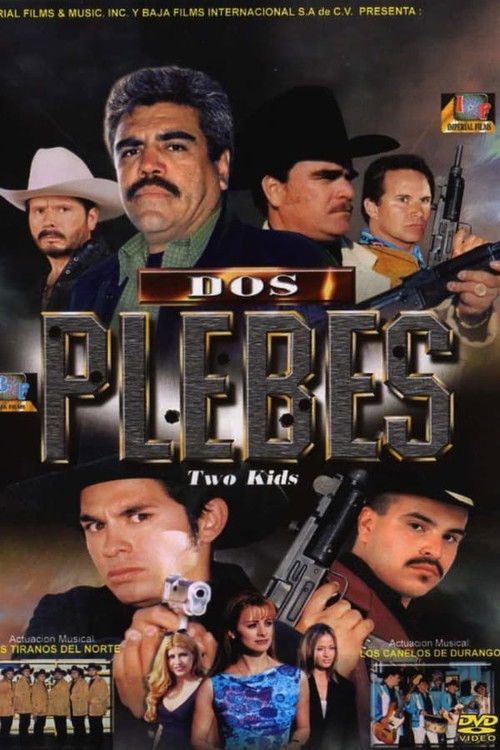
Dos plebes
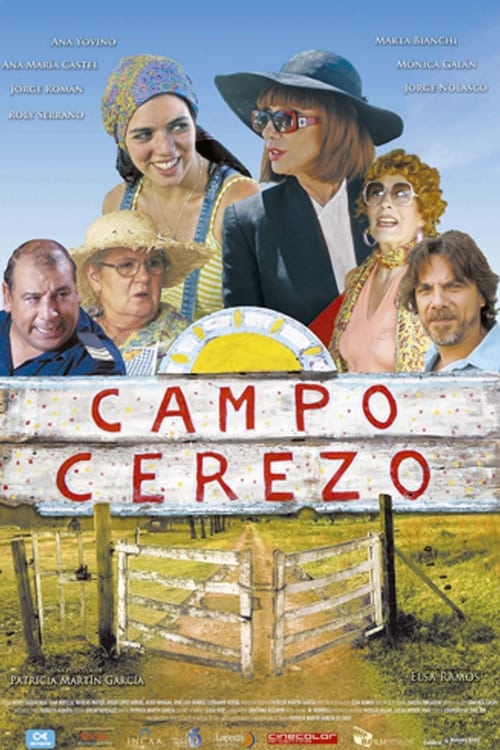
Guided by a fortune teller's revelation, Russian Countess Ivana Malova arrives in Argentina intending to raise beautiful Angora goats, animals not native to the area, on a small piece of land called "Campo Cerezo" (Cherry Field). There live Doña Juana Cerezo and her granddaughter Nucha, who has just been released from prison on parole for her involvement in a bank safe deposit box robbery. As the Countess weaves her web and advances her plan to take over Campo Cerezo, Nucha discovers that the jewels the police were never able to recover are buried there.
Campo Cerezo
Two groups of marginalized people, of different generational composition, dispute the modest geography of a square, in the most perfect synthesis of Caetano's recurring theme: the confrontation of poor against poor as the atrocious symptom of the loss of political consciousness.
La expresión del deseo
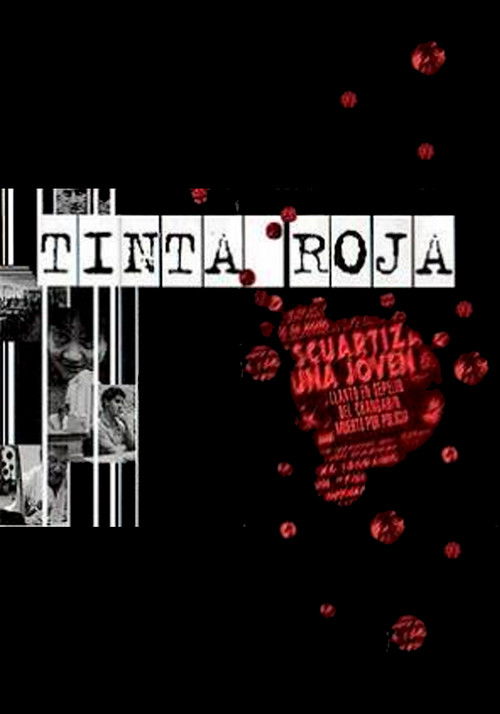
The way a group of police journalists track and obtain information for their work.
Tinta roja
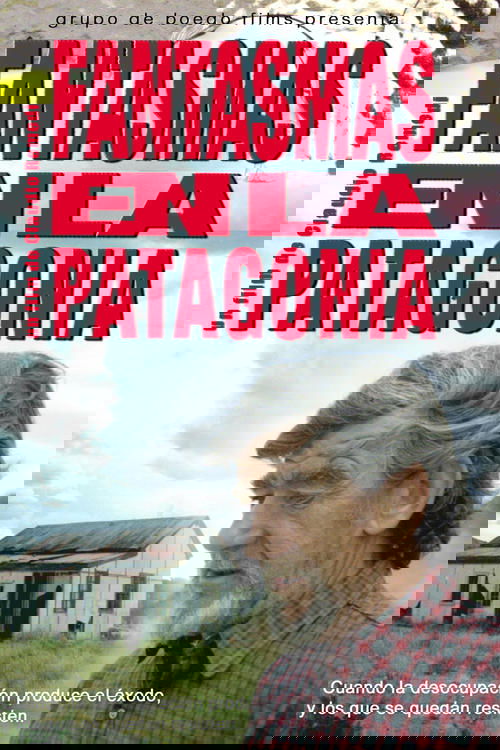
Documentary about the town of Sierra Grande, a city in the southeast of the province of Río Negro, which until 1992 relied on an iron ore mine whose mine was closed by government decree, triggering the exodus of its inhabitants.
Fantasmas en la Patagonia
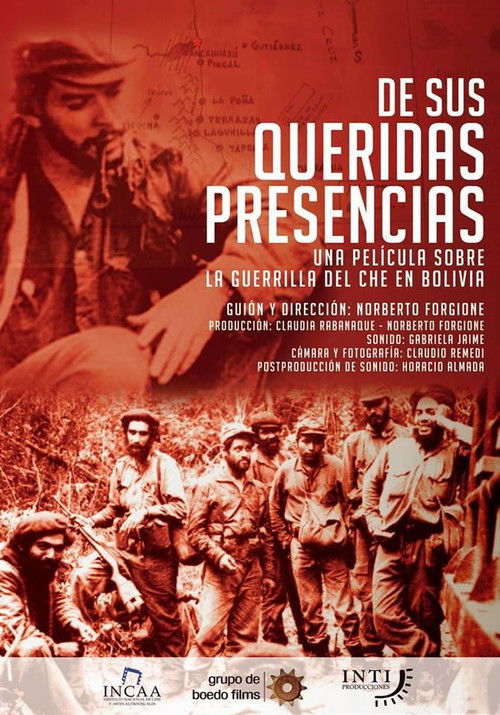
Documentary By Norberto Forgione About The Guerrilla Commanded By Ernesto Che Guevara In Bolivia.
De Sus Queridas Presencias

While collaborating with the Andean Condor Conservation Program, photographer Hernán Pepe meets a wise Quechua elder: Tayta Ullpu. For more than 20 years, they traveled through South America and Australia, among mountains, rivers, seas, condors, and whales. They shared conversations, medicines, and ceremonies, and he received his new name: Pacha Jap'iq, the one who captures time and space. Upon turning 49, a turning point in his relationship with Tayta led him to rethink his life, seeking to return home and rediscover himself.
Entre la tierra y el cielo
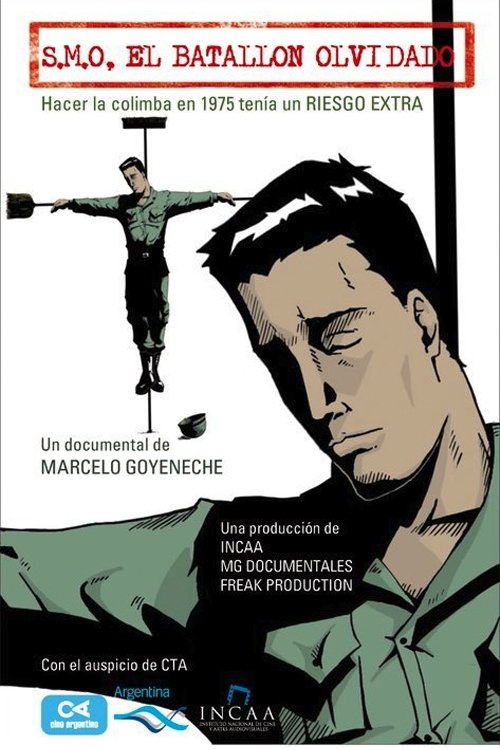
Tucumán 1975, a milestone in Argentine history and what would be one of the most tragic events intersect: the SMO (Compulsory military service) and the "Operative Independence". Through the story of those young people who made the "Colimba" we learn about their experiences, from the day of the raffle to the details of life in the barracks and the transfer to Mount. "SMO, the forgotten battalion" tries to rescue from the oblivion imposed by official history, those young loons who lived those bloody years of our history from a trench in which destiny placed them, in a random way, through a lottery.