Sound
A man leaves the hospital. He sets out on a journey, perhaps a final one. Alongside the mystical landscapes drift the verses of Hospital Británico (1986), the last book by Héctor Viel Temperley. And the words of those who have been marked by reading it over the years.
Troubled by his stutter, a young performer will do whatever it takes to deflect responsibility for his voice, even if it means renouncing his dream.
The Luján River, the Basilica and an amusement park. Fabián, set designer and creator of horror labyrinths, builds the Ciclón Fantasma. Alejandro and Rosa walk along the riverbank looking for fossils. The characters seek to make their dreams come true in a space full of myths and beliefs.
No description available.
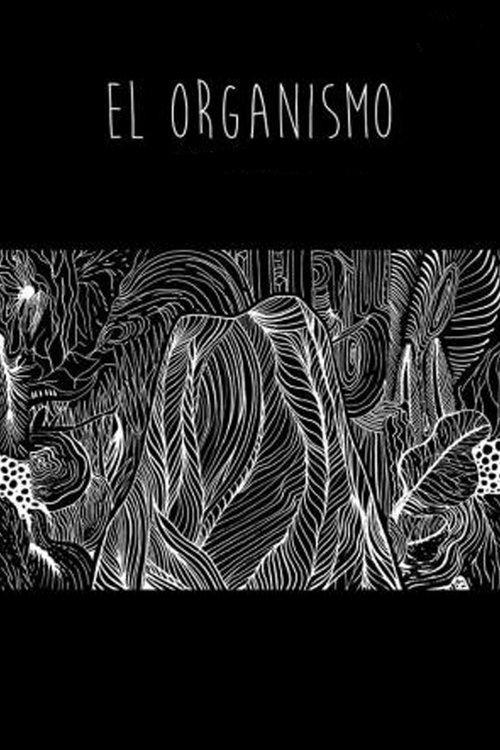
Organism is, among other things, the story of a young woman and her pet, a small dog named Italia. It's also a new piece added to the extended work of Iván Fund, where the documentary record blurs with fiction in order to create (or describe) small intimate universes where the director's relationship with his characters result in an area where emotions and sensibility rule using small everyday events that push the story forward.
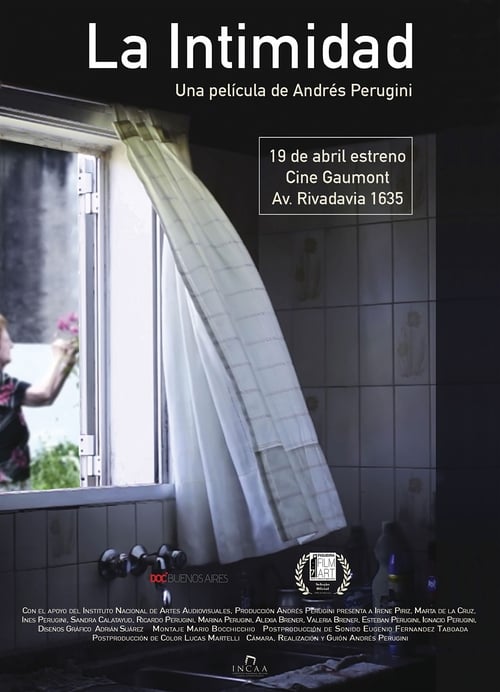
The property is put up for sale. Different people roam the house moved out of curiosity, others eager to buy. Irene's family specifies the sale. The house has new inhabitants that initiate the strange act of making the alien space their own. The rooms take on a new dimension and the house acquires a new identity far from the previous one. However, is it possible to erase the traces of the past?
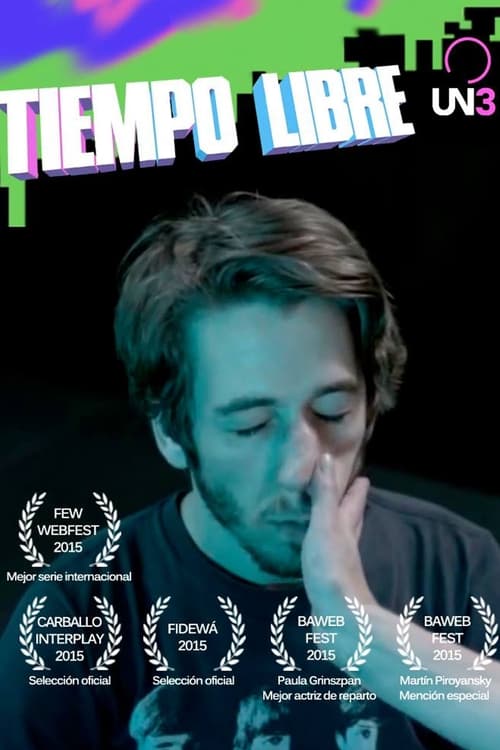
A fairly realistic fiction by Martín Piroyansky about the life of Martín Piroyansky. The story revolves around an actor who loses his job due to an employment contract, which for many people is an unsolved mystery.
Buenos Aires, Argentina, 1971. Carlos Robledo Puch is a 19-year-old boy with an angelic face, but a vocational thief as well, who acts ruthlessly, without remorse. When he meets Ramón, they follow together a dark path of crime and death.
A 36-year-old meek woman realizes that there’s younger people trying to outpace her doing much less, so she makes a risky change by removing her filter.
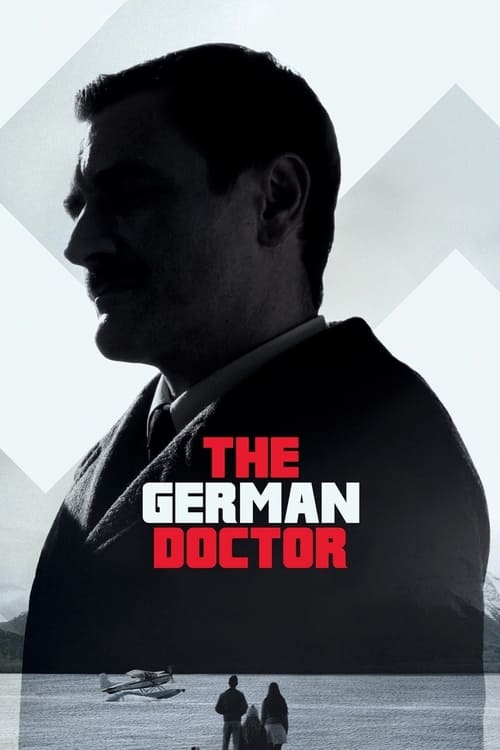
Patagonia, 1960. A German doctor meets an Argentinean family and follows them to a town where the family will be starting a new life. The family welcomes the doctor into their home and entrust their young daughter to his care, not knowing that he is one of the most dangerous criminals in the world.
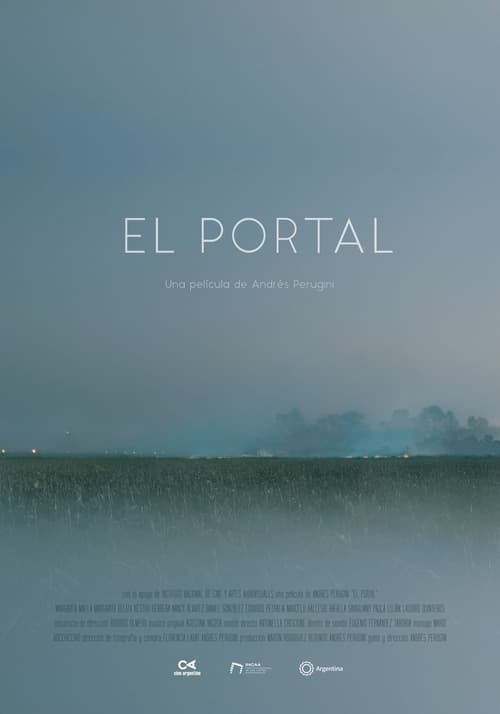
A man knocks on my door. I ask him what he needs. He doesn't answer. He looks at me for a few moments, with enormous eyes. He looks at me as one looks at an apparition. Rivers are born in that silence, in those hallucinated eyes, and they unfold a memory of water, a fragmented knowledge of tornadoes and banks, of creaking trees, of birds bathing in the rain, of men lost on some island, of drowning in the backwaters, of the splash of oars, of the shadow where the river narrows. A man knocks on my door. He says to me: You're not here, we're not here.
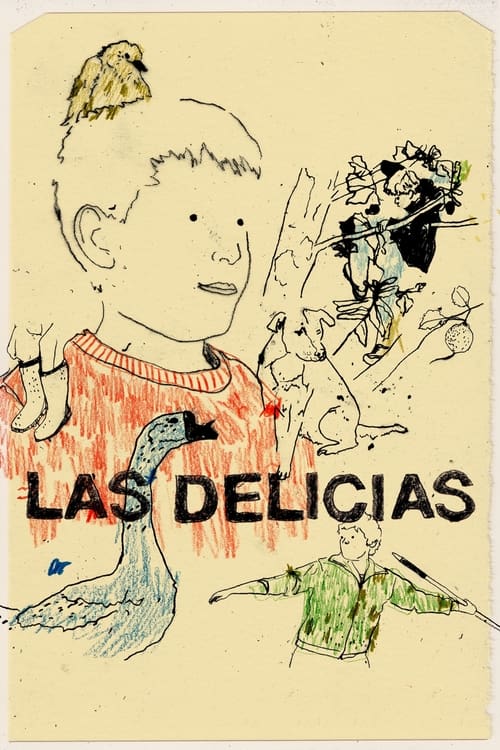
High school students find their way in life at Las Delicias agrotechnical boarding school in the Argentine countryside. This striking coming-of-age film takes place against an inviting backdrop of fields of crops, greenhouses full of tomato plants, and the somewhat dilapidated school buildings, where dogs and chickens roam.
An old woman wears herself out with every movement, entrenched in her room. Each of the gestures of her aching body reminds her of the years of prison and torture she experienced as a political prisoner of the Uruguayan dictatorship. At the end of the 1960s, Élida Valdomir was an armed leader of the Tupac Amaru movement and never denied her commitment. In this almost closed door, yesterday's memories and today's images constantly respond to each other.
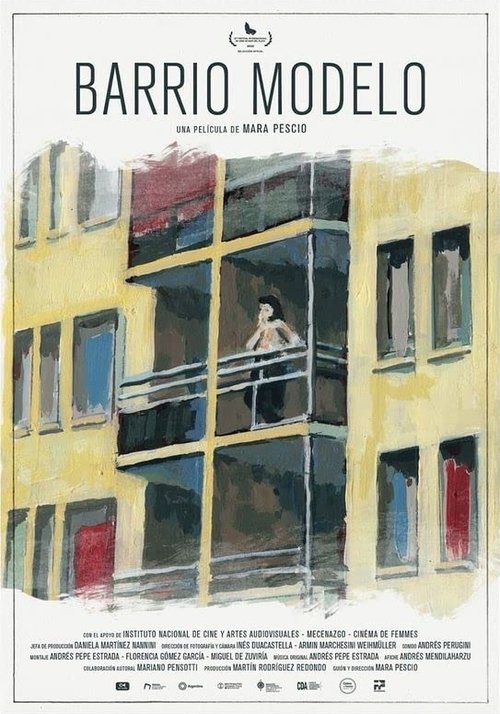
Silvia visited Moscow in the late 1960s, during the Soviet regime's heyday. There, she saw the structuralist-designed complexes designed to house working-class families. Upon returning to Buenos Aires, she discovered that the same collectivist spirit was embedded in the buildings constructed by the El Hogar Obrero cooperative. Embracing the ideal of socialism, Silvia abandoned everything, including her husband and children, to move into one of these apartments and write a novel in which she planned to portray its more than 200 owners. Shortly after, she traveled to Italy, and her trail was lost forever. Half a century later, a niece found her manuscripts and decided to bring to life on film what had been left unfinished in literature, combining archival material with scenes of the current inhabitants.
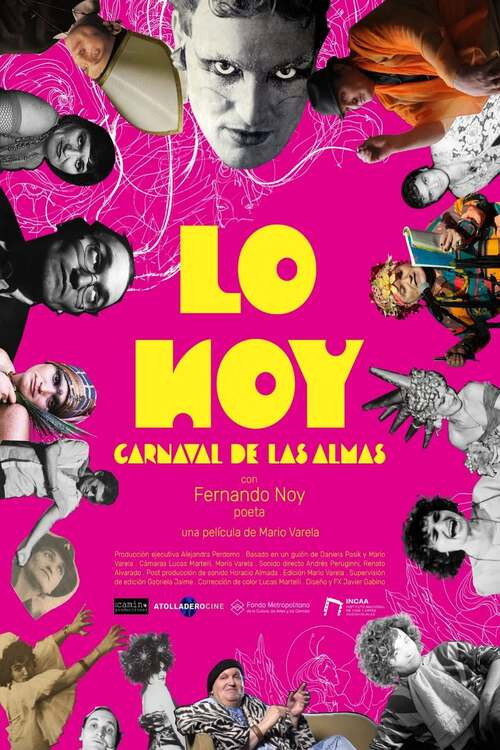
A first-person account of the many lives of poet and artist Fernando Noy. In his outings, he relives key episodes in Argentine culture, from hippism and the dictatorship to Pizarnik, Cemento and Batato, brought to the present by his memory.
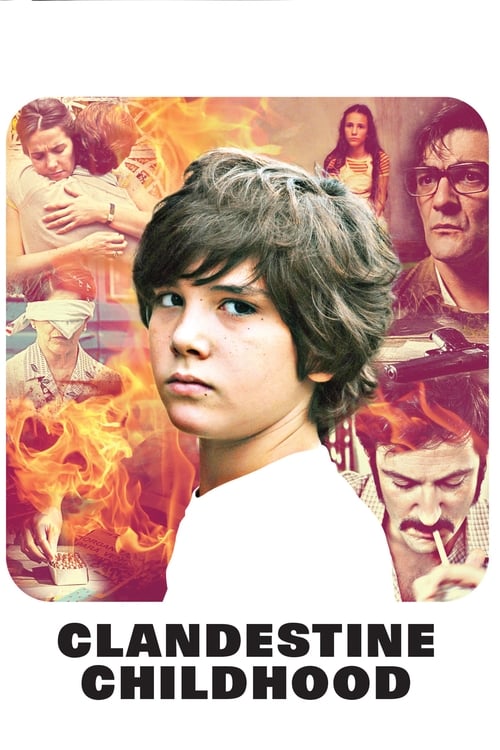
Juan lives in clandestinity. Just like his mum, his dad and his adored uncle Beto, outside his home he has another name. At school, Juan is known as Ernesto. And he meets María, who only has one name. Based on true events, set in the Argentina of 1979, this film is one about love.
Argentina continues Saura’s lyrical exploration of the essence, talent and patrimony of popular dance and song in both fiction and documentary
The male drummer of a rock band doesn't take part in arguments that come to the fore between his fellows, but prefers to observe everything and prepare himself for his first time as a soloist.
Azul is caught between childhood and adolescence. At the beginning of secondary school, she meets Nico, with whom she will share a small act of rebellion: building an escape route through the bars of the schoolyard. She observes and explores the world. Little by little she penetrates it, facing an unexpected turning point in her journey.
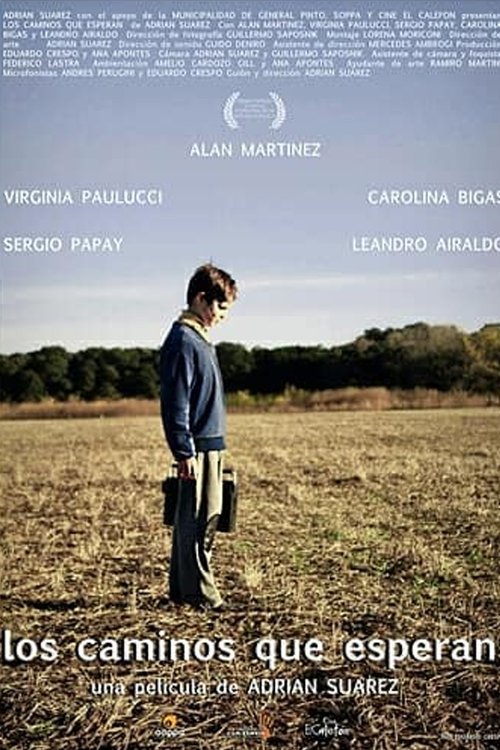
Lucio is 10 years old and lives in the country with his parents. Play solitaire in the bush and record the sounds of nature with an old radio recorder. He dreams of going to town when he grows up and working on television. In fact, this is the only means that connects you to that other part of the world that you are eager to discover. One day two subjects who come from the city come to his house by accident, one of them is called Carlos, he is 30 years old and works on television. This will be a very important day for Lucio.