FEEL IT.STREAM
Dzintra Geka-Vaska

Dzintra Geka-Vaska

Directing

Known For

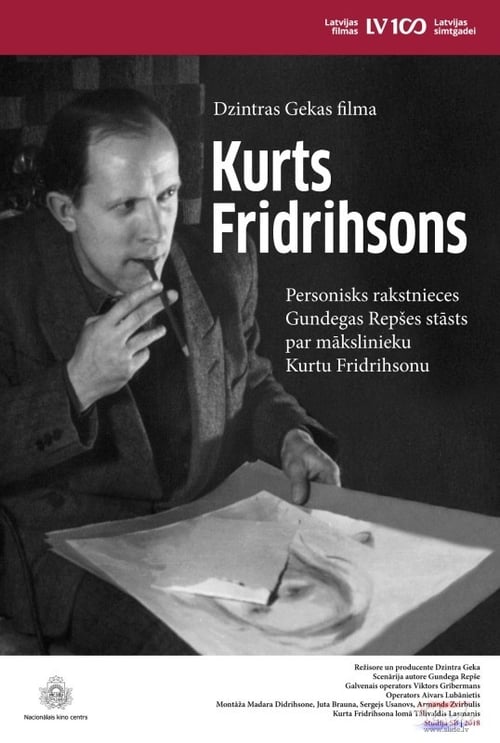
Kurts Fridrihsons

The significance of Kurts Fridrihsons reaches beyond the importance of his art, because during the Soviet period there were not many personalities refusing to comply with the regime while at the same time being outstanding artists. The charm and lightness that Fridrihsons preserved from pre-war civilized Europe and the free, lost Latvia was a harsh contrast to the realities of Soviet life. He was a model and inspiration for many people whose spiritual world refused to accept the existing system. The greater the distance between Fridrihsons’ lifetime and the present day, the more diversely and clearly we see the aloof and exceptional power of his personality. Unlike thousands of people who excuse themselves today for collaborating with the system with phrases like “Such were the times!”, justifying their non-resistance and compliance and their role as little bolts in the system, Fridrihsons – the loner and the example for a different option – is existentially important.

Kurts Fridrihsons

2018Movie
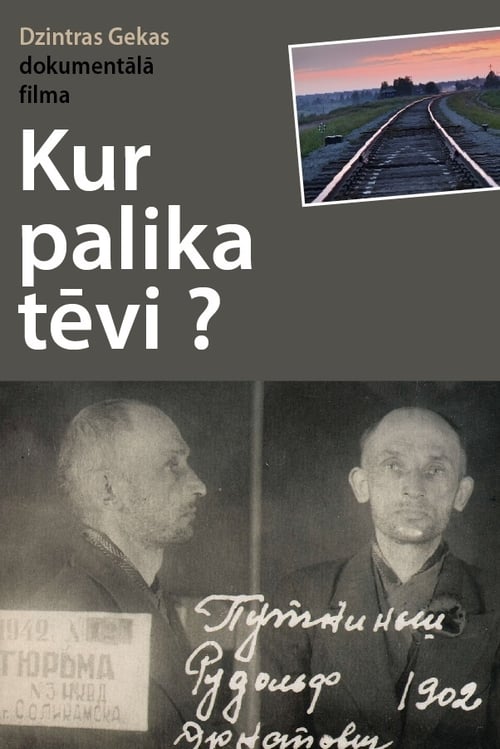
The Fathers Over There

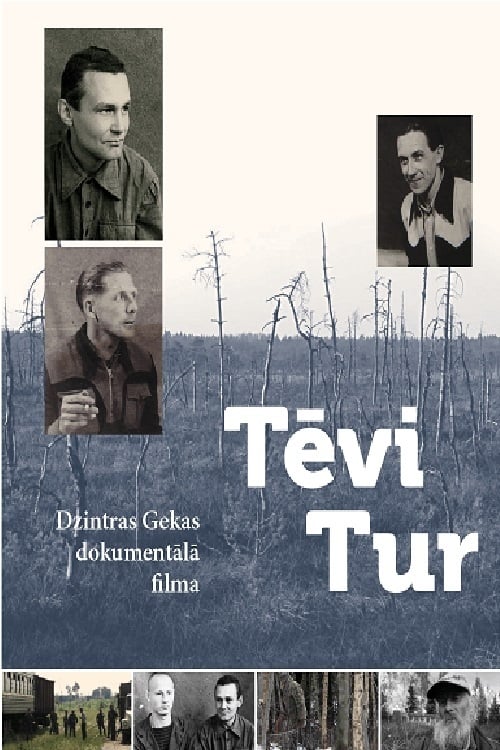
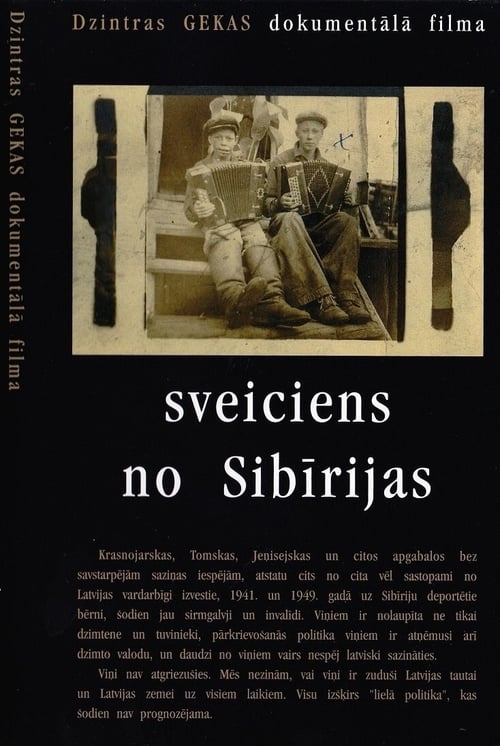
Andris Caune, Ojārs Grensbergs, Imants Grāvītis and Jānis Zemtautis spent many years in the Gulag camps. They survived. In 1954, a riot broke out in Jezkazan, Kazakhstan. The men’s camp and women’s camp joined together and held on for 40 days. Then came the tanks that killed more than 1,000 of them. Austra Vērpe met her future husband there. They were lucky to stay alive. The dream of the musician Zigfrīds Muktupāvels was to find the grave of his paternal uncle in far-off Kazakhstan. He was named after his uncle, who never came home. Zigfrīds and a cousin headed off into the steppes to look for a monument reading “Zigfrīds Muktupāvels.” The next round of deportations occurred in 1949, and whole families were sent to Siberia. Fathers were tried in court, a great many ended up in punitive camps in Vorkuta and Inta. Skaidrīte Jostmane and Māris Landers travelled to Vorkuta to find their father’s gravesite.

The Fathers Over There

2016Movie
No image

The 20th Latvian Song and Dance Festival was the first in which compatriots from all corners of the world gathered in a free Latvia, including those who had gone into exile in the West and those who had been forcibly deported to Siberia. Director Dzintra Geka also brings together those who were unable to return to their homeland – footage for the film was shot in Sweden, at the 6th European Latvian Song Festival in Norrköping, where Latvian Minister of Justice Laila Freivalde, who is of Latvian descent, marches alongside her compatriots, and in Siberia, in the village of Lejas Bulāna, where Latvian women sing "...because this is Latvia, this is Bulāna...". The older generation of Canadian Latvians also dance at the festival with the Dardedze dance group from Toronto, while Mārtiņš Brauns prepares his song Saule, Pērkons, Daugava (Sun, Thunder, Daugava) for the choir.

Dziedot dzimu

1991Movie
Dzimuši Sibīrijā. Mārtiņš Vilsons

The years 1941 and 1949 became a fateful turning point for thousands of Latvians who were taken away without warning to an unknown destination. In a foreign land and harsh conditions, they tried to preserve their humanity, create a new life, and raise their children. These children grew up far from their homeland, in a foreign environment where they felt like outsiders. They learned a foreign language, lived among strangers, and asked questions that even adults were afraid to answer. One of these children is actor Mārtiņš Vilsons, who was born in exile in the Magadan region of Russia to the family of Zenta Vilsone and Rolands Čehovičs. In this documentary, director Dzintra Geka portrays his life story as a personal testimony to the fate of the exiled Latvians, their search for identity, and their return to a contradictory reality.

Dzimuši Sibīrijā. Mārtiņš Vilsons

2025Movie