Carlos Brajsblat
Editing
Known For
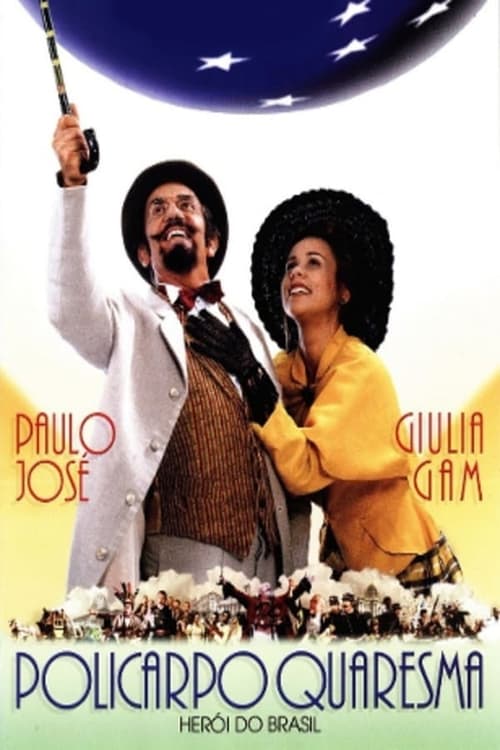
Policarpo is a chauvinistic patriot, a major who tries to find solutions for Brazilian problems using only the resources of his own country. His visionary and idealistic temperament is behind his strange ideas about how to build a great nation.
The Patriot

Based upon the life story of Father Antonio Vieira, born in Lisbon in 1608 and deceased in Salvador, Bahia, in 1697. He's considered the first Brazilian writer and one of the most important aesthete of linguistic and of the Portuguese language of all times, a master in the art of metaphor, of verbal relations and analogy. He was persecuted and condemned by the Portuguese Court of Inquisition due to his position against native slavery, against the intolerance to the Jewish people and to the colonial politics of exploration.
Sermões
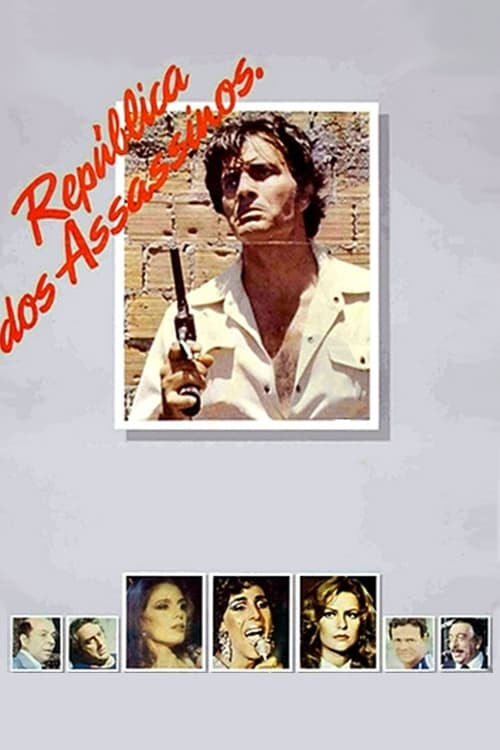
In 1970, the Esquadrão da Morte (Death Squad)' crimes for the refinement of violence provoked a wave of reactions throughout the country. The photos of the victims, adorned by the skull, symbol of the group, caused an uncomfortable indignation. This is the story of Mateus Romeiro, the most famous of the policemen, who was part of the Homens de Aço (Steelmen) group, one of the factions in which the squadron was divided.
República dos Assassinos
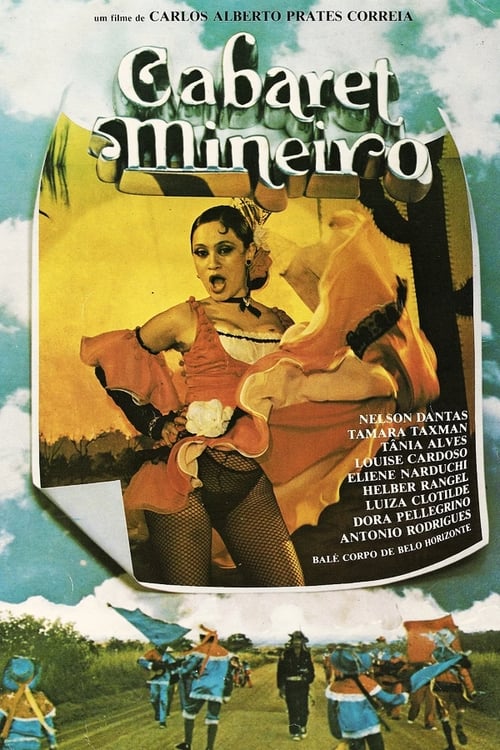
An adventurer travels by train through the Brazilian state of Minas Gerais, meeting old and new lovers and remembering love affairs of his youth.
Cabaret Mineiro

Poor people who live in the slums in Rio de Janeiro decide to occupy an empty apartment building in the rich part of the city. Meanwhile, a rich girl falls in love with a poor composer. Based on the musical play "Pobre Menina Rica", by Vinícius de Moraes and Carlos Lyra.
Para Viver Um Grande Amor

The story of a poor woman living in the backwoods of Brazil and working as a maid. One day she is unfairly fired from the house where she was working and goes to the big city, facing a cruel and hostile world, working in factories, bars and bordellos.
A Lost Woman

Between August 23 and 31, 1983, at the "Circo Massimo", in Rome, there was a musical event that brought together artists from Bahia. This film brings a recording of the event, also featuring backstage, rehearsals, testimonies and some relaxing moments of these great names in Bahia's music.
Bahia de Todos os Sambas

Ulisses has failed in his professional life, but leads a happy life with his wife Ângela and their two daughters. Until the day he is introduced to Bárbara, a very beautiful woman living in Rio de Janeiro. Ângela becomes her friend and gives her the dress Ulisses had given her. From then on, marital problems arise, and he becomes increasingly attracted to Bárbara.
O Vestido
In a country town in the state of Minas Gerais, Brazil, Januária is going to marry the shy and naive Amorim. But in her heart she wants to escape with her dream hero, the cowboy Roy Pereira, and start a new life in Texas.
Minas Texas
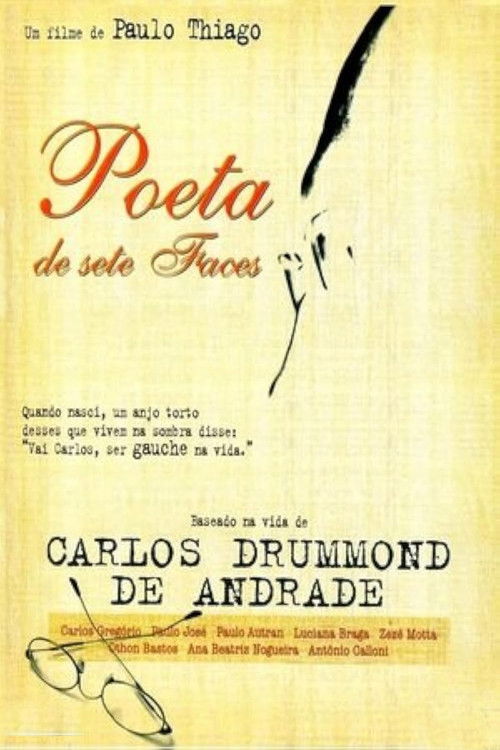
Documentary about Brazilian poet Carlos Drummond de Andrade, and the many facets of his work.
Poeta de Sete Faces
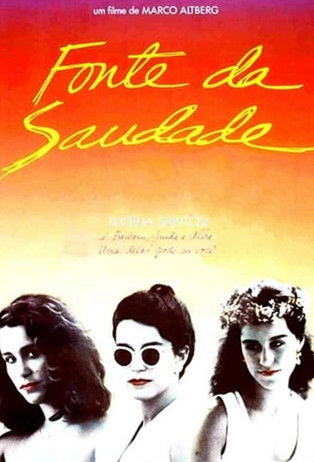
No description available.
Fonte da Saudade
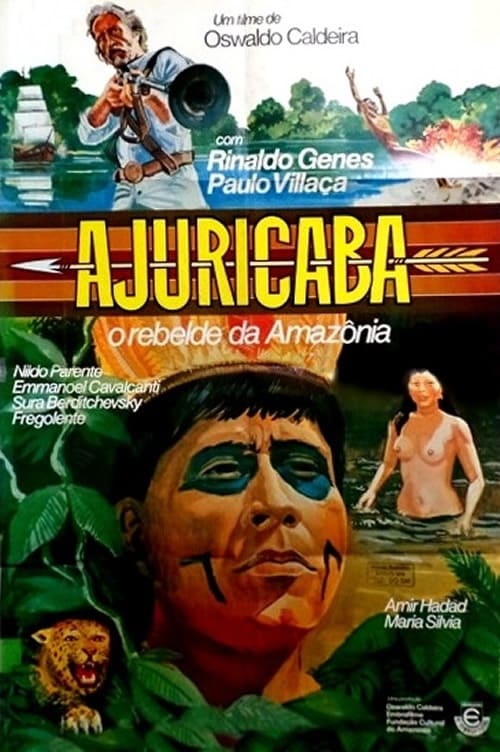
In the 17th century, to guarantee the possession of the region, disputed with Spanish and Dutch pirates, the Portuguese built a fort at the point where the dark waters of the Rio Negro meet the clear waters of the Rio Solimões, forming the Amazon River. Around the fort, the city of Manaus was born. Alli lived the Manaús Indians, warriors who worshiped Manari, the Good, and from him they received the order to fight all the invaders of the forest.
Ajuricaba, o Rebelde da Amazônia
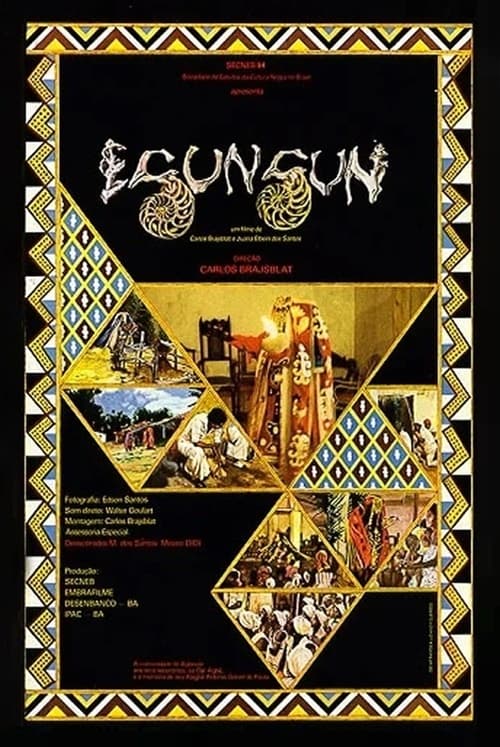
On the island of Itaparica, Bahia, a community of Nagô descendants has been recreating the customs and values of African and Brazilian ancestors for 200 years, living off fishing and harvesting fruits in a space that is being occupied by the real estate industry and tourism.
Egungun
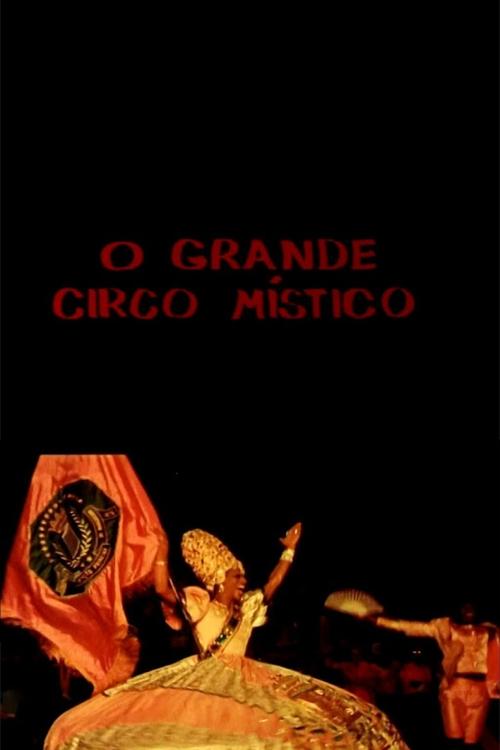
The world of Alagoas poet Jorge de Lima, author of unforgettable verses, is in O Grande Circo Místico, from 1977, directed by João Carlos Horta.
O Grande Circo Místico
No description available.
Waldemar Henrique canta Belém
No description available.
Iya-Mi-Agbá
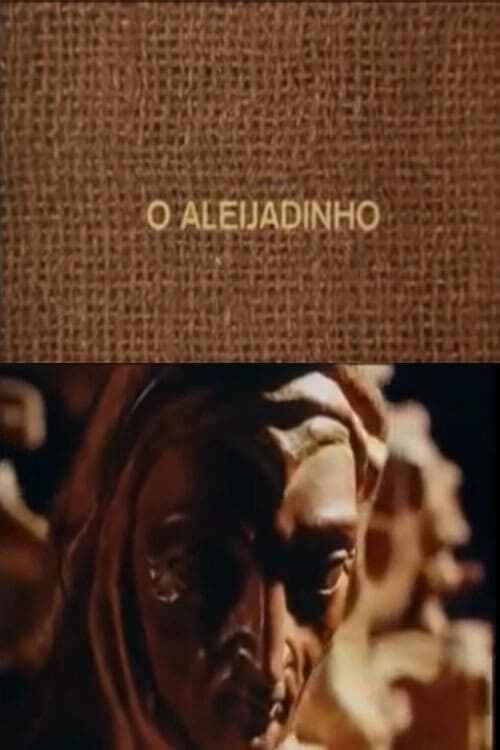
O Aleijadinho, a study of the work of Antonio Francisco Lisboa, the architect whose cathedral de Andrade had assisted in the restoration of more than 20 years earlier. de Andrade dedicated the film to his father, who had sent him on the expedition.