Acting
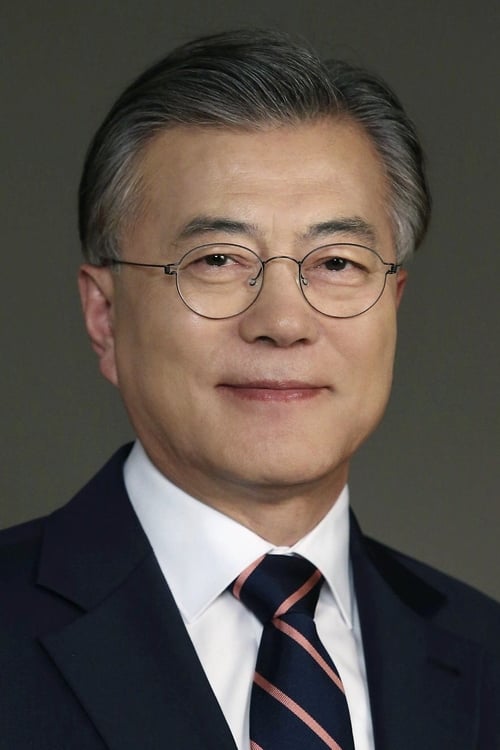
Moon Jae-in is a South Korean politician who has served as the president of South Korea since 2017.
This enlightening series from Vox digs into a wide range of topics such as the rise of cryptocurrency, why diets fail, and the wild world of K-pop.
No description available.
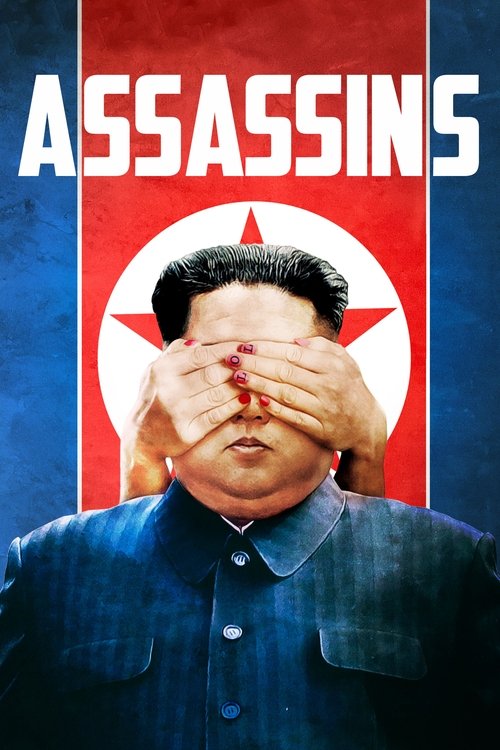
True crime meets global spy thriller in this gripping account of the assassination of Kim Jong-nam, the half brother of the North Korean leader. The film follows the trial of the two female assassins, probing the question: were the women trained killers or innocent pawns of North Korea?
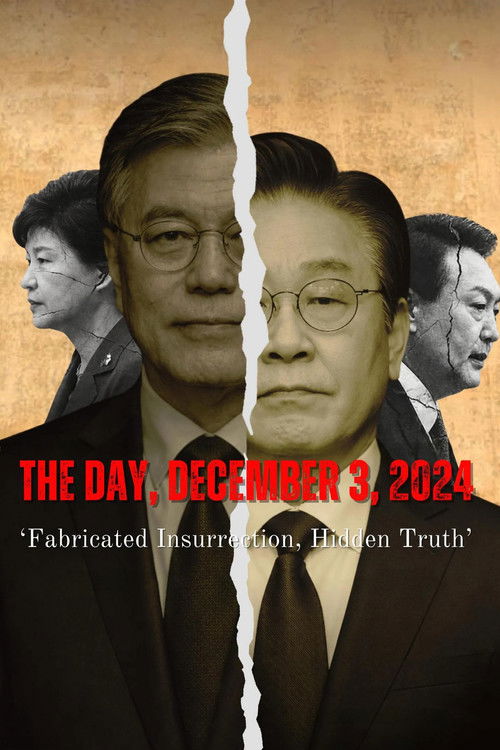
On the night of December 3, 2024, South Korea was thrown into chaos. What the public first heard as "an insurrection" quickly became one of the most polarising political events in modern Korean history. This documentary revisits that night and asks a deeper question: Was it really a coup attempt or the result of a calculated political trap? Through interviews, legal analysis, and evidence, the film investigates the impeachment of President Yoon Suk-yeol and the rapid collapse of his administration. It explores claims that an overwhelming opposition majority, built through alleged election manipulation, enabled a form of "legislative dictatorship" that mirrored the path that led to President Park Geun-hye's impeachment eight years earlier.
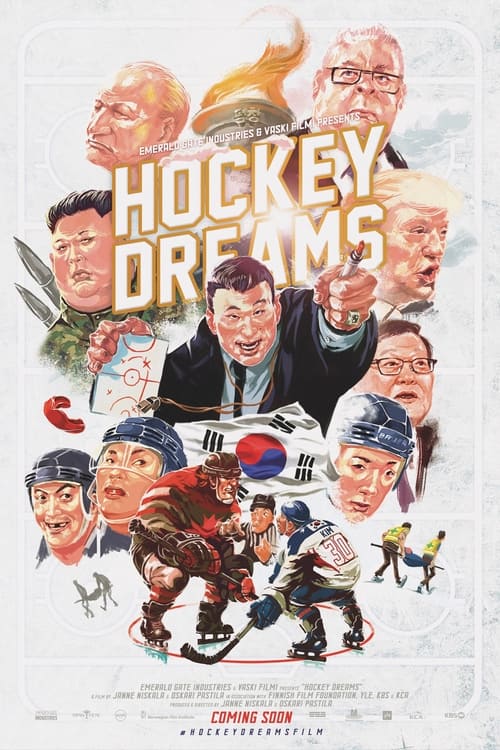
As the host country for the 2018 Winter Olympics, South Korea’s national ice hockey team was automatically given a spot in the Olympic hockey tournament. The team would play at the highest level for the first time, facing the top countries in the sport. The skill gap between them and their opponents was huge, as South Korea had just 180 professional hockey players. Failure and defeat weren’t acceptable results, as losing face is considered the worst thing that could happen in Korean culture. But how to avoid humiliation, when defeat seems certain?
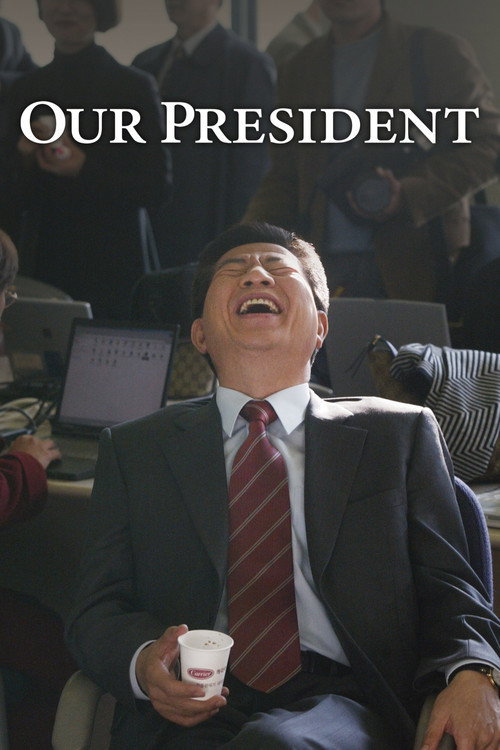
In South Korea, 2002, the Democratic Party put the presidential nomination to a plebiscite for the first time. Amongst numerous candidates, the one who brought about the most unexpected result was a fringe candidate named Roh Moo-hyun.
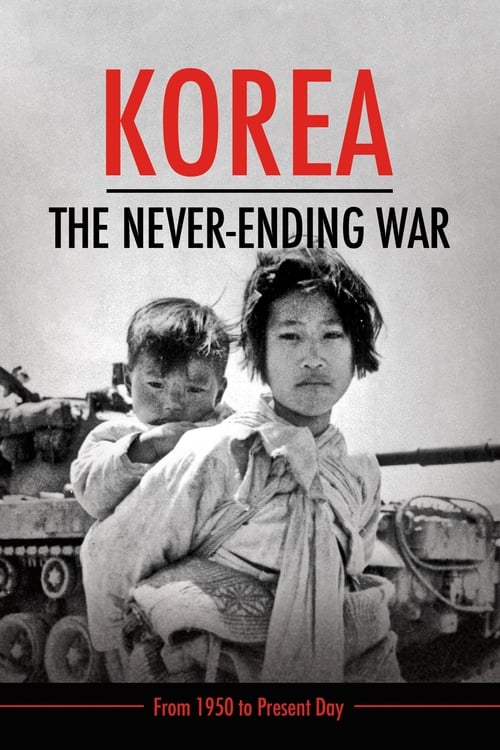
Shedding new light on a geopolitical hot spot, the film — written and produced by John Maggio and narrated by Korean-American actor John Cho — confronts the myth of the “Forgotten War,” documenting the post-1953 conflict and global consequences.
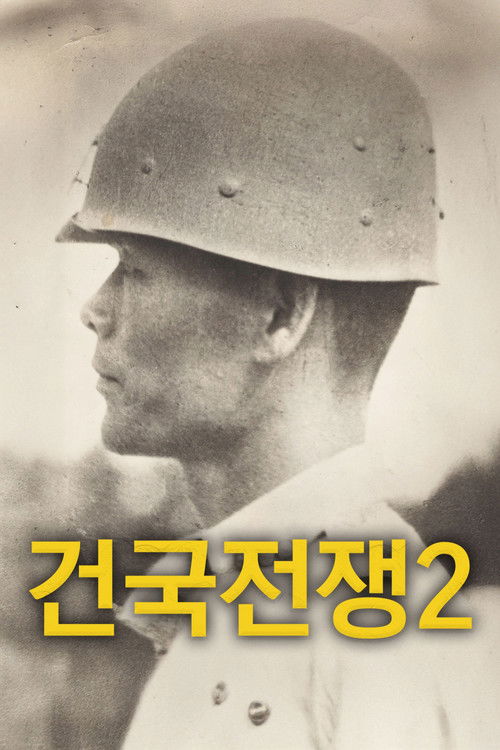
How did South Korea, after liberation in 1945 defend liberal democracy against leftist and communist forces? The door to that secret is now revealed.
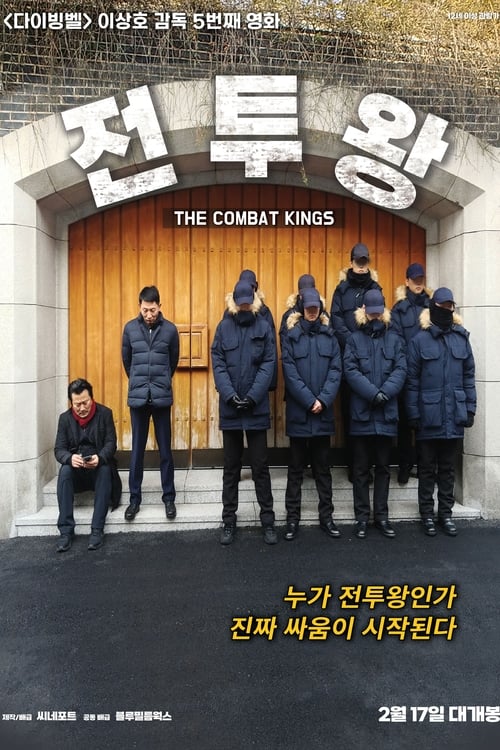
The Chun Doo-hwan regime seized power in a coup d'etat, massacred peaceful protesters. People from all walks of life have been fighting the military dictatorship in their own way. And the story of reporter Lee Sang-ho, who has been covering for over 30 years, begins.
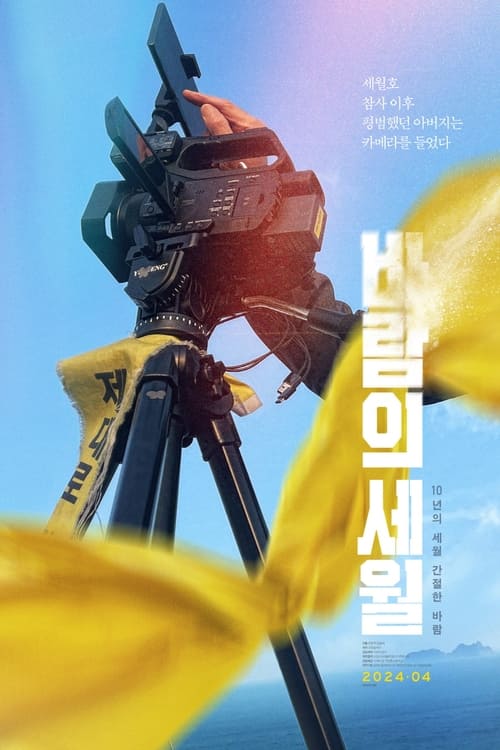
The 10-year struggle of the families who lost their children from the Sewol Ferry Disaster.
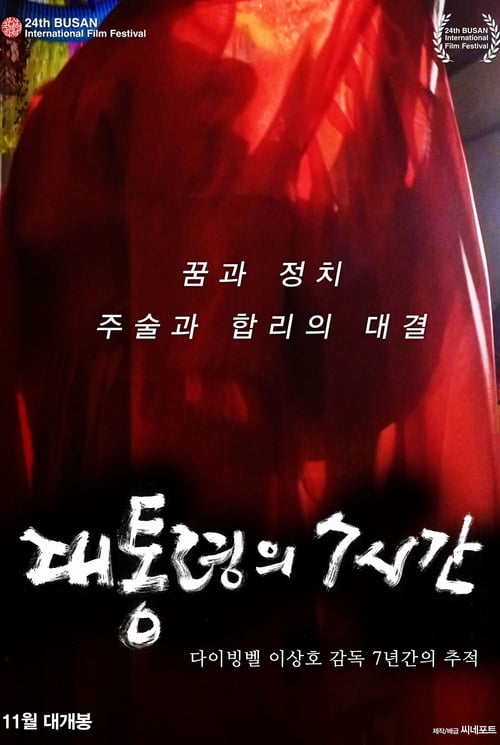
The film traces PARK Geun-hye's life back to the 1970s, when the leader-follower relationship began between PARK, who became the first lady of the Yushin regime, and CHOI Taemin, the leader of a pseudo-religion. It then examines the Sewol ferry incident, CHOI Soonsil Gate, candlelight rallies, and finally the impeachment.
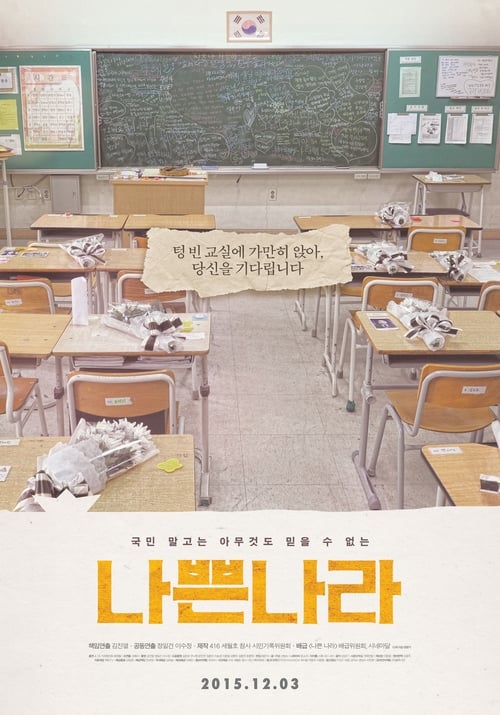
In April 2014, the entire nation of South Korea watched on television live as The Sewol capsized off the coast of Jindo. The tragedy left life-long wounds in the hearts of people whose family and friends had been among the 304 passengers killed. The majority of the victims were high school students on a school trip. Their parents were not even given the luxury of grieving, as they had to camp out in front of the Parliament, City Hall and the Presidential House, asking for only one thing - to know the truth about why their children had been left to die. But after more than a year, that truth has yet to be brought to light. This film is a documentation of the year-long struggle and painful soul-searching of people destined to be labelled as 'bereaved families' for the rest of their lives, as they come face to face with the naked face of their cruel country.
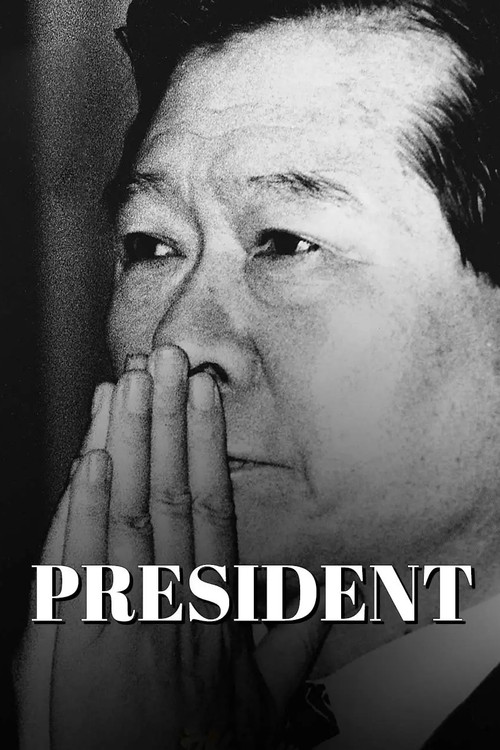
This documentary celebrates the life of former President Kim Dae-joong, who fought for democracy in South Korea and peace in the Korean Peninsula. It marks the 10th anniversary of his passing and covers his challenging journey, from his childhood on an island to his imprisonment, exile, near-death experiences, and ultimately becoming the president.
A contemporary history of Korea(s) from a unique point of view that embraces the inner history of both South and North Korea in a single narrative.
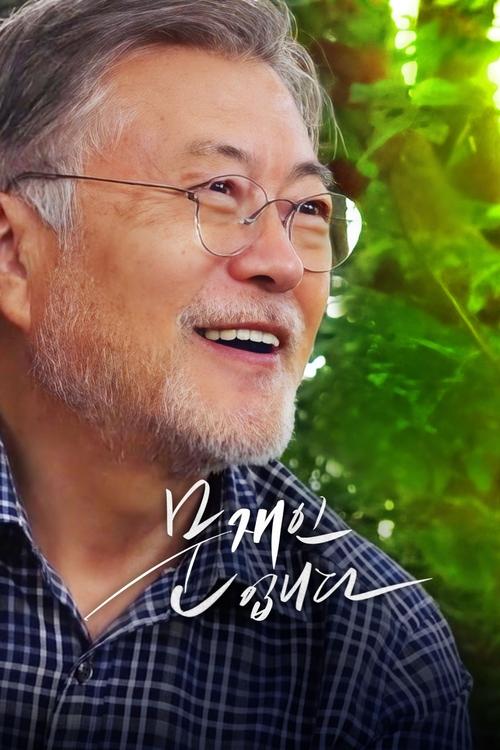
Why did Moon Jae-in, a human rights lawyer who hated politics, become president? During five years at the Blue House, why didn’t he use his power? Why did he just silently plant flowers while being sworn at by protesters? One by one, those who watched him reveal their hidden stories.
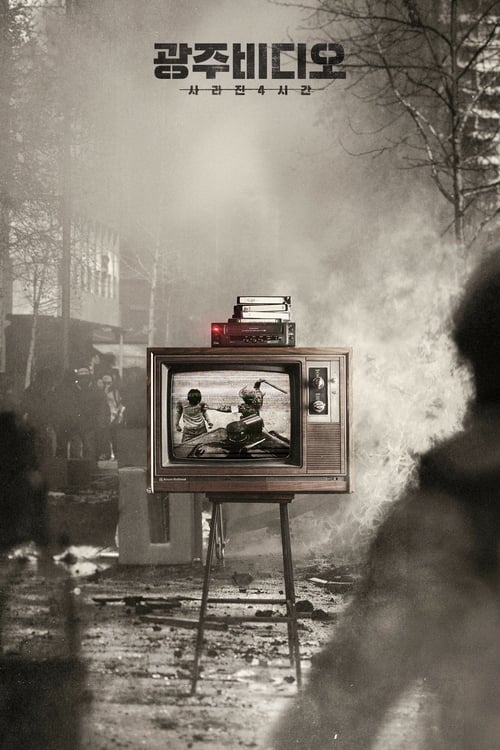
There are people whose lives have been shaken by the 'Gwangju Video'. On May of 1980, the course of their lives changed in front of a huge wave of truth in Gwangju. The people who made and spread the 'Gwangju Video' are also the people who had their bodies on the waves. The hidden stories of these people, the 40th anniversary of the Gwangju Uprising, and the pursuit to trace the missing 4 hours of mass shooting will be revealed for the first time.