Directing
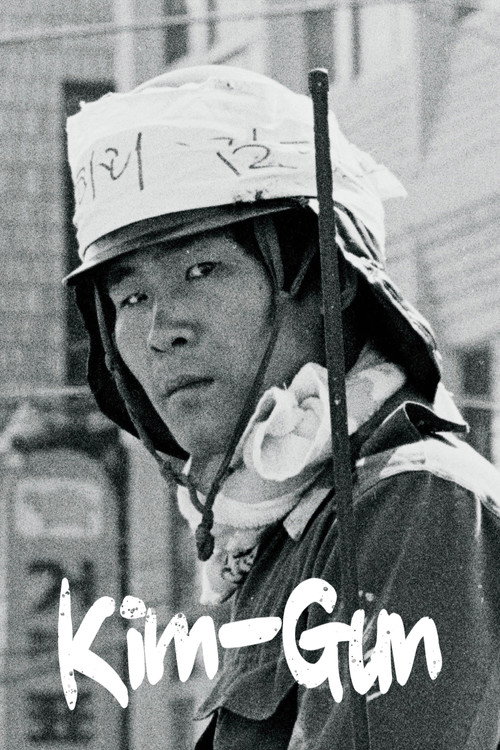
KIM-GUN searches for the whereabouts of a young man whose identity has sparked a national controversy over the 1980 May 18 Gwangju Uprising. Starting with the vague memories of those who had crossed paths with him during that time, the film tracks down those who participated in the Uprising as “Citizen Soldiers.” It also traces KIM’s final steps, based on photographic clues found in the firearms he carried and the “Surveillance Truck No. 10” in which he rode. By identifying KIM-GUN, we believe that we can find valuable leads to resolving the ongoing controversy over May 18. Why did a nameless young man join the Uprising? Why did he take up arms? Where has he gone afterwards? It is the answers to these questions that the film seeks.
The baseball teams of Gwangju Jeil High School and Hwasun High School play a game, and an insurance planner from Kyobo Life Insurance makes a call to the owner of Whirlpool Laundry. Boys of an acting school listen to music from a smart phone. The film staff shoots the scenes.
Studies of post-prison rehab and of life on Anmado island
The boy goes to the skating rink. Loss that can not be mourned does not disappear.
A young gay man faces arrest for burning his military-service draft notice.
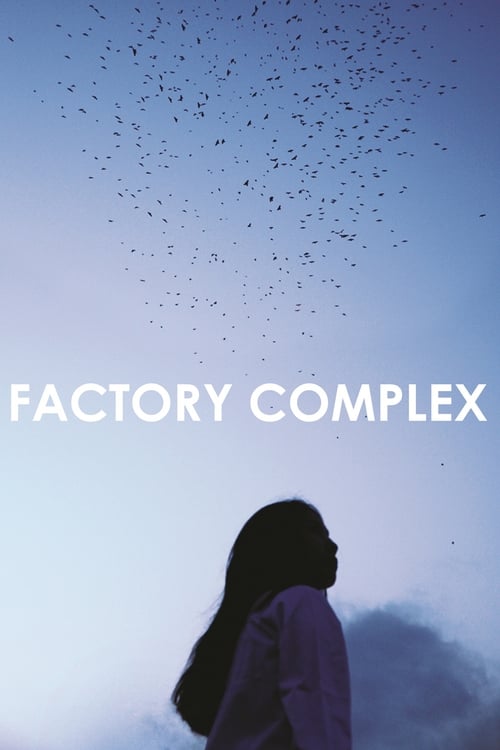
The drastic economic development in South Korea once surprised the rest of the world. However, behind of it was an oppression the marginalized female laborers had to endure. The film invites us to the lives of the working class women engaged in the textile industry of the 1960s, all the way through the stories of flight attendants, cashiers, and non-regular workers of today. As we encounter the vista of female factory workers in Cambodia that poignantly resembles the labor history of Korea, the form of labor changes its appearance but the essence of the bread-and-butter question remains still.
A man enters a rehabilitation centre for ex-convicts
This film begins with a Nepalese person named Minu who sings “Tears of Mokpo”. He came to Korea for a living in this 20s and made the band “Stop Crackdown” known for expressing the lives of migrant laborers through song. But being an illegal alien, he is deported after 18 years.
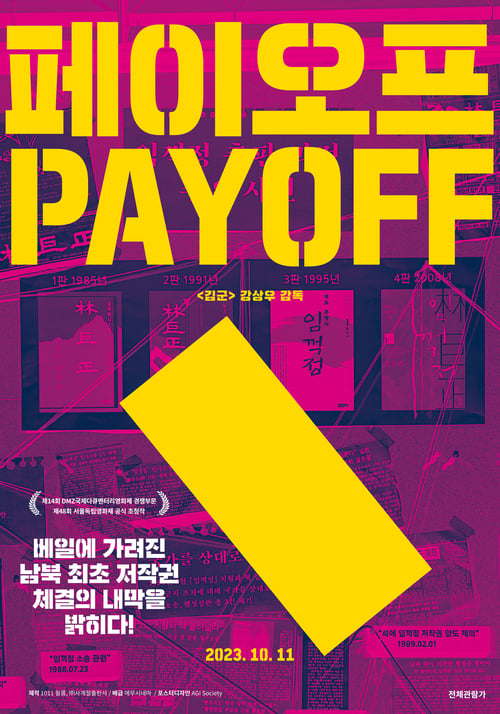
As the novel 『LimGeojeong』 becomes a great success, the publisher and the writer's bereaved family in North Korea meet to solve the copyright problem. Their exchanges between South and North Korea create another novel-like story that condenses issues in various fields including politics, economy, and culture together with concerns and hospitality.
Every weekend, the gay male choir G-Voice rehearses in Seoul. The choir, being a kind of antidote to homophobic Korean society, makes the everyday lives of gay men its theme in an intelligent and humorous way. For their tenth anniversary, the members are planning to give their first big concert with ambitious arrangements, creative choreographies and many new pieces. Besides preparing for their big day, G-Voice are also politically active, singing for equality and against discrimination.