Roger C. Brown
Directing
Known For
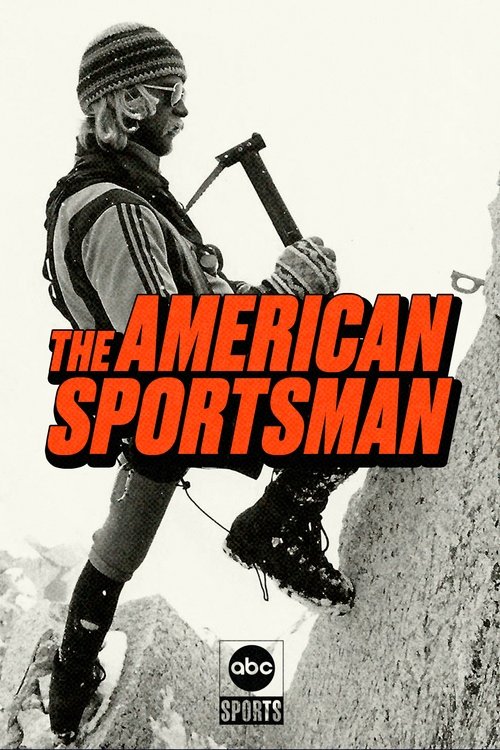
The American Sportsman was an American television series on ABC that aired from 1965 to 1986 and pioneered the outdoor sports and recreation genre. Hosted by Joe Foss and later the famous Curt Gowdy, the show featured hunting, fishing, and other outdoor adventures every Sunday, often with celebrities from film, sports, or music. The show consisted of filmed reports where the hosts and celebrity guests participated in outdoor activities: freshwater and saltwater fishing, hunting, whitewater kayaking, hang gliding, and even rock climbing. The crew traveled across the United States, Canada, and sometimes abroad, capturing the spirit of adventure and exploration.
The American Sportsman
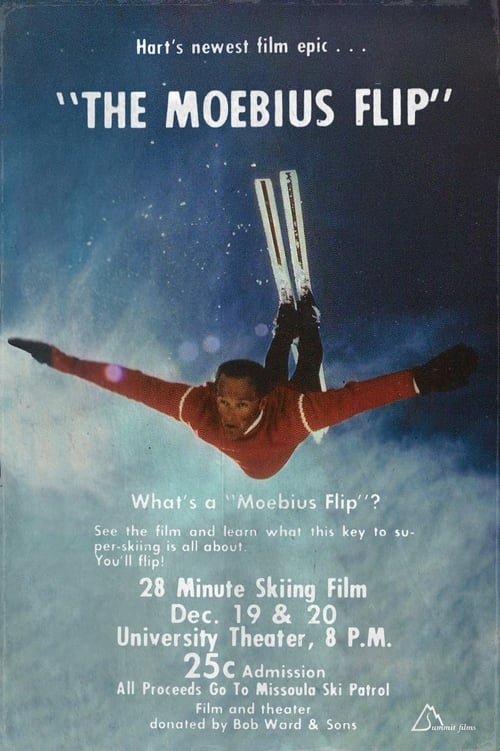
A science fiction fantasy on skis with spectacular glacier skiing, extraordinary acrobatics, unique optical effects, and an original score. The world's polarity is mysteriously reversed, requiring the skiers to regain the realm of normal perception by performing maneuvers inspired by the ambiguous nature of the "Moebius Strip."
The Moebius Flip
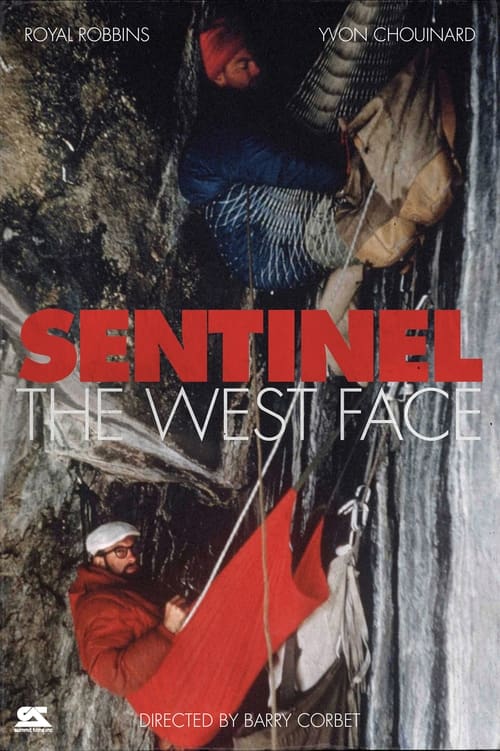
1967: Two of the world's best climbers, Yvon Chouinard and Royal Robbins, tackle the west face of Sentinel Rock, an iconic 2,100-meter granite peak located in Yosemite National Park, considered one of the most difficult in the world. The film's atmosphere is immersive, driven by a sober narrative that highlights the intimate relationship between man and the wall. The technical difficulty of the route, the prolonged physical effort, and the isolation reinforce the heroic dimension of this ascent. The documentary also reveals the essential solidarity between the climbers: each progression requires rigor, inventiveness, and total trust in both the equipment and the partner. This film is considered a benchmark in the history of mountain cinema. It testifies to the pioneering spirit of the era and the evolution of climbing techniques, perfectly illustrating the transition to a more athletic and thoughtful approach to large rock faces.
Sentinel - The West Face
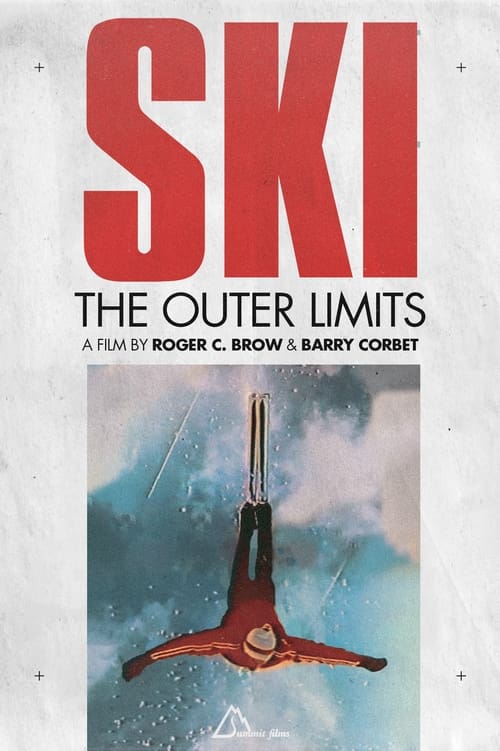
"Ski The Outer Limits" is a poetic exploration of man's "conquest of the useless," his quest to expand the limists of his abilities. Racing, clowning, teaching, flipping and flying - the world's finest skiers define their limits. A philosophical narration brings the story home to anyone wishing to explore their limits.
Ski The Outer Limits
A hilarious updated version of Hannes Schneider's classic chase film of the 30's. The villain and ski thief, Fred Iselin, is pursued through Vail, Jackson Hole, and Chamonix in France.
The Great Ski Chase
Challenges; mental, physical, both? How far can you go? How fast? What’s it like to go three days without food and companionship? To run 15 miles, to climb a 14,000 foot mountain, to navigate in dense forest or open ocean, to rappel down a vertical cliff, or sleep in the snow? Teenagers find out in Outward Bound Schools throughout the country. The result is a positive sense of self and the natural environment. The film is fast paced with intentional disregard for time and space continuity. The students tell the story.
Outward Bound
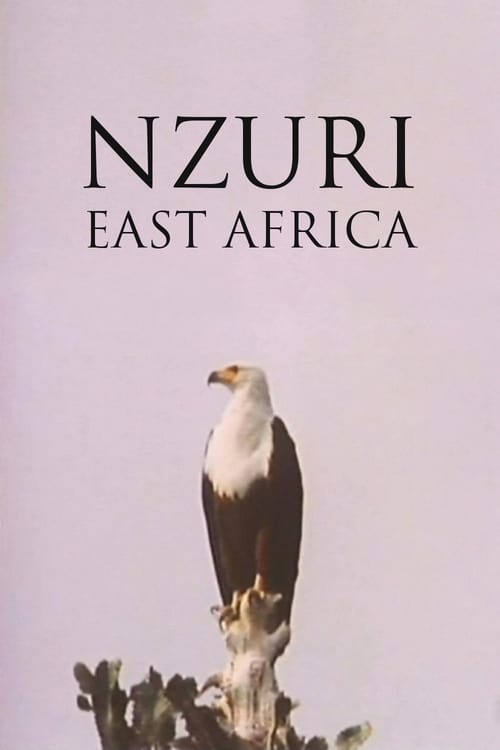
Filmed in Kenya, Tanzania, and Uganda. Beginning with Genesis, the film follows the progress of civilization through to modern day Nairobi. Biblical themes combine with pulsating African music, wild animal sounds, and vivid imagery. Unusual juxtapositions of Bob Fulton's quick cuts and Brown's big lens shots of mega fauna and tribal dances mesmerize viewers.
Nzuri: East Africa
The serendipitous invention of magic skis facilitates Art Furrer's escape from drab reality into pristine fantasy. He joins the other stars on an odyssey through the Rockies and the Alps. It's a children's story.
The Incredible Skis
The ultimate sports adventure film records the accomplishments of various sportsmen who extend themselves to the limit of their abilities in death-defying feats.