Acting
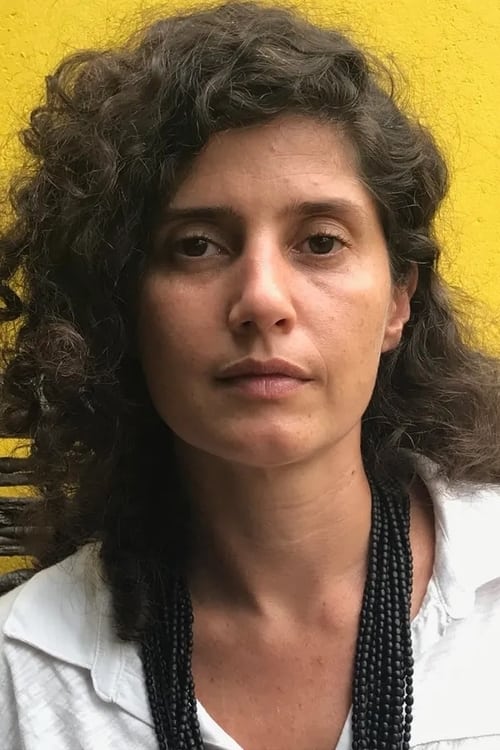
Gabriela Almeida Carneiro da Cunha (Rio de Janeiro, May 4, 1982) is a Brazilian actress.
A woman married to a former politician during the 1971 military dictatorship in Brazil is forced to reinvent herself and chart a new course for her family after a violent and arbitrary act.
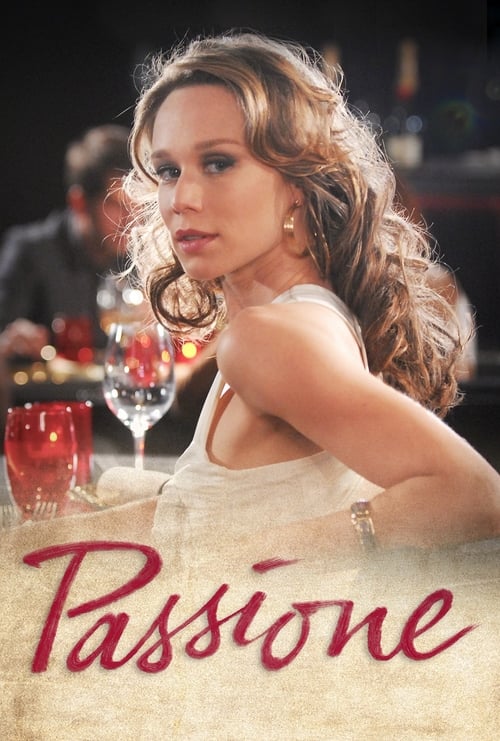
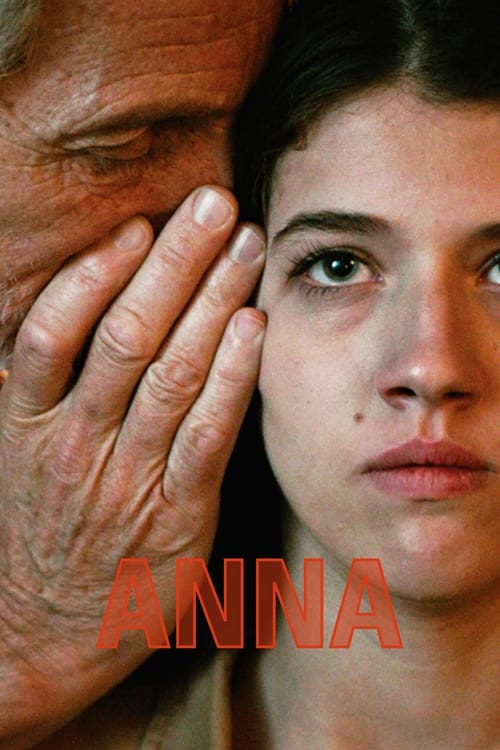
An ambitious young woman with a traumatizing past targets an Italian man, the distant son of a wealthy Brazilian family.
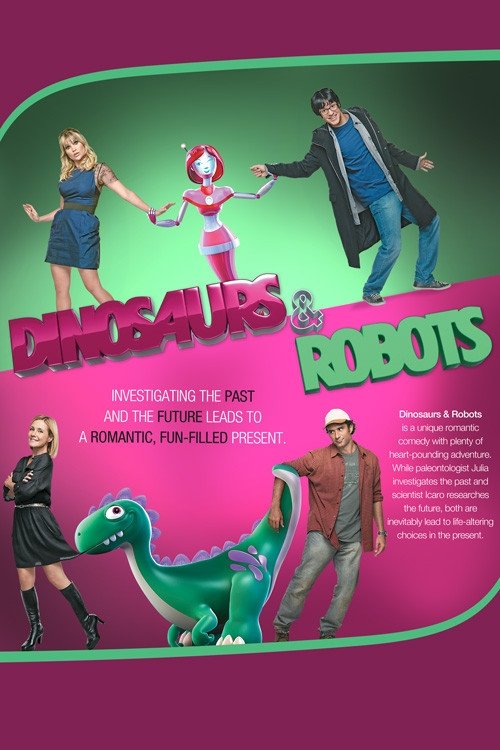
Paleontologist Júlia wants to convince the stubborn farmer Abner to let her excavate on his land. The site is said to be an archaeological site containing the remains of prehistoric animals.
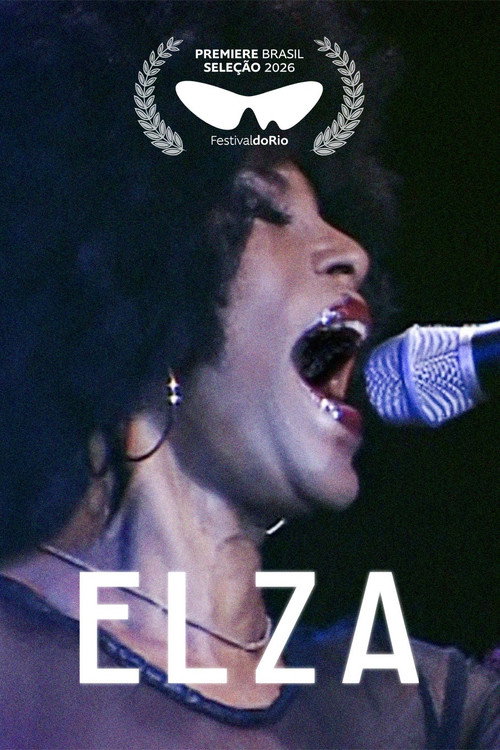
With her radical voice, visceral improvisation, and unmistakable rasp, Elza Soares created a language all her own and crossed generations, continually reinventing herself as one of Brazil’s greatest artists. In the documentary that bears her name, Elza narrates her own story, weaving together a diary of memories, desires, and reflections through music, in dialogue with historic Brazilian films. Through Elza and her nearly century-long life, the film offers an X-ray of a country in turmoil.
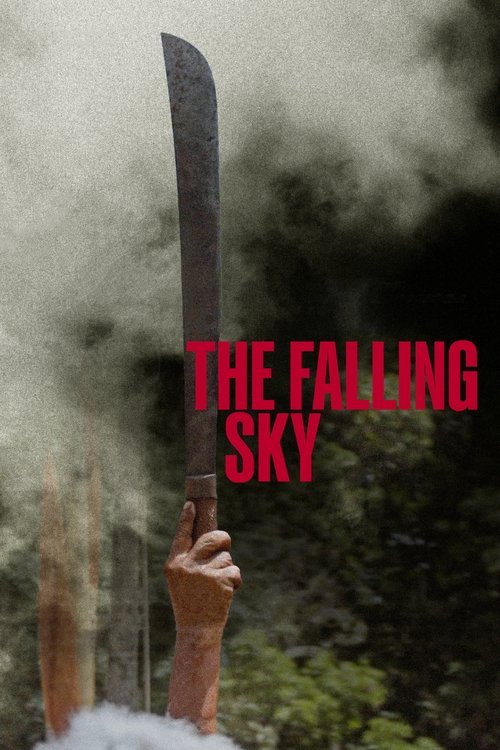
Documentary about Indigenous peoples' profound connection to nature and their struggle against deforestation, a grave threat to their way of life and the ecosystem they call home.
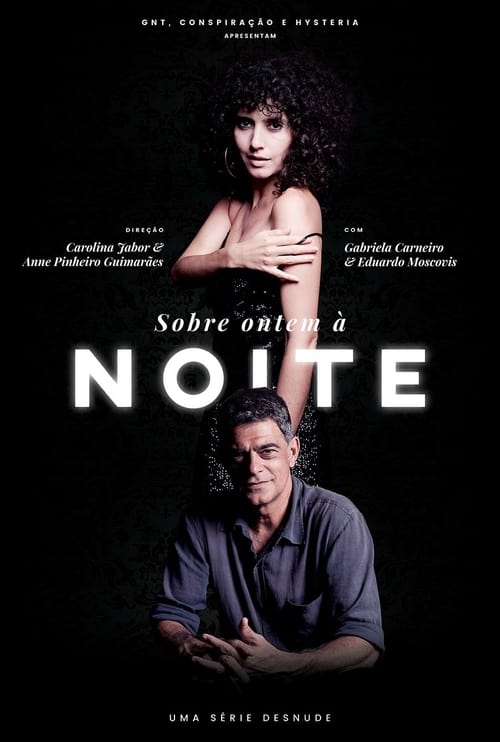
Naked sets out to explore and deconstruct female sexuality. In it, women assume their protagonism and dictate the rules when it comes to sex.
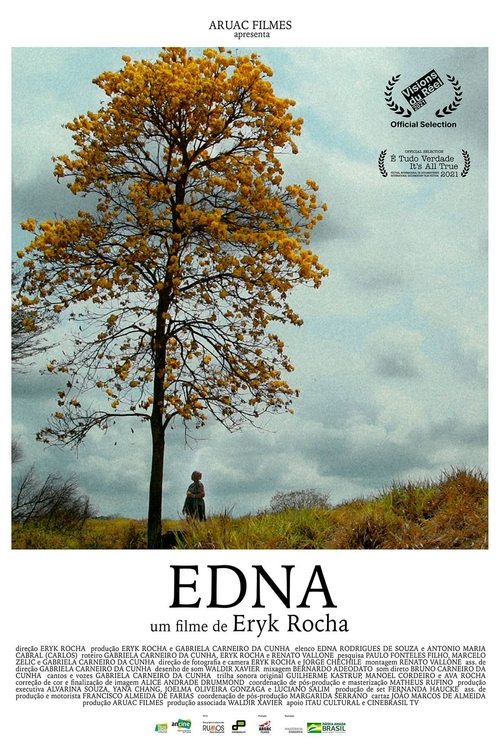
On the edge of the Transbrasiliana highway, Edna lives in a land in ruins, built on massacres.
No description available.
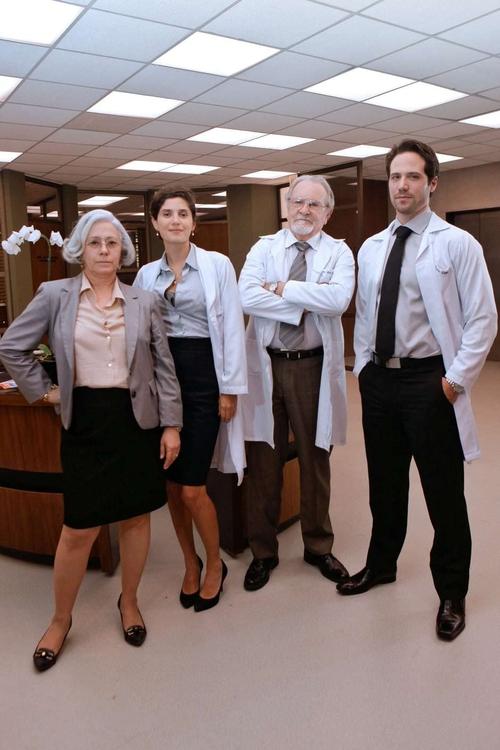
In the series, surgeons Alex (Antonio Petrin) and Jairo (Antonio Saboia), along with endocrinologist Cleo (Gabriela Carneiro da Cunha), are partners in the high-end aesthetic clinic Uberwald. Alex, older and grumpy, tends to be straightforward and even refuses some procedures in the name of ethics. On the other hand, Jairo is more ambitious and sees clients as a good opportunity to make money by boosting their self-esteem. Finally, Cleo helps patients understand the secrets of the human body and good nutrition. The cast also includes names like Isabella Masor, Cecília Homem de Mello, Claudia Alencar, Fafá Rennó, among others. Throughout the episodes, the series also features special appearances.
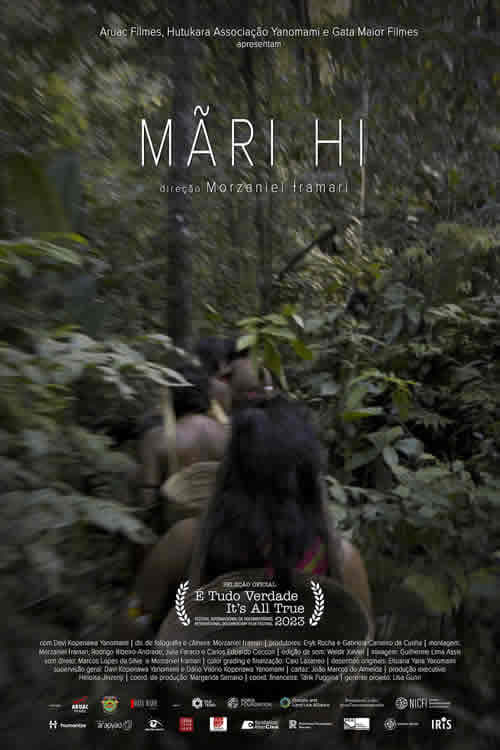
When the flowers of the Mari tree bloom, dreams arise. The words of a great shaman lead to an oneiric experience through the synergy between cinema and the Yanomami dream, presenting poetics and teachings of the peoples of the forest.
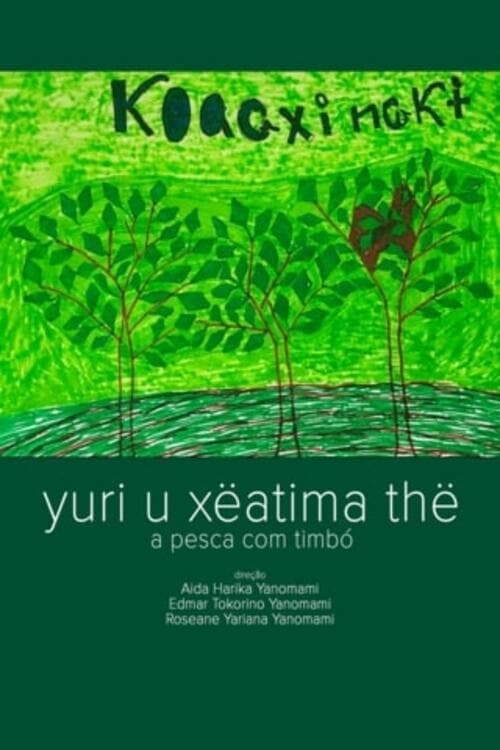
An eye-opening he said/she said perspective on timbó fishing, a traditional practice of the Indigenous Yanomami people that involves the entire community and a vine used to stun fish, seamlessly blends preservation documentary, origin myth, magic realism and the reality of mining and economic threats to Yanomami culture in this formally inventive reclamation.
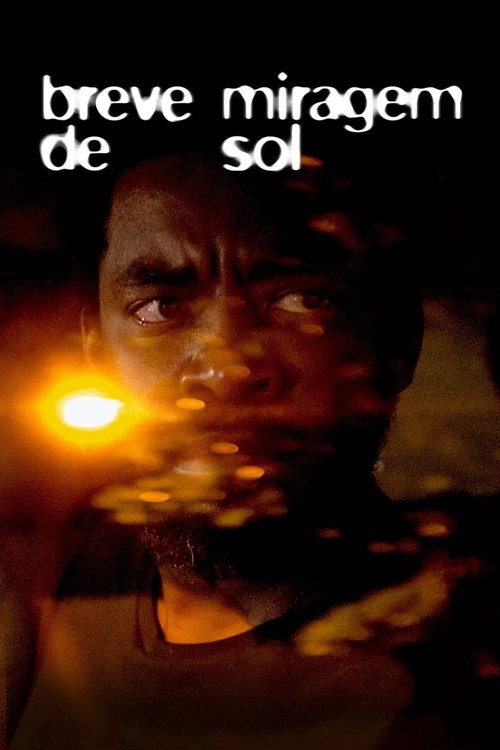
Down on his luck and recently divorced, Paulo has begun driving a cab around Rio, hoping he’ll make enough to send his ex money to support their ten-year-old son. He mostly works nights, so in addition to his encounters with a colourful variety of customers, colleagues, cops and others, he must cope with loneliness, fatigue and new faces in his life.
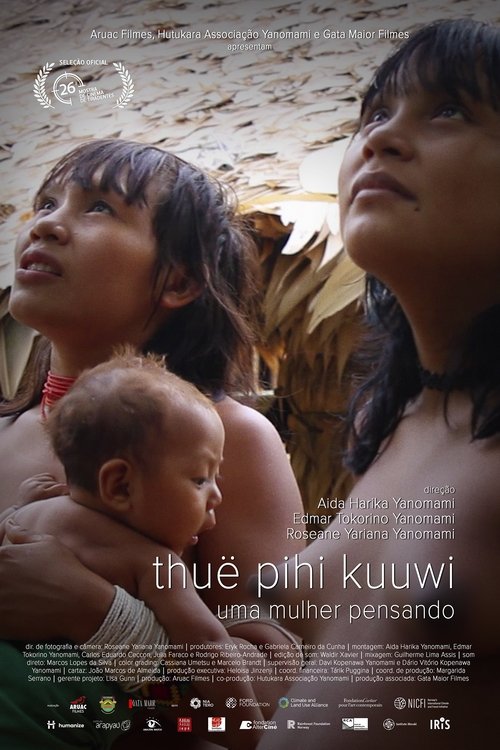
A Yanomami woman watches a shaman prepare the Yãkoana, food for the spirits. Based on the narrative of a young indigenous woman, the Yãkoana that feeds the Xapiri and allows shamans to enter the world of spirits also proposes a meeting of perspectives and imaginations.
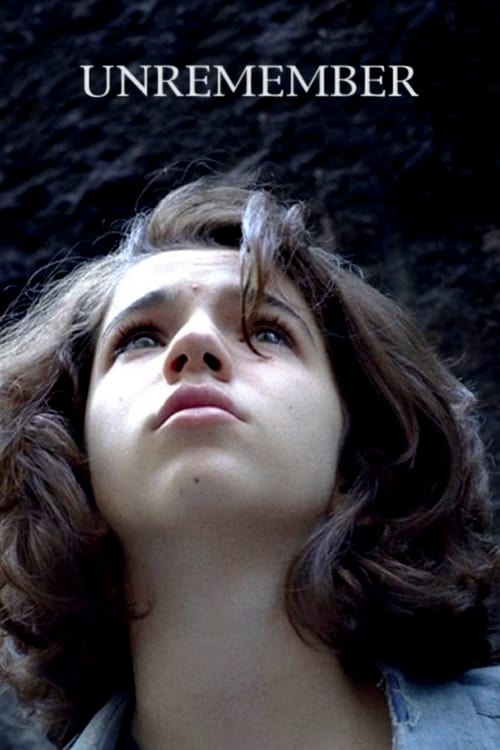
Teenager Joana feeds her soul with literature and rock. In 1979, when amnesty is granted in Brazil, she's forced to move with her family from Paris back to the country she barely remembers. Back in the city she was born in, and where her father was forcedly disappeared, she recovers pieces of memory from a fragmented childhood in Rio de Janeiro. Not everything is real, not everything is imagination. And as she remembers, Joana must write her own story in the present tense.
Within a society that reviews its values and paradigms, where power relations are put in check, the feminine and the masculine gain new meanings.
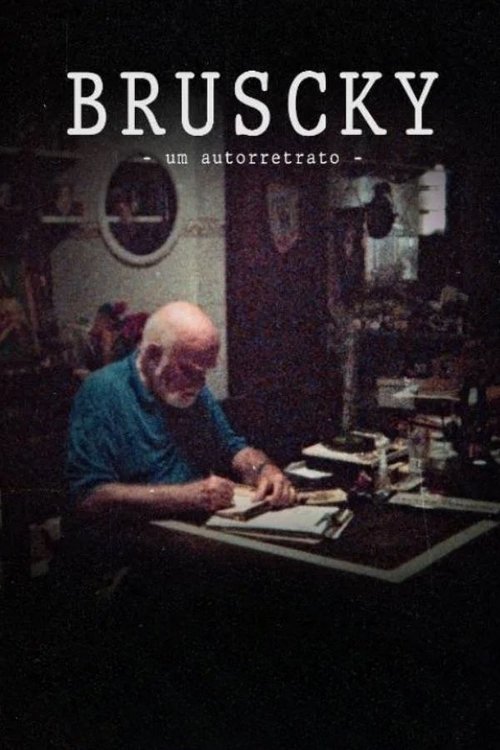
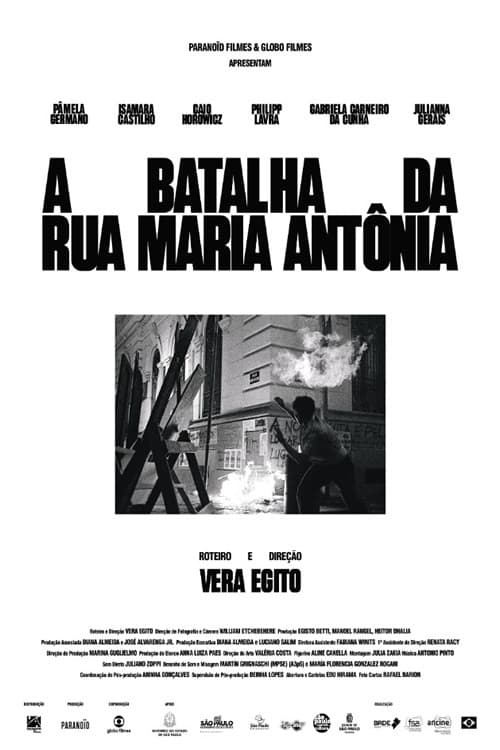
21 sequence shots depict moments in a defining night of the Battle of Rua Maria Antônia, in October 1968, from the point of view of the students and professors of the Left-wing Student Movement, in the Philosophy Faculty building of USP.