Sound
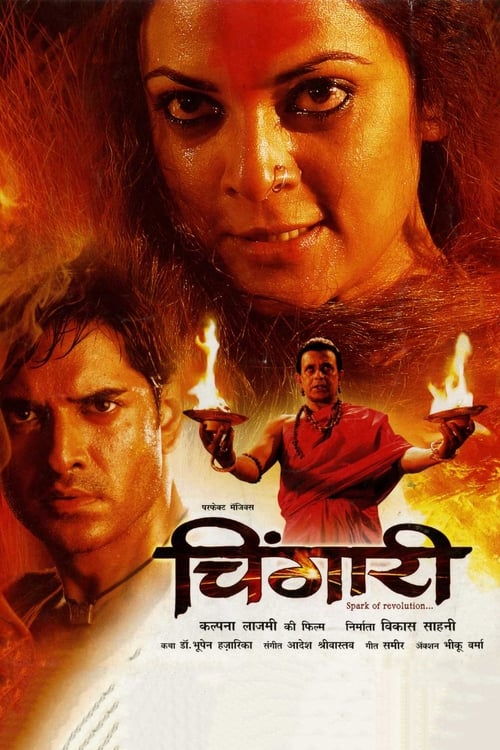
Mithun Chakraborty plays a powerful and domineering priest who rules his temple and the surrounding village with an iron fist, all supposedly for the sake of religion. He becomes enamored with a prostitute (Sushmita Sen) from a local brothel and begins spending more and more time with her. But when the village postman (Anuj Sawhney) takes a liking to her as well, the priest is forced to deal with him and a growing village rebellion.
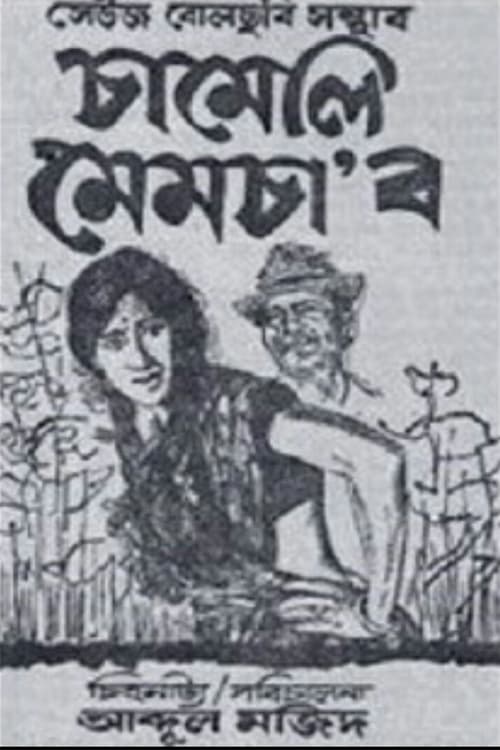
The film is set in a tea garden in Assam, where a British tea estate owner Berkeley (George Baker), he falls in love with Chameli (Binita Borgohain), is local girl who works in the tea estate. Subsequently, Berkeley marries Chameli, however later finds himself accused of her murder.
A mysterious and beautiful woman, in her various incarnations, inspires artists throughout the ages.
1956 Assamese film
1955 Assamese film
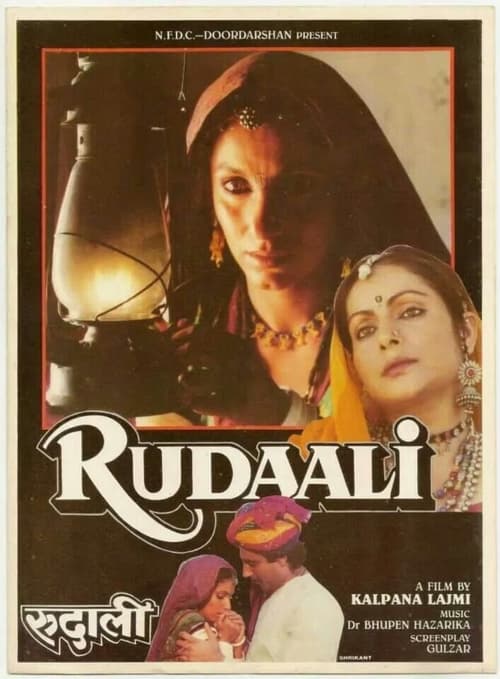
Shanichari is a beautiful girl born in lower cast and her life is full of sufferings because of lower cast, poor finances, lost parents, drunken husband, mischievous son. The title refers to a custom in some parts of Rajasthan—where aristocratic women were long kept secluded and veiled—of hiring professional women mourners on the death of a male relative, a rudaali (pronounced “roo-dah-lee”—literally, a female “weeper”) to publicly express the grief that family members, constrained by their high social status, were not permitted to display—or at times, perhaps did not feel. Underwritten by the National Film Development Corporation (NFDC) and Doordarshan (Indian national television) and based on a short story by famed Bengali author Mahasweta Devi—whose tales often focus on the travails of low-caste women.
The Saikia family are an extremely wealthy family in Assam. The two sons of the family are Sanjay (Sayaji Shinde) and Sunil Saikia (Sanjay Suri). The latter being the kinder of the two whilst the former is very hot-tempered and has occasional mood swings. The parents decide to get him married to Durga (Raveena Tandon), a lower caste girl from a poor family, thinking she will be able to cope with Sanjay's temper. Sanjay initially refuses to marry Durga, but when his mother threatens to cut him off from the family will he relents. Thus, Durga marries Sanjay and looks forward to her new life. From day one, Durga is subjected to physical and mental harm by her husband.
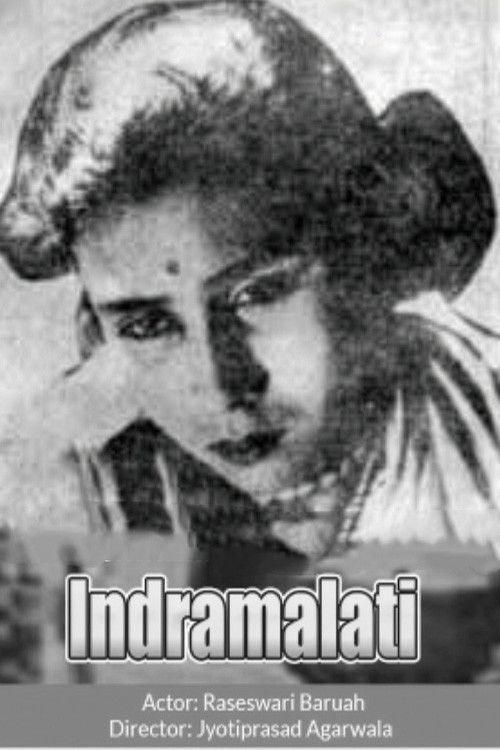
Indramalati is the second Assamese language film, directed by the great Assamese poet Jyotiprasad Agarwala Jyotiprasad Agarwala wrote the story of Indramalati, which was a tale of romance.
Love paves common ground for a protector of forests and protector of the tribes who live there.
A philanderer, the only son of a wealthy doctor, is attracted to a poor orphaned artist. Her stepbrother loathes rich people, and would go to any extent to get money off them. What would happen if the roles reversed?
An Assamese film.
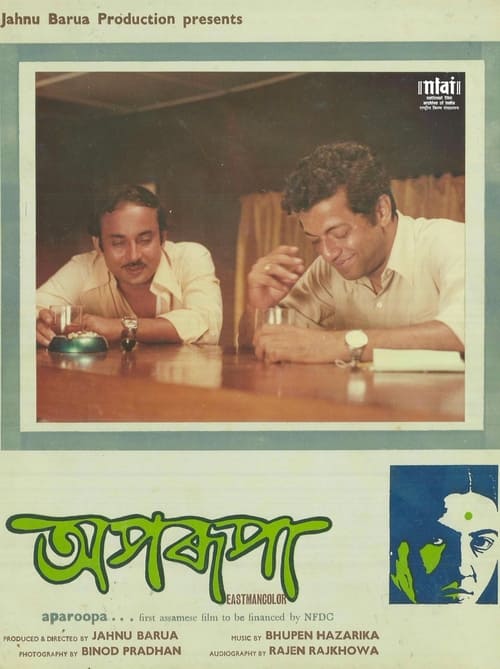
1988 Assamese film by Bhupen Hazarika
Amal Basu, who decides to visit his hometown, meets Lila on the train. When he goes to his friend Nabendu's home, he learns that Lila is his sister and a smuggler.
Set in the tea plantations of Assam in northeast India, where a young woman quits her studies to marry a wealthy man whom her father owes money. The monotony of her days is broken by the arrival an old university acquaintance.
Mera Dharam Meri Maa tells the story of two brothers, Takar and Talo, their moral choices and where those choices lead to. Set in the era when the present-day Arunachal Pradesh was called NEFA, the film also gives a glimpse of the life and culture of the people who have seen the inception of Arunachal Pradesh as a full-fledged state as we know today.
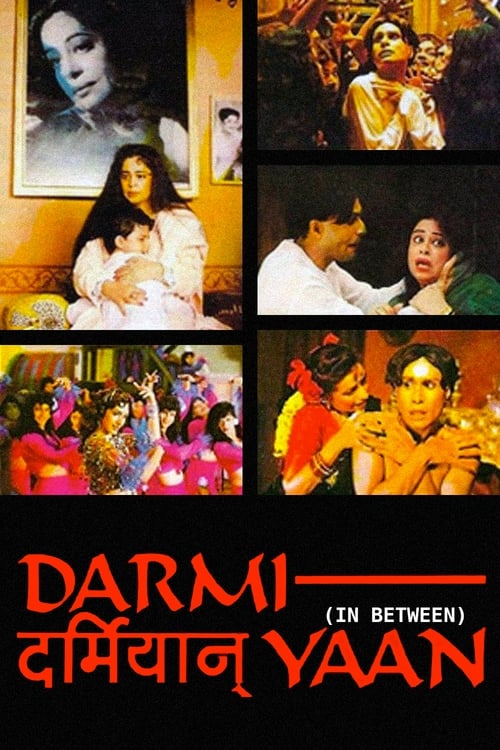
The saga of Mazhuddin Khan alias Immi, born in 1939 in Bombay, British India, as a eunuch, whose mother, Zeenat, in denial that she has sired him, refers to him as her younger brother. She attains fame, has an affair with Inder Kumar Bhalla, only to lose him years later to a younger actress, Chitra. Embittered, she sets out to seek vengeance, takes to gambling and alcohol, isolates and alienates herself from the film-world, and then must also deal with the news that Immi has become the 'father' of a male child, Murad. In the end, it is Immi that saves her from total self-destruction.
The film is based on the witch-craft practice amongst the villagers.
The film throws light on the role of the Satra & Namghar in the evolution of genesis of Assamese identity. The Satra and Naamghars were set up by Shankarcharya, with religious aspect it became a part and parcel of Assamese social and cultural life.