Patachou
Acting
Biography
Henriette Ragon (10 June 1918 – 30 April 2015), better known as Patachou, was a French singer and actress. She was an Officier of the Légion d'honneur. Born in the 12th arrondissement of Paris, Henriette Ragon began her working life as a typist, then a factory worker, a shoeseller and an antique dealer. In 1948, with her husband Jean Billon she took over a cabaret-restaurant in Montmartre, called Patachou. (Their son Pierre Billon had some success as a singer in the 1970s and wrote J'ai oublié de vivre for Johnny Hallyday.) She began to sing in the bistro, and journalists began to call her Patachou after the name of her cabaret (pâte-à-choux means cream puff dough). Georges Brassens sang there, and together they sang the duet "Maman, papa". She was the first to interpret other songs he composed such as "Le bricoleur", "La chasse aux papillons", etc. The evening she sang them for the first time, she suggested her audience stay to the end of the show and meet the writer of these songs, and Brassens went up on to the Patachou stage for the first time and sang Le Gorille and P..de toi. Sometimes she would collect half-ties (she would snip the neckties of customers reluctant to join in the singing and immediately staple them to the ceiling, a habit which has created a very original decor of the place - hundreds of neckties hanging above) – Thomas Dewey and Errol Flynn were among her victims. Her first records were released in 1952. She appeared at the Bobino, a Montparnasse music-hall, toured in France and then further afield. From 1953 onwards, she could be seen on-stage at the Palladium, the Waldorf Astoria, and Carnegie Hall, and throughout the United States. From the beginning of the 1970s she toured Japan and Sweden where 'L'eternal Parigot', with her cheeky Parisian register, was popular. Patachou was made Officier of the Légion d'honneur on 1 January 2009. Patachou died on 30 April 2015 at the age of 96. Source: Article "Patachou" from Wikipedia in English, licensed under CC-BY-SA 3.0.
Known For

No description available.
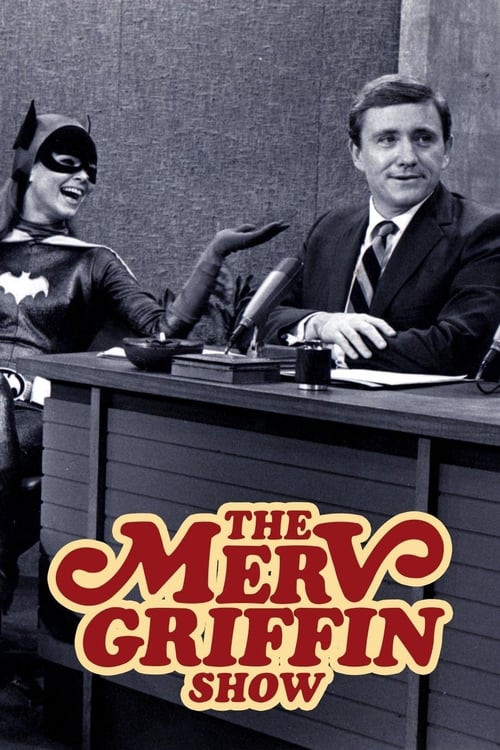
The Merv Griffin Show

The Ed Sullivan Show is an American TV variety show that originally ran on CBS from Sunday June 20, 1948 to Sunday June 6, 1971, and was hosted by New York entertainment columnist Ed Sullivan. It was replaced in September 1971 by the CBS Sunday Night Movie, which ran only one season and was eventually replaced by other shows. In 2002, The Ed Sullivan Show was ranked #15 on TV Guide's 50 Greatest TV Shows of All Time.
The Ed Sullivan Show

No description available.
Sacrée soirée

No description available.
L'Académie des 9

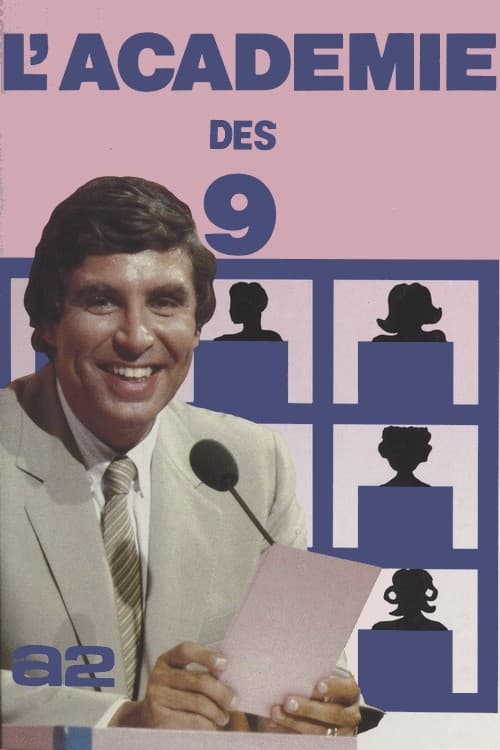
A French variety show.
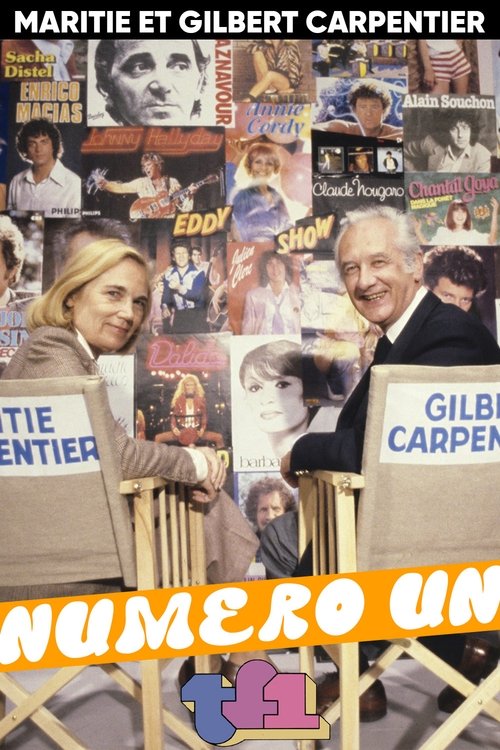
Numéro un

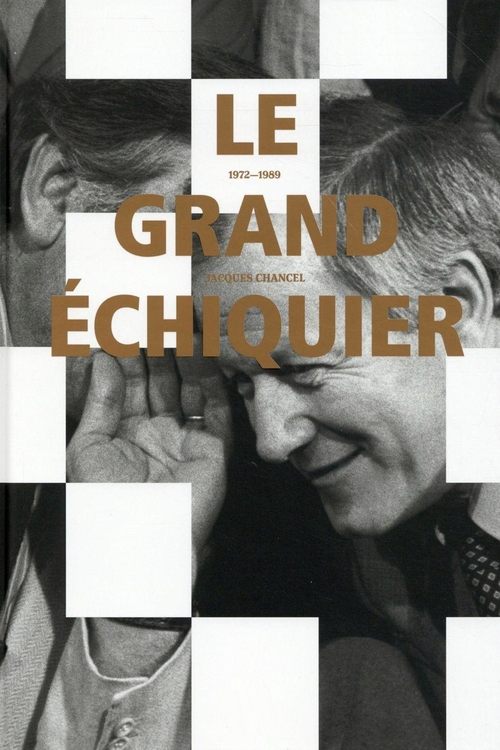
Le Grand Échiquier is a French variety television program created and presented by Jacques Chancel. It aired at 8:30 pm on the first channel of the ORTF from January 12, 1972 to July 12, 1972, then on the second color channel of the ORTF from September 1972 to December 1974, and finally on Antenne 2 from January 1975 to December 21, 1989. The program returned to France 2 on December 20, 2018 and is hosted by Anne-Sophie Lapix.
Le Grand Échiquier
No description available.
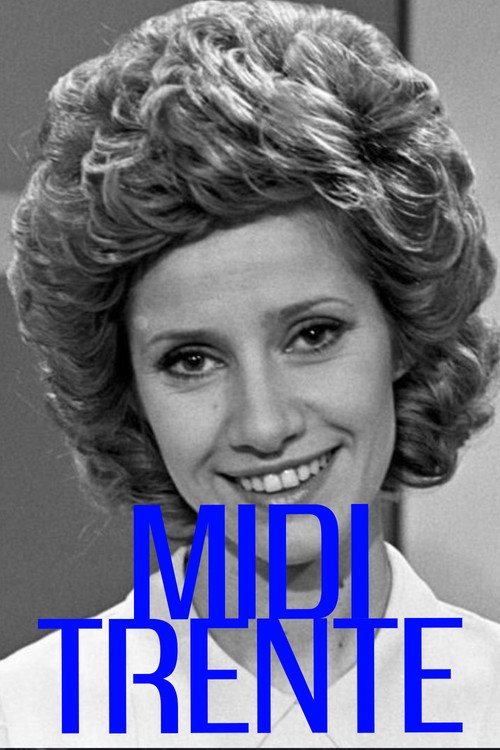
Midi trente

No description available.
Discorama

No description available.
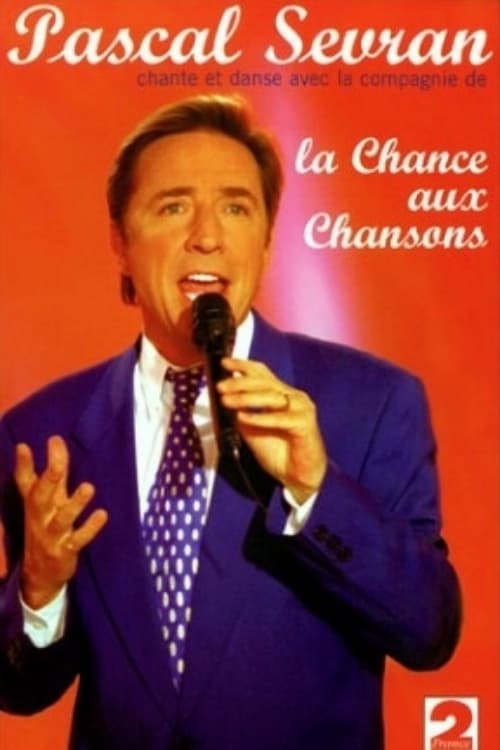
La Chance aux chansons
No description available.
Système 2

No description available.
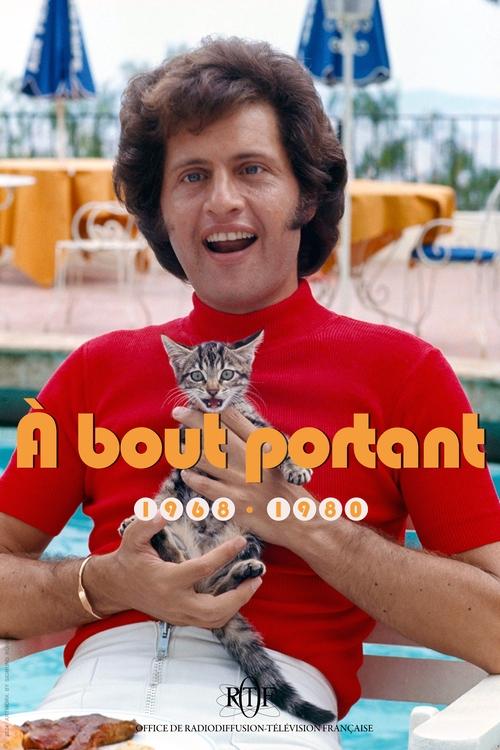
À bout portant

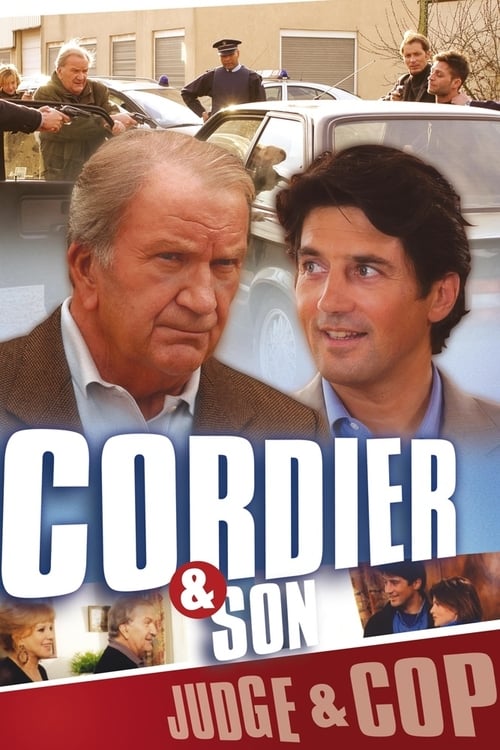
The Cordier fight in family against the crime: the father is police captain, the son, investigating judge and the girl, a journalist.
Les Cordier, juge et flic

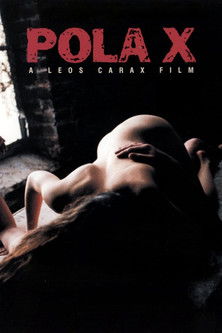
A writer leaves his upper-class life and journeys with a woman claiming to be his sister, and her two friends.
Pola X

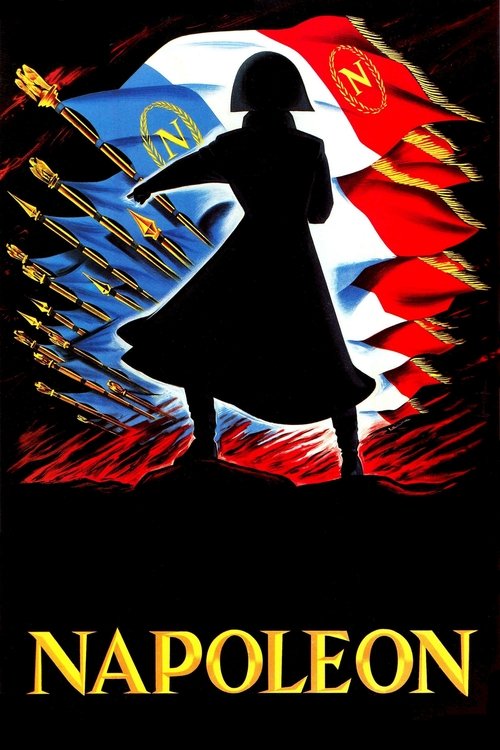
The film follows the life of Napoleon from his early life in Corsica to his death at Saint Helena. The film is notable for its use of location shooting for numerous scenes, especially at the French estates of Malmaison and Fontainebleau, the Palace of Versailles, and sites of Napoleonic battles including Austerlitz and Waterloo.
Napoleon

A collection of artifacts from an archeological dig in Egypt are brought to the famous Louvre museum in Paris, and while experts are using a laser scanning device to determine the age of a sarcophagus, a ghostly spirit escapes and makes its way into the museum's electrical system.
Belphegor, Phantom of the Louvre

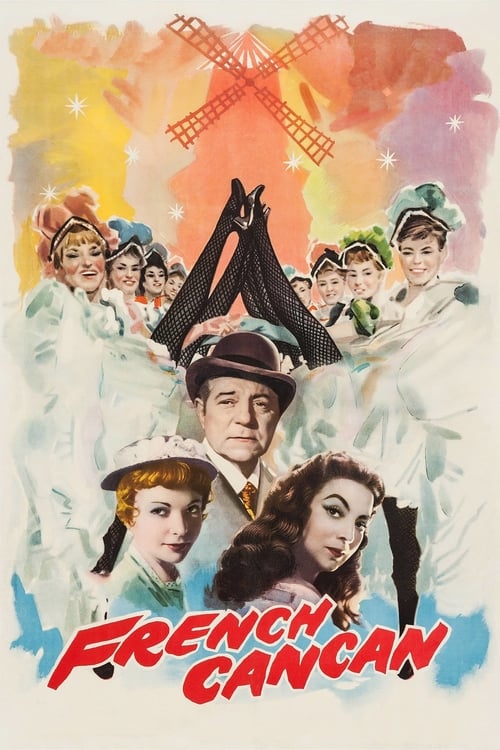
Nineteenth-century Paris comes vibrantly alive in Jean Renoir’s exhilarating tale of the opening of the world-renowned Moulin Rouge. Jean Gabin plays the wily impresario Danglard, who makes the cancan all the rage while juggling the love of two beautiful women—an Egyptian belly-dancer and a naive working girl turned cancan star.
French Cancan

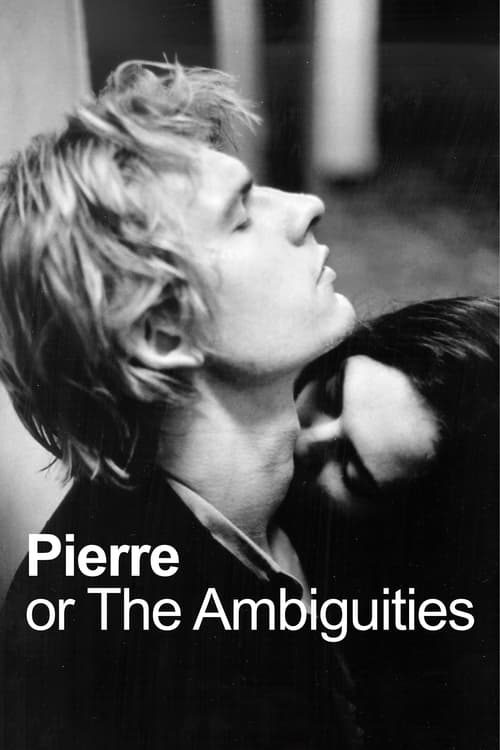
Pierre ou, Les ambiguïtés (Pierre or, The Ambiguities) is a 2001 three-part French miniseries created and written by Leos Carax, an alternate, extended version of his 1999 film Pola X ('Pola' is the acronym of 'Pierre ou les ambiguïtés'.). Both entities are based on Herman Melville's 1852 Gothic novel of the same name. A writer leaves his upper-class life and journeys with a woman claiming to be his sister, and her two friends.
Pierre or, The Ambiguities

Paris, 1938. In a lavishly decorated nightclub, couples dance the syncopated rhythms of Latin America: Rumba, Cucaracha, Tango, and also the Charleston, Foxtrot and Boston. Among beautiful women, local pimps and Mussolini's spies brush each other on the dance floor, and in the streets. A police inspector is charged with a difficult task, to clean-up the city streets - just when bodies start falling around, as the Mafia and the spies tend each other deadly traps.
La Rumba

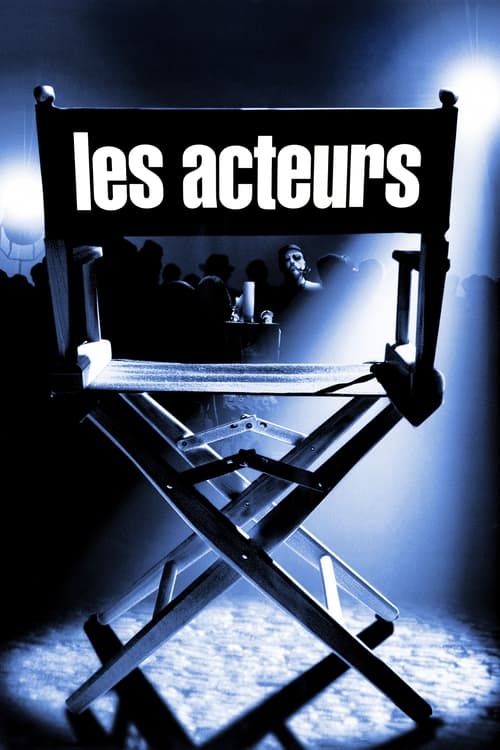
Les Acteurs is the absurd story of Jean-Pierre Marielle desperately waiting for a cup of hot water, the story of a conspiracy against actors, the story of aging actors whose careers are slowly less active than they used to be, but a stunning tribute to French actors and their cinema.
Actors

No description available.