Lash LaRue
Acting
Biography
From Wikipedia, the free encyclopedia Alfred "Lash" LaRue (June 15, 1917 – May 21, 1996) was a popular western motion picture star of the 1940s and 1950s. He had exceptional skill with the bullwhip and taught Harrison Ford how to use a bullwhip for the Indiana Jones movies. LaRue was one of the first recipients of the Golden Boot Awards in 1983. LaRue was originally screen tested by Warner Bros. but was rejected because he looked too much like Humphrey Bogart, then one of the studio's contract stars . He began acting in films in 1944 (at age 27) as Al LaRue, appearing in two musicals and a serial before being given a role in a Western film that would result in his being cast in a cowboy persona for virtually the rest of his career. He was given the name Lash because of the 18-foot (5.5 m)-long bullwhip he used to help bring down the bad guys. The popularity of his first role as the Cheyenne Kid, a sidekick of singing cowboy hero Eddie Dean, not just brandishing a whip but using it expertly to disarm villains, paved the way for LaRue to be featured in his own series of Western films. After appearing in all three of the Eddie Dean Cinecolor singing Westerns in 1945-46, he starred in quirky B-westerns from 1947 to 1951, at first for Poverty Row studio PRC, then for Eagle-Lion when they took over the studio, and later for producer Ron Ormond. He developed his image as the cowboy hero Lash LaRue, dressed all in black, and inherited from Buster Crabbe a comic sidekick in the form of "Fuzzy Q. Jones" played by Al St. John. LaRue played the Cheyenne Kid sidekick in about 8 films, before he starred in his own film series, playing a character actually named "Marshall Lash LaRue". Those 11 films (from 1948-1951) are the ones that western movie fans refer to as the "Lash LaRue" film series. He was different from the usual cowboy hero of the era: dressed in black, he spoke with a "city tough-guy" accent somewhat like that of Humphrey Bogart, whom he physically resembled. His use of a bullwhip, however, was what set him apart from bigger cowboy stars such as Gene Autry and Roy Rogers. His influence was felt throughout the dying medium of B-westerns; for example, he had an imitator, Whip Wilson, who starred in his own brief series, and even Roy Rogers started picking up and using a bullwhip in some of his Republic Studios Westerns made in the same period. He also made frequent personal appearances at small-town movie theaters that were showing his films during his heyday of 1948-51, a common practice for cowboy stars in those days. However, his skillful displays of stunts with his whip, done live on movie theater stages, also convinced young Western fans that there was at least one cowboy hero who could do in real life the same things he did on screen. He continued working in films and television until he retired in 1990. LaRue died of emphysema in 1996 (age 78) at Providence Saint Joseph Medical Center in Burbank, California, and was cremated at Forest Lawn Memorial Park in Glendale, California. He was survived by his wife, Frances Bramlett LaRue, three sons and three daughters.
Known For

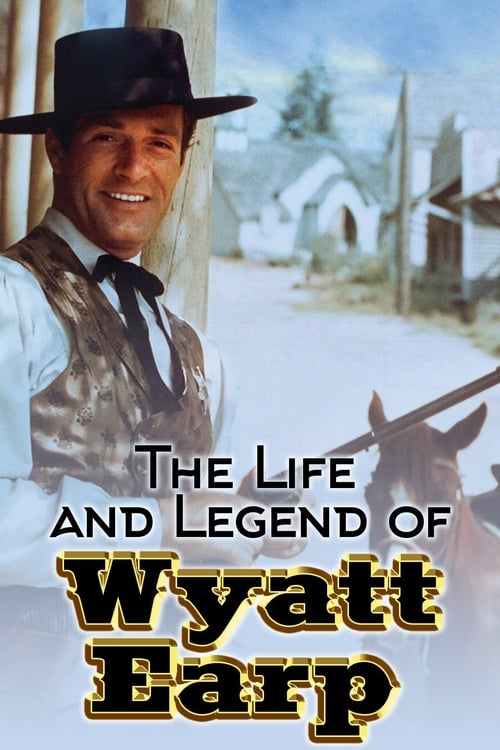
The Life and Legend of Wyatt Earp is a television western series loosely based on the life of frontier marshal Wyatt Earp. The half-hour black-and-white program aired for 229 episodes on ABC from 1955 to 1961 and featured Hugh O'Brian in the title role.
The Life and Legend of Wyatt Earp

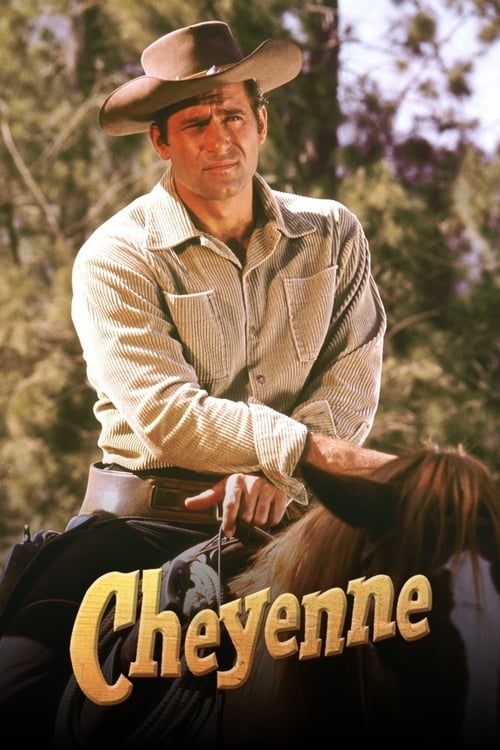
Cheyenne Bodie was a big man, a former army scout who went west after the American Civil War and drifted from job to job, here a cowboy, there a lawman, and always a larger-than-life hero. CHEYENNE is an American western television series of 108 black-and-white episodes broadcast on ABC from 1955 to 1963. The show was the first hour-long western, and in fact the first hour-long dramatic series of any kind, with continuing characters, to last more than one season. It was also the first series to be made by a major Hollywood film studio which did not derive from its established film properties, and the first of a long chain of Warner Brothers original series produced by William T. Orr.
Cheyenne

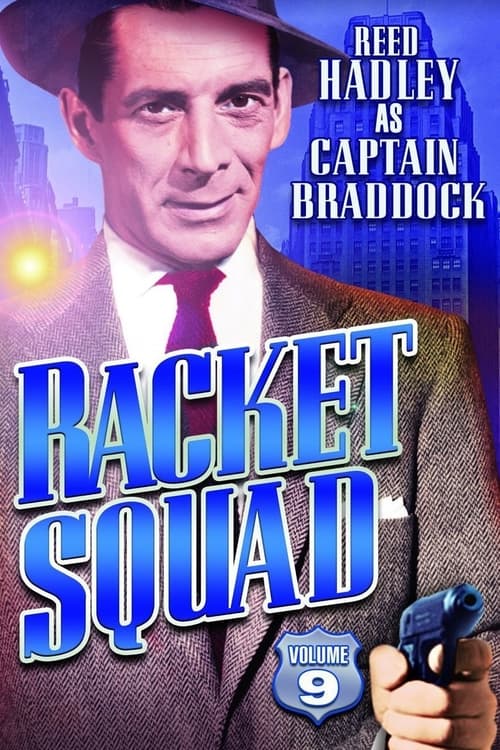
Racket Squad is an American TV crime drama series starring Reed Hadley as Captain John Braddock, a fictional detective working for the San Francisco, California Police Department. The show aired in syndication for a season before being picked up by CBS for three seasons. The series was filmed at Hal Roach Studios in Culver City, California, and was sponsored by cigarette manufacturer Philip Morris, hence there was a pack of the sponsor's brand on Braddock's desk at the beginning and end of the episode, as well as occasional scenes of him or other characters "lighting up".
Racket Squad

26 Men is a syndicated American western television series about the Arizona Rangers, an elite group commissioned in 1901 by the legislature of the Arizona Territory and limited, for financial reasons, to twenty-six active members. Russell Hayden was the producer of the series and the co-composer of the theme song. The series aired between October 15, 1957 and June 30, 1959, for a total of 78 episodes.
26 Men
Gang Busters is a 30 minute television series, hosted by Chester Morris, that aired on NBC from March 20 to Oct. 23, 1952. The series dramatized FBI cases.
Gang Busters

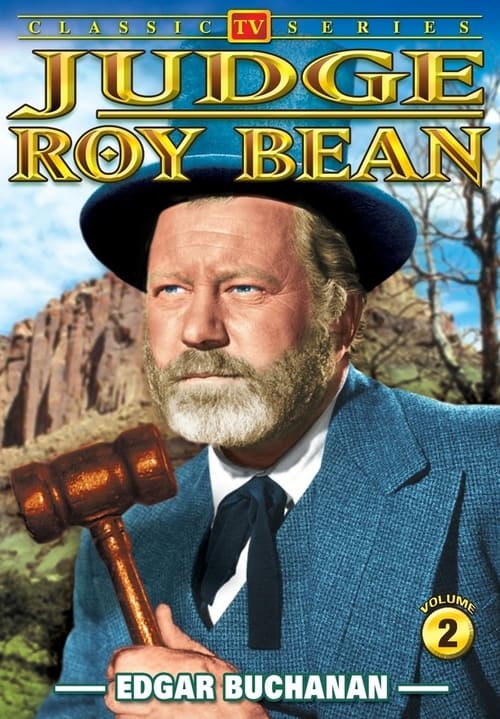
Judge Roy Bean is a syndicated American Western series starring Edgar Buchanan as the legendary Kentucky-born Judge Roy Bean, a justice of the peace known as "The Law West of the Pecos".
Judge Roy Bean

Story follows a stagecoach ride through Old West Apache territory. On board are a cavalry man's pregnant wife, a prostitute with a broken heart, a Marshal taking in his prisoner Johnny Ringo, a crooked gambler, and the infamous Doc Holliday
Stagecoach

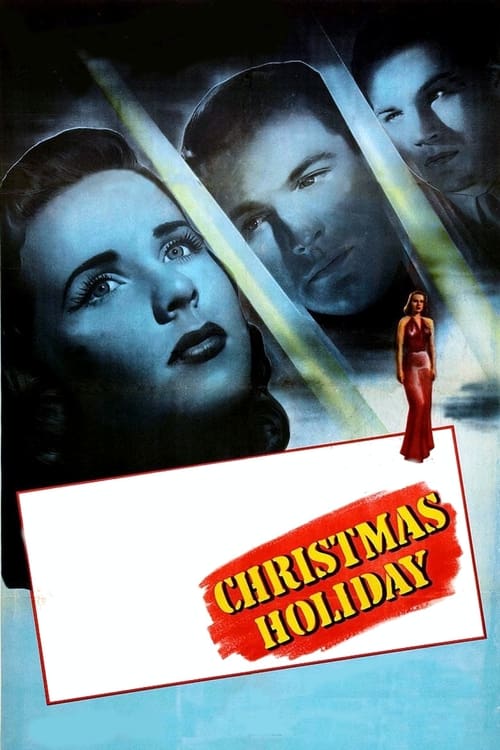
A young femme fatale realizes that the man she married is an incorrigible wastrel.
Christmas Holiday

Two cowboy desperados attempt to hold up a modern-day bank in this absurd western.
Lanton Mills

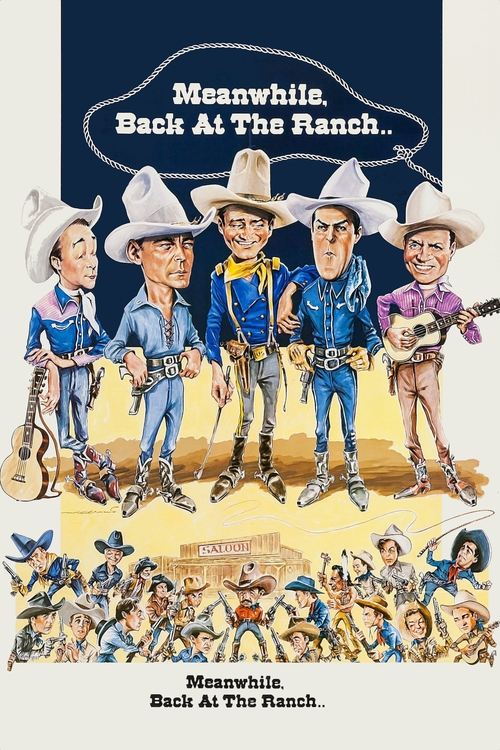
A Western-genre narrative, loosely woven from old clips from B-Western features.
Meanwhile, Back at the Ranch

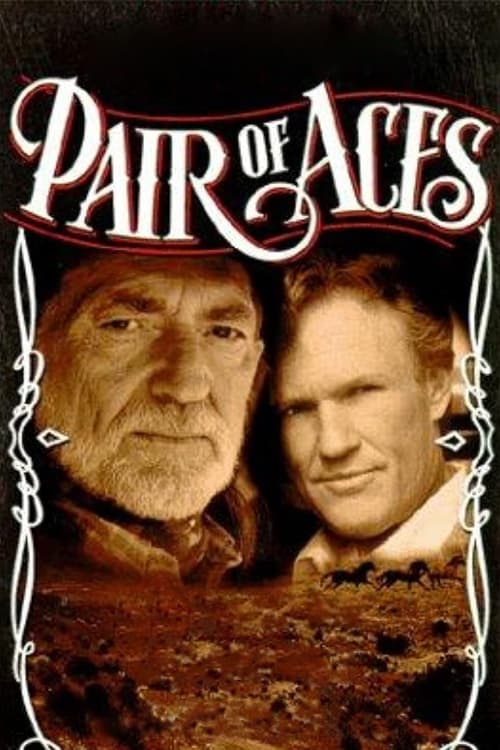
A Texas Ranger has to protect his two daughters as he investigates a serial killer who is attacking cheerleaders. Meanwhile he finds himself working with a safe cracker who claims to be innocent of the charges filed against him.
Pair of Aces

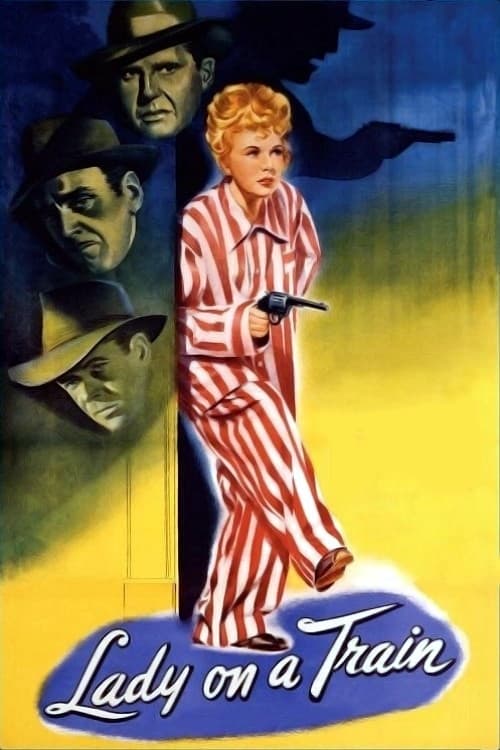
While watching from her train window, Nikki Collins witnesses a murder in a nearby building. When she alerts the police, they think she has read one too many mystery novels. She then enlists a popular mystery writer to help her solve the crime on her own, but her sleuthing attracts the attentions of suitors and killers.
Lady on a Train

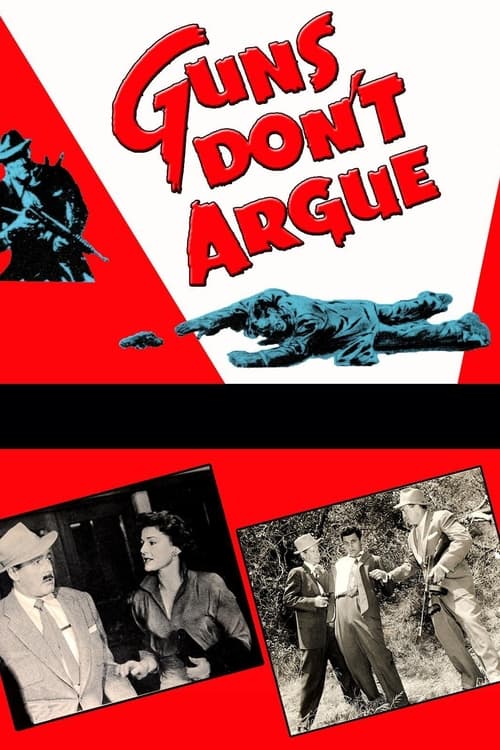
The actions of various criminals such as Dillinger, Pretty Boy Floyd, Bonnie and Clyde and Baby Face Nelson are reenacted in this film.
Guns Don't Argue

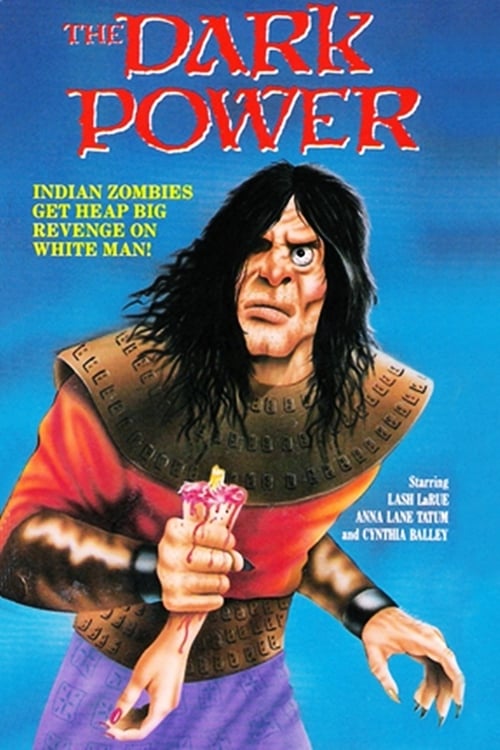
The spirits of dead Indians are haunting a couple's house, and they call in an exorcist, whose trademark is a black whip, to get rid of them.
The Dark Power

Lash and Fuzzy come to town to unmask the mysterious outlaw kingpin, El Sombre.
Son of a Badman

A ranger in Buffalo Gap has been killed and the trail leads to a gang headed by Bill Judd. When there is yet another killing, the sheriff seems remarkably hesitant to arrest the culprit and may be taking his orders from a mystery boss. Teaming up with Al's pretty sister and her Uncle Bob, Cheyenne and Fuzzy go in search of the mystery villain.
Pioneer Justice

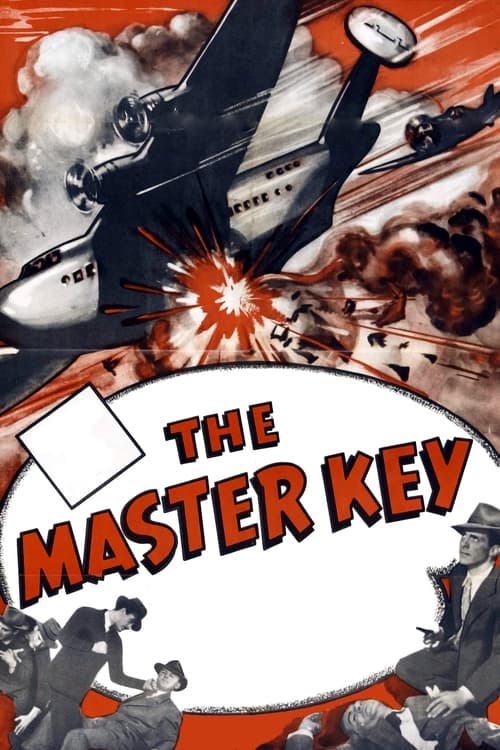
Before the outbreak of WWII, Nazi sympathizers plot to undermine America.
The Master Key

Cheyenne has been ordered to take a vacation so Fuzzy has him go to a ranch of a friend. When they arrive at the El Lobo ranch, they find that his friend is dead and they want no visitors.
Cheyenne Takes Over

Lash goes south of the border looking for a counterfeiter, a kidnapped engraver and his daughter, and the mysterious Frontier Phantom, while Fuzzy St. John studies hypnotism.
Outlaw Country

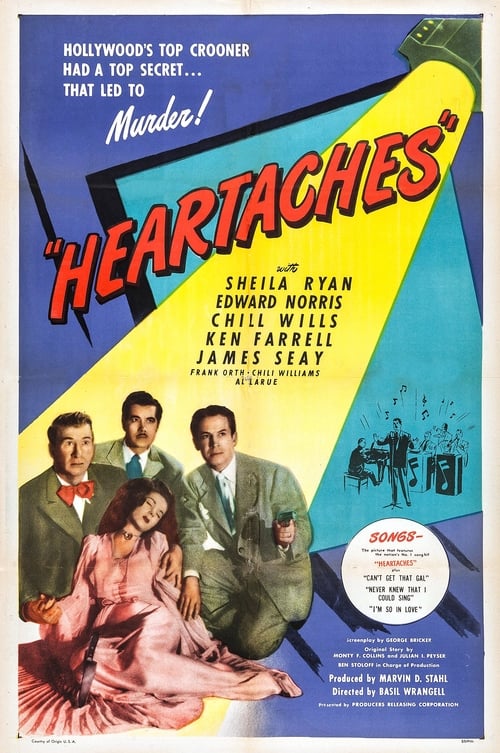
Up-and-coming Hollywood actor/crooner, Vic Morton, has a secret. He starts receiving death threats in the mail and an attempt on his life is made. Soon after, two of his associates are murdered. Who is behind it all?