Acting
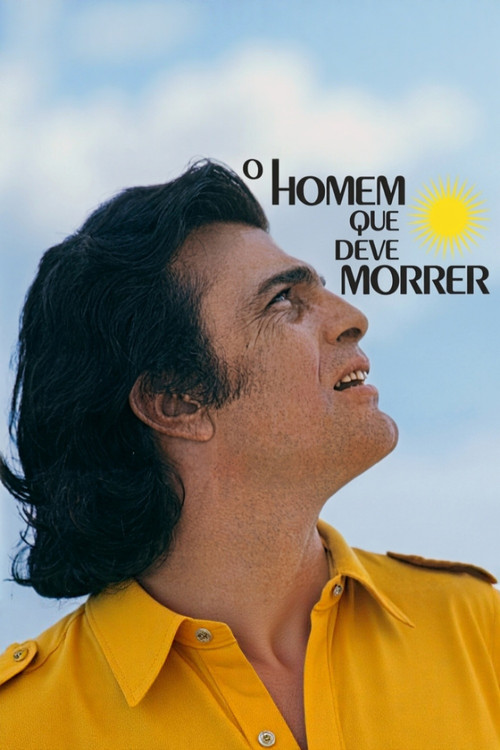
The fight for freedom and against oppression is the central theme of this soap opera that tells the story of the Coragem brothers: João, Jerônimo and Duda, in the city of Coroado.
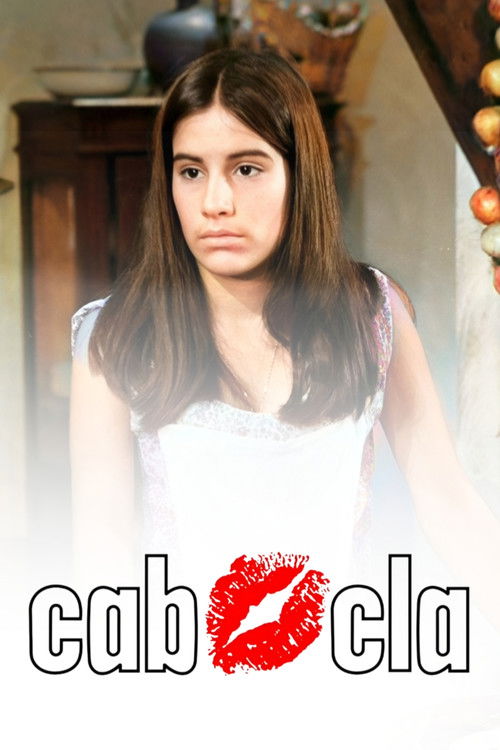
A mature and successful woman, Helena becomes involved with Edu, who is twenty years her junior. She battles prejudice in order to live her love, but their romance fizzles out when she realizes that her daughter Camila has also fallen in love with him. Her dilemma grows even worse when she discovers that the girl has leukemia. Helena must disclose the real identity of Camila‘s father in order to try and find a compatible bone marrow donor. In order to save her, she decides to give up her new love and have another baby with her daughter‘s father.
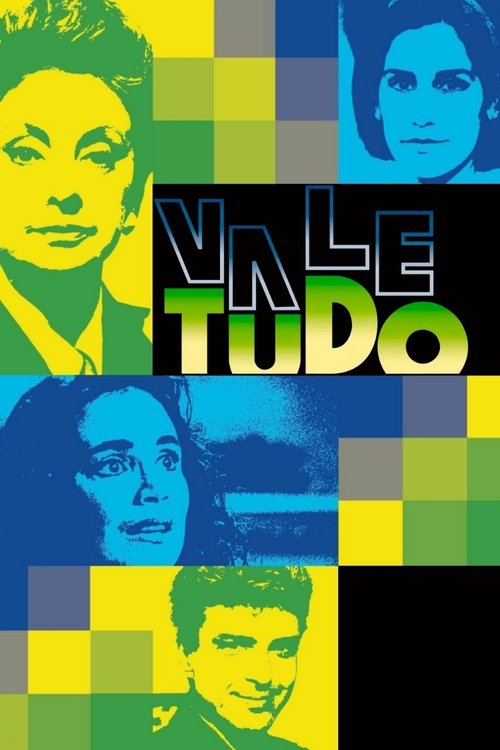
Fátima Accioly is a young, callous woman who wants to be rich and successful at any price. After selling her family's house in the country, she heads to Rio and gets to know dress man César who is unscrupulous himself. Meanwhile, her mother Raquel stays behind without home and money, but finally tries to find her daughter in the big city. Both women come in contact with the rich Roitman family which changes their lives forever.
Amidst an unresolved crime, Simone protects Cristiano and falls in love with him. However, the couple faces ambition and betrayals that tear them apart. Presumed dead, she returns under a new identity seeking revenge.
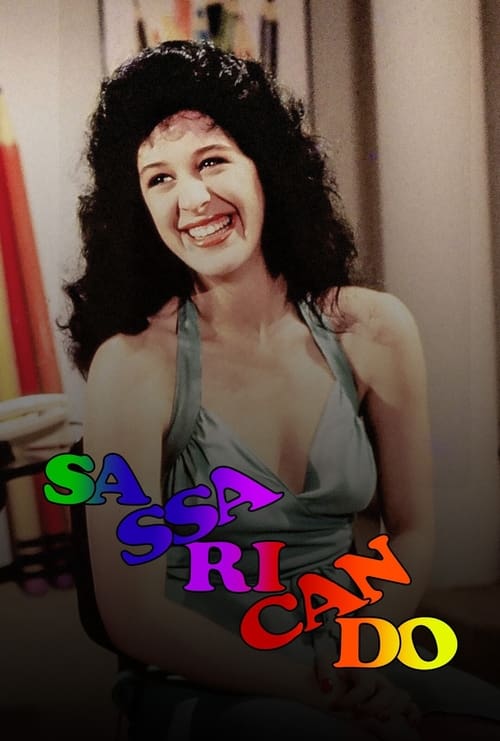
No description available.
The routine of the quiet town of Rio Belo changes with the arrival of Carina, a traveling actress determined to discover who her father is. At the same time, a mysterious crime involving the powerful Donana shakes the town.
Nonô Corrêa, a character inspired by Molière's "The Miser", is the story's protagonist. The orphan Zezinho crosses paths with Nonô and wins the neurotic gentleman's heart.
The soap opera critiques the power struggles among rural politicians in the 1920s. Joaquim is shocked when a doctor reveals that his son, Luís Jerônimo, has a lung lesion. To recover his health, the young man leaves Rio de Janeiro for Colonel Boanerges's farm in Vila da Mata, Espírito Santo. There, he meets Zuca, and the two fall in love. Zuca is the colonel's goddaughter and the fiancée of the fearless cowboy Tobias, who refuses to accept the possibility of losing her to the outsider. Zuca and Luís Jerônimo face numerous obstacles in pursuing their love. Their romance is also threatened by the arrival of Pepa in Vila da Mata; having been in love with Luís Jerônimo back when he lived in Rio, she tries by every means possible to drive the couple apart.
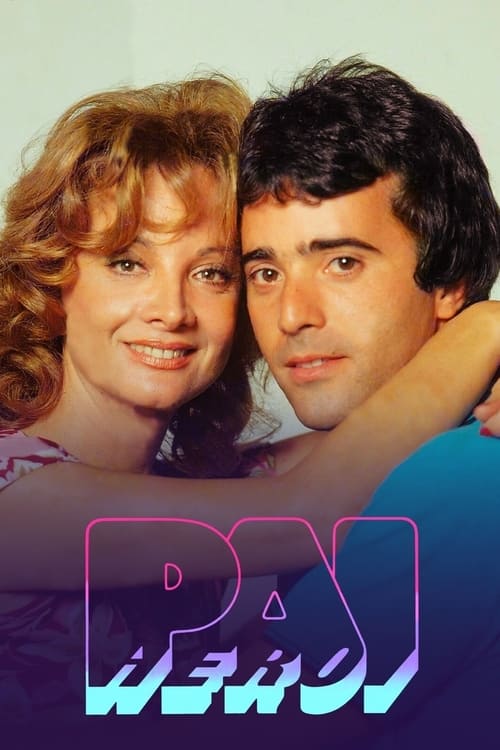
After his grandfather's death, André Cajarana goes to Rio de Janeiro to understand the death of his father—whom he had always believed to be a hero—and to try to prove his innocence.
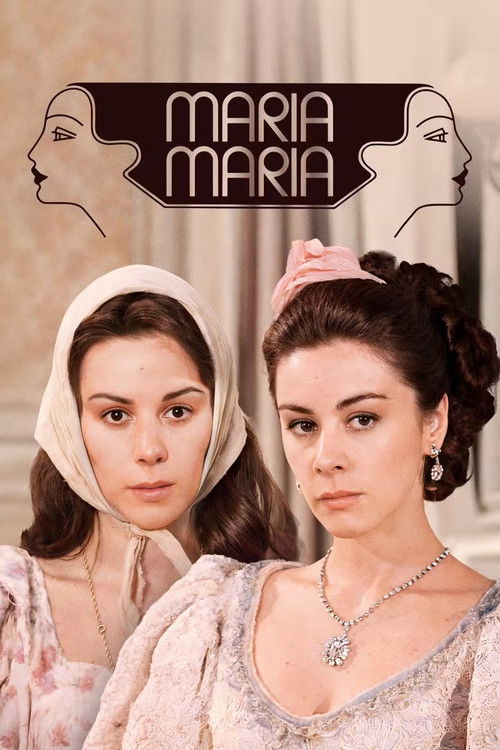
In the backlands, the drover Ricardo marks the destiny of young Maria. Years later, in Xique-Xique, a mistake between two identical women rekindles passions, separations, and an impossible love.
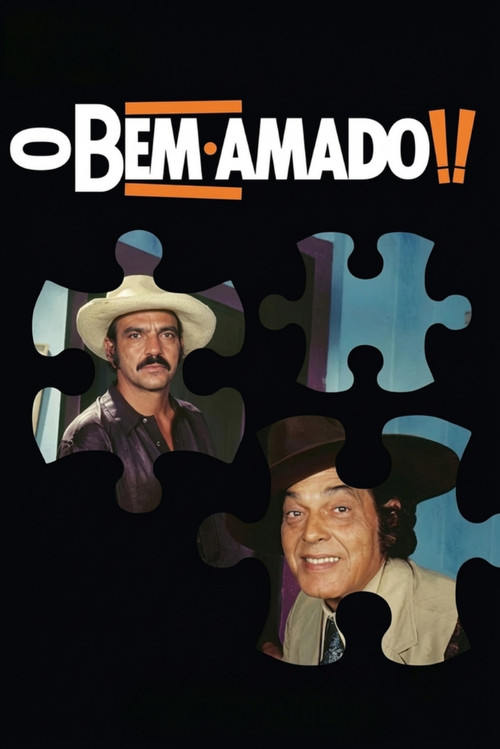
O Bem-Amado is a Brazilian telenovela that first aired on Rede Globo in 1973. It is based on a play by Dias Gomes called Odorico, o Bem-Amado ou Os Mistérios do Amor e da Morte, written in 1962. It was the first Brazilian color telenovela. It was shot in Rio de Janeiro. Broadcast by Rede Globo between January 22 and October 3, 1973.
After becoming a widower, businessman Aparício Varela takes over as president of Tecelagem Abdala and decides to win back the great love of his life, Rebeca.
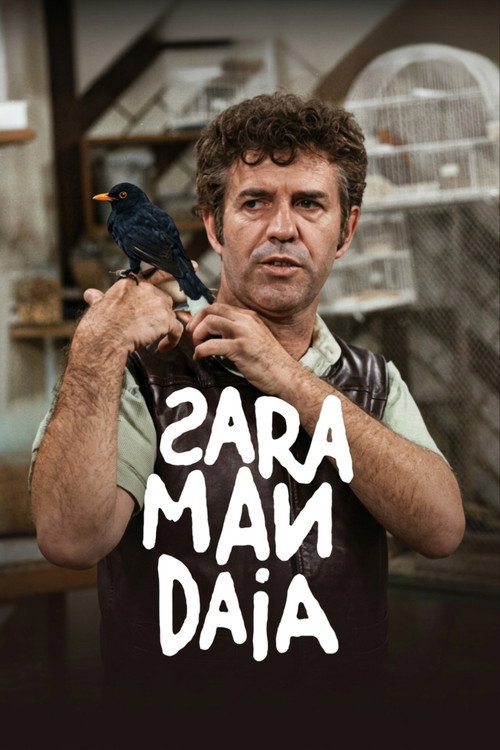
Saramandaia is a Brazilian telenovela originally written by Dias Gomes in 1976. It's considered remarkable because of the Magic Realism (used by the author to subtly criticize the Military Regime of the time) and had 160 chapters. The story centers on the name change that the city undergoes, promoted by the younger citizens and reviled by the older ones. It also focuses on the lives of the city's quirky residents.