Gabriela Guillermo
Directing
Biography
Gabriela Guillermo is a Uruguayan director, writer and producer. She became a biologist before going to Paris to study cinema for 3 years. She has directed several feature films, including co-directing the four part film series Historias de Estaciones inspired by Eric Rohmer's Tales of the Four Seasons.
Known For

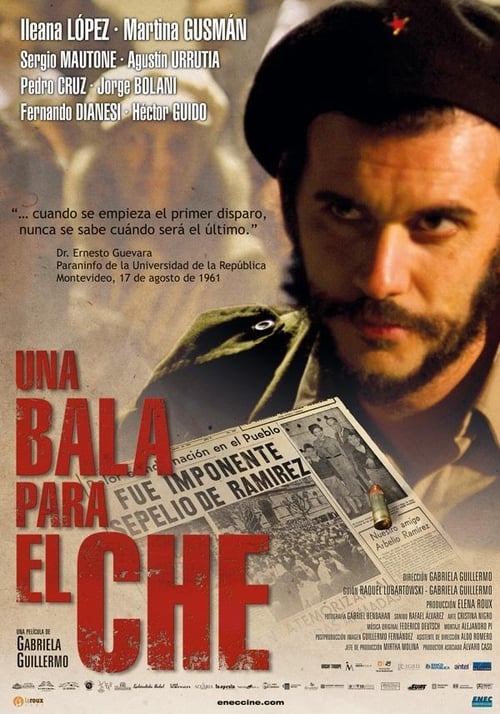
Ethel is a 60-year-old psychoanalyst who chose to access documents declassified by the Uruguayan goverment to know the identity of the perpetrators of the death of her husband. His death occured on August 17th 1961 at a University ceremony where Che Guevara delivered one of his first speeches after the revolutionary triumph of the Cuban revolution. The bullet that killed a history teacher was considered a failed attack against Che Guevara planned by the CIA.
A Bullet for Che

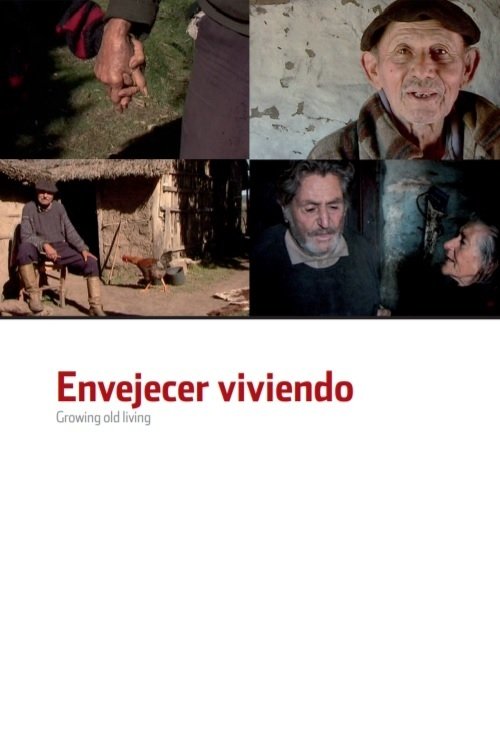
To grow old in Rivera is to grow old on the border. The protagonists of this documentary tell us in Portuguese as well as in Spanish about their lives far from the bustle of the capital city. Their days are long, their work is hard, they have few opportunities to improve their situation, but they still haven't lost the ability to smile or their love of life. The aim of this documentary is to show what the process of growing old in Uruguay is like, and to raise people's awareness about the situation of the elderly. It shows, without prejudice, just what old age is.
Growing Old Living

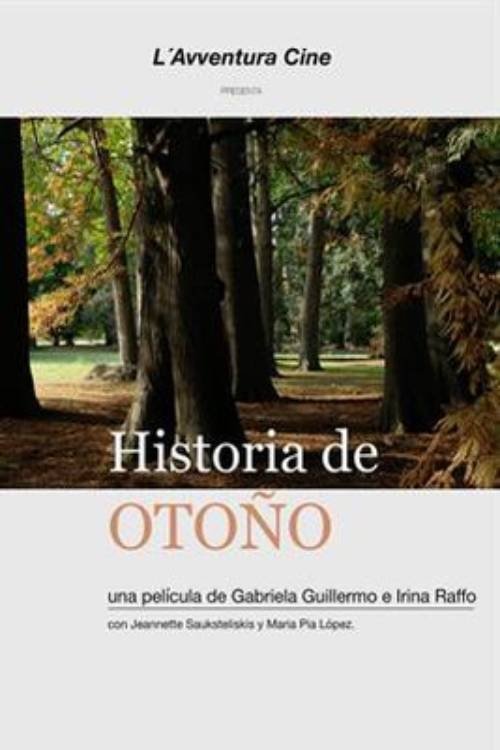
Love story between a hopeless woman and the one that saves her, united by camaraderie, solidarity, and complicity.
Historia de Otoño

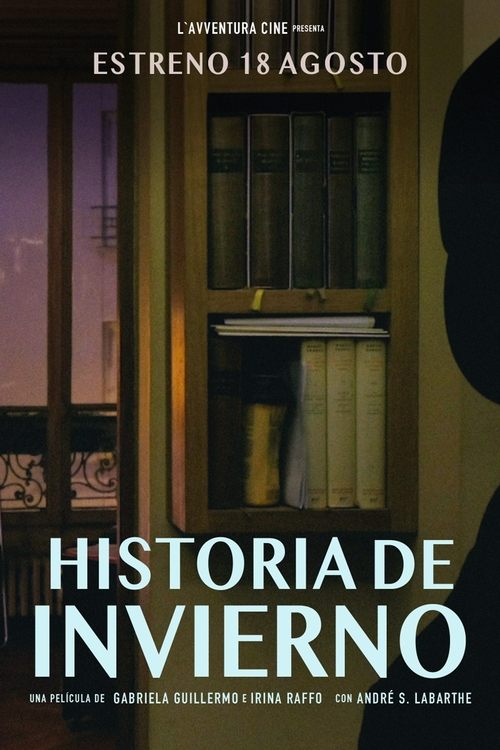
A cinematographic poetry that portrays the artistic link between the French filmmaker André S. Labarthe and his disciple, the Uruguayan filmmaker Gabriela Guillermo. The letters that were written over the years testify, not only to the mutual affection and admiration, but also their will to one day make a movie together. After trouble in the production due to the teacher's delicate health and his subsequent death, we witness in the winter landscapes the creative complicity between both filmmakers.
Historia de invierno

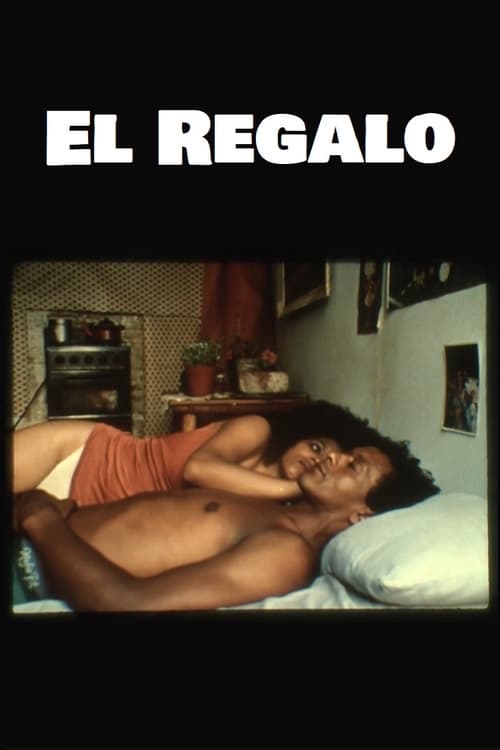
Ruben, a street vendor, and Lila, a domestic worker, are a poor Montevidean couple. One day, during the carnival season, they win the lottery, and start believing in the possibility of living with dignity.
El regalo

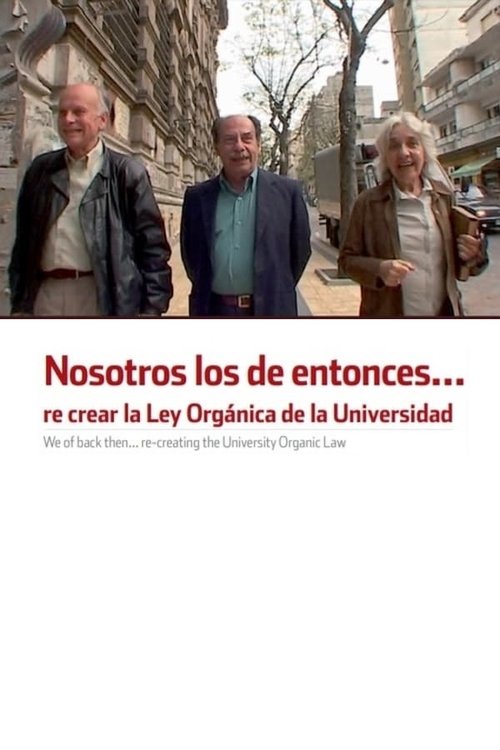
This documentary takes us back to the events surrounding 1958 when the University Organic Law was passed. We hear the testimony of three university teachers who took part in the debates and the student activism at that time: the experiences of people who were young “back then”, the cultural context of the period and the connection between the students and the worker's movement.
The Us of Back Then

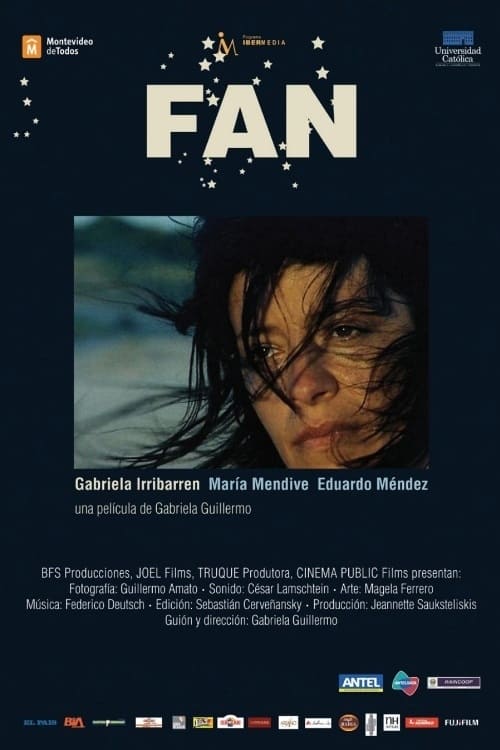
Ela returns to her country to reconnect with friends and herself. Disoriented, she must choose between the unattainable love, that of the Brazilian singer with whom she has fallen in love from a distance, and her real love, the one that she has just found in Noé.
Fan

A young swimmer discovers himself a writer. He recounts his first love experiences and the drift in which he finds himself before finding his vocation.
El nadador

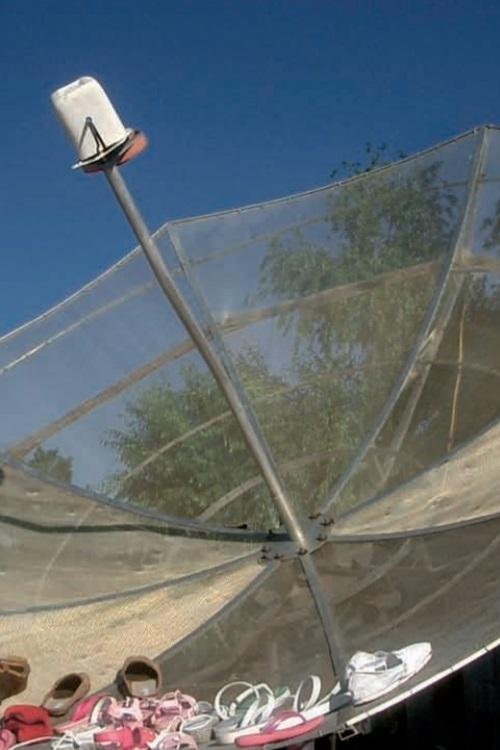
Baltasar Brum is a town of three thousand souls in the department of Artigas. In 1986 the train station was closed down and the community was in danger of disappearing altogether, but today it is still there and in fact it is growing. The local samba “schools”, which are similar to these organizations in Brazil except that they speak Spanish, tell the story of the town and its outstanding figures against a background of local and more universal events. The documentary shows how carnival is celebrated in this Uruguayan border town.
Carnaval in Baltasar Brum

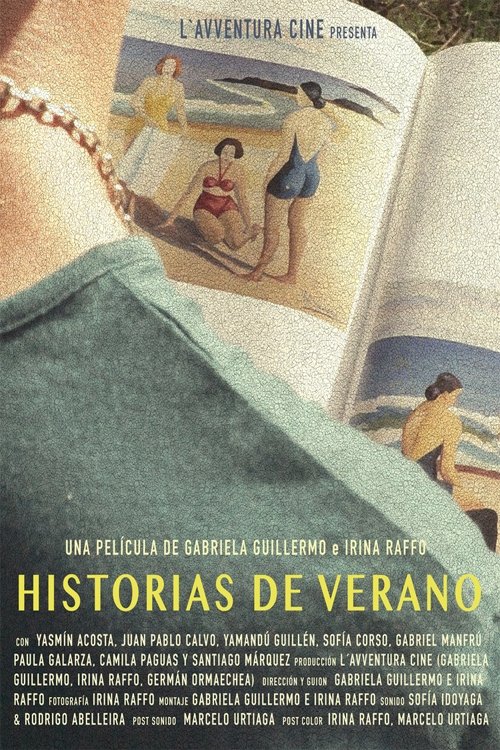
Five stories of summer love lived by young Uruguayans and the hopeful record - of three sunsets - to see the green ray.
Historias de Verano

A group of artists adopt an inter-disciplinary approach to show what the reality of madness is really like, but they end up showing the madness of reality. Raquel Lubartowski decided to stage a performance of the play Marat Sade by Peter Weiss at the Vilardebó Hospital, which is the psychiatric hospital in Montevideo. This documentary takes us through from the first meeting to the first rehearsal at an old dilapidated polyclinic.
Marat Sade at the Vilardebó

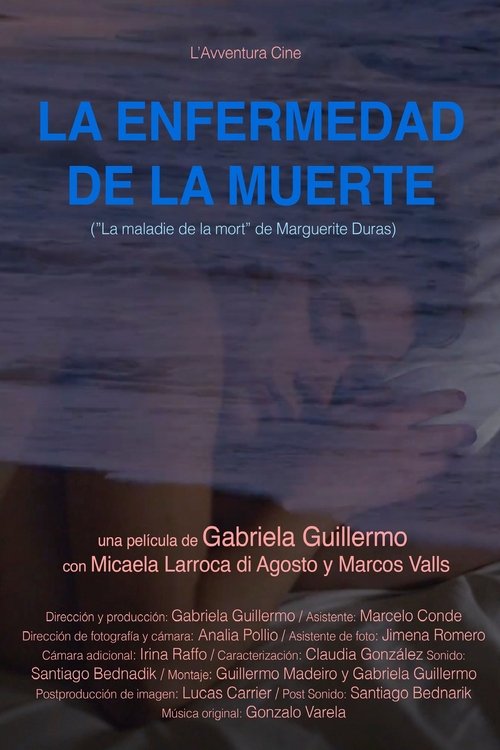
Adaptation of the play of the same name by Marguerite Duras, written in 1986. A man suffers from a terrible disease: the impotence to love. In a desperate attempt to survive, he rents a young woman for a few nights, in whose body he hopes to find the life he is losing, has lost or never had. Amidst the moans of sex, in the tumult of the sheets, she only perceives in this man the throes of an irremediable death.
The disease of death
Gaël, Laeticia and Jean Julien meet in Paris 40 years after the making of Enfants coureurs du temps, a film they shot as children with André S. Labarthe and Sophie Barrouyer. The reunion triggers memories of that shared filming; together they reflect on the traces that the film and their childhoods have left on them. The filmed faces of those three children overlap with their own adult gazes, the Paris of 1983 merges with that of 2023. Time thus becomes the main character in this film.