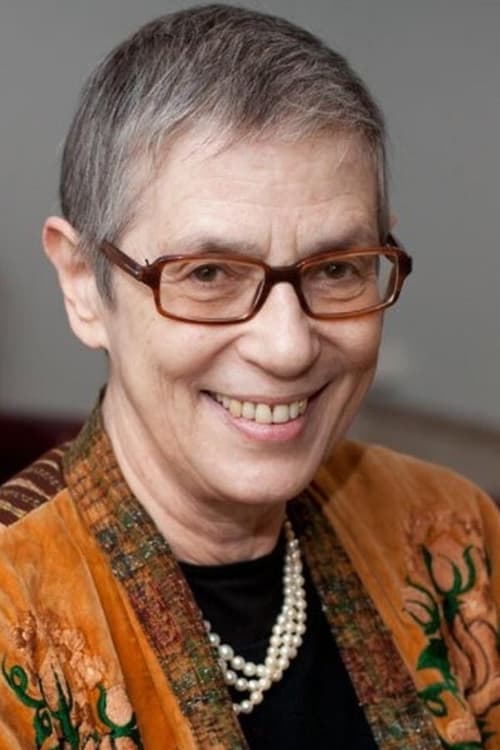
Françoise Widhoff
Acting
Known For
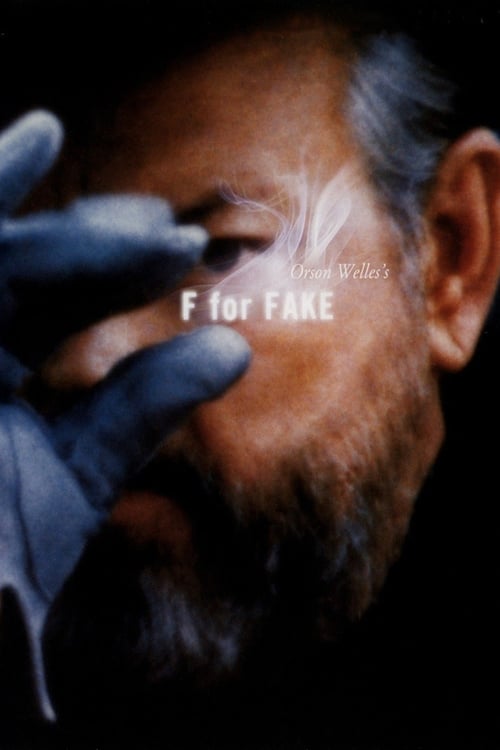
Documents the lives of infamous fakers Elmyr de Hory and Clifford Irving. De Hory, who later committed suicide to avoid more prison time, made his name by selling forged works of art by painters like Picasso and Matisse. Irving was infamous for writing a fake autobiography of Howard Hughes. Welles moves between documentary and fiction as he examines the fundamental elements of fraud and the people who commit fraud at the expense of others.
F for Fake
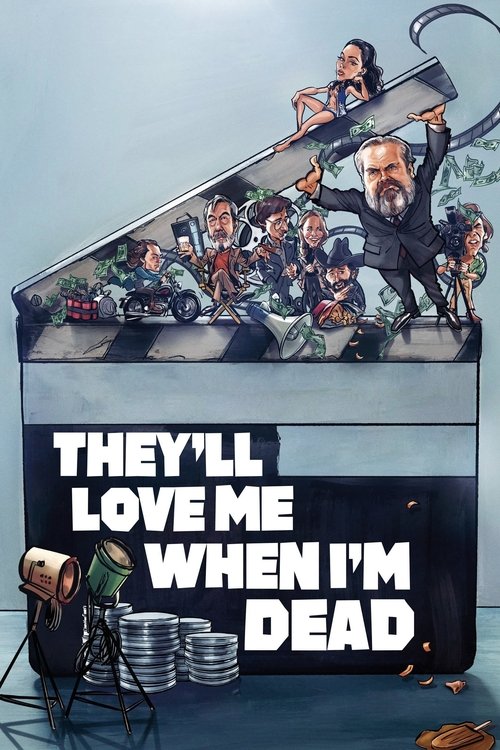
As his life comes to its end, famous Hollywood director Orson Welles puts it all on the line at the chance for renewed success with the film The Other Side of the Wind.
They'll Love Me When I'm Dead
A 16-year-old girl, bored with her own age group, becomes involved with an older man at a theater she passes.
Spring Blossom
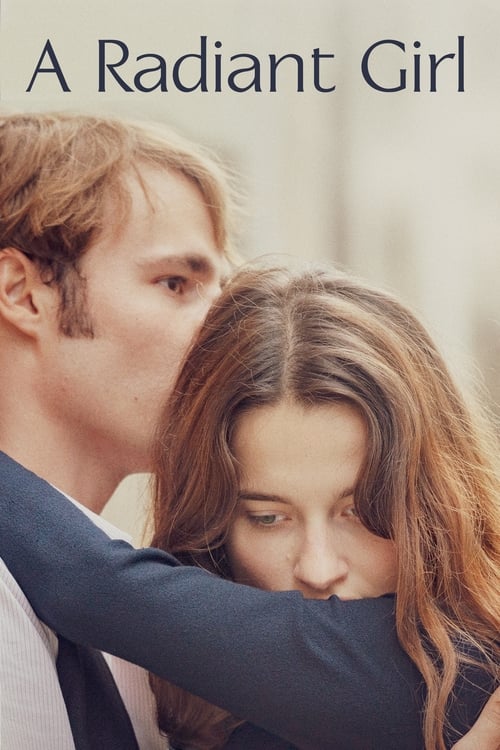
Paris, summer 1942. Irene is a young, bubbly, 19-year-old Jewish girl. Her family watches her discover the world, friends, new love and a passion for the theatre. The aspiring actress is living her youthful life without a care in the world, but she does not know that time may be running out.
A Radiant Girl
Novelist and screenwriter Emmanuèle Bernheim and filmmaker Alain Cavalier have been friends for 30 years. They are preparing a film based on the former’s autobiography, “Tout s’est bien passé” (Everything Went Fine). In it, she tells how her father asked her to “end it” in the wake of a heart attack. Cavalier suggests that she plays herself, and that he plays her father. One winter morning, Emmanuèle calls Alain; they will have to postpone the shoot until the spring, as she needs an urgent operation.
Living and Knowing You Are Alive

Laura, a French programmer, inherits the task of creating a game about the World War II Battle of Okinawa. Her research and interviews with Japanese experts and witnesses prompt her to reflect on life, humanity, and the lasting influence of history and memories.
Level Five
No description available.
Le Juif de Lascaux
“I have on occasion experienced filmmaking as an intensely shared activity. Lively friendships result and remain. Filming that affection today is no act of nostalgia. Paths once crossed make things simple. People who have been behind the camera, or in front of it, giving the movie their all, are without illusion.” (Alain Cavalier)
L'Amitié
The final episode of Alain Cavalier’s video diary. “Le Filmeur” traces his life since “Pater”: the approach of death and the beauty of life —both human and animal— intertwine with the filmmaker’s doubts and contradictions as he encounters others.
Thanks for Coming
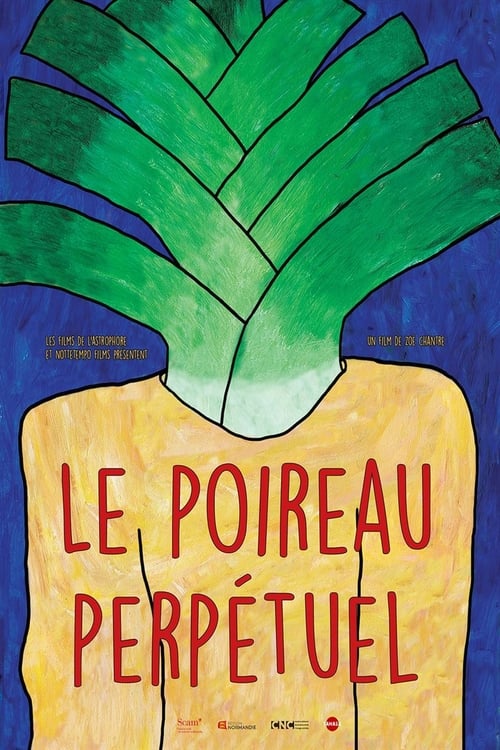
"This film begins on the 5th of March. Every year, on this exact date, an ant comes in under my front door and I watch it. For her, it’s the beginning of spring, for me it’s my mother’s birthday. The ant feeds its queen who then lays eggs and I ask myself the question of whether I do or do not want to have a baby just at the point when my mother, who is suffering from cancer, is approaching the end of her life.” – Zoé Chantre