Atahualpa Yupanqui
Acting
Biography
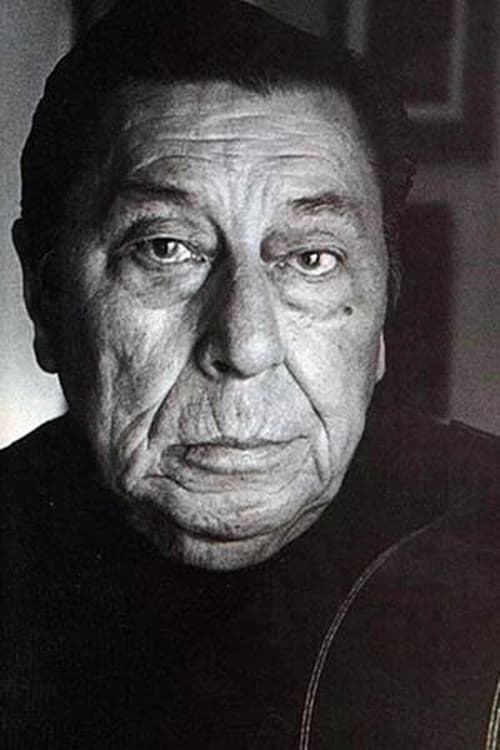
Atahualpa Yupanqui (born Héctor Roberto Chavero Aramburu) was an Argentine singer, songwriter, guitarist, and writer. He is considered the most important Argentine folk musician of the 20th century.
Known For

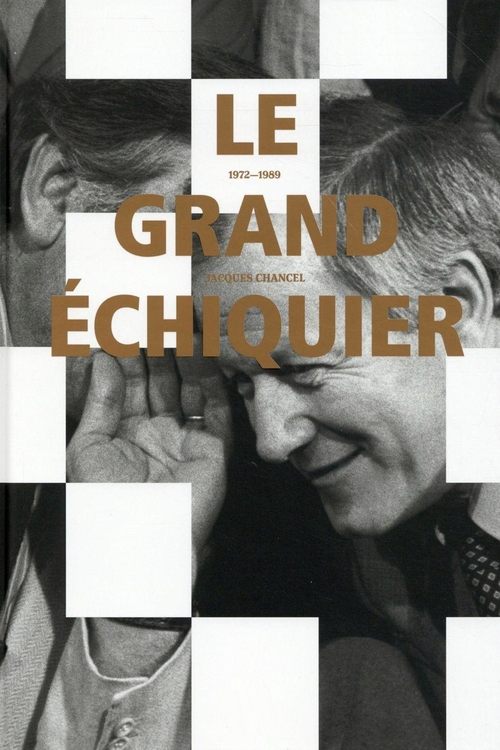
Le Grand Échiquier is a French variety television program created and presented by Jacques Chancel. It aired at 8:30 pm on the first channel of the ORTF from January 12, 1972 to July 12, 1972, then on the second color channel of the ORTF from September 1972 to December 1974, and finally on Antenne 2 from January 1975 to December 21, 1989. The program returned to France 2 on December 20, 2018 and is hosted by Anne-Sophie Lapix.
Le Grand Échiquier

No description available.
Discorama

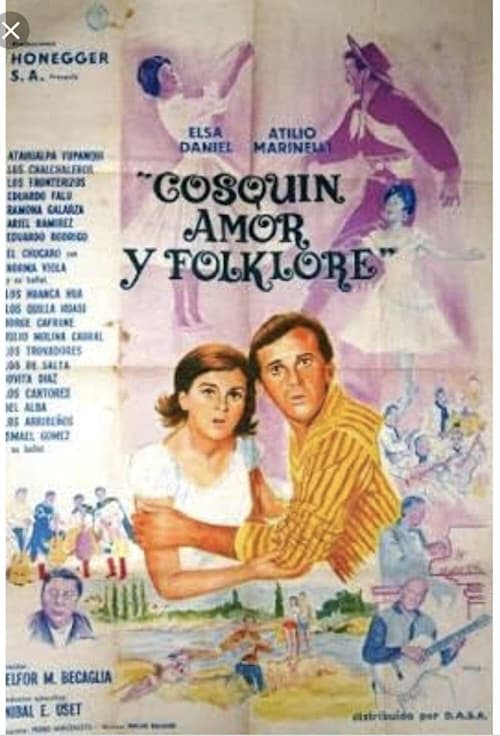
In a couple who travel to Córdoba for their honeymoon, the folklore enchants her and bores him.
Cosquín, amor y folklore

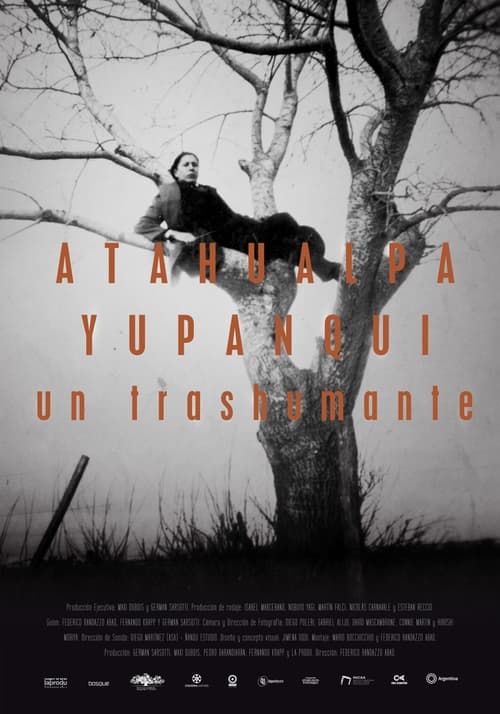
Atahualpa Yupanqui established himself as a key figure of Latin American identity through travel. Archives, music and personal records of a transhumance aimed at deciphering the dialogue between people and their territory.
Atahualpa Yupanqui, un trashumante

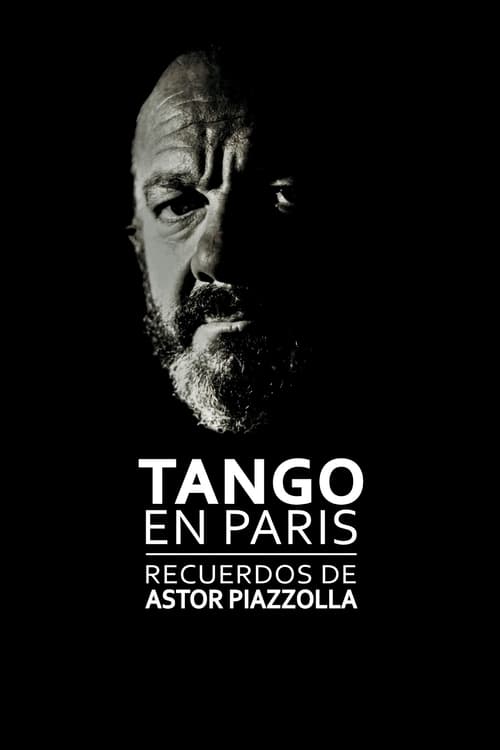
The story of two friends who met on the eve of their fiftieth birthday: musician Astor Piazzolla and architect José Pons. They never imagined that their friendship would change their lives forever.
Tango in Paris: Memories of Astor Piazzolla

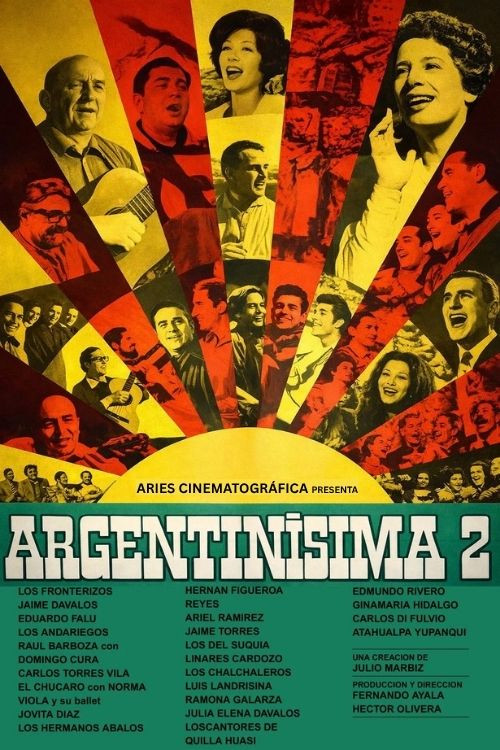
Argentinísima II is a film filmed in Argentine colors directed by Fernando Ayala and Héctor Olivera according to their own script that premiered on June 21, 1973 and whose main actors were Ginamaría Hidalgo, Eduardo Falú, Jaime Dávalos and Raúl Barboza. The continuation was planned for 1974 as Argentinísima III with a plot by Jaime Dávalos, but since problems with the title and intellectual property could not be overcome, it was not made.
Argentinísima II

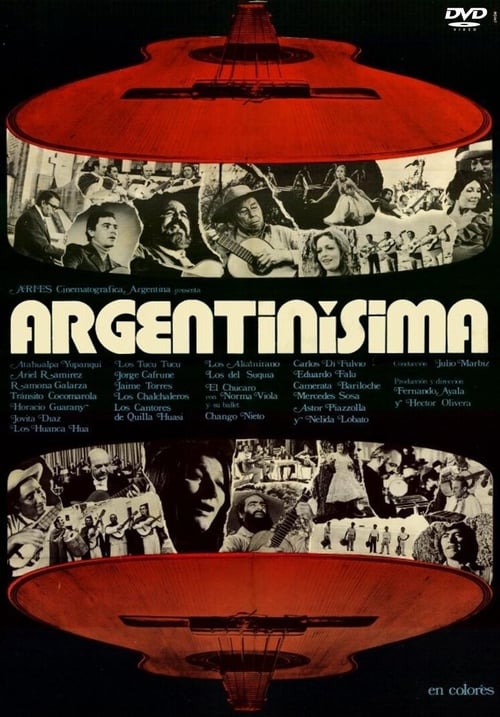
Consists of musical performances, mostly Argentine folklore, many of which are accompanied by dancing. Several sequences were filmed in scenic locations throughout the country.
Argentinísima

Documentary that offers a great overview of the history of Bolivia, their misery, the popular indomitable spirit and repressions that occur without pause.
Revolution

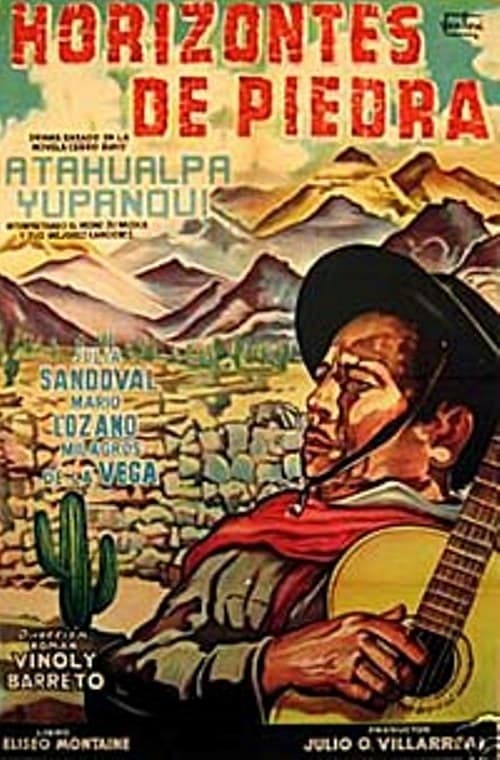
In Cerro Bayo, a mountainous region of Patagonia on the Chilean border, a Kolla Indian falls in love with a girl from another village. His mother disapproves the relationship and hates the woman. When the girl becomes pregnant with his baby, he must travel to find better work, leaving her alone with the mother's wrath.
Horizontes de piedra

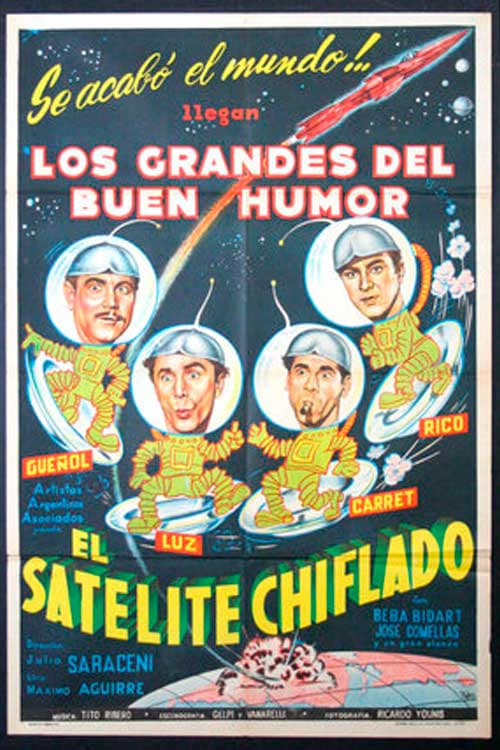
While on tour through Latin America, los Grandes del Buen Humor are confused with volunteers for a space travel and get tangled with spies.
El satélite chiflado

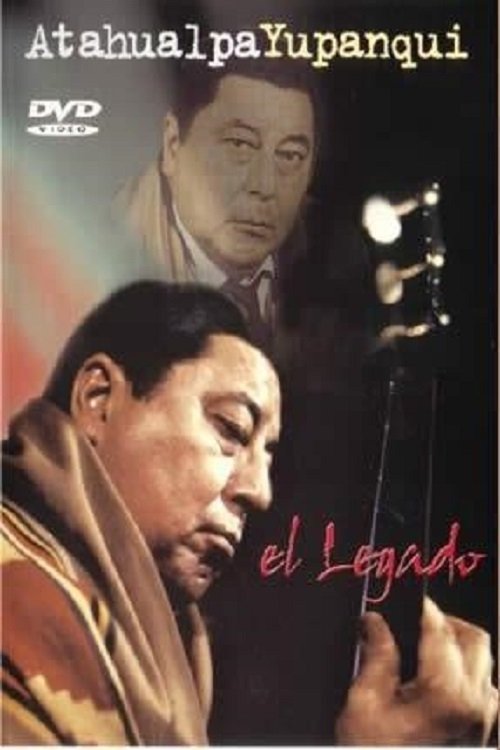
Documentary on the life of Argentinean folclorist Atahualpa Yupanqui. It captures the testimony of his thoughts, his life, and the men he met—both famous and anonymous. A document recorded in Cerro Colorado that shows the man who moved his homeland by singing.
Atahualpa Yupanqui: The legacy

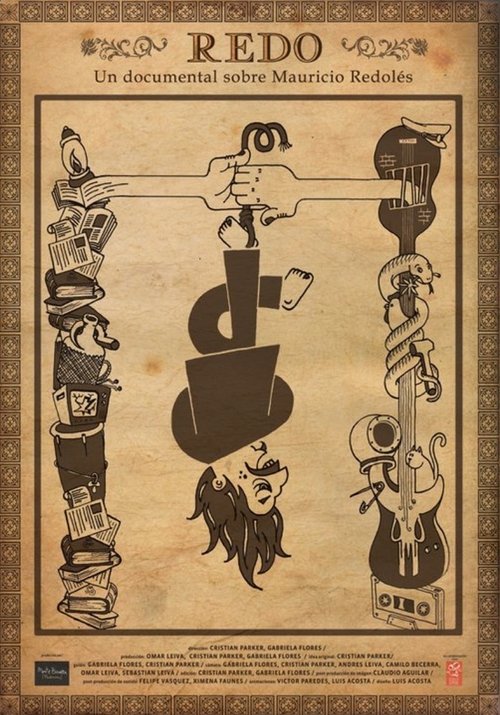
No description available.
REDO: Un documental sobre Mauricio Redolés

A concert program about the current development of the free Latin American music presented by a wide range of artists, performers and groups from around the countries of the continent.
Canto Libre - den fria sången

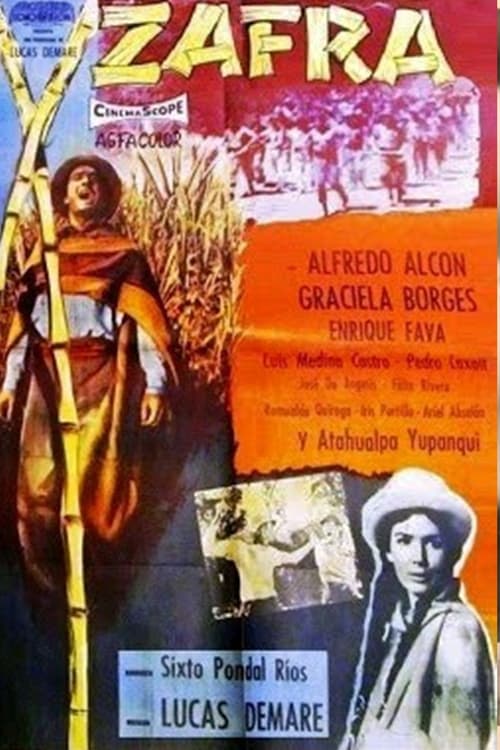
A social drama centered on the miserable conditions experencied by cane cutters in Argentina's north.
Zafra

The film begins with a part of the title disappearing through a cut in its center, cutting through the middle and producing a movement from right to left, revealing a room occupied by a child and her black maid. This is followed by an uninterrupted series of animated images, a kind of fleeting moment or painting that continually transforms, until it becomes a copy of Edouard Manet’s Olympia (1863). The second part begins with the title’s next part, which disappears just like the first one, setting in motion a reverse movement, from left to right, where images related to the first part, out of focus or from other points of view, arrive, ending with the reproduction of Félix Vallotton’s La Blanche et la Noire (1913).
From One Painting... to Another

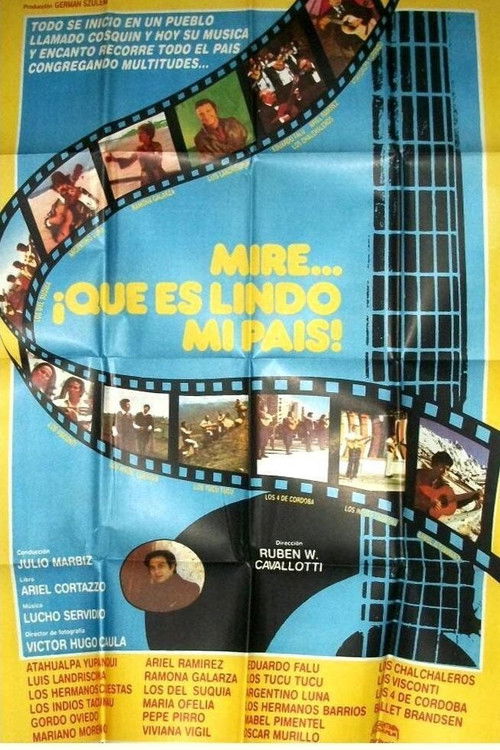
Sample of diverse folk songs interpreted by well-known figures of the genre.
Mire que es lindo mi país

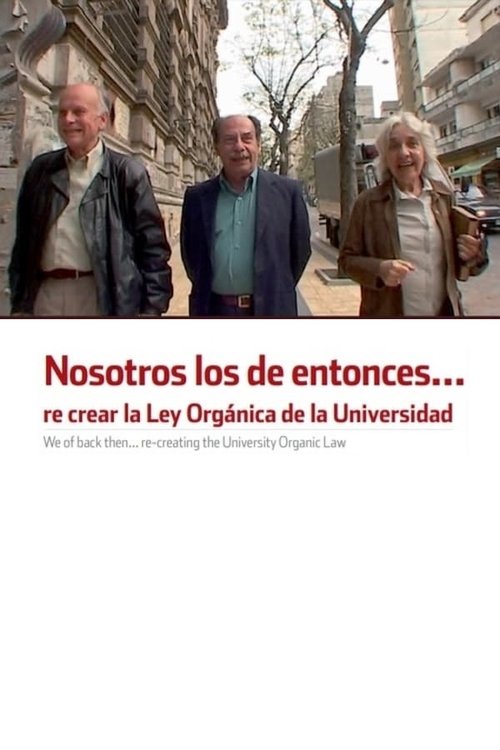
This documentary takes us back to the events surrounding 1958 when the University Organic Law was passed. We hear the testimony of three university teachers who took part in the debates and the student activism at that time: the experiences of people who were young “back then”, the cultural context of the period and the connection between the students and the worker's movement.
The Us of Back Then

No description available.