Toms Šķēle
Camera
Known For
Forgotten and, perhaps, unheard Latvian myths and ghost stories.
Freaky Fables
A brilliant but misguided man feels that he has the right to decide who is worth their place on earth.
The Arbiter

From true events to total fantasy. From comedy to horror. Latvian Song and Dance Festival Celebration in the vision of six Latvian directors.
Collective
The family from the 4th floor are reasonably sane people. Krists is a brash teenager who lives in his dreams more than in real world and has a keen interest in the neighbor girl Unda. Ineta, Krist's mother, is a moderately hysteical being, a primary school teacher who devotes all her awake hours to obsessively watching shows on TV. The tranquil balance of this family is disrupted one night when it turns out Krist's world of sleepwalking has began to endanger the life in awake.
Nightbirds
Over the past year, three young scientists have found unusual colored frogs in the wild in Latvia that are not typical for our region. A green frog with unusual orange and black coloring—seen for the first time—as well as a strange red frog. Scientists are trying to determine the cause – whether these are "natural errors" in a few specimens, or whether the entire frog population is affected – with environmental pollution being cited as one of the reasons. In a parallel story the scientists are conducting research on the restored tree frog population, observing the results of a project implemented in the 1990s – at that time, the extinct tree frog species was successfully restored and is once again found on the Kurzeme coast.
Frog Safari
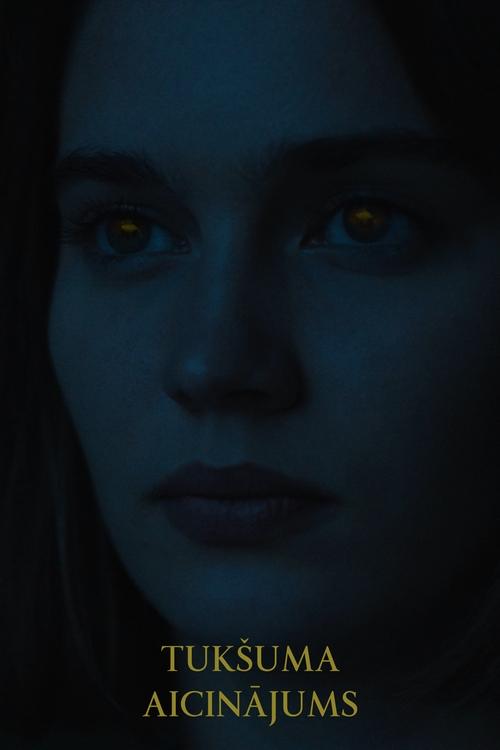
Two girls on holiday find a diary in an abandoned boat and set out to investigage a mysterious light on the horizon.
The Call of The Void
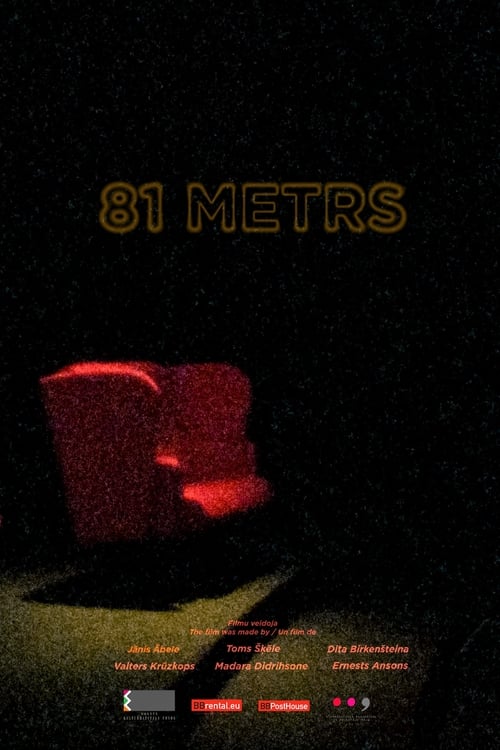
Spring 2021. A cinephile invites you on an intimate trip through the last surviving cinema houses in Latvia. This documentary essay, shot on super 8mm, opens the locked doors to picture houses during a Covid-19 lockdown, perhaps the most difficult time in the history of physical cinema space.
81 Meters
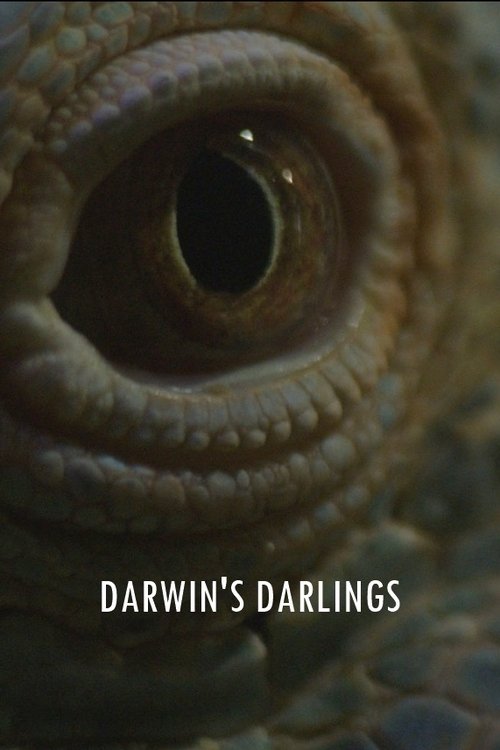
Standing near the reptile section in a zoo we can learn a lot about the animals on both sides of the separating glass.
Darwin's Darlings

Two twenty-somethings from Latvia meet in the south of France. Leo studies restoration, Anna has lived in Marseille for some time and works as a hairdresser. Also, she looks very much like the image of a girl that Leo has uncovered restoring an altar painting.
7 Billion Years Before the End of the World
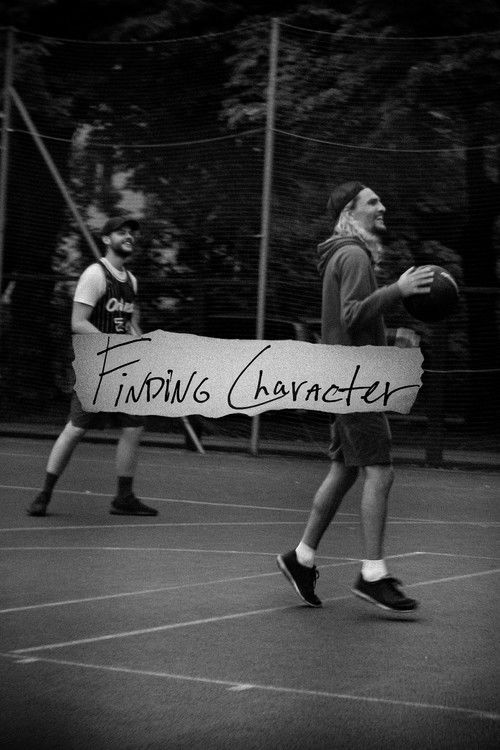
A glimpse into the past and present of a one's episodic quest to grasp authenticity under imaginary circumstances.
Finding Character
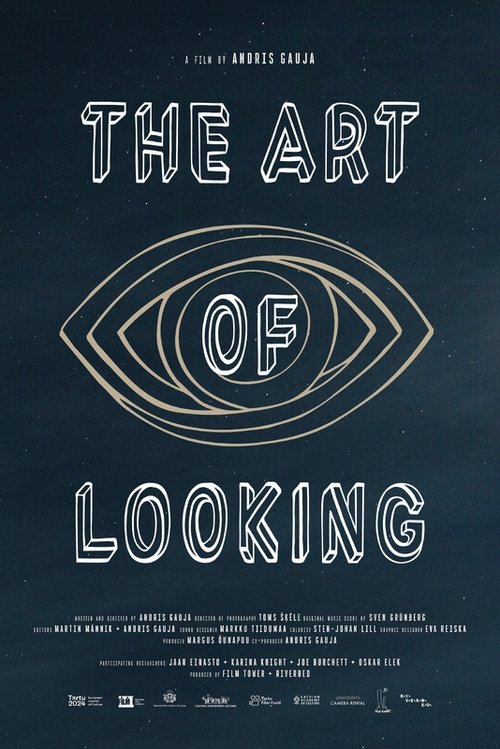
Astronomers look through telescopes and see that the universe has a structure — it’s shaped like a web. Slime mold researchers look through microscopes and see that the tiny organisms form similar patterns. In their quest of discovering the nature of things, they both show the beauty of curiosity.
The Art of Looking
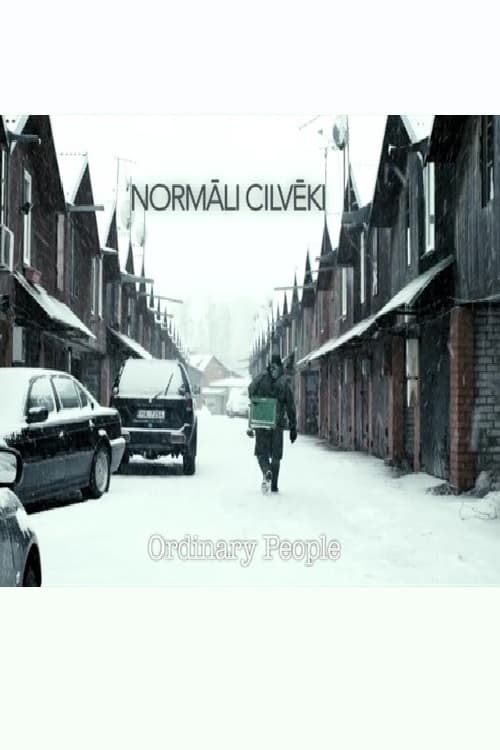
After his wife kicks him out of the house, an elderly, anti-social and quite conservative man Arvīds decides to reconnect with his grandson by staying with the boy and his mother. Not keen on their lifestyle, the old man tries hard to accept all the eccentricities of the young and liberal. Fortunately for him, a warm-hearted friend of Arvīds’ ex-daughter-in-law is always around to help and he seems to be a natural when it comes to children and other stubborn people. When Arvīds finds out that the young man is gay, he decides he has had enough. Often, life is not that much about finding your place, as about learning how to share that place with others. This short film is a light and playful experience, looking into the definition of “normal” that varies so strongly from generation to generation.
Ordinary People
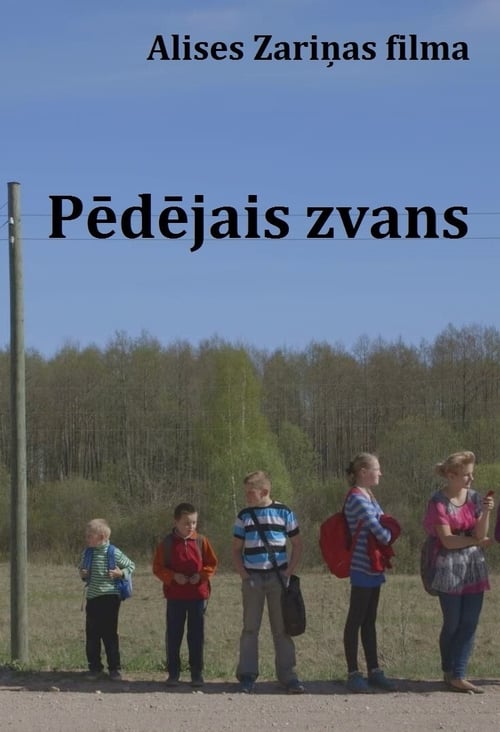
After receiving an edict from the municipal authorities about the closing of their school, the students at Mežvidi primary school continue to attend lessons and exercise creativity and fun, but it’s all clouded in a sense of fatality. They aren’t many students, and because of that the school resembles a large family rather than an institution. Near the Russian border, deep in the Latgale region, this place will become a nowhere-land once the youth depart. In an intimate message about a national problem, the story focuses on three sisters for whom life is about to drastically change. Through their daily lives and small adventures we try to understand the real meaning of the contention that “the countryside is dying”. And we see hope.
The Last Day of School
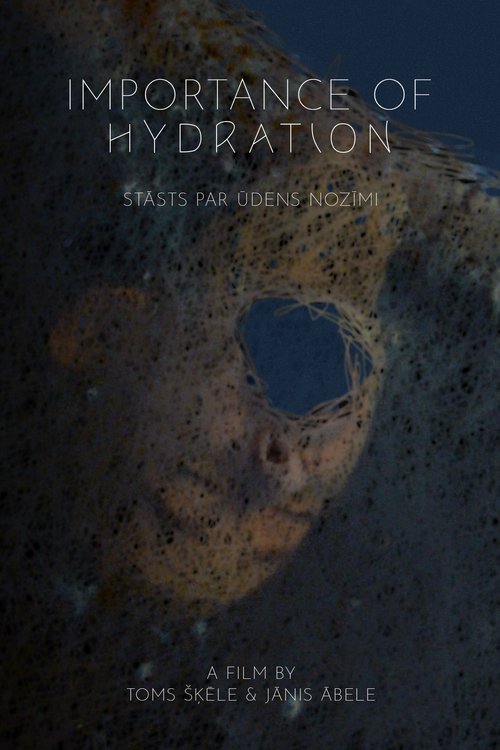
A melancholic view facing a mirror of water. It deceives the film’s protagonist, who wallows in longing and memories of his lost lover. The water here takes on the shape of a tear, a trickle through fallen leaves, the volume of a drink left undrunk in a bar, and the beauty of an oasis. Perhaps the unfortunate creature should follow the water, so that his beloved can be reborn?
Importance of Hydration
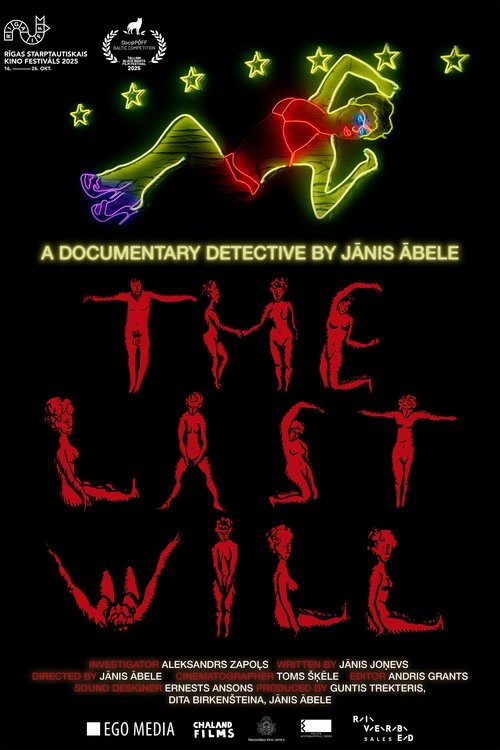
Anatols Imermanis was a Latvian crime writer and a poet during Soviet occupation. He could call himself a successful, financially stable soviet writer. But he wanted more – to be free. The free West, especially Paris, was a life-long dream for Imermanis, but he was never allowed to leave the Soviet Union. So he created his own personal Paris – a bohemian lifestyle, sexual freedom, ignoring all puritan norms of the soviet world. He died alone without fulfilling his dream about Paris. But death was not a reason to give up – his last will was to be cremated and his ashes to be dispersed in Paris red light quarters.
The Last Will
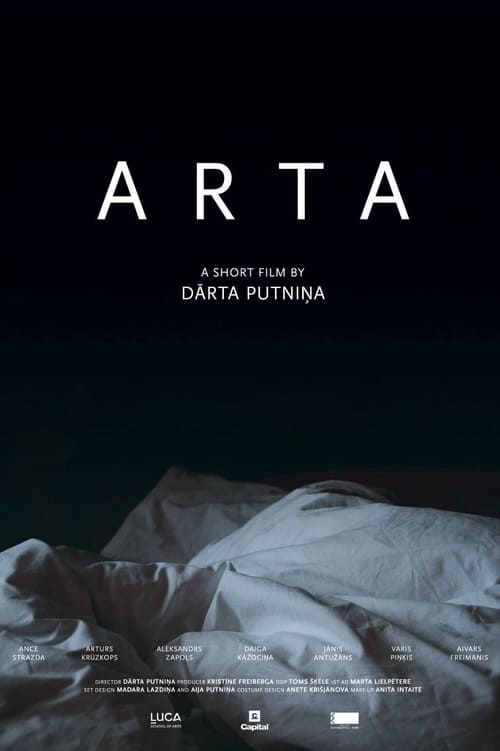
Suffering from insomnia, Arta develops a hobby of collecting pictures of other people sleeping. One night the girl accidentally locks herself out of the house and is forced to spend the night in the streets, dressed in pyjamas.
Arta
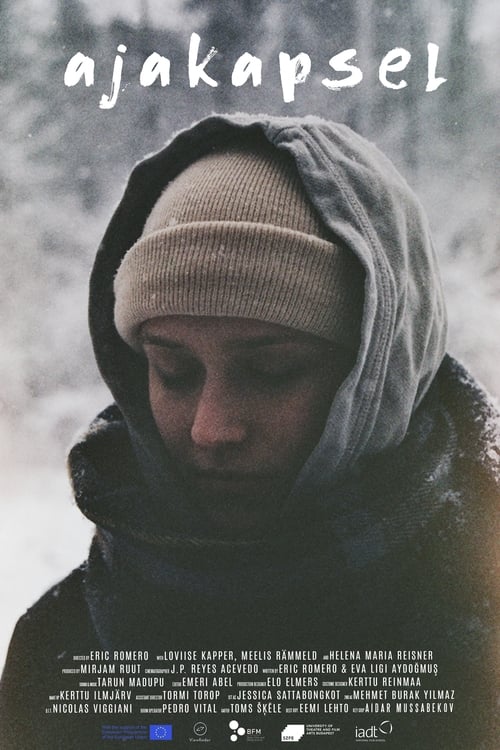
Emeri comes across a map from her childhood - a map that marks the location of a time capsule buried 19 years earlier - and memories come rushing back.
Time Capsule
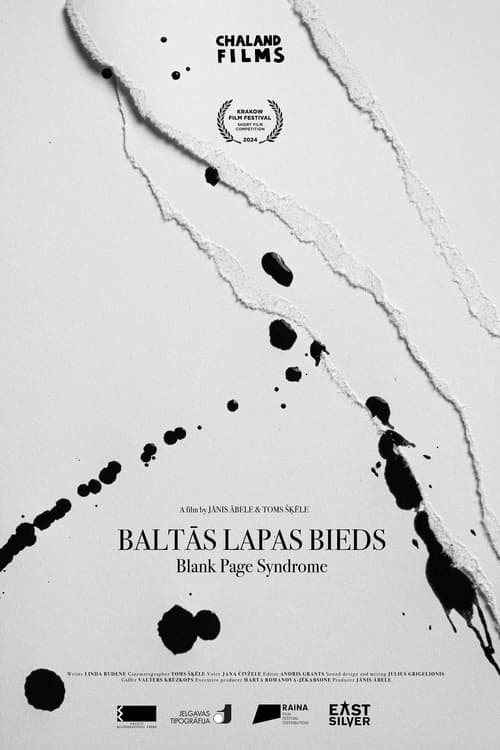
A documentary essay examining the creative process of creating a book from the writer's first thought to the printing of the typescript.
Blank Page Syndrome

It is a hot summer day and the Song Festival rehearsal is underway for the kokle ensemble. The exhausting rehearsal is enlivened by the arrival of percussionist Reinis. The ensemble's soloist Zane feels that this fateful encounter strikes not only the strings of the kokle, but also the strings of her heart. After the rehearsal, at the school where everyone is staying overnight, Zane realizes that her instrument is missing. It is the eve of the concert, and in the morning they must go to the final grand concert. She asks Reinis for help, as he is the last person to have seen the instrument. As the two wander through the school's dark corridors, it begins to seem that perhaps they will find more than just the lost kokle.
Stīgas
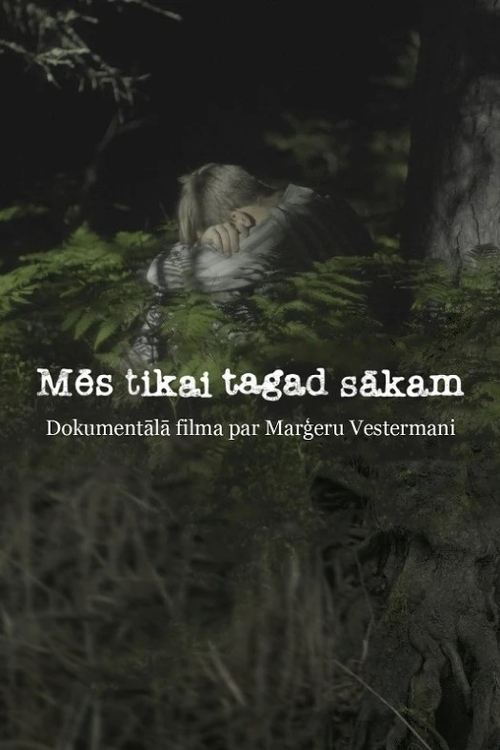
The story of Marģers Vestermanis is special since he is one of the few Holocaust survivors in Latvia. Can you live a full and targeted life after your family has been murdered but you have undergone through ghetto and concentration camp? Not everyone has managed – many remained trapped in the past and were not able to find the strength of living on. If you asked Marģers Vestermanis, he would most probably say that there was no other choice for him. However, this film is not only a story about Marģers Vestermanis who survived Holocaust. This is a story about man's place after surviving a tragedy, about how it changes him and the ones around him. And it is also a story about us.