Norman Paul
Writing
Known For

Get Smart is an American comedy television series that satirizes the secret agent genre. Created by Mel Brooks with Buck Henry, the show stars Don Adams, Barbara Feldon, and Edward Platt. Henry said they created the show by request of Daniel Melnick, who was a partner, along with Leonard Stern and David Susskind, of the show's production company, Talent Associates, to capitalize on "the two biggest things in the entertainment world today"—James Bond and Inspector Clouseau. Brooks said: "It's an insane combination of James Bond and Mel Brooks comedy." This is the only Mel Brooks production to feature a laugh track. The success of the show eventually spawned the follow-up films The Nude Bomb and Get Smart, Again!, as well as a 1995 revival series and a 2008 film remake. In 2010, TV Guide ranked Get Smart's opening title sequence at No. 2 on its list of TV's Top 10 Credits Sequences, as selected by readers.
Get Smart
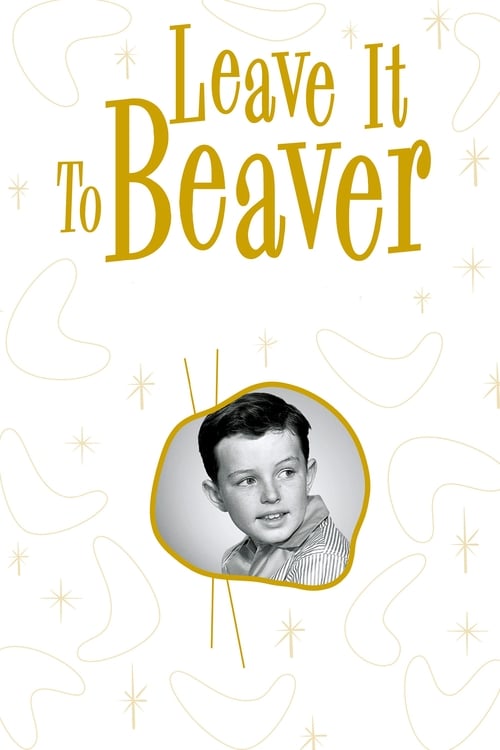
An inquisitive and often naïve boy, Theodore 'The Beaver' Cleaver, has adventures at home, in school, and around his suburban neighborhood. The show also starred Barbara Billingsley and Hugh Beaumont as Beaver's parents, June and Ward Cleaver, and Tony Dow as Beaver's brother Wally. The show has attained an iconic status in the US, with the Cleavers exemplifying the idealized suburban family of the mid-20th century.
Leave It to Beaver
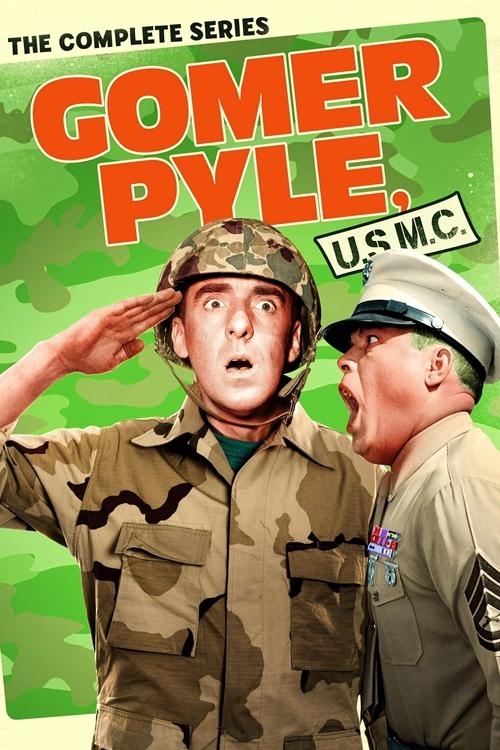
Gomer Pyle, U.S.M.C. is an American situation comedy that originally aired on CBS from September 25, 1964, to May 2, 1969. The series was a spinoff of The Andy Griffith Show, and the pilot was aired as the finale of the fourth season of The Andy Griffith Show on May 18, 1964. The show ran for five seasons and a total of 150 episodes. In 2006, CBS Home Entertainment began releasing the series on DVD. The final season was released in November 2008. The series was created by Aaron Ruben, who also produced the show with Sheldon Leonard and Ronald Jacobs. Filmed and set in California, it stars Jim Nabors as Gomer Pyle, a naive but good-natured gas-station attendant from the town of Mayberry, North Carolina, who enlists in the United States Marine Corps. Frank Sutton plays Gomer's high-octane, short-fused Gunnery Sergeant Vince Carter, and Ronnie Schell plays Gomer's friend Gilbert "Duke" Slater. Allan Melvin played in the recurring role of Gunnery Sergeant Carter's rival, Sergeant Charley Hacker. The series never discussed nor addressed the then-current Vietnam War, instead focusing on the relationship between Gomer and Sergeant Carter. The show retained high ratings throughout its run.
Gomer Pyle, U.S.M.C.
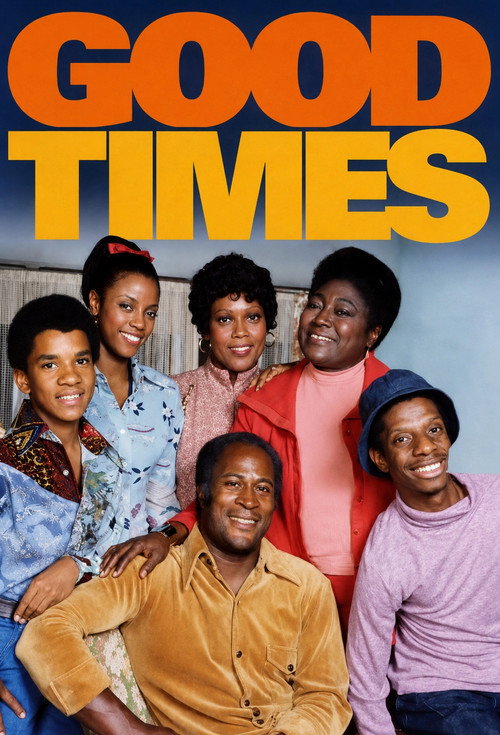
Good Times is an American sitcom that originally aired from February 8, 1974, until August 1, 1979, on the CBS television network. It was created by Eric Monte and Mike Evans, and developed by Norman Lear, the series' primary executive producer. Good Times is a spin-off of Maude, which is itself a spin-off of All in the Family along with The Jeffersons. The series is set in Chicago. The first two seasons were taped at CBS Television City in Hollywood. In the fall of 1975, the show moved to Metromedia Square, where Norman Lear's own production company was housed.
Good Times
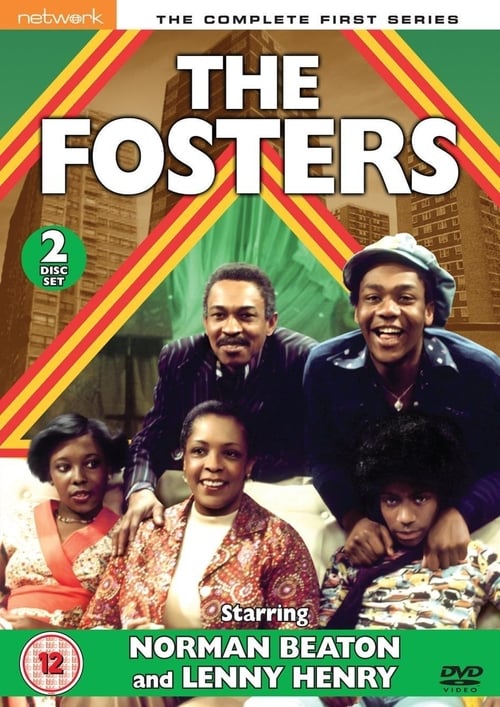
The Fosters is a British sitcom created and written by Jon Watkins and Eric Monte. It showcases the early work of Lenny Henry as the budding artist son of easygoing family man Samuel Foster (Norman Beaton). The series follows the day-to-day trials of Samuel, his lively wife Pearl (both immigrants from Guyana) and their three children on a South London housing estate.
The Fosters
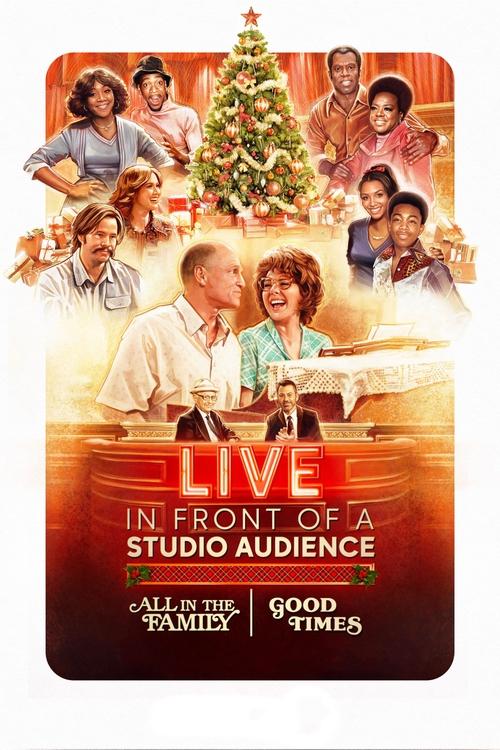
Live performances of classic holiday-themed episodes from Norman Lear's hit shows "All in the Family" and "Good Times."
Live in Front of a Studio Audience: "All in the Family" and "Good Times"
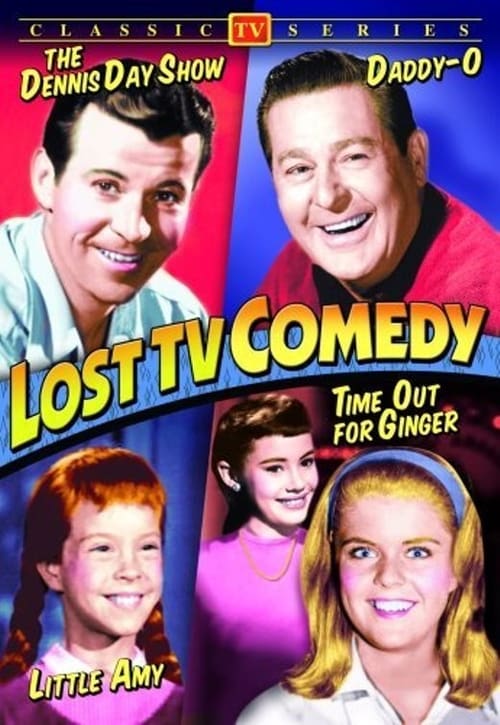
Little Amy is a 1962 failed television pilot written by Norman Paul and starring Debbie Megowan. Other cast members include Bill Leslie, Shary Marshall, and Jack Nicholson in a small part as a football coach. It was filmed at Metro-Goldwyn-Mayer Studios and was produced by the CBS Television Network. The failed pilot is widely considered to be based on the popular cartoon series Little Audrey.