Directing
Malhação is a Brazilian television series for the teenage audience. The soap started in 1995, and was set in a fictional Gym Club called Malhação on Barra da Tijuca, Rio de Janeiro. Through the years the location varied slightly. Although the name of the soap remains the same, it is now set in the Múltipla Escolha High School.
No description available.
Nonô Corrêa, a character inspired by Molière's "The Miser", is the story's protagonist. The orphan Zezinho crosses paths with Nonô and wins the neurotic gentleman's heart.
After an accident, Marcela arrives in São Paulo and decides to assume a new identity. Torn between love, she plunges into a world that is not her own.
In the tiny poor town of Asa Branca, in the middle of Brazilian Northeast, Roque Santeiro is worshiped as a saint. He was supposedly killed by a bandit, 18 years ago, trying to save the local church. After his disappearance, local leaderships such as landowner Sinhozinho Malta and mayor Florindo, took profit on that to control the humble population. They even make up a widow, Porcina, who should have married Roque secretly before his death. What they don't expect is that Roque is alive, and he's back to, allegedly, "save his people". Now Malta, Florindo, Porcina, and others must hold him down and explain the "truth" to their commoners, in a desperate attempt to save their own bottoms. Meanwhile, mysterious facts surround Asa Branca, such as a Werewolf, a film crew who are trying to shoot a movie about Roque's story, and violent murderers.
To defend the humble Soró Sereno in a traffic accident, the mysterious Ciro Cerqueira, a bus driver, ends up getting involved with the traditional italian family of Mamma Vittoria Cantarelli, owner of a chain of canteens in which he starts to work as an executive, and is torn between the love of the matriarch's granddaughters, the responsible Luísa and the seductive Bruna, a woman who spares no effort to get what she wants.
After his grandfather's death, André Cajarana goes to Rio de Janeiro to understand the death of his father—whom he had always believed to be a hero—and to try to prove his innocence.
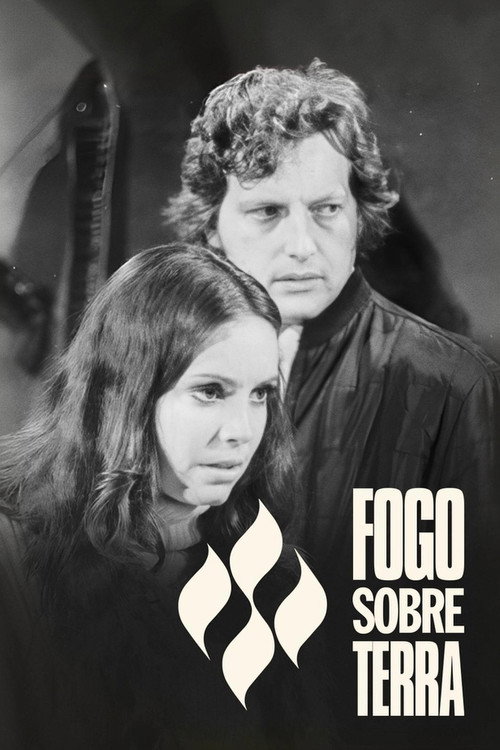
The plot takes place in a fictional city called Vale do Café, where two powerful families, the Toledo and Fontes, are locked in an intense dispute for power and land ownership. Conflicts are marked by betrayals, forbidden loves and dark secrets. The soap opera addresses themes such as ambition, revenge, romance and conflicts between families, showing the fire that consumes the land and human relationships.
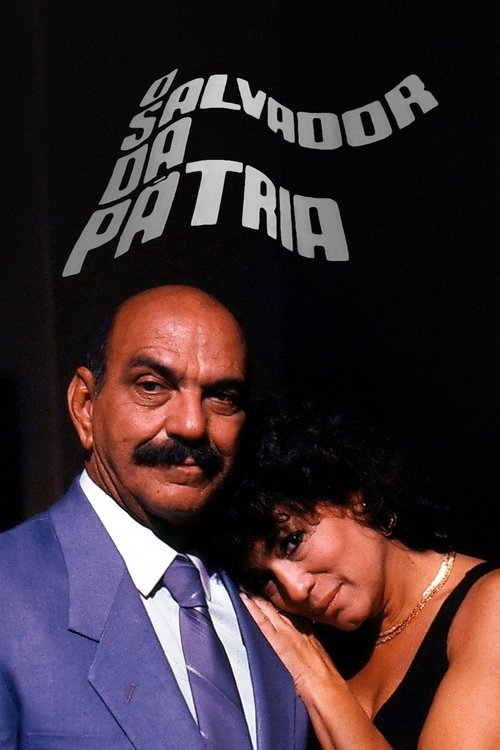
Sassá Mutema is a farm laborer who becomes the target of the city's powerful figures' cruelty. With Clotilde's support, he discovers that it's possible to start a new life alongside a great love.
A down-on-her-luck former inmate tries to reconnect with her daughter--to the objections of her sister who raised the girl, meets a millionaire, and transforms into a strong woman, returning to society at Dancin' Days nightclub's opening.
A Muralha is a Brazilian telenovela that first aired on TV Excelsior in 1968. It is based on a novel by Diná Silveira de Queirós.
The plot revolves around the youthful romance and subsequent reunion years later between Ramiro, the leader of a fishing village in Fortaleza, and the businesswoman Letícia.
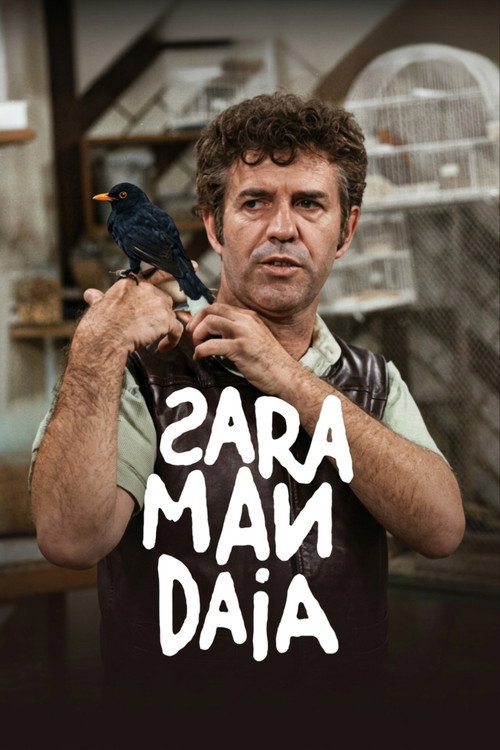
Saramandaia is a Brazilian telenovela originally written by Dias Gomes in 1976. It's considered remarkable because of the Magic Realism (used by the author to subtly criticize the Military Regime of the time) and had 160 chapters. The story centers on the name change that the city undergoes, promoted by the younger citizens and reviled by the older ones. It also focuses on the lives of the city's quirky residents.
To get revenge on her ex-fiancé Murilo Pontes, Pilar marries his rival, Jerônimo Batista. 25 years later, Pilar and Murilo deal with the passion between their children, Marina and Leonardo.
After getting lost on a sea excursion, Jô Penteado and Fábio Coutinho develop mutual feelings during the two months they spend stranded on a deserted island.