
Nguyễn Đăng Bảy
Camera
Biography
People's Artist Nguyễn Đăng Bảy (b. Bắc Ninh province, 1/1/1923 - 6/2007) was a Vietnamese cinematographer. He began filming documentaries reporting the wartime activities of Hồ Chí Minh, after being given a camera in 1949 by his office. Afterwards, in 1960, he participated in his first feature film "The Construction Girl" (Cô gái công trường). The next year, his work in "The Passerine Bird" (Con chim vành khuyên, d. Trần Vũ & Nguyễn Văn Thông) won him the award for Best Cinematography at the 2nd Vietnam Film Festival in 1973. Nguyễn Đăng Bảy won this award again at the next festival in 1975 for the film "We'll Be Seeing Us Again" (Đến hẹn lại lên, d. Trần Vũ, 1974). In total, he was the director of photography in over 30 feature films, including "Rising Storm" (Nổi gió, d. Huy Thành & Lê Huyến, 1966); "Mrs. Dau" (Chị Dậu, d. Phạm Văn Khoa, 1981); "Holy Day" (Ngày lễ Thánh, d. Bạch Diệp, 1976); "Stormy Ride" (Chuyến xe bão táp, d. Trần Vũ, 1978); "That Day on Lam River" (Ngày ấy bên sông Lam, d. Nguyễn Ngọc Trung); etc.
Known For
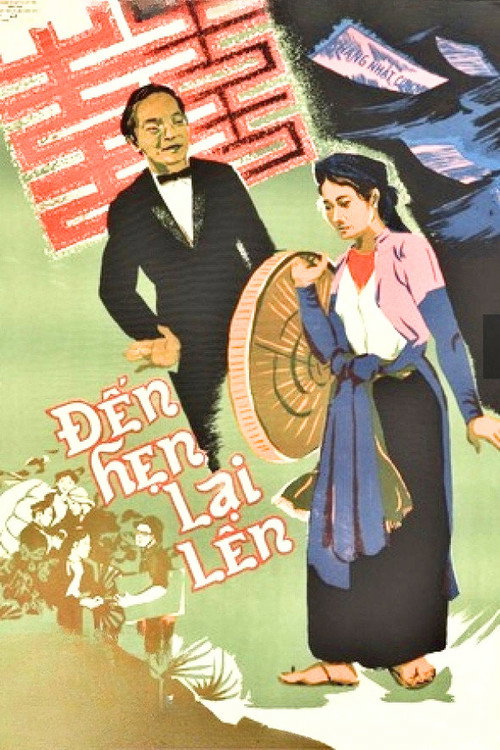
On a festive spring day in 1940, two young quan họ singers fall in love. But their relationship is soon ruthlessly disrupted by class injustices, imposed upon both—and many other Vietnamese—by the ongoing French colonial rule and the looming Japanese occupation.
We Will Meet Again
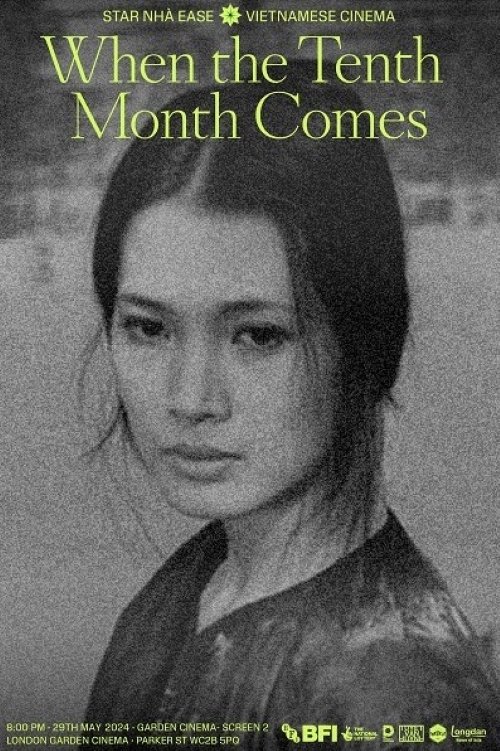
In the final days of the war, Duyên faces a daily struggle to take care of her young son and ailing father-in-law, all the while hiding from them the fact that her husband has recently been killed in battle.
When the Tenth Month Comes
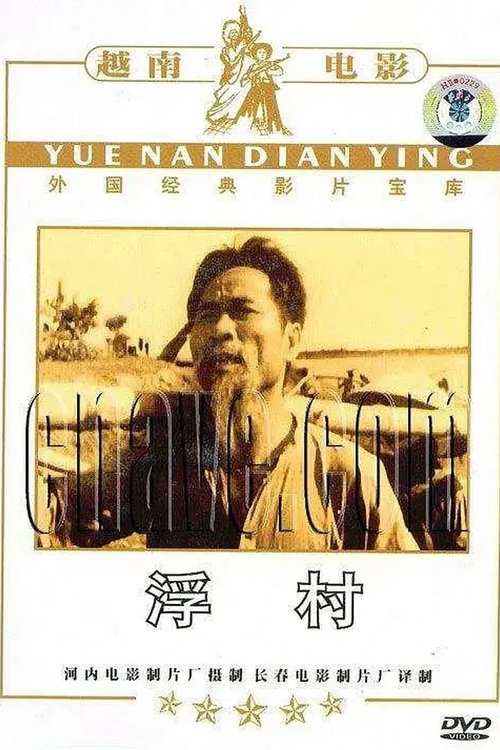
The inhabitants of a small island in the delta of the turbulent Red River are doomed to poverty: floods wash away crops, livestock, and even people. From generation to generation, a legend is passed down about a kind dragon that can drink the river's water and save the village. But the dragon is a fairy tale, and the people have decided to block the treacherous river themselves. With extraordinary perseverance, fighting against the elements, the village population builds protective fortifications around the island.
Floating Village
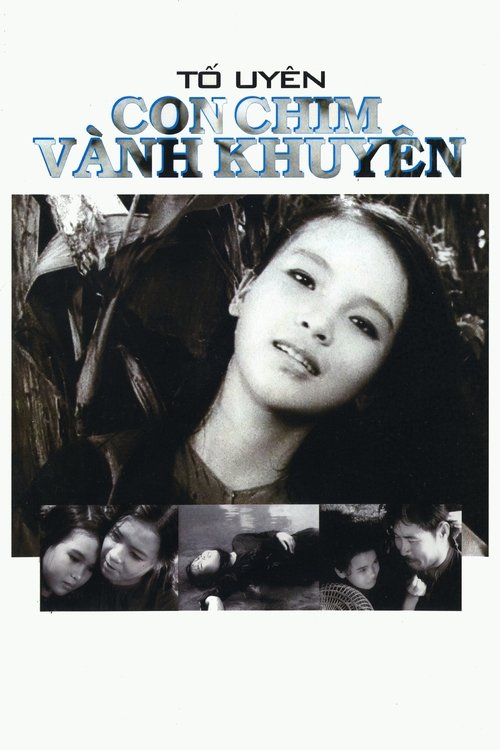
Story of an innocent and carefree little girl whose father is a member of the anti-French resistance.
The Passerine Bird
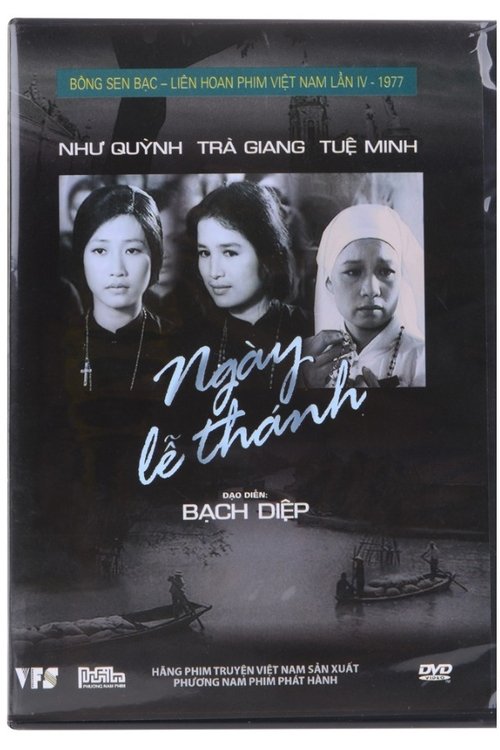
A story about a Catholic Village by the sea in Northern Vietnam in the early 60's, where people lacked faith in the new Communist regime.
The Holy Day
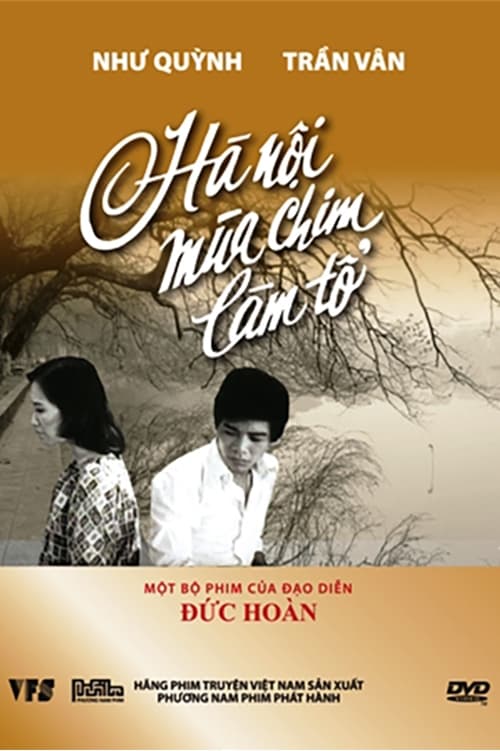
Hanoi of 1978, milkwood pine flowers in autumn, and the anxiety of idealistic youths navigating postwar life. A young couple struggle to be together as individual happiness gets in the way.
Nesting Season in Hanoi
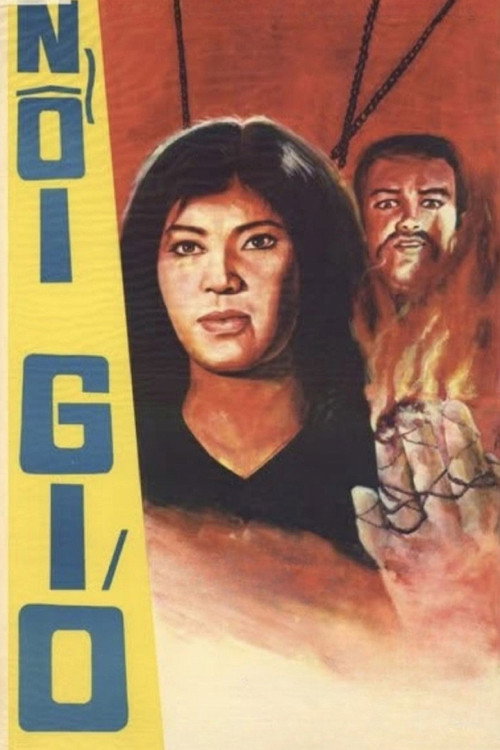
Phương and his sister Vân reunite after years of separation in the war, but their clashing political affiliations soon set them apart.
Rising Storm
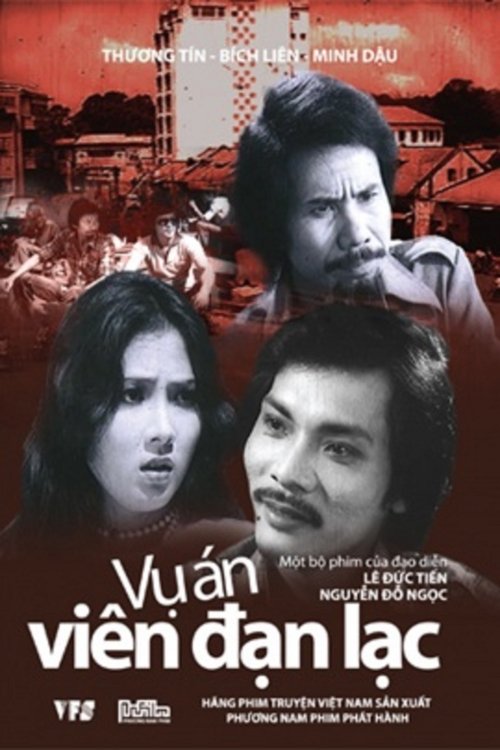
No description available.
Vụ Án Viên Đạn Lạc
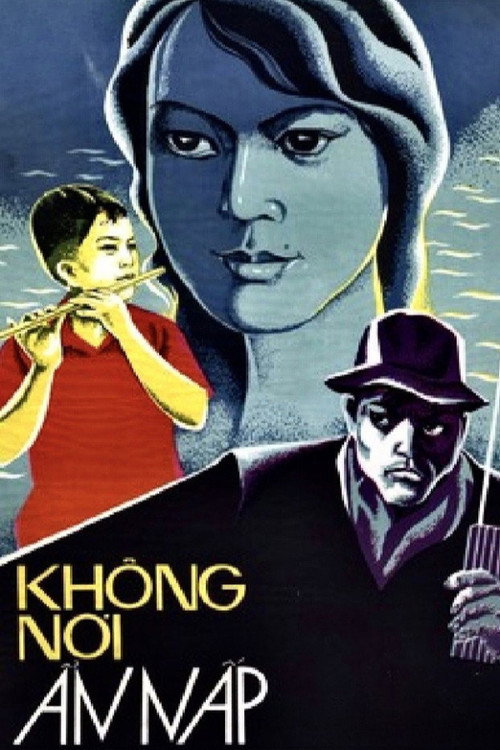
Three ARVN special task agents infiltrate the ranks of North Vietnamese army to plant doubts and fears among Revolutionary soldiers.
Nowhere to Hide
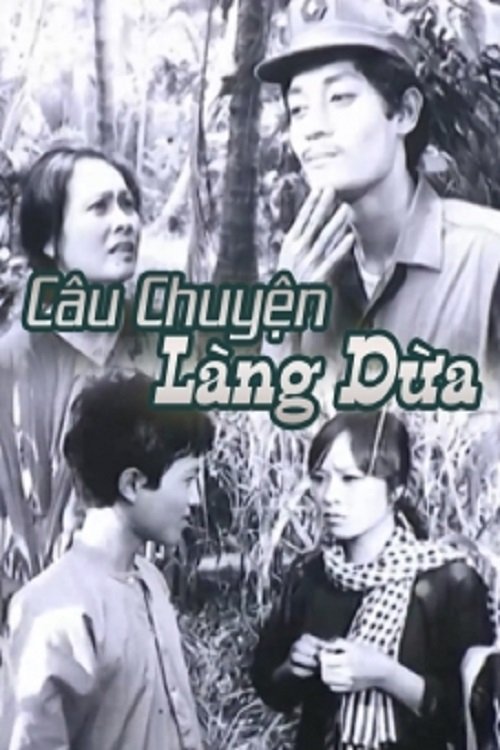
No description available.
Story of the Coconut Village
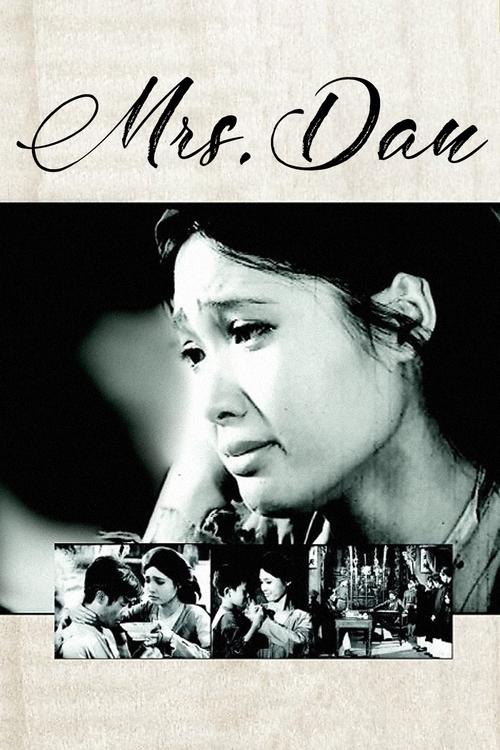
In colonial French Indochina, a woman sells her daughter and four dogs in a desperate attempt to save her husband from torture when they can’t pay off the government taxes.
Mrs. Dau
An elderly couple from Vinh and their grandchild takes a coach to Viet Tri The passengers face numerous harassments during the journey, but luckily a youth volunteer and a discharged soldier are determined to help them.
A Stormy Journey
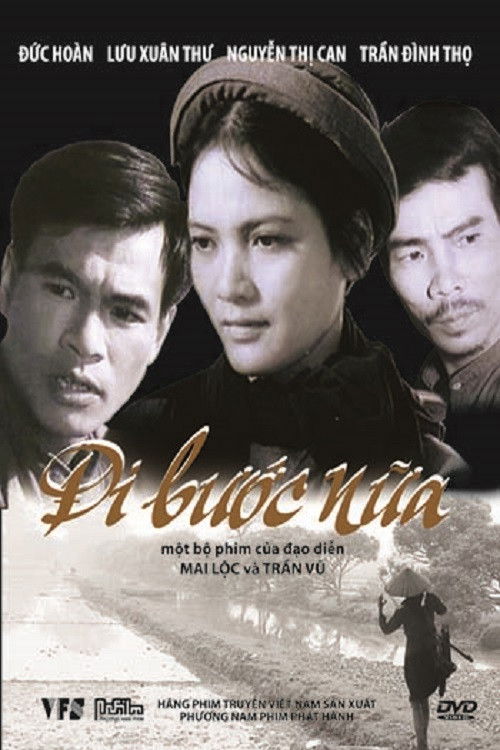
The story in the film is about the love between a man and a woman from the same village, Hoan and Can, who have two children together. But this love affair encountered many difficulties and pressure from family and social customs, forcing Can to leave his hometown and go to the mountains. As for Hoan, she was also prevented by her husband's family because they were afraid of having to redistribute their land. The film shows viewers the relationships and behaviors of Northern farmers in the context of the 1960s.
Remarriage
A short film by Tran Vu
Smoke
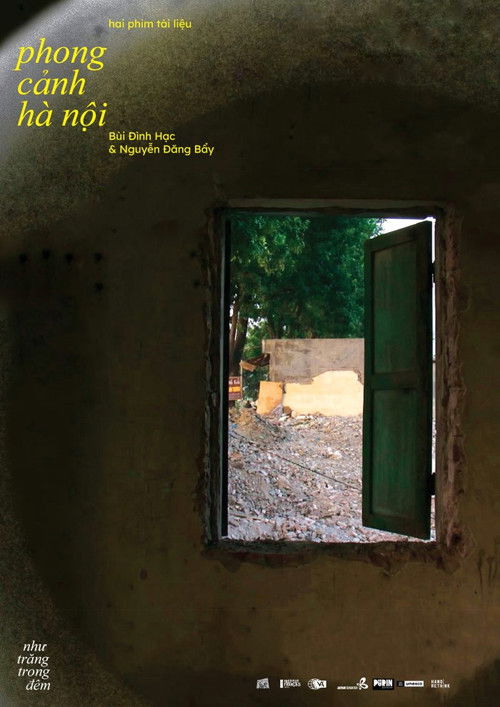
At which distance should one record a city, landscape and people? From the eyes of Bùi Đình Hạc and Nguyễn Đăng Bẩy, Hanoi is a promise: a Hanoi after the event of Điện Biên Phủ. Under the “sky of freedom”, to cite the commentary, panoramas of the capital’s renown landmarks unfold like a series of postcards. A harmonious world where nature and heritage of then and now coexist. In long shots, at a small scale, people can be seen dressing neatly, working and playing with delight. Hope is an obvious choice. A sense of future glimmers amidst vast expanses of open space.
Hanoi Landscape
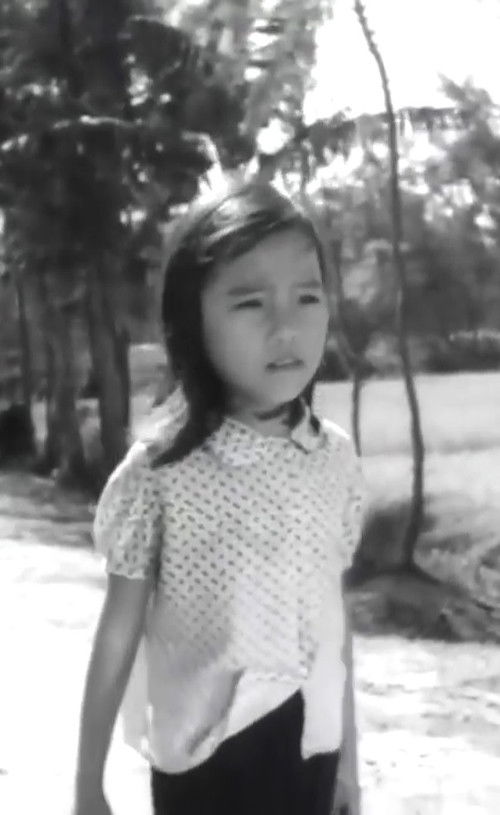
After his brother goes off to serve in the war young Phuoc feels he would also be better serving his country holding a gun, not a rake.