
Lea Desandre
Acting
Known For
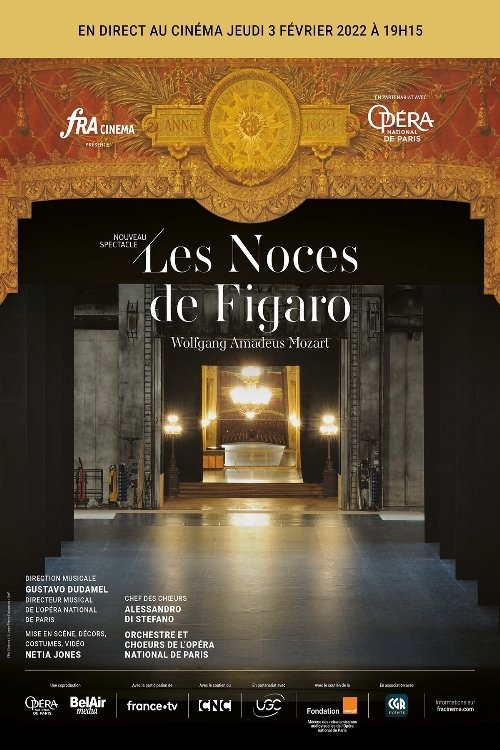
The Marriage of Figaro is one of the most emblematic operas in the repertoire. Brahms spoke of it as a “miracle” and the Countess' complaint still resonates today as one of the most heartbreaking musical pages. It was by resuming Beaumarchais' comedy, which caused a scandal in Parisian society, that Mozart and his librettist Da Ponte began their first collaboration. The play was banned by Joseph II in 1785 at the Vienna Theater. Is it because it exposed too much to the forefront the contradictions of an already faltering regime, ready to collapse with the French Revolution? Netia Jones preserves the very essence of Beaumarchais' play by questioning human relationships with humor but not without mischief, in a production which confuses reality and fiction to the point of asking, like the Count: "Are we playing a comedy?" »
Les Noces de Figaro, Opéra Garnier de Paris
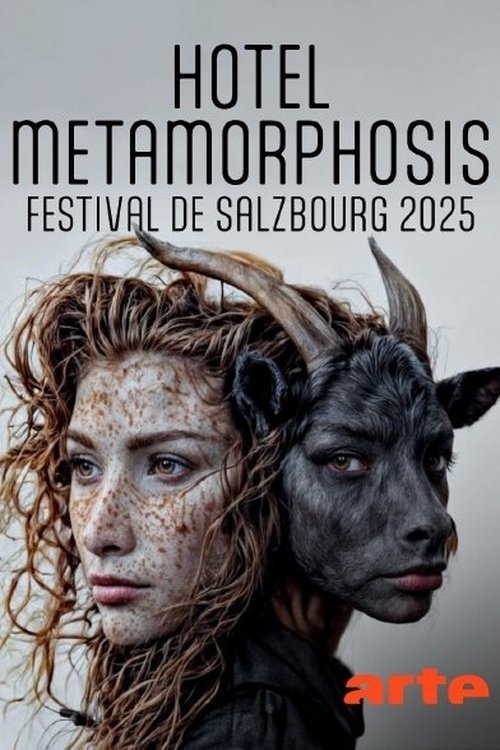
When Ovid's “Metamorphoses” meet Vivaldi's music: conceived and directed by Barrie Kosky, an effervescent show presented at the 2025 Salzburg Festival. With Cecilia Bartoli, Lea Desandre, Nadezhda Karyazina, and Philippe Jaroussky, as well as actress Angela Winkler in the spoken role of Orpheus.
Hotel Metamorphosis @ Festival of Salzburg 2025
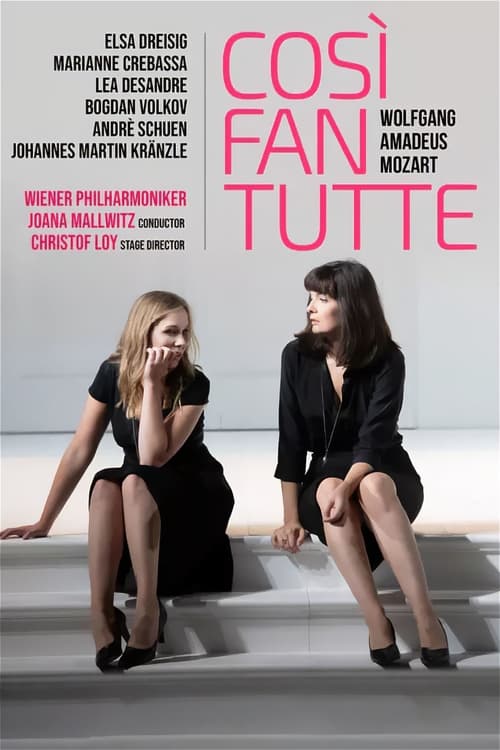
As Christof Loy put it: Così fan tutte invites us to embrace the complexity of life and face the future with heads held high. In his staging of the version he abridged with Joana Mallwitz for the Salzburg Festival 2020 the focus is wholly on the figures and the subtle choreography of their emotional states — in a space that like a magnifying glass exposes the intricate mechanisms between the characters. In this way the production leads the protagonists and the audience to experience the ‘serene calm’ that can perhaps indeed cure our own ‘distempers’.
Così fan tutte - Salzburger Festspiele 2020
No description available.
Marc-Antoine Charpentier : Médée
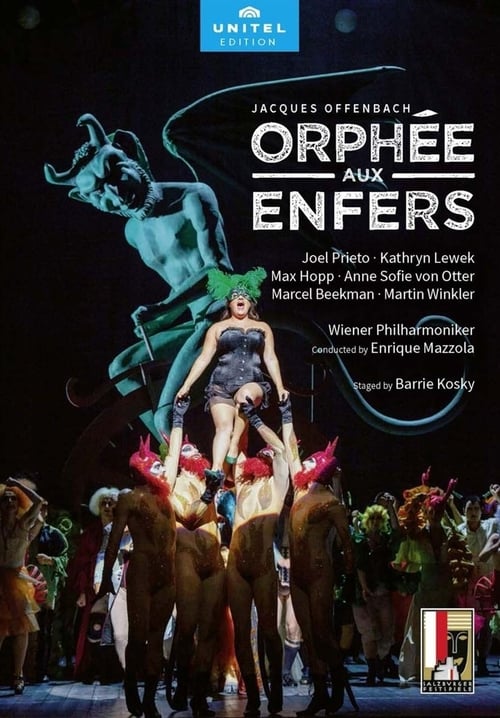
Offenbach’s mockery of bourgeois ideals, the sublimity of music and the institution of marriage ensures that the moralistic sermonizing of ‘Public Opinion’ falls on deaf ears. The mysterious figure of John Styx tells the story of behind-the-times Orpheus and his hacked-off Eurydice, of gods and goddesses seeking diversion, jaded with humdrum life in Olympus. He tells of the rebellion in the pantheon, which Jupiter adeptly averts by promising an amusement for his entourage. Burning with curiosity to see the beauteous captive and the contest between Jupiter and Pluto for Eurydice’s favour, the illustrious company embarks on an infernal ride to the underworld that culminates in what is surely the most wellknown can-can in the history of music. And what of Eurydice? She ends up putting a spoke in everyone’s wheel…
Orphée aux Enfers - Salzburger Festspiele 2019
No description available.
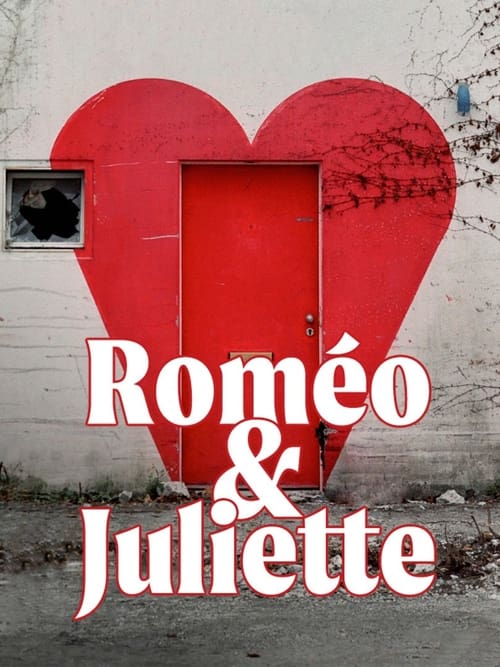
Roméo et Juliette (Opéra Bastille)
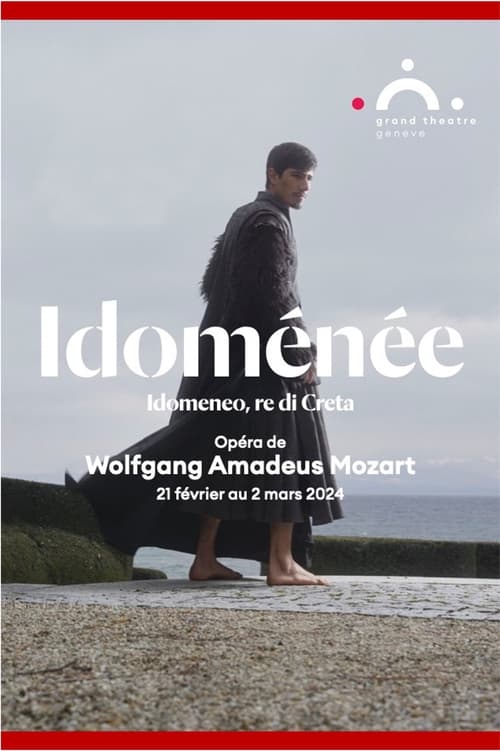
After the fall of Troy, King Idomeneo can finally think about returning to his homeland of Crete. During his long absence, his son Idamantes took care of the affairs of government and the Troyan prisoners of war, including Ilia, the daughter of King Priam. In order to get out alive from the storm that prevents him from landing in Crete, he promises to sacrifice the first living creature he encounters on his home soil to the sea god Poseidon. Unfortunately, this is his son who rushes to greet him. By sacrificing her life for Idamante's, whom she loves and who reciprocates her love, Ilia manages to appease Poseidon and release Idomeneo from his fateful oath. Production of the Grand Theatre de Geneve, 2024.
Idomeneo
No description available.
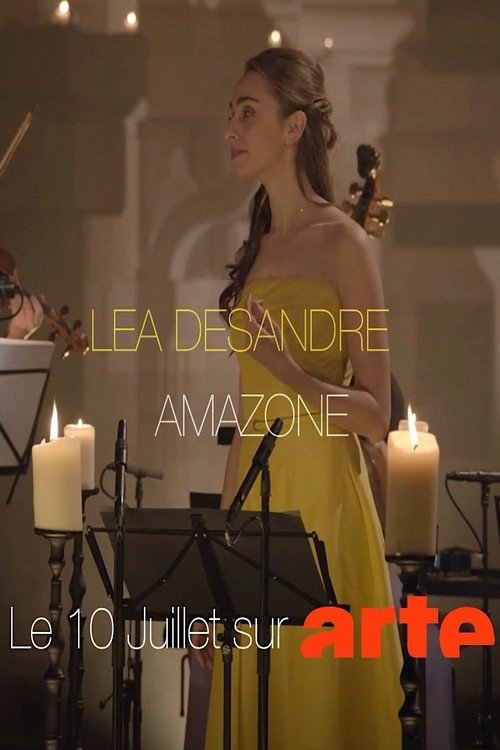
Lea Desandre, récital baroque - Amazone
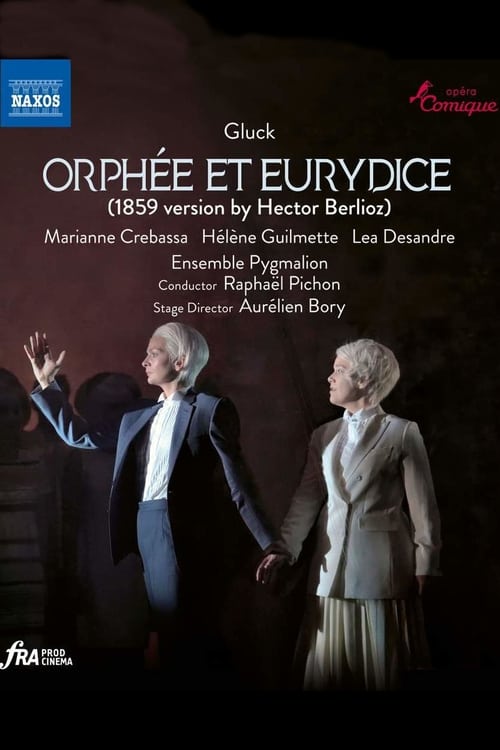
Amour, the messenger of the gods, tells Orpheus that he may descend to the underworld and return with Eurydice. His singing has the power to appease the Furies and animate the blessed Shadows. Yet, his voice cannot reassure Eurydice who despairs of the feigned indifference of Orpheus, put to the test by Jupiter. Raphaël Pichon conducts the opera of operas and Aurélien Bory displays the giddiness of the mental and supernatural spaces traveled by Orpheus and beyond. Marianne Crebassa plays a new breeches role with Hélène Guilmette (Hélène in Le Timbre d’argent) and Lea Desandre (the title role in Alcione).
Gluck - Orphée et Eurydice
Since William Christie founded Les Arts Florissants in 1979, they have strengthened year after year their reputation as one of the world’s premiere ensembles for early and Baroque music. For this 40th anniversary concert from 2019 at the stunning Philharmonie de Paris, core artists from “Les Arts Flo” reunite to perform some of the ensemble’s trademark pieces, from Lully’s Atys—a long-forgotten masterpiece they revived in 1987 over 230 years after its last performance—to the great operas of Rameau and gems by the likes of Charpentier, Purcell, and Handel. This celebratory concert features another first for the storied ensemble, as Christie shares conducting duties with Paul Agnew! Riveting from beginning to end, this Baroque Odyssey encapsulates all the qualities—world-class instrumentalists, impeccable Baroque vocalists, cannily chosen repertoire—that have made Les Arts Florissants such a beloved and enduring fixture in the classical world.
A Baroque Odyssey: Les Arts Florissants celebrates 40 years
co-production with the Teatro Real (Madrid).
The Marriage of Figaro - Aix-en-Provence Festival

When, in 1733, Voltaire, the most brilliant mind of his day, collaborates with Rameau, its greatest composer, in undertaking an ambitious reform of operatic practice, the result is the biblical opera Samson. But the libretto is condemned and the score lost – possibly reworked here and there in later compositions. Claus Guth and Raphaël Pichon, haunted by this interesting project that had turned into one of the most intriguing failures in operatic history, have tried, not to recreate the letter, but to revive the spirit: to marry a strong, noble libretto with the most eloquent music.
Jean-Philippe Rameau: Samson (Festival d'Aix-en-Provence)

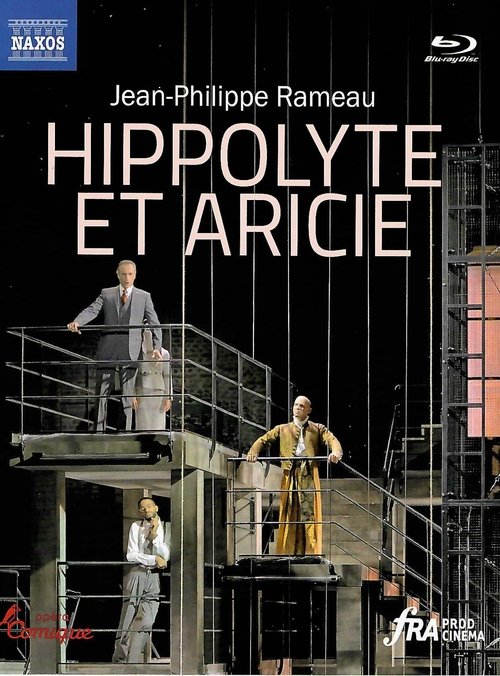
In October 1733, the audience at the Académie Royale de Musique witnessed the birth of a revolutionary work: Hippolyte et Aricie. With its inventiveness and musical richness, Rameau’s opera marks a break in the history of French music. A similarly revolutionary duo – Jeanne Candel and Raphaël Pichon – get to grips with this work for the Opéra Comique.
Hippolyte et Aricie
No description available.
HIPPOLYTE & ARICIE (Pichon)
The Pygmalion Ensemble, led by conductor and countertenor Raphaël Pichon, is renowned for its refined sound on period instruments. Together with vocal stars Sabine Devieilhe, Lea Desandre, Johannes Martin Kränzle, Julian Prégardien, and Daniel Behle, the ensemble delves into rarely performed works by Wolfgang Amadeus Mozart.
Zaïde, or The Path of Light @ Salzburg Festival 2025
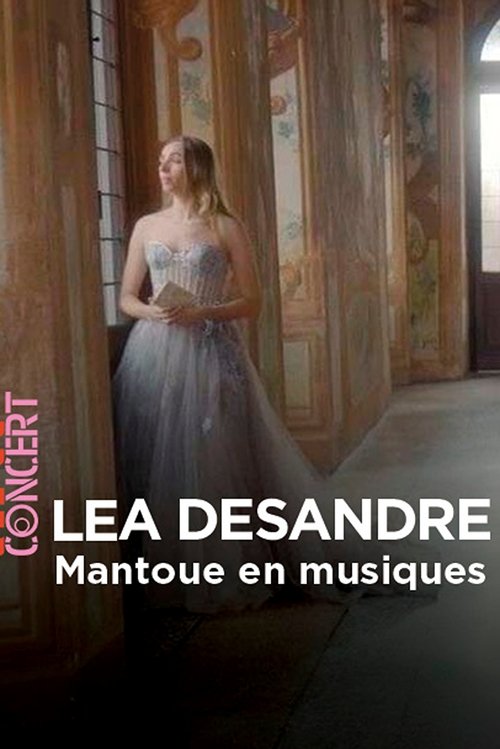
Mezzo-soprano Lea Desandre and lutenist Thomas Dunford perform Monteverdi, Frescobaldi, and Handel in this musical exploration of the Renaissance in the Lombard city.
Mantoue en musiques Avec Lea Desandre
No description available.
Italienischer Barockabend auf Schloss Versailles

This Salzburg Festival production of Le nozze di Figaro (2020) offers a radical reinterpretation of Mozart's opera, directed by Martin Kušej, who continues his exploration of Mozart’s works following Don Giovanni (2002) and La clemenza di Tito (2003). The turbulent comedy, laden with erotic entanglements, exposes themes of patriarchal dependency, sexual exploitation, betrayal, and emotional emptiness. French conductor Raphaël Pichon, renowned for historically informed performances, conducts his first opera at Salzburg after his debut at the festival in 2018.
Le Nozze di Figaro
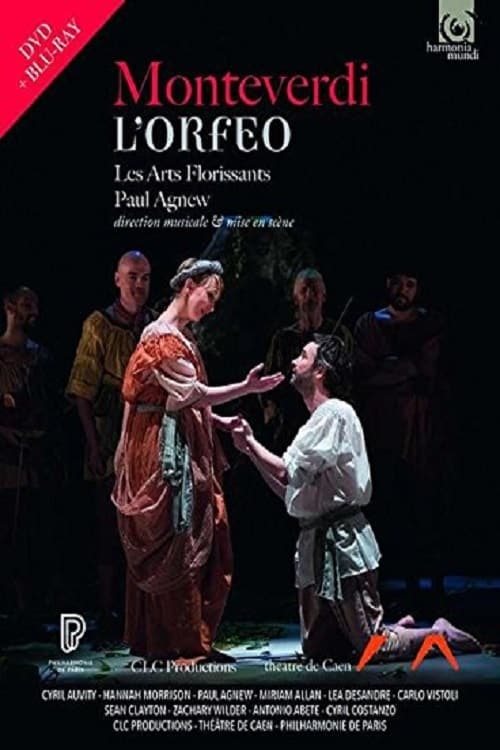
In celebration of Monteverdi’s 450th birthday in 2017, Paul Agnew—an expert in the Italian composer’s œuvre—directs L’Orfeo. This founding masterpiece of lyric opera is brought to life in elegant simplicity through the performances of Cyril Auvity’s Orpheus and Les Arts Florissants, with costumes designed by Alain Blanchot.