Sound
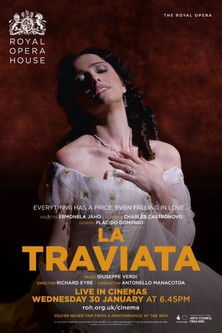
Alfredo Germont and the courtesan Violetta Valéry fall in love at a party in Violetta's Paris salon. Alfredo is determined to cure Violetta of her tuberculosis, and the couple leave Paris and begin a contented life in the country. But Violetta's happiness is destroyed when Alfredo's father Giorgio Germont pays her a visit. Richard Eyre's stunning naturalistic production contrasts the superficial glamour of 19th-century Parisian high life with intimate scenes for Violetta with Alfredo and Giorgio Germont, culminating in the heart-breaking final act.
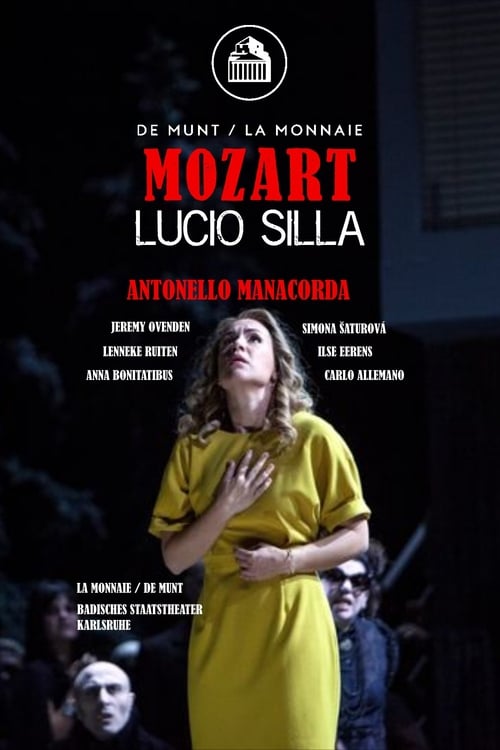
Having disposed of his enemies, Lucio Silla is now all-powerful. He wants to marry Giunia, but underestimates how much she hates him. After all, he has not only had her father murdered, but has also banished her beloved, Cecilio. At first, Giunia is misled into thinking that Cecilio is dead; with the help of Cinna, however, the lovers manage to meet up again. The power of love and Cinna’s machinations finally persuade Silla to relinquish his power.
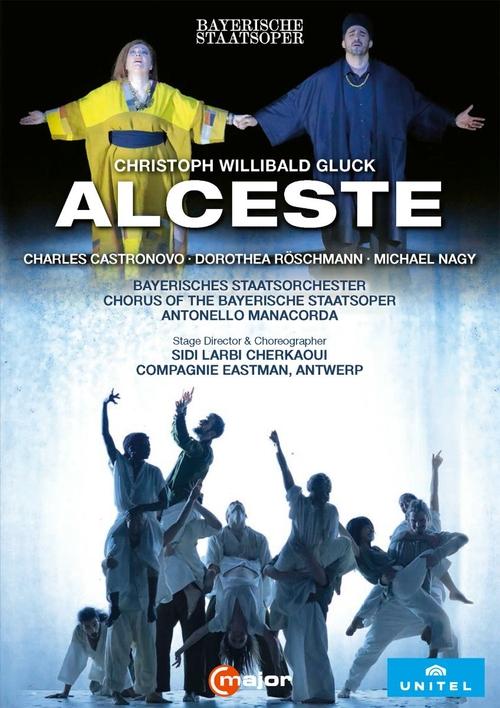
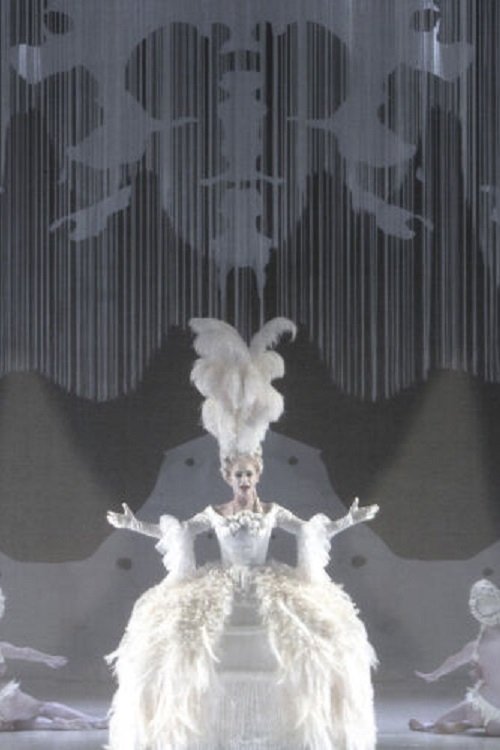
The Belgian dancer and choreographer Sidi Larbi Cherkaoui interprets Glucks late Baroque opera Alceste as an impressive symbiosis between dance and music. The opera can be experienced here in all its existential power. (SZ) It is here performed in the revised Paris version from 1776 where Gluck has revalued especially the ballet music. Cherkaoui director of the Royal Ballet of Flanders has worked with top artists across disciplines like superstar Beyoncé. The superb dancers of the Belgian Compagnie Eastman, Antwerp perform Glucks score physically, creating a fine and stringent aesthetics of beautiful images (Opernwelt). Dorothea Röschmann with her inimitable charisma (Financial Times) and Charles Castronovo deliver a brilliant performance in the roles of the self-sacrificing royal couple. Musically impressive.
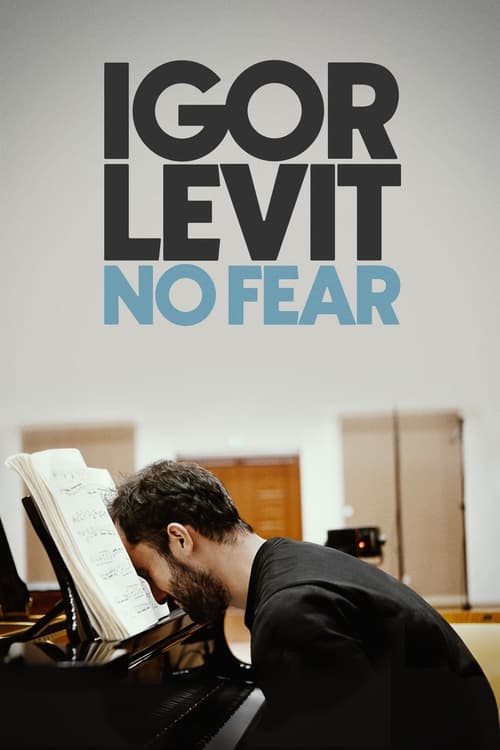
Follows the artist over two years as he explores his „life after Beethoven“, as he searches for his next challenge, his identity as an artist.
An esoteric fairy-tale, a mystical-dreamlike tale, and a symbolic-Masonic course: No matter which perspective you consider it from, The Magic Flute will always be one of Mozart’s undisputed masterpieces. Amidst exotic, fanciful settings and cruel trials to conquer knowledge, amidst musical enchantment and threatening hostile forces, is the final victory of good over evil and love over hate. Singspiel in two acts to a libretto by Emanuel Schikaneder, the Zauberflöte is one of the Salzburg genius’ last masterpieces, which he probably began composing in May 1791, not even six months before his death. The opera had its debut in Vienna on 30 September 1791, conducted by the composer himself and with Schikaneder as Papageno.
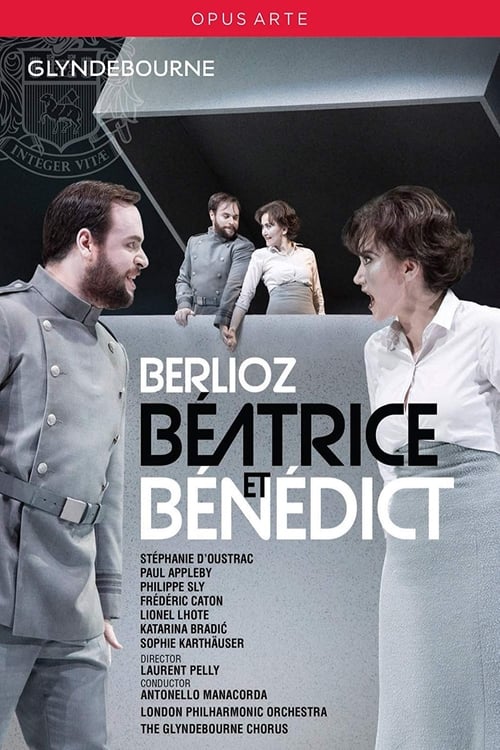
Berlioz’s whimsical and nostalgic take on Shakespeare’s great comedy Much Ado About Nothing graces the stage of Glyndebourne in Laurent Pelly’s astute 2016 production. Italian maestro Antonello Manacorda leads the London Philharmonic in Berlioz’s brilliant score.
The Magic Flute by Mozart at La Monnaie.
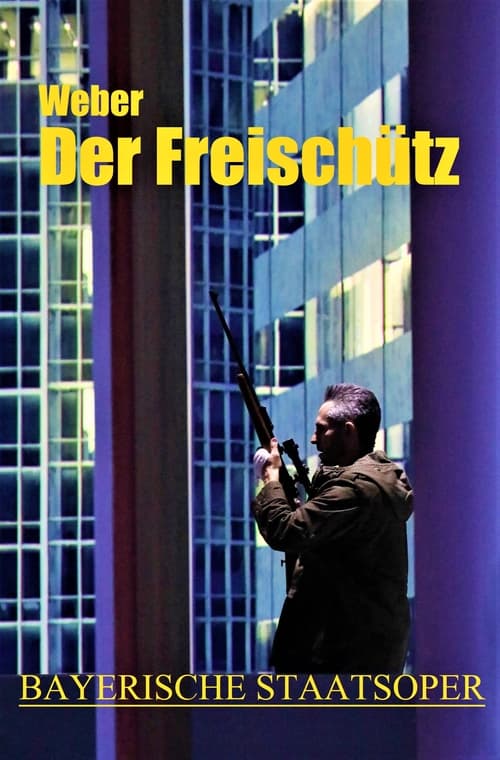
In a village community that holds firm to archaic customs, the young hunter Max must pass a marksmanship test so he may marry his sweetheart, Agathe. Of all times now when his shooting has been very much below par! Carl Maria von Weber and his librettist Friedrich Kind fluctuate between ghost story, fairy tale, fortune play and interplay between heaven and hell.
Two outstanding casts—including sopranos Nadine Sierra, Anita Hartig, Susanna Phillips, and Hanna-Elisabeth Müller; mezzo-sopranos Gaëlle Arquez and Marianne Crebassa; baritone Mariusz Kwiecien; and bass-baritones Luca Pisaroni and Adam Plachetka—come together for Mozart’s scintillating class comedy. Antonello Manacorda and Cornelius Meister conduct Sir Richard Eyre’s fast-paced production.
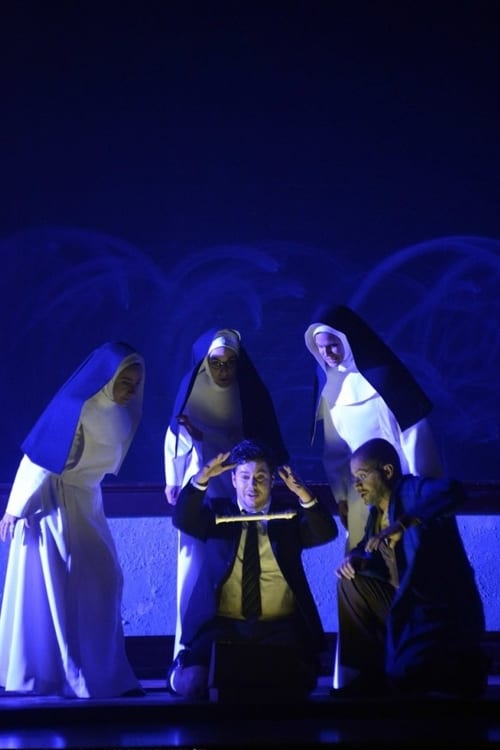
Die Zauberflöte is one of Mozart’s most famous works and one of the most beloved of the entire operatic repertoire. Generations of spectators have been fascinated by the melodies and adventures of Papageno, the Queen of the Night, Tamino, and Pamina, the ordeals faced by the young lovers, and the work’s inexhaustible allegorical depth. The director Romeo Castellucci has deliberately stepped back from the narrative dimension of the opera in order to explore its raw emotion and its philosophical heart. For his part, the conductor Antonello Manacorda brings Mozart’s immortal music to life with the help of an outstanding cast that includes Sabine Devieilhe, one of today’s finest interpreters of the Queen of the Night.
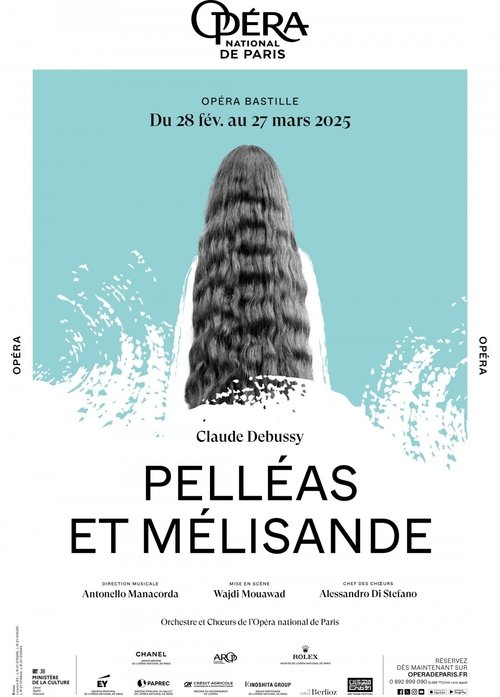
In Wajdi Mouawad's "brilliantly involving" new Paris Opera production of Debussy's only opera, Pelléas et Mélisande, French soprano Sabine Devieilhe is "as near to perfection as one might wish for: a voice of exquisite beauty and sung as if the role [of Mélisande] had been written especially for her" (Opera Today) and Huw Montague Rendall, as Pelléas, projects a "faultless French phrasing, endowing [Pelléas] with the perfect blend of freshness and candor" (Bachtrack). Based on the classic symbolist play by Maurice Maeterlinck that the composer found to contain "far more humanity" than realism, Pelléas et Mélisande sets a tragic love triangle against some of Debussy's most soaringly dramatic music, all its Wagnerian flourishes brought out by Antonello Manacorda and the Paris Opera Orchestra.
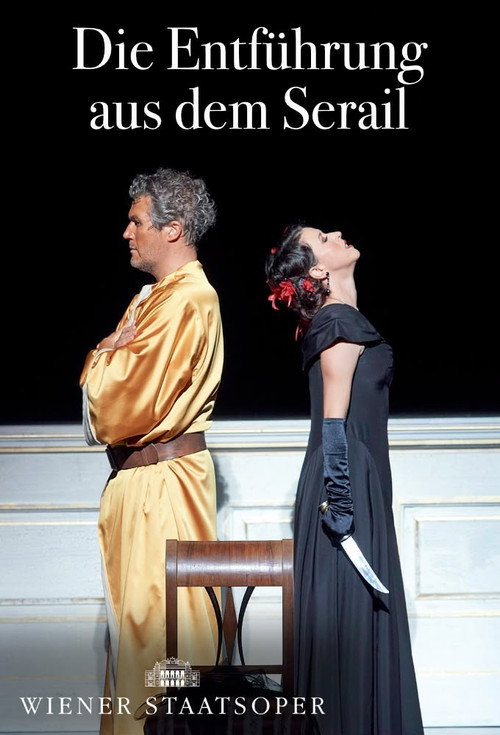
No description available.
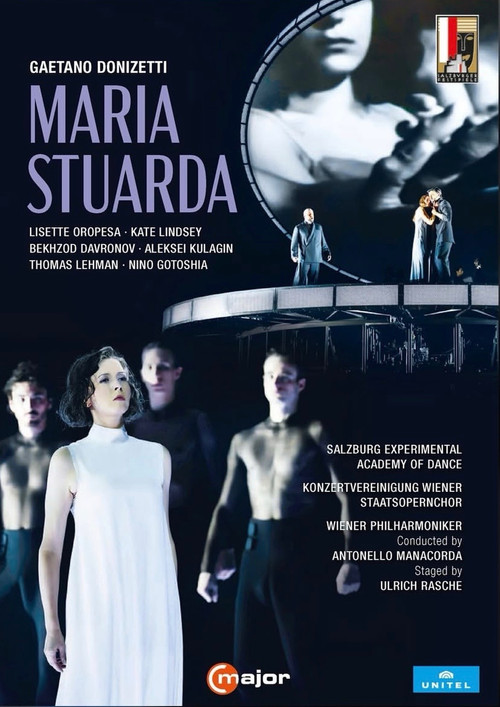
Mary Stuart, Queen of Scotland — her name will be linked in perpetuity with another name: Elizabeth I of England. Mary and Elizabeth: two queens, two adversaries, two women in the middle of the 16th century. Although ‘sisters and cousins’, they never actually encountered each other in the flesh — contrary to the fictional conceit.