FEEL IT.STREAM
?

NDU

Directing

Biography

Formed in 1968 at Waseda University, the Nihon Documentarist Union (NDU) was once one of the most influential collectives of Japanese nonfiction filmmaking. Emerging from the student movements of the late 1960s, the politically active NDU produced guerilla-style 16mm documentaries shot with asynchronous sound, and wrote extensively in leftist film journals, magazines and other publications. The group posited an activist cinema of anonymity—rejecting auteurism and opting to exclude individual names from their credits (Japan Society).
Known For

No image
N/A

Filmed between 1967-68 in 16mm, the documentary is a propaganda film funded by the Tokyo Headquarters of the Japanese Socialist Party to support governor Minobe Ryōkichi, elected in 1967.

Tokyo ’69 – one day blue crayons...

1969
Asia is One
N/A

Shot surreptitiously by a crew operating without visas (then necessary for travel to Okinawa), this provocative film traces the legacy of Japanese colonialism, documenting Taiwanese laborers in Okinawa and then moving southward to Tayal village in Taiwan, where the anti-Japanese uprising known as the Musha Incident took place.

Asia is One

1973
No image
N/A

In 1971, while the Japanese prime minister Sato Eisaku was visiting South Korea to attend a party for President Park Chung-hee, a group of eight South Korean hibakusha (atomic bomb survivors) took a direct petition to the Japanese embassy. The South Korean hibakusha were detained by South Korean authorities for the duration of the prime minister’s visit. This film follows the lives of these eight people. That same year, Son Chin-tu, a hibakusha who had entered Japan illegally and was being held at the Omura Detention Center, filed his so-called “Hibakusha Certificate Lawsuit,” demanding Japanese residency and medical treatment.

To the Japs: South Korean A-Bomb Survivors Speak Out

1971
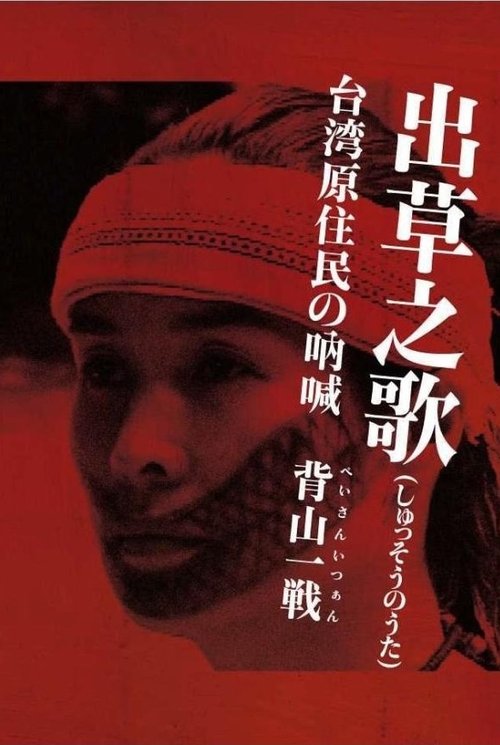
Headhunter's Song: The Cry of the Aboriginal People of Taiwan
N/A

Kao Chin Su-mei, a former actress and now a legislator in the Taiwan Legislative Yuan (the legislative assembly), is from the Tayal tribe, one of the aboriginal peoples of Taiwan. Together with both the Taiwan Aborigine Workgroup, consisting of all the tribes including the Han people, and the aboriginal music group Feijuyuenbao Synectics, she finds the courage to fight for the return of their ancestors’ souls from Japan. Their appeal is unambiguous: “We cannot bear it that our ancestors’ souls are still in Japan. This is because we are not Japanese.”

Headhunter's Song: The Cry of the Aboriginal People of Taiwan

2005
No image
N/A

Micronesia transitioned from Spanish, German, and Japanese colonies to American rule. The film follows survivors of the Pacific War, including conscripts from Korea, and questions the history of the modern era of invasion.

Notes on the Pacific War

1974
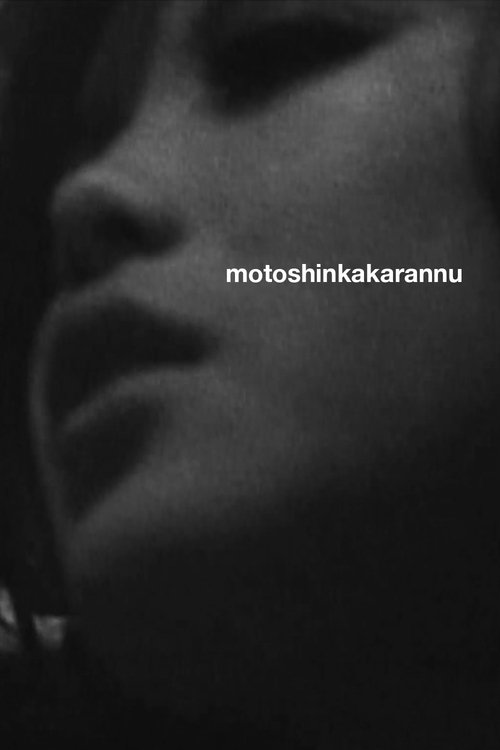
Motoshinkakarannu
N/A

Shot over a period of 15 months from April 1969 to July 1970, Motoshinkakarannu captures a tumultuous time in Okinawa’s occupation, offering an unflinching snapshot of Okinawan society that captures the daily lives of sex workers, yakuza, tourists and G.I.s in Koza City.

Motoshinkakarannu

1971
No image
N/A

Shot in Super 8 by a group of NDU members in the course of a day, the film documents the second Six Cities Joint Disaster Prevention Drill, organized in Shinjuku on the first of September 1981, an event that mobilized about twelve million people.

Public Order Project: Martial Law at Noon

1981
No image
N/A

The film focuses on the struggle to stop the transportation of U.S. military fuel tanks and follows the young workers who are fighting together under the banner of anti-Vietnam war, anti-reorganization struggles, and stopping the Japan-U.S. Security Treaty.

Onikko—A Record of the Struggle of Youth Laborers

1969