Ante Jerkunica
Acting
Known For
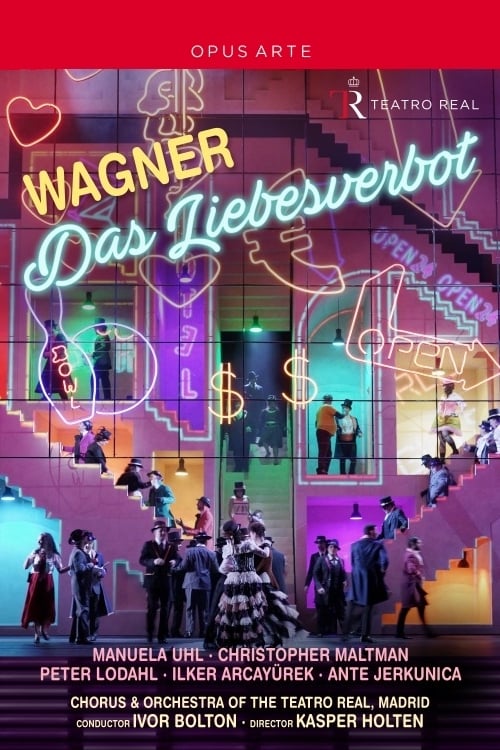
This Wagner opera is rarely performed because of the scandals that engulfed the Magdeburg Theatre when it was performed in 1836 under the title The Novice of Palermo, and became known as a cursed opera from which the composer had to distance himself. Wagner's adaptation of the story reflects the rebellious mood of a Revolutionary Germany, vindicating sensual love and attack the fanatical repression of sexuality by a puritanical and hypocritical authority. As the prose says, "Shame to him whose cruel striking/Kills for faults of his own liking!". One of the most extraordinary musicals based on a text by Shakespeare, especially worthy of a new performance as it is four hundred years since the death of the Bard.
Das Liebesverbot
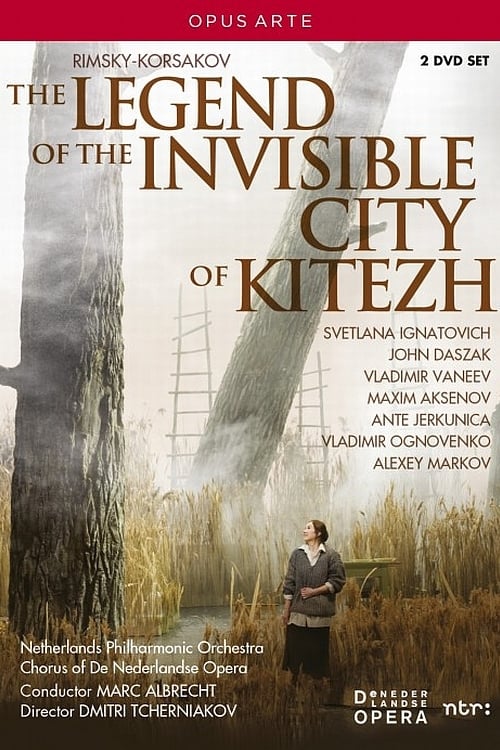
Opera lies at the heart of Rimsky-Korsakov's colourful idiom, but performances are few and far between; this realisation of his penultimate and grandest stage work is a very rare and special experience. Kitezh is known as "the Russian Parsifal", which encapsulates its mystical flavour and steady unfolding of a legend of redemption
The Legend of the Invisible City of Kitezh
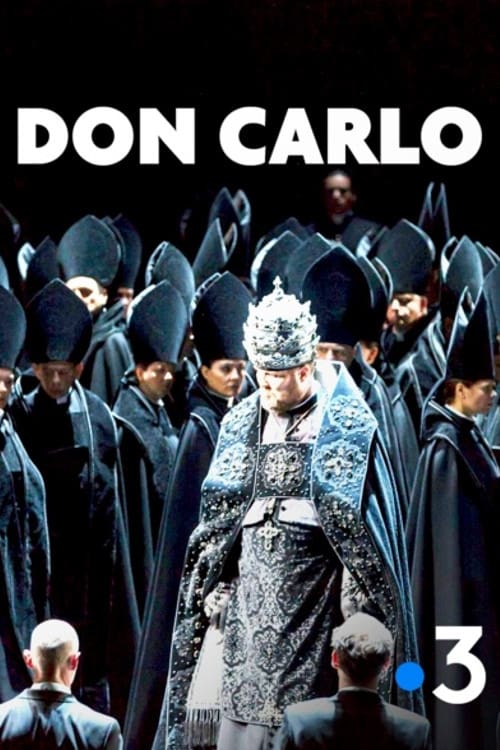
Elizabeth of Valois is promised in marriage to Don Carlos of Spain, as part of a peace treaty between the two kingdoms. They meet and fall in love – but no sooner have they declared their love than news comes that the terms of the treaty have changed: Elizabeth is to marry Carlos’s father Philip instead. Politics and religion are dangerously entwined in Giuseppe Verdi’s Don Carlo. Performed on November 30th, 2016, at the Opéra national du Rhin, Strasbourg.
Verdi: Don Carlo
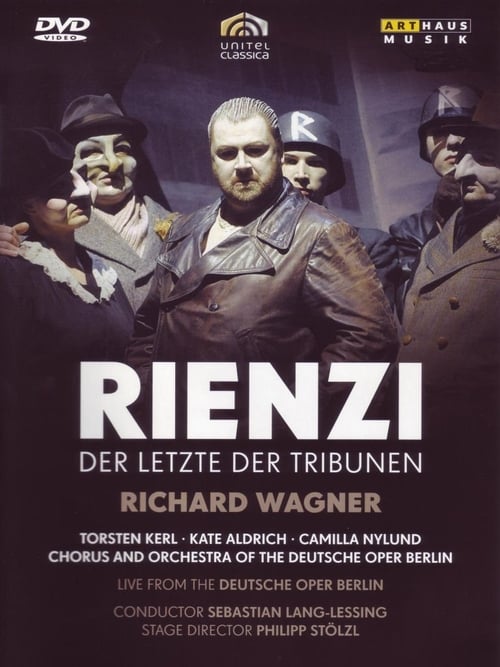
Grand tragic opera in 5 acts by Richard Wagner. Libretto by Richard Wagner after the homonymous novel by Edward G. Bulwer-Lytton.
Rienzi, der letzte der Tribunen
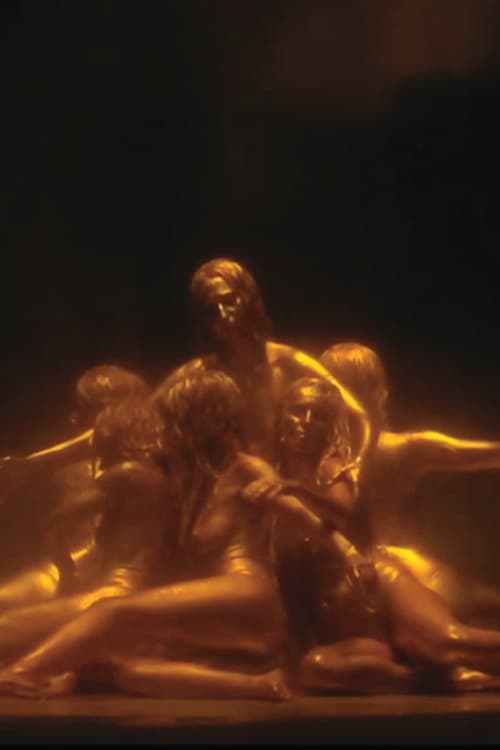
Director and visual artist Romeo Castellucci will tackle this mythological material and project his visions over the course of the journey performed by the characters, representing concretely such key elements of the Ring as water and fire. This symbolic reading will concentrate on essential aspects of the libretto, inviting spectators to forge their own interpretation. Avoiding irony, Castellucci will treat each protagonist with equal importance, highlighting the aspirations, emotions and thoughts that animate them: absolute love and the conquest of power.
Wagner: Das Rheingold
Rome, 1532. Pope Clement VII has tasked the sculptor Benvenuto Cellini with creating a bronze statue of Perseus before the end of carnival. Seeking fame and fortune, the latter accepts the commission, even though his workshop is short on both time and metal. On top of that, Cellini is head over heels in love with Teresa, the daughter of the Pope’s treasurer, Balducci, who for his part is intent on marrying his daughter to Fieramosca, Cellini’s rival in love and art. When the young lovers’ attempt to elope fails, Cellini has no choice but to carry out his task successfully if he wants to avoid certain death… Alain Altinoglu is the ideal conductor for this richly coloured masterpiece, to be staged for the first time at La Monnaie. Director Thaddeus Strassberger is bound to enchant the audience with a colourful show worthy of the finest Carnival celebrations!
Benvenuto Cellini
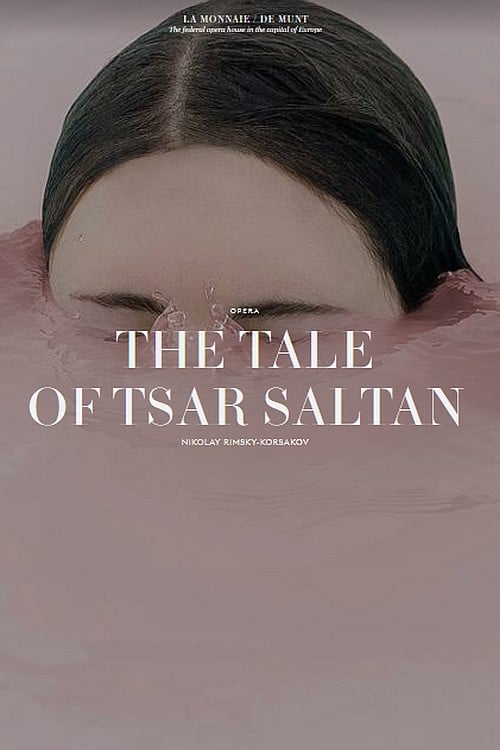
Tsar Saltan marries the youngest of three sisters, having heard that it is her dearest wish to present him with a heroic son and heir. Her jealous sisters and the old Aunt Barbaricha cannot bear this situation to persist and by trickery see to it that the Tsaritsa and her newborn son Gvidon are thrown into the sea. In their barrel they are washed ashore on an enchanted island where the rapidly growing tsar’s son saves a swan from the clutches of a wizard. In gratitude, the swan helps Gvidon to visit his native country once again in the guise of a bumblebee. Three wishes, three miracles and three bee-stings later, father and son are finally able to get to know each other.
The Tale Of Tsar Saltan

If in ‘Das Rheingold’ the curtain fell with the hegemony of the gods in Valhalla, the second part of ‘Der Ring des Nibelungen’ opens with a mortal who, alone on Earth, faces a raging storm. Siegmund is called the hunted warrior, and when he briefly finds peace in a concealed hut, he meets the beautiful but equally hapless Sieglinde. An ardent and natural passion blossoms, but at the same time a hidden past surfaces that will seal their fate.