Sound
The best in the performing arts from across America and around the world including a diverse programming portfolio of classical music, opera, popular song, musical theater, dance, drama, and performance documentaries.
Performance 07.03.2021 at Vienna State Opera
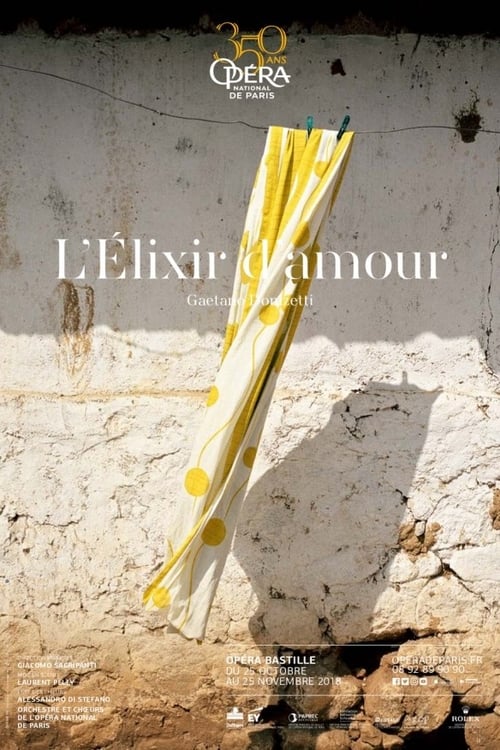
A village somewhere in the Italian countryside, a wayside inn on a road crossed by the occasional dog. Nothing more. Laurent Pelly’s production presents a deserted landscape in which the turbulent arrival of Doctor Dulcamara causes a sensation. And with good reason! He is said to be the inventor of a mysterious love potion… In opera, love philtres often provoke terrible tragedies. They also provide the pretext for this gentle comedy in which Sergeant Belcore and the timid Nemorino vie with each other for beautiful Adina’s heart. The stage is set! Bring on the music, which, if we are to believe Donizetti, was composed in a fortnight!
A huge success when it premiered at the Opéra-Comique in 1900, Gustave Charpentier’s (1860-1956) “musical novel in four acts and five scenes” was panned by the critics, who considered its depiction of female desire and its heroine’s rebellion against her family to be scandalous. In this new reading, Christof Loy (Salomé) – famous for his meticulous productions, precise direction and refined aesthetic – has detected beneath the innovative theme of female emancipation an unspoken aspect of Charpentier’s libretto: the toxic family relationship in which Louise finds herself trapped, and the hold that her possessive – even abusive – father exerts over her with the complicity of her mother. Keen to tell the story without judging the characters, the director draws the audience into Louise’s subconscious, highlighting the darker side of a society that, far from emancipating its daughters, only offers them cheap romance as a deflection from the frustrations of their limited prospects.
Mezzo-soprano Aigul Akhmetshina headlines a winning ensemble as the feisty heroine, Rosina, alongside high-flying tenor Jack Swanson, in his Met debut, as her secret beloved, Count Almaviva. Baritone Andrey Zhilikhovsky stars as Figaro, the titular barber of Seville, with bass-baritone Peter Kálmán as Dr. Bartolo and bass Alexander Vinogradov as Don Basilio rounding out the principal cast.
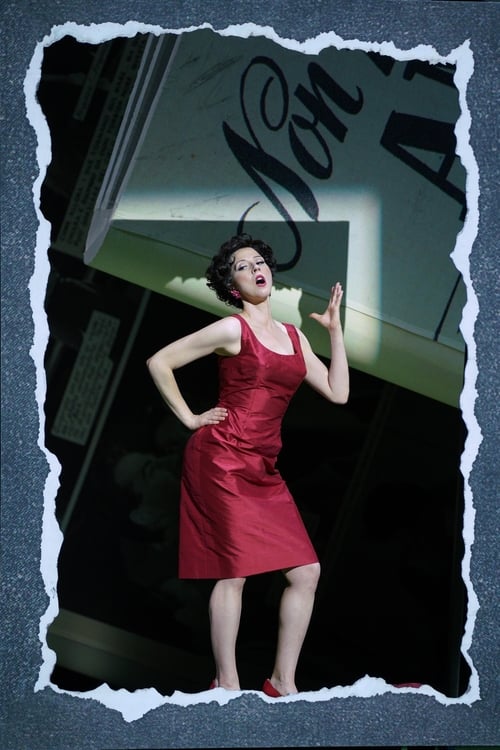
At the Teatro Real in Madrid, director Laurent Pelly and conductor Giacomo Sagripanti get to grips with Gioachino Rossini’s Il Turco in Italia (The Turk in Italy) – a delightful opera buffa teeming with colourful characters!
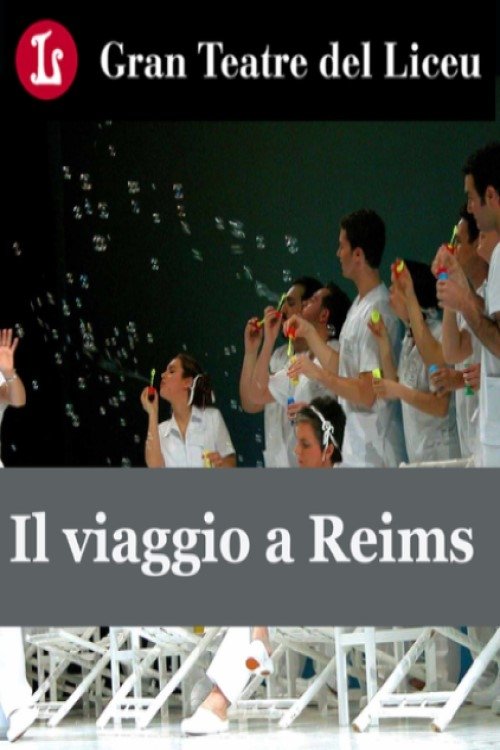
The Gran Teatre del Liceu’s 2017/2018 season opened with Rossini’s dramma giocoso Il viaggio a Reims, the “event piece” written exclusively for the coronation of France’s Charles X in Reims in 1825. Apart from the Rossini Opera Festival in Pesaro (one of the co-producers), this otherwise infrequently performed work has received a bright yet perhaps over-minimalist staging by Emilio Sagi. A fixed set portraying the sun deck and furnishings of a spa hotel (using only the stage front) provides the opera’s eclectic group of European aristocrats an unexpectedly informal aspect from the outset, replete with bathrobes, towels and slippers. This is novel, but confuses the audience as to who is who in the story. Not until the end of the second act, an hour and a half into the performance, does the cast change to more formal dining attire and the audience has a minimally clearer idea of the different nationalities (and idiosyncracies) portrayed.
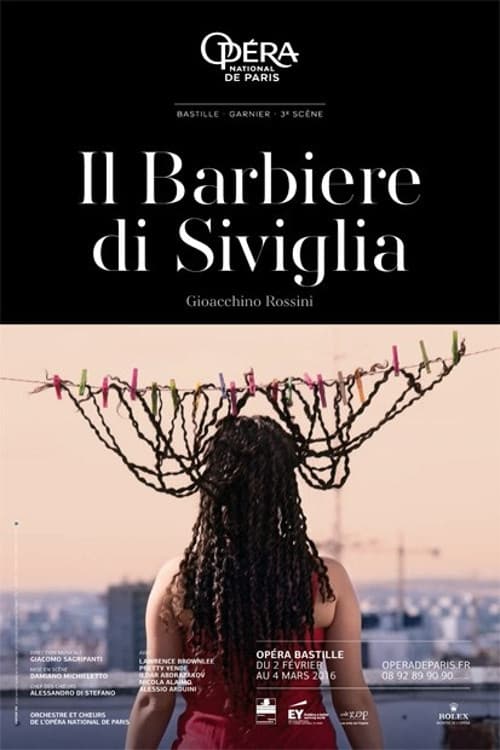
The composer's opera buffa transcends the spirit of Beaumarchais’ comedy and combines the absurd with a touch of satirical realism in a score where rhythm and virtuosity place the comic effects in an ongoing dramatic narration. As a result, the characters – Rosina in particular – gain a new degree of realism and break with the usual archetypes. Damiano Michieletto’s giddying production embraces this perpetual motion and carries in its wake the happy couple formed by Lawrence Brownlee and Pretty Yende.
No description available.