Camera
French current affair show
No description available.
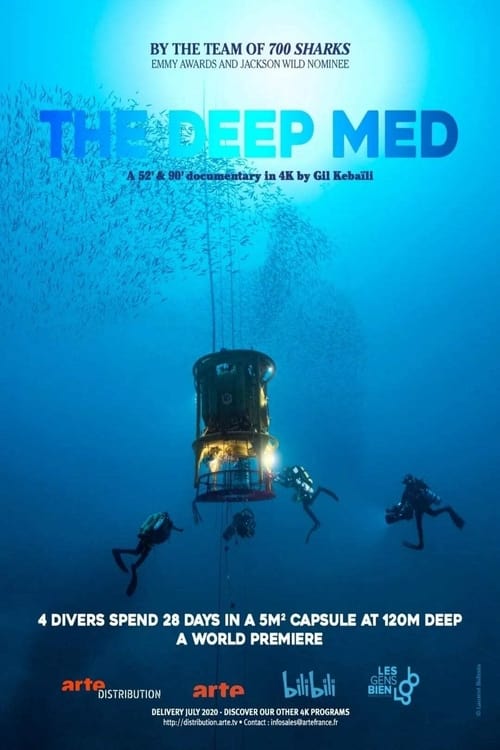
The Mediterranean. Because people have been travelling there for thousands of years, it is believed to be without secrets. And yet, far below its surface, lie vast unexplored territories, luxurious gardens worthy of the finest tropical coral reefs. These natural wonders are inaccessible to the traditional diver, in a twilight zone, between 60 and 120 m, where there’s less than 1% of sunlight. If diving at such depths is always a challenge, staying there is a fantasy, a utopia that becomes reality in Planet Mediterranean. In the tradition of Commander Cousteau and his "houses under the sea," the team of diver-photographer Laurent Ballesta is undertaking a new world-record setting mission in complete freedom and without time limit.
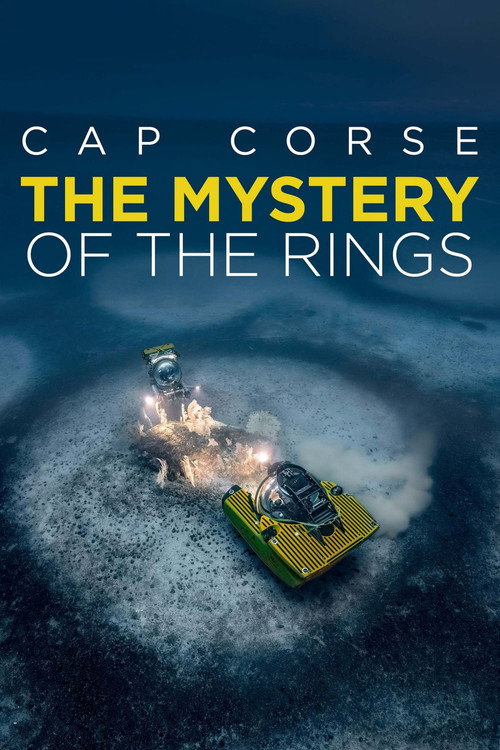
Explore the mysterious giant rings of the Mediterranean, buried at a depth of 120m, with the world-famous Laurent Ballesta, world-renowned diver and his team, to understand the origin of these unique and unknown formations.
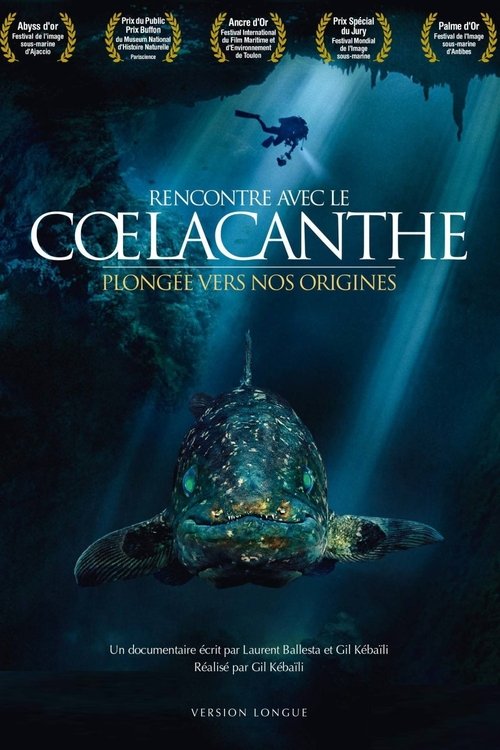
Gombessa Expedition 1 To dive for the Coelacanth is to go back in time. In 1938, when it was known only as a fossil, a Coelacanth was discovered in South Africa in a fisherman's net. This species bears witness to an evolutionary bifurcation 380 million years ago, and bears the marks of a great event: the day the fish left the ocean for the open air. Does it hold the secret to the transition to walking on land? In 2010, a marine biologist and outstanding diver, Laurent Ballesta, took the first photographs of the Coelacanth in its ecosystem. In April 2013, divers and researchers set down their equipment at the Sodwana base camp in South Africa, in the club founded by Peter Timm (who died in 2014). Six weeks of extreme diving at depths of over 120 meters, in an attempt to film the Coelacanth with a double-headed camera, collect its DNA and tag a subject with a satellite-linked beacon...
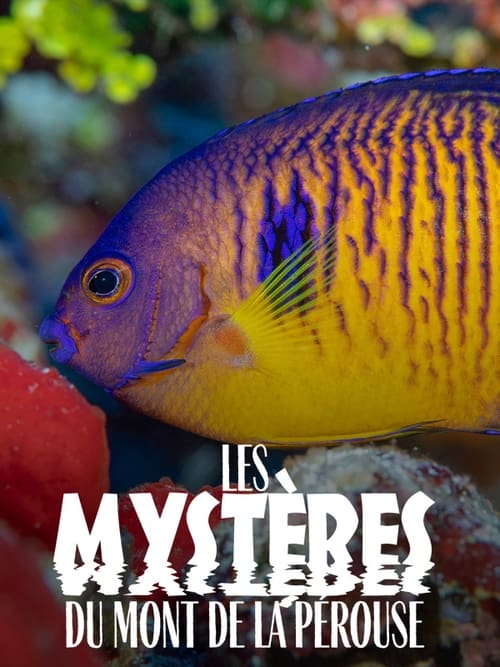
160 km southwest of Reunion Island, just a few dozen metres beneath the surface of the Indian Ocean, lies the peak of an underwater volcanic structure known as Mont La Pérouse. The base of this enigmatic geological formation lies 5000 meters below sea level, with a size comparable to that of Mont Blanc. Permanent currents and strong winds characterise this site in the open seas, culminating in complex diving conditions under which Laurent Ballesta, together with his Gombessa diving team and local researchers had to navigate in order to conduct the study in depth. Further techniques such as observation and photographic inventory, biological and geological sampling, and the use of cameras and sonars were employed in this challenging expedition.
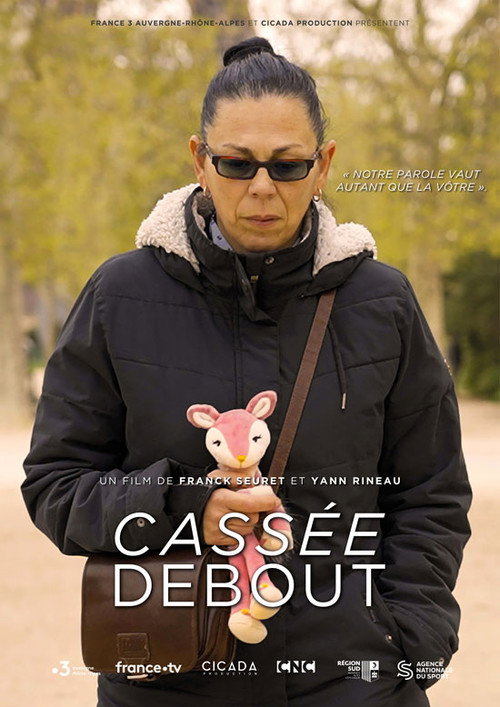
A documentary following Marie Rabatel, an autistic woman who is fighting against sexual violences commited against disabled people, a population that is far more vulnerable and at greater risk of this type of violence. We see her sharing her story and reflecting on her past, but we also witness what she does nowadays to educate and raise awareness about her cause.