Camera
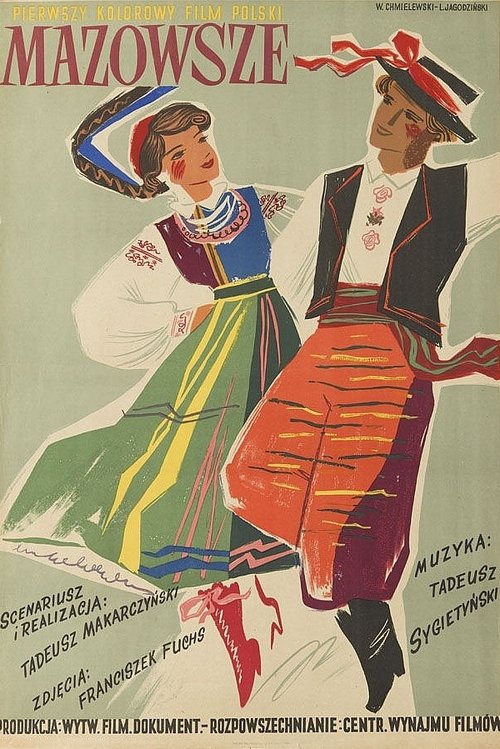
The film popularizes folk music, folk dance, and Karol Kurpiński’s piece titled "Wesele w Ojcowie". We could see dancers of the State Dance Ensemble led by Eugeniusz Papliński.
The film shows the conductor Witold Rowicki during a rehearsal of Krzysztof Penderecki's piece entitled "Threnody to the Victims of Hiroshima" with the National Philharmonic Orchestra in Warsaw. The outline of a perfectionist and brilliant musician emerges from a few-minute picture.
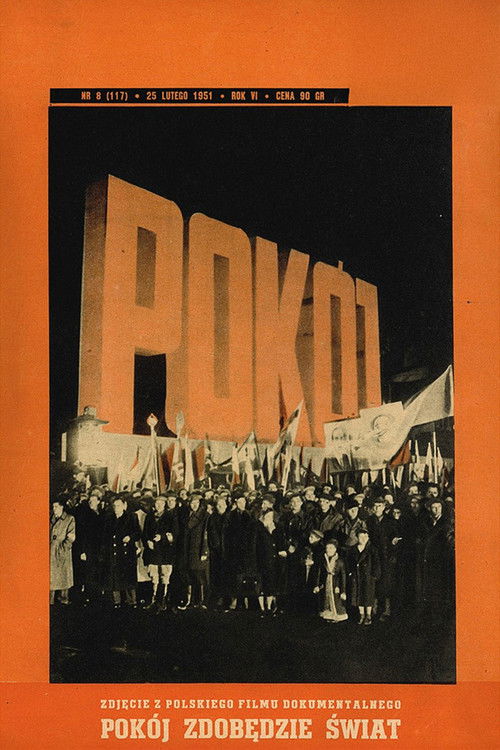
"Peace Will Win" documents the Second World Congress of Peace Defenders, held in Warsaw in November 1950 after the event was relocated from Sheffield. The film records speeches, demonstrations, and international opposition to war during the early Cold War period.
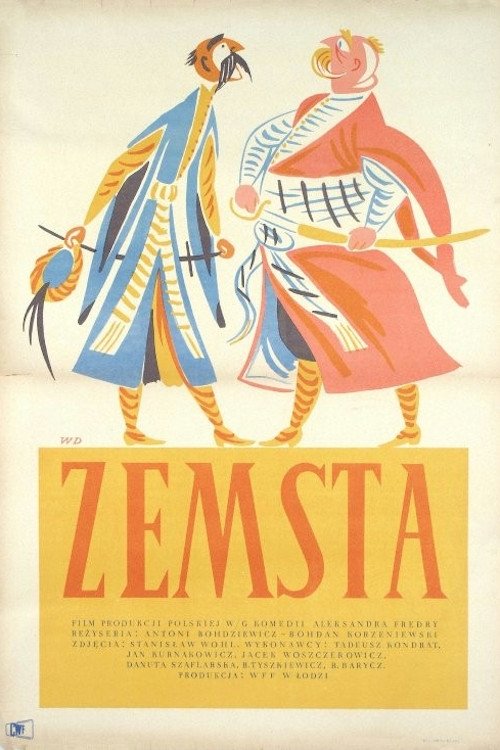
Two noblemen live in one castle, which they both own half of. After a wall dividing both halves of the castle gets damaged they start an intense rivalry.
Performances by Poland's most acclaimed jazz bands, punctuated by short interviews conducted by German music journalist Joachim-Ernst Berendt. Appearing consecutively are: Warsaw Stompers, Namysłowski Quartet, Andrzej Trzaskowski Quintet, Krzysztof Komeda Quintet, Bossa Nova Combo and Wróblewski Quartet. The concerts are crowned by the All Star Session, a joint finale with all the performers and the song Family Blues.
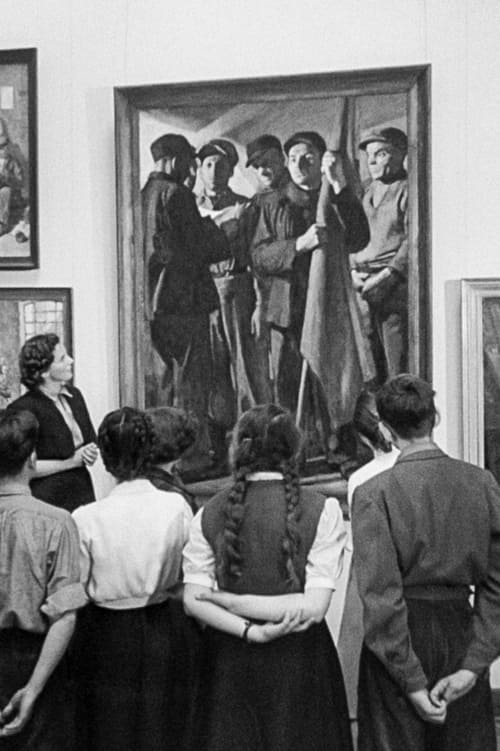
A propaganda piece of reportage from the first Polish Nationwide Art Exhibition that was held in the National Museum in Warsaw in 1950. Makarczynski’s film is a typical example of a socialist realism documentary, realized in accordance with the instructions that had been presented to the filmmakers during the Wisla 1949 summit.
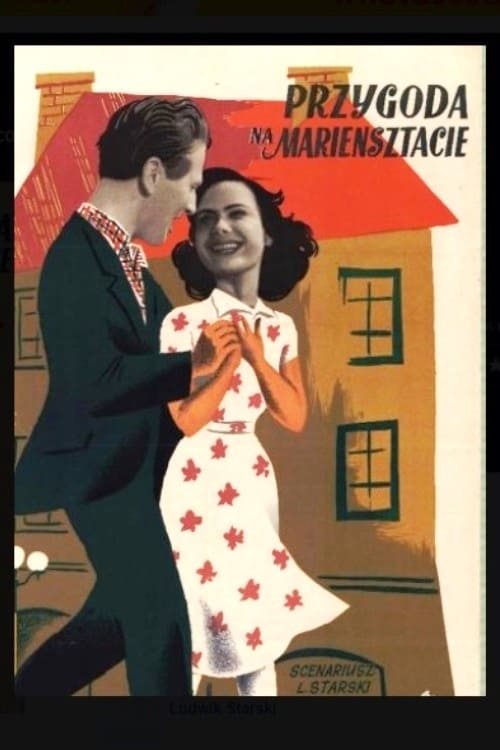
While visiting Warsaw, Hanka falls for a record-breaking bricklayer. She returns to the city to work at construction sites and prove that women can work as hard as men
Łopuszna is located on the Dunajec River, 100 km south of Cracow. It is the kingdom of trout and salmon, one of the greatest tourist attractions of Podhale. In addition to that, it has been the home of Polish highlanders for centuries.
A treasure of Polish culture. A concert film that presents the performance of Mazowsze Song and Dance Ensemble recorded at its headquarters – the palace in Karolina (a part of the village of Otrębusy near Warsaw). The repertoire includes: Bandoska, Kukułeczka, Pod borem and dances such as: oberek, olender.
Documentary recording of one of the programs of the "Szpak" cabaret, which operated between 1954-1963 under the auspices of the Polish Radio. The skits and songs are presented by, among others, Irena Kwiatkowska, Alina Janowska, Mieczysław Czechowicz and Hanna Skarżanka.
Ludwik Sempoliński as a professor at the State Higher School of Theater Arts in Warsaw.
This reportage is focused on Wilhelm Pieck’s visit in Warsaw in 1950. He was the president of East Germany between 1949 and 1960. The visit sealed diplomatic relations between the Polish People's Republic and the newly established German Democratic Republic (1949).
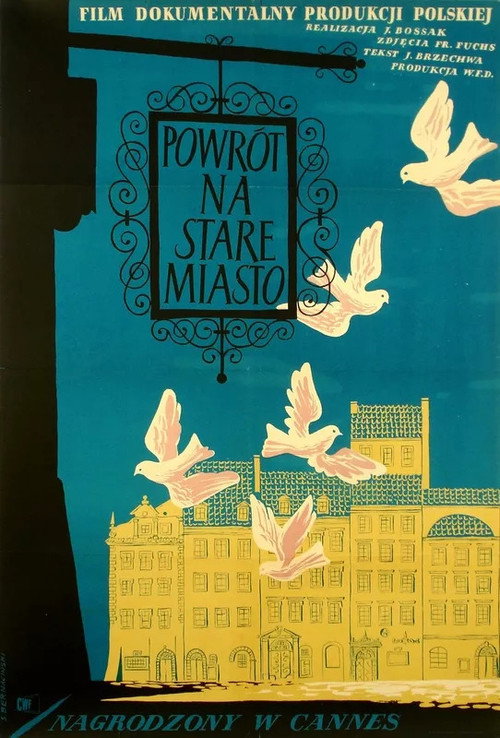
The film shows the reconstruction of Warsaw's Old Town.
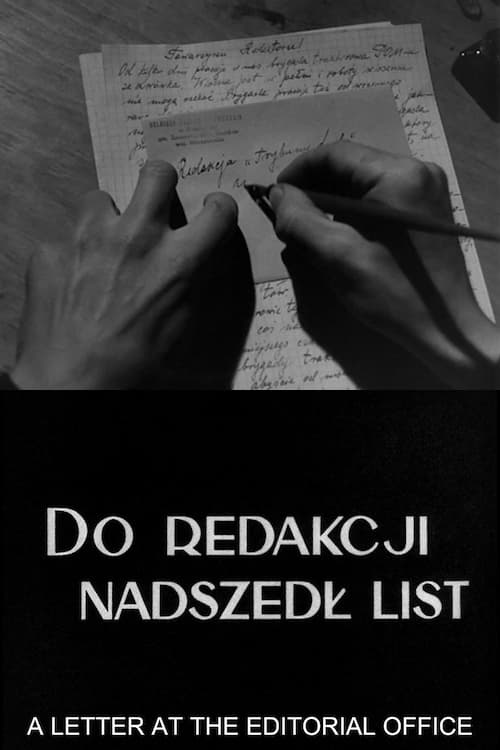
The documentary shows the work of journalists and the importance of the press in building socialism. It is an exemplary implementation of the socialist-realist convention imposed on Polish cinema in 1949, in which all elements of the film structure were subordinated to the persuasive function.