Writing
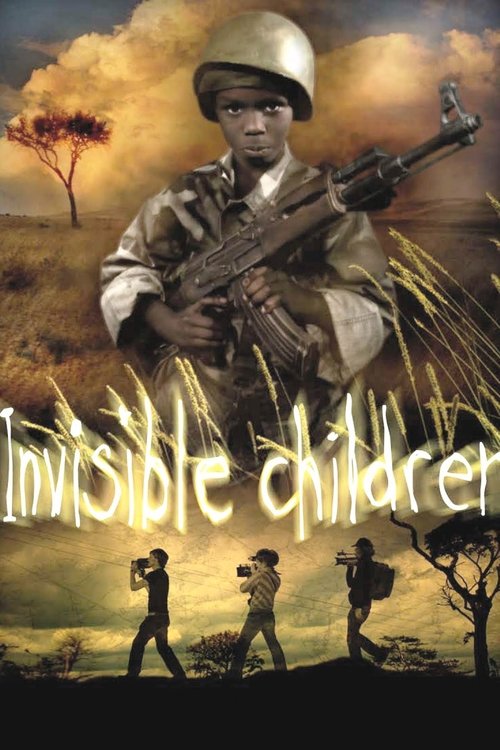
In the spring of 2003, three young filmmakers traveled to Africa in search of a story. What started out as a filmmaking adventure transformed into much more when these boys from Southern California discovered a tragedy that disgusted and inspired them, a tragedy where children are both the weapons and the victims. After returning to the States, they created the documentary "Invisible Children: Rough Cut," a film that exposes the tragic realities of northern Uganda.s night commuters and child soldiers. The film was originally shown to friends and family, but has now been seen by millions of people. The overwhelming response has been, "How can I help?" To answer this question, the non-profit Invisible Children, Inc. was created, giving compassionate individuals an effective way to respond to the situation.
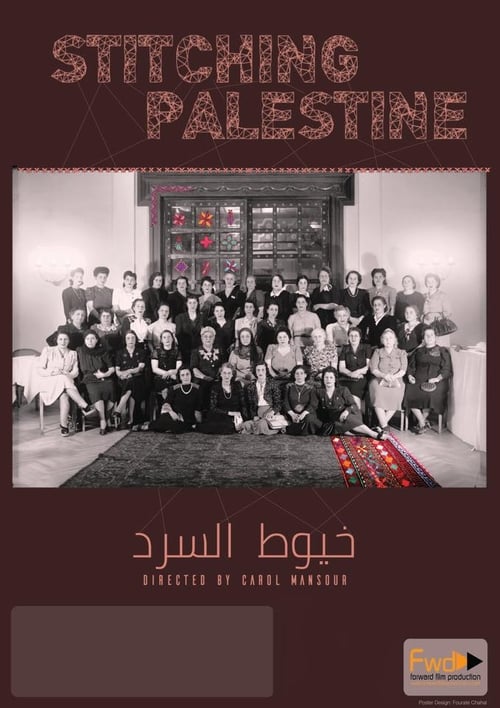
Twelve Palestinian women sit before us and talk of their life before the Diaspora, of their memories, of their lives and of their identity. Their narratives are connected by the enduring thread of the ancient art of embroidery. Twelve resilient, determined and articulate women from disparate walks of life: lawyers, artists, housewives, activists, architects, and politicians stitch together the story of their homeland, of their dispossession, and of their unwavering determination that justice will prevail. Through their stories, the individual weaves into the collective, yet remaining distinctly personal. Twelve women, twelve life-spans, and stories from Palestine; a land whose position was fixed on the map of the world, but is now embroidered on its face.
"Thank you Soma - شكراً صوما" explores the relationship between Nour, a young Lebanese woman, and Soma, the migrant domestic worker who’s played a large part in her upbringing. It is a reminder to us not to become complacent in the comfort of our daily lives and to continue to question the complexity and injustice inherent in being a migrant domestic worker today.
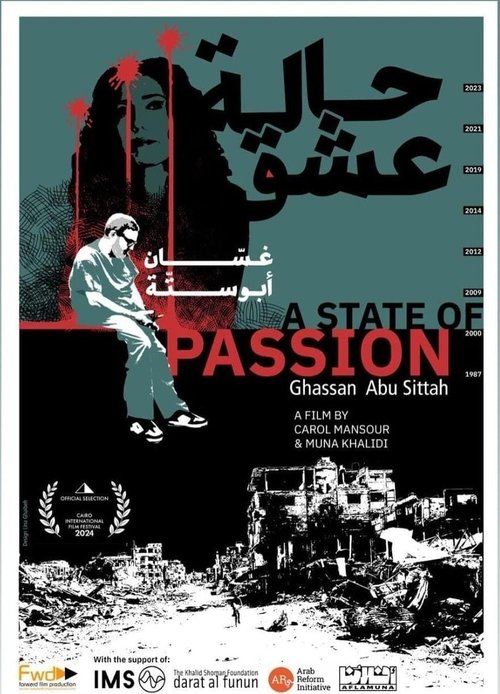
A feature-length documentary film by Carol Mansour and Muna Khalidi. After 43 horrific days working round the clock under constant bombardment in the emergency rooms of Gaza’s Al Shifa and Al Ahli hospitals, British-Palestinian reconstructive surgeon, Dr. Ghassan Abu Sittah, emerged to find himself as a face of Palestinian resistance. With news footage of him pale and shell-shocked reverberating around the world, he spoke of a catalogue of horrors from lacerated bodies, to amputations without anesthetics, orphaned children with no surviving family, and the deliberate targeting of medics and hospital facilities.