Geoffrey C. Ward
Writing
Biography
Geoffrey C. Ward is an author, editor, historian and writer of scripts for American History Documentaries for Public Television. He is the author or co-author of 18 books. Five books are companion books to documentary films that he has written. He has won seven Emmy Awards. The principal writer of the television mini-series The Civil War (1990,) Ward has collaborated with its co-producer Ken Burns on many of the documentaries he has made since, including Jazz, Baseball, The War and Not For Ourselves Alone: The Story of Elizabeth Cady Stanton and Susan B. Anthony. This work has garnered him five Emmy Awards. He also won two Emmys for the American Experience series, including The Kennedys, in 1992 and TR,The Story of Theodore Roosevelt in 1996. His script for the documentary Unforgivable Blackness: The Rise and Fall of Jack Johnson, won the Writers Guild of America Award in 2005[3] and the accompanying book won the 2006 William Hill Sports Book of the Year and the Anisfield-Wolf Award for best biography. In 2006, the Organization of American Historians gave Ward their Friend of History Award for his outstanding contributions to American history: "Over the last twenty years Geoffrey Ward's writings on American History have had a greater influence and reached a wider audience than those of any other American writer and historian. [His] work is always his own, but he has also helped free ideas that otherwise might have been imprisoned in the academy and helped them find a wider world. He has helped academic historians understand the possibilities, limits, and demands of what has become the medium through which most Americans now get their history." The most recent Burns/Ward collaboration, Prohibition (2011), brought Ward his seventh Emmy for Outstanding Writing for Nonfiction Programming. He is currently at work on a multi-part series "Vietnam", with Lynn Novick and Ken Burns. He is the principle writer or co-writer of 24 documentary films. Ward is married to the writer and social/environmental activist Diane Raines Ward. He has three children.
Known For

TV's most-watched history series brings to life the compelling stories from our past that inform our understanding of the world today.
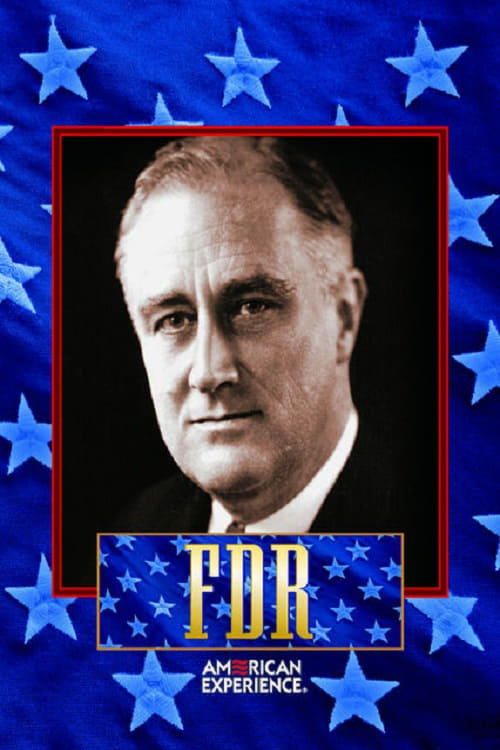
American Experience

The history of the sport of baseball in America, told through archival photos, film footage, and the words of those who contributed to the game in each era. Writers, historians, players, baseball personnel, and fans review key events and the significance of the game in America's history.
Baseball

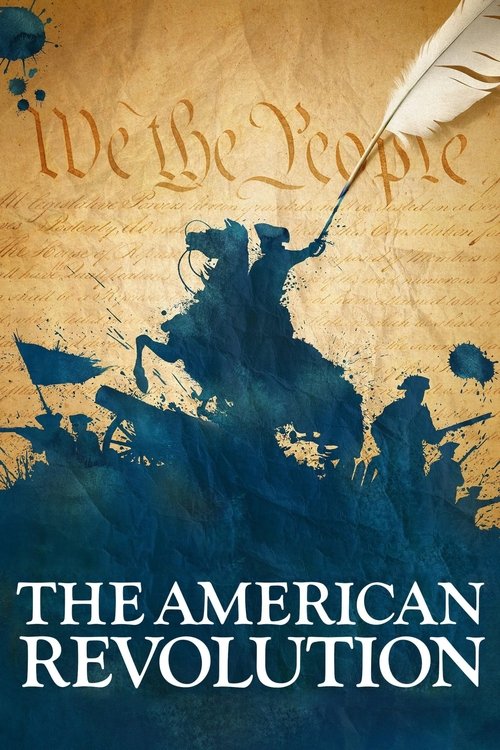
The American Revolution was at once a war for independence, a war of conquest, a civil war, and a world war, fought by neighbors on American farms and between global powers an ocean or more away. It impacted millions from Vermont’s Green Mountains to the swamps of South Carolina, from Indian Country to the Iberian Peninsula. In defeating the British Empire and giving birth to a new nation, the American Revolution turned the world upside-down. Thirteen colonies on the Atlantic Coast united in rebellion, won their independence, and established a republic that still endures. The American Revolution will present the story of the men and women of the Revolutionary generation, their humanity in victory and defeat, and the crisis that they lived through.
The American Revolution

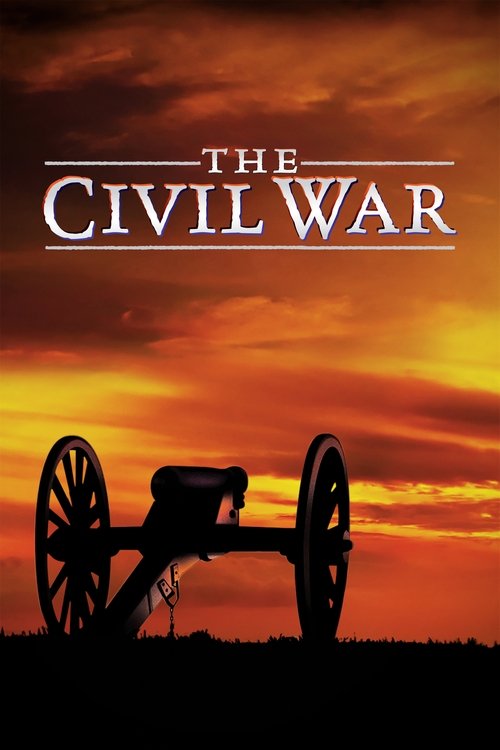
A documentary on the American Civil War narrated by Ken Burns, covering the secession of the Confederacy to the assassination of Abraham Lincoln.
The Civil War

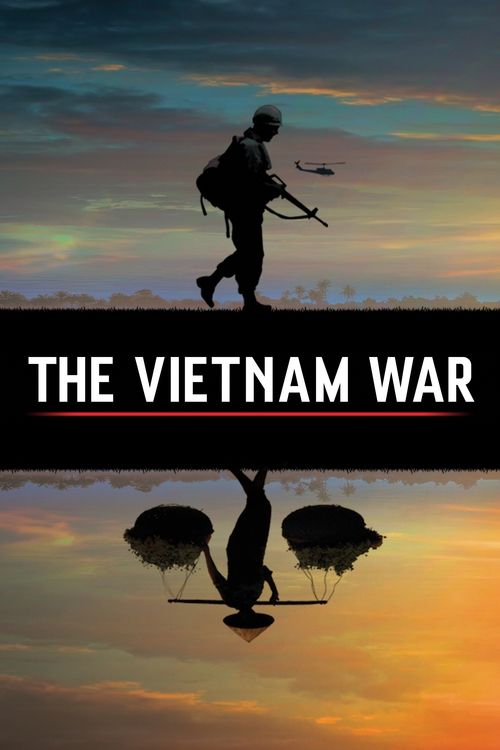
An immersive 360-degree narrative telling the epic story of the Vietnam War as it has never before been told on film. Featuring testimony from nearly 80 witnesses, including many Americans who fought in the war and others who opposed it, as well as Vietnamese combatants and civilians from both the winning and losing sides.
The Vietnam War

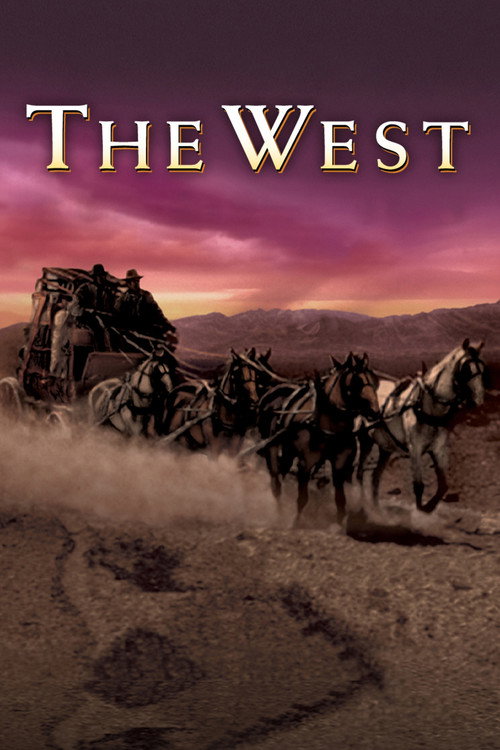
The West, sometimes marketed as Ken Burns Presents: The West, is a documentary film about the American Old West. It was directed by Stephen Ives and the executive producer was Ken Burns. The film originally aired on PBS in September 1996.
The West

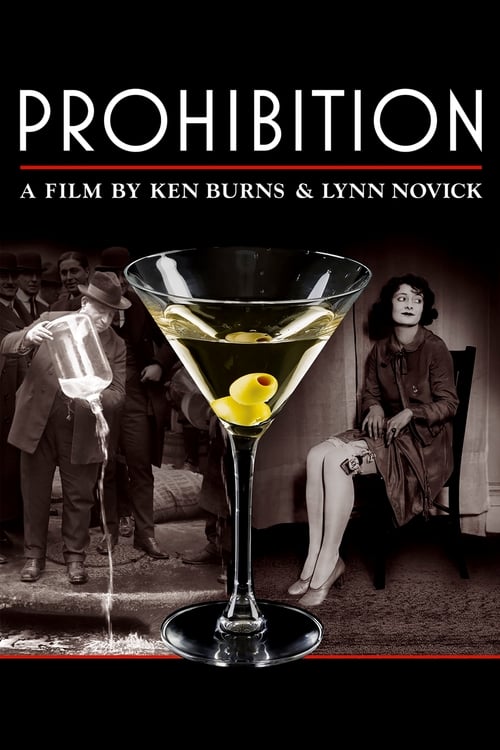
The history of the rise, rule and fall of the Eighteenth Amendment to the United States Constitution and the entire era it encompassed (1920-33). After nearly a century of activism, Prohibition was intended to improve the lives of all citizens by protecting individuals, families and society at large from the devastating effects of alcohol abuse; but paradoxically it made millions of people rethink their definition of morality.
Prohibition

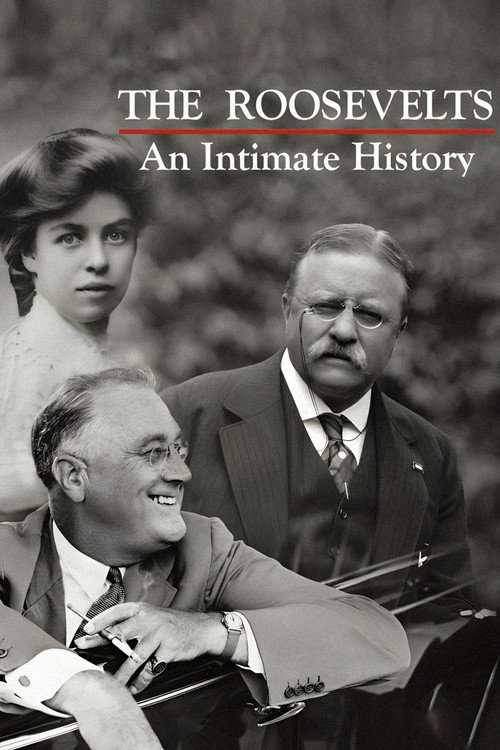
Chronicles the lives of Theodore, Franklin and Eleanor Roosevelt, three members of the most prominent and influential family in American politics. It is the first time in a major documentary television series that their individual stories have been interwoven into a single narrative. This seven-part, fourteen hour film follows the Roosevelts for more than a century, from Theodore’s birth in 1858 to Eleanor’s death in 1962.
The Roosevelts: An Intimate History

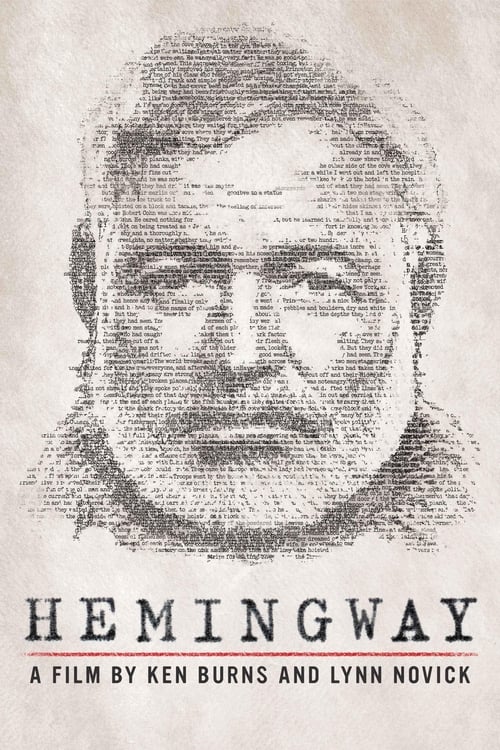
The visionary work and the turbulent life of Ernest Hemingway, one of the greatest and most influential writers America has ever produced. Interweaving his eventful biography with carefully selected excerpts from his iconic short stories, novels, and non-fiction, the series reveals the brilliant, ambitious, charismatic, and complicated man behind the myth, and the art he created.
Hemingway

Americans consider themselves a 'nation of immigrants', but as the catastrophe of the Holocaust unfolds in Europe, the U.S. prove unwilling to open its doors to more than a fraction of the hundreds of thousands of desperate refuge seekers. Through riveting firsthand testimony of witnesses and survivors who as children endured persecution, violence and flight as their families tried to escape Hitler, this three-part documentary series delves deeply into the tragic human consequences of public indifference, bureaucratic red tape and restrictive quota laws in America. Did the nation fail to live up to its ideals? This is a history to be reckoned with.
The U.S. and the Holocaust

Jazz is a ten part series that explores the evolution – and the genius – of America’s greatest original art form, focusing on the extraordinary men and women who could do something remarkable – create art on the spot. Jazz celebrates their profoundly enduring, endlessly varied, and infinitely alluring music in the context of the complicated country that gave birth to and influenced it, and was in turn transformed by it.
Jazz

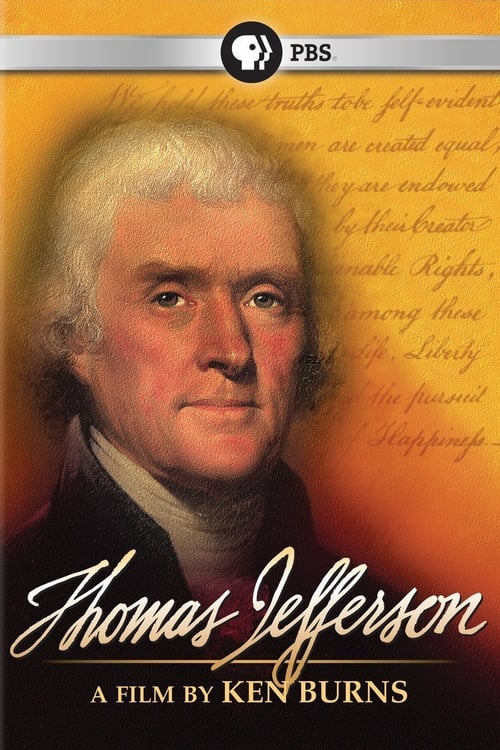
The complex life of Thomas Jefferson, who wrote that "all men are created equal" yet owned slaves, is recounted by master filmmaker Ken Burns in this probing documentary. Covering Jefferson's diplomatic work in France, his two presidential terms, his retirement at Monticello and more.
Thomas Jefferson

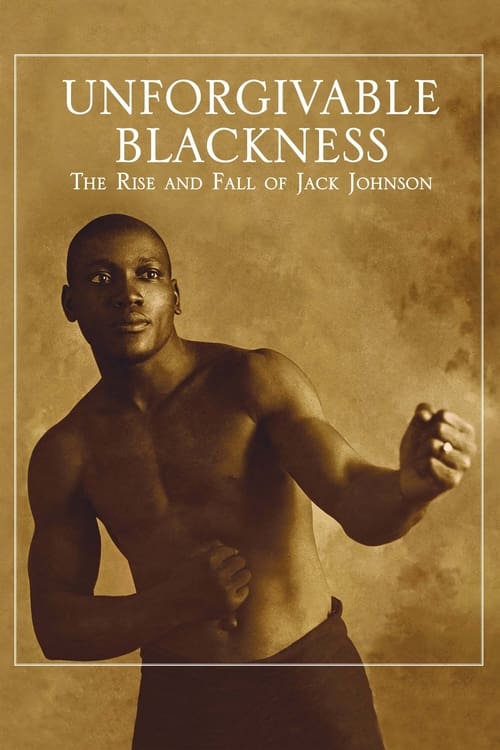
The story of Jack Johnson, the first African-American boxer to win a title and his struggle to live as a free man.
Unforgivable Blackness: The Rise and Fall of Jack Johnson

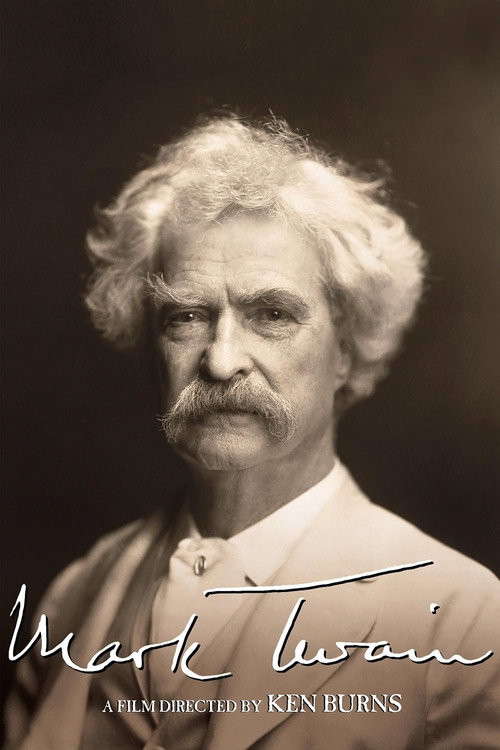
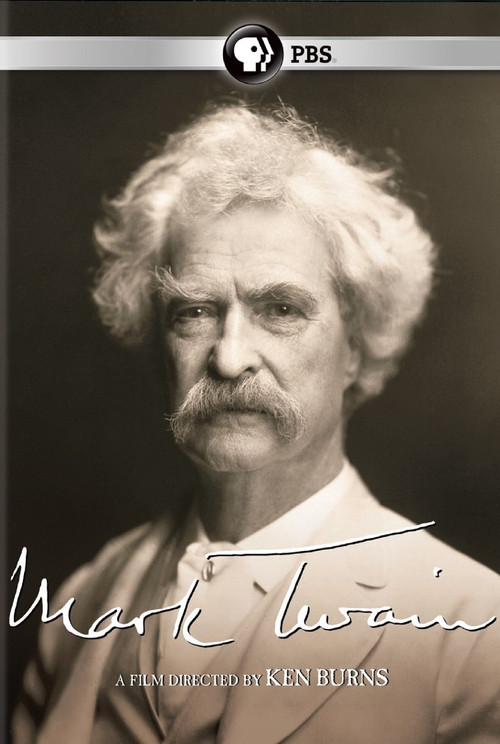
Mark Twain is a documentary film on the life of Mark Twain also known as Samuel Clements produced by Ken Burns in 2001. Burns captures both the public and private persona of Mark Twain from his birth to his death. The film was narrated by Keith David and the voice of Mark Twain was provided by Kevin Conway.
Mark Twain

The little-known story of one of the most compelling political movements and friendships in American history.
Not for Ourselves Alone: The Story of Elizabeth Cady Stanton & Susan B. Anthony

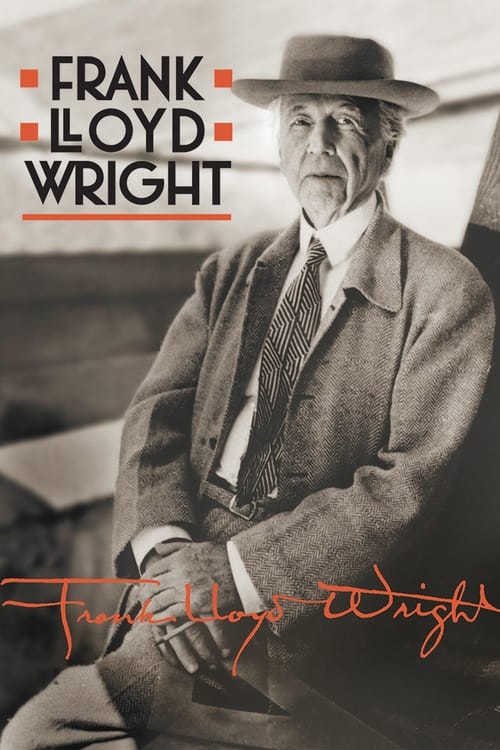
Frank Lloyd Wright tells the story of the greatest of all American architects. Wright was an authentic American genius, a man who believed he was destined to redesign the world, creating everything anew. Over the course of his long career, he designed over eight hundred buildings, including such revolutionary structures as the Guggenheim Museum, the Johnson Wax Building, Fallingwater, Unity Temple and Taliesin. His buildings and his ideas changed the way we live, work and see the world around us. Frank Lloyd Wright’s architectural achievements were often overshadowed by the turbulence of his melodramatic life. In ninety-two tempestuous years, he fathered seven children, married three times, and was almost constantly embroiled in scandal. Some hated him, some loved him, and in the end, few could deny that he was the one of the most important architects in the world.
Frank Lloyd Wright

Largely considered to be the greatest American author, Mark Twain is celebrated in this exhaustive documentary by filmmaker Ken Burns.
Mark Twain

For 50 years radio dominated the airwaves and the American consciousness as the first “mass medium.” In Empire of the Air: The Men Who Made Radio, Ken Burns examines the lives of three extraordinary men who shared the primary responsibility for this invention and its early success, and whose genius, friendship, rivalry and enmity interacted in tragic ways. This is the story of Lee de Forest, a clergyman’s flamboyant son, who invented the audion tube; Edwin Howard Armstrong, a brilliant, withdrawn inventor who pioneered FM technology; and David Sarnoff, a hard-driving Russian immigrant who created the most powerful communications company on earth.
Empire of the Air: The Men Who Made Radio

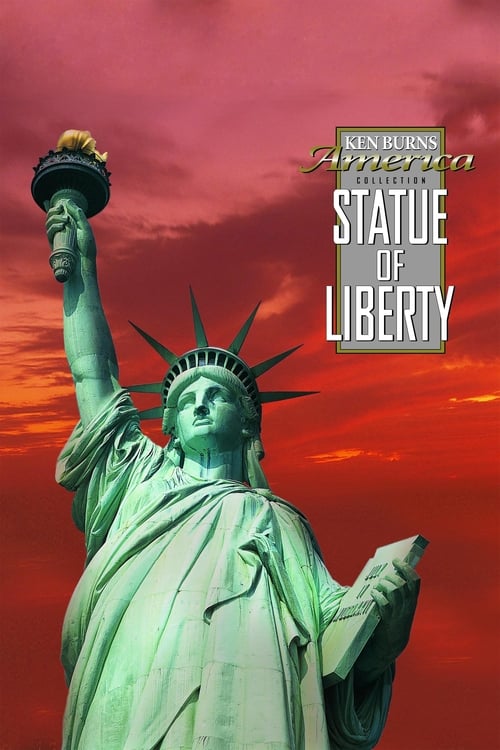
For more than 100 years, the Statue of Liberty has been a symbol of hope and refuge for generations of immigrants. In this lyrical, compelling and provocative portrait of the statue, Ken Burns explores both the history of America’s premier symbol and the meaning of liberty itself. Featuring rare archival photographs, paintings and drawings, readings from actual diaries, letters and newspapers of the day, the fascinating story of this universally admired monument is told. In interviews with Americans from all walks of life, including former New York governor Mario Cuomo, the late congresswoman Barbara Jordan and the late writers James Baldwin and Jerzy Kosinski, The Statue of Liberty examines the nature of liberty and the significance of the statue to American life. Nominated for both the Academy Award ® and the Emmy Award ®, The Statue of Liberty received the prestigious CINE Golden Eagle, the Christopher Award and the Blue Ribbon at the American Film Festival.
The Statue of Liberty

The enigmatic nature of the Nixon presidency combined comparatively progressive legislative initiatives with a flagrant abuse of presidential power and the public trust. His achievements in expanding peaceful relations with China and the Soviet Union stand in stark contrast with his continuation of the war in Vietnam. Finally brought down by scandal and duplicity, his administration did much to erode the citizenry's faith in government.