Shirōyasu Suzuki
Directing
Known For
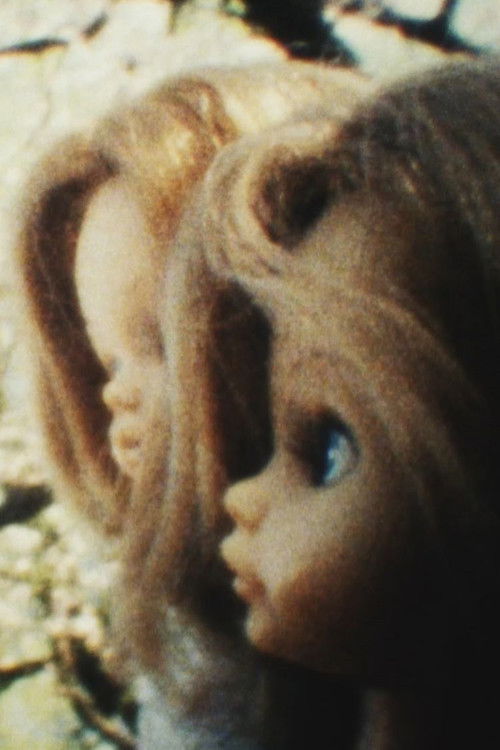
Drawing our attention to the ambiguities of sexuality, queering the relationship between body, image and voice; the filmmaker refers to it as an indirect reflection on the worldwide AIDS crisis of the 1980s.
A Dandelion, Rosaceae

This work is a day and night time-lapse film of the sky over the course of one year from July 1, 1988 to June 30, 1989. At first, the house next door had been demolished and was going to be rebuilt, Suzuki then decided to take a time-lapse photo of how the house was going to be built. However, while shooting, the movement of the clouds amazed the filmmaker who became more interested in capturing them. In September, Emperor Showa fell ill and was reported to be in critical condition, this inspired Suzuki to shoot "the last sky of the Showa era".
Integration Of Winds
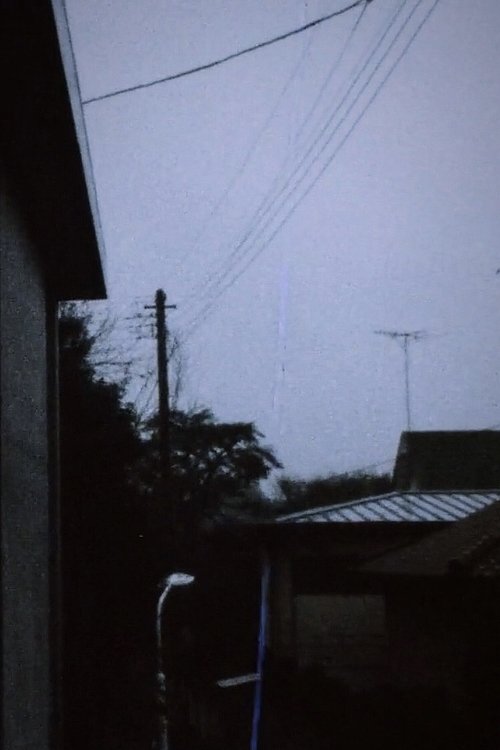
Forcing himself to confront his own 16mm camera each day for over two weeks, Suzuki Shiroyasu initially seems to regret his own idea and indulges in very recalcitrant behaviour. Not until halfway through the project does he address the camera more candidly and start to question his own identity, as well as his relationships with his own milieu and other social structures.
15 Days
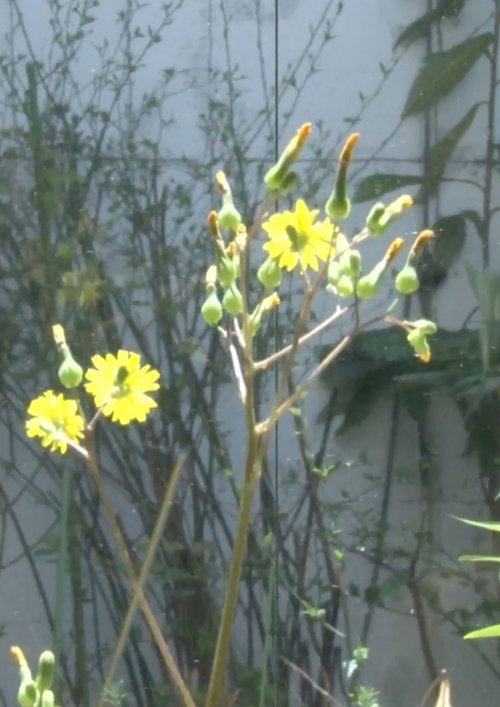
A private portrait of Shirouyasu Suzuki shot by Kazushi Ozawa between 2014 and 2018. In memory of Shirouyasu Suzuki.
Impressions of Mr. Shirouyasu
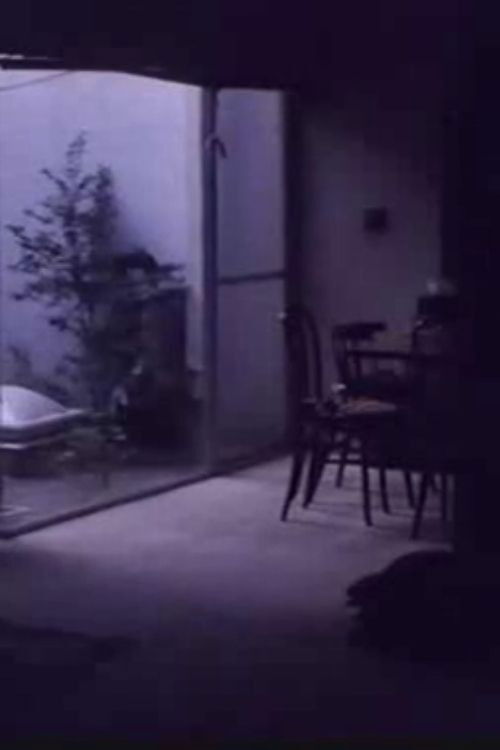
In this work, I visited a religious scholar, Shinichi Nakazawa, with the question, "What does 'gazing' mean to people? At the time, he was interested in Japanese ethnic religious beliefs by going to winter festivals, etc., and thought that a view of life as a series of rebirths was cultivated on the basis of a life based on farming. Here, I believe that "looking" provides an opportunity for the mind to be reborn. Created in 1983. The artist was 48 years old. (Suzuki Shiroyasu).
Looking Obliquely
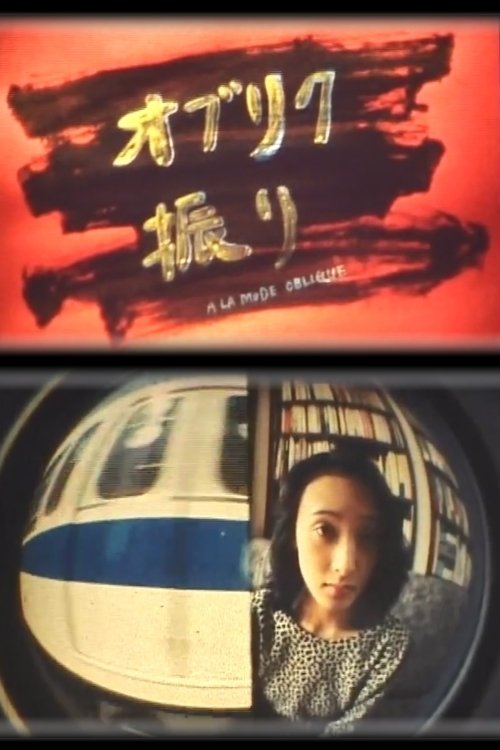
I went out of the room and chose two poets as "objects". One is Harumi Kawaguchi, who worked for a trading company at the time and was a dealer for buying and selling yen and dollars. The other is Toshiharu Kishi, who raises and lives dairy cows deep in the mountains of Yamagata. I sketched their lives and had them read their own poems.
Au mode oblique
Shirouyasu Suzuki's first short films shot on 8mm.
EKO Series
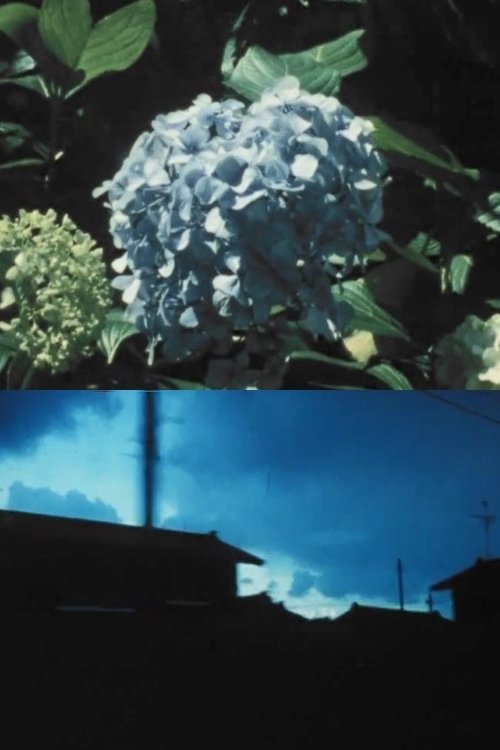
Film by Shirouyasu Suzuki, 1985, 16mm, 54min
Imitating the Flower of Hydrangea
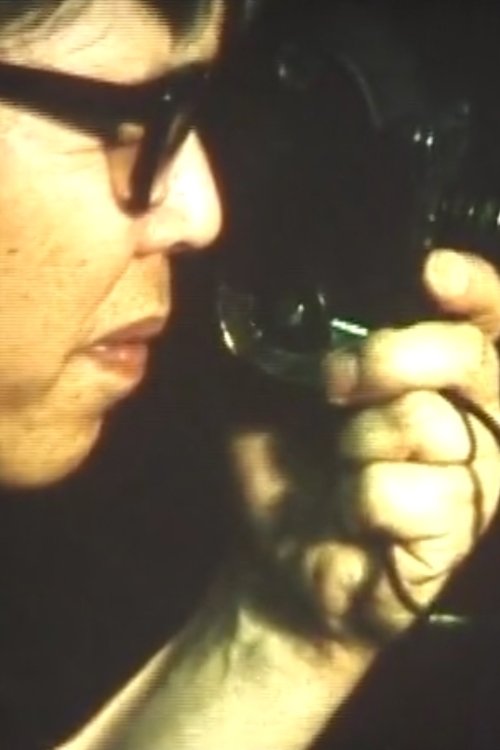
Each person lives a different life, but the hand seemed to be a metaphor for that person's life. In other words, I thought that the life of the person would be determined by what he had. I pick up a fountain pen and stuff the film by hand. This tells my life. I made such a thought into a work.
Metaphorical Hands
miniDV diary film by Shirouyasu Suzuki.
After All, I'm 70 Years Old
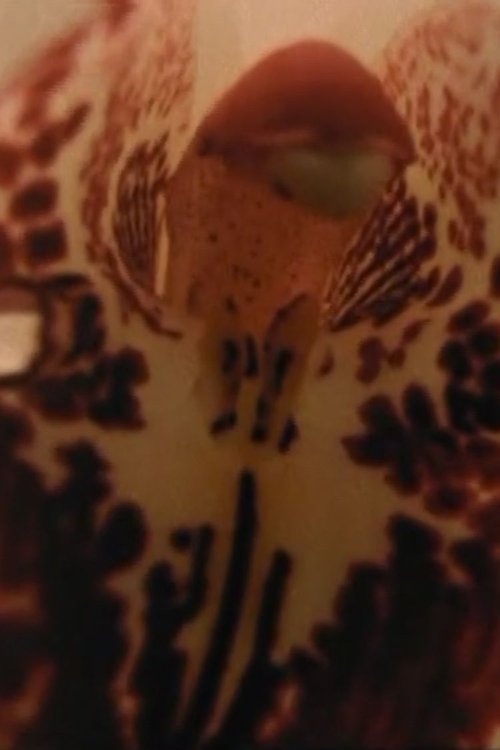
White roses and orchids. Each bloomed beautifully like a queen. Its shape speaks of beauty. In other words, the shape of each lower is a word standing for human desire. The work unfolds as the view changes in the garden from summer to winter.
Sometimes, Watching Contemplatively
While working for NHK as a 16mm film cameraman, Suzuki traveled to various parts of the country, particularly for shooting on location for rural programs and youth programs. In between filming shows he captured the scenery from a completely personal perspective, starting to think about the meaning of the landscapes he encountered.
Passing By Landscapes
In April 2000, I started photographing Koichi Ebitsuka's works. Mr. Ebitsuka was a teacher at Tama Art University, and he happened to be appointed concurrently to the second department of art, where I work, and we became close. He was born in 1951, so he is 16 years younger than me. I wanted to think about and experience the "contemporary art" that I hadn't been to. And he, being selfish, visited his atelier and was shown around his works on an island in the Seto Inland Sea. For me, the year 2000 was a year of Ebitsuka-san's sculptures.
EBIZUKA in my own field
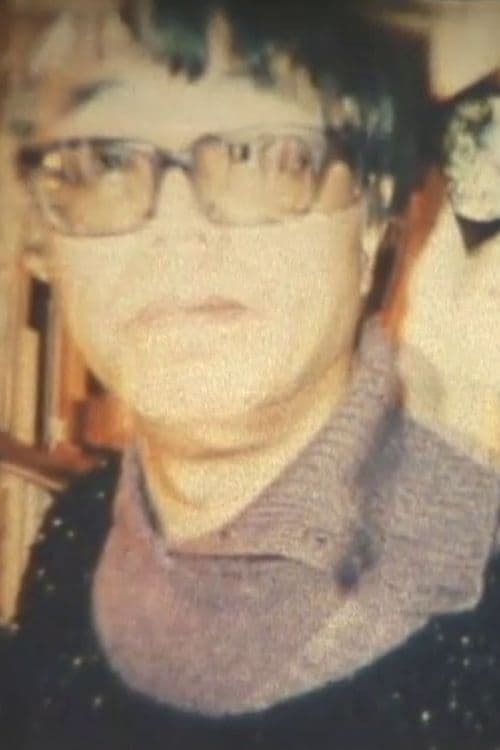
In this piece, I described the way of life of the poet Kenji Fukuma and his wife. I read and liked Mr Fukuma's poetry collection, "Country Life," and we began to correspond. Mr. Fukuma has doubts about modern urban life and is searching for a better place to live. I heard that he was interested in tai chi, a traditional Chinese martial art, and had begun to practice it, so I decided to photograph him and his wife as they naturally communicated with each other. Produced in 1991. The artist is 56 years old. (Suzuki Shiroyasu).
The core of family
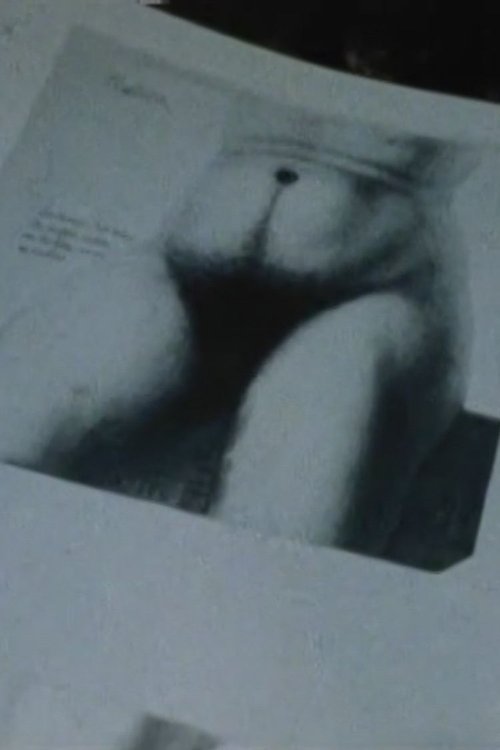
The filmmaker bought some daffodil bulbs and took time-lapse photos of them growing buds and blooming. An ode to their vitality. Humans too extend their lives in ideas. The mysterious 18th century French architect LEQUEUwas obsessed with genitalia and tried to bring that structure into his architecture. Ideas and things.
Run Away To Savage Field
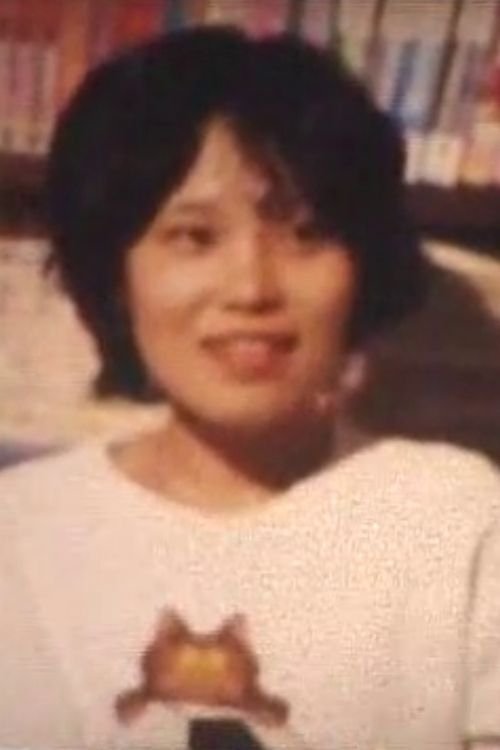
The year before, I had made a film about the poet Tsutomu Shotsu, and I wanted to make a film about Hiromi Ito, a young female poet on the rise. As I was talking with her, she told me that she loves to pull out hair, and when I asked her about it, her story touched on the sense of life. I decided to film her talking about it. She said that when she pulls out her own hair, she gets excited because she is aware of both herself pulling out and herself being pulled out. Skin is a problem, she said. As I was filming, I was surprised to find that her story had become a great theory of the body. For the introduction, I borrowed a song by Hikashu. Produced in 1981. The artist was 46 years old. (Suzuki Shiroyasu).
HIROMI - Pulling hairs
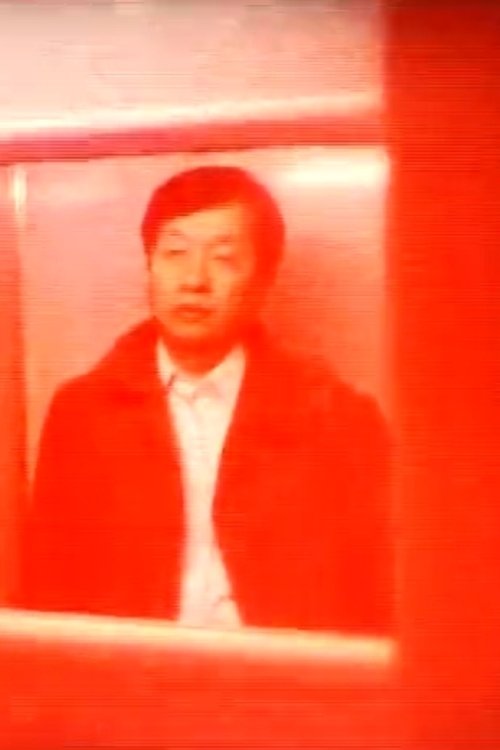
This work was made as a "myth" with the poet Nejime Shoichi as the main character. Nejime Shoichi, who aims to be a reading poet, rides a train to visit senior poet Iwao Abe and asks for the secret of reading. Nejime Shoichi is good at being "naked".
Cut violently
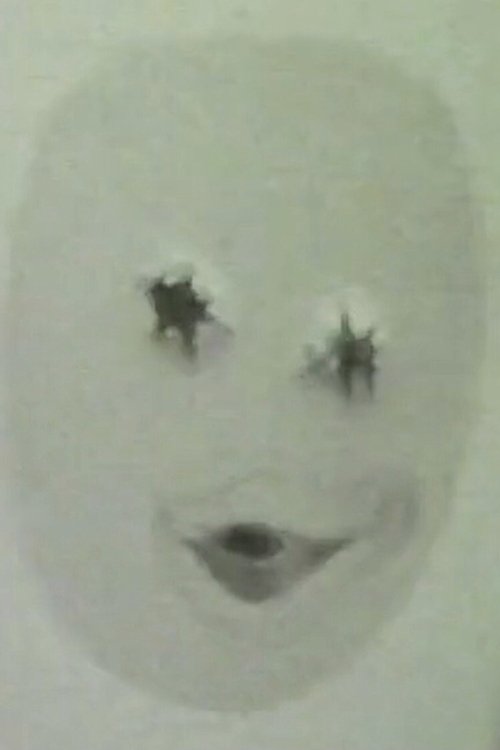
Short 8mm film by Shirouyasu Suzuki.
Yabe Mitsunori A Runner
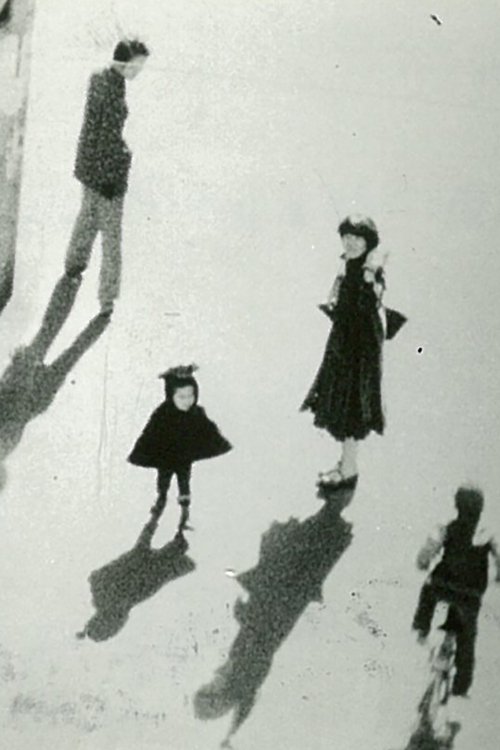
Having received a good response to Impressions of the Sunset, he continued to develop his filmmaking expressed from an everyday perspective, and carried his camera everywhere to shoot whatever was around him. Composing the work in four parts, he reflects on his mental states in a narration that resembles audio commentary. As he films the filmmaker loses motivation to film, and realizing that he is deadlocked in his own life decides to quit his job. The act of filming changes both the filmmaker’s understanding and the practical aspects of his life.
Harvesting the Shadows of Grass
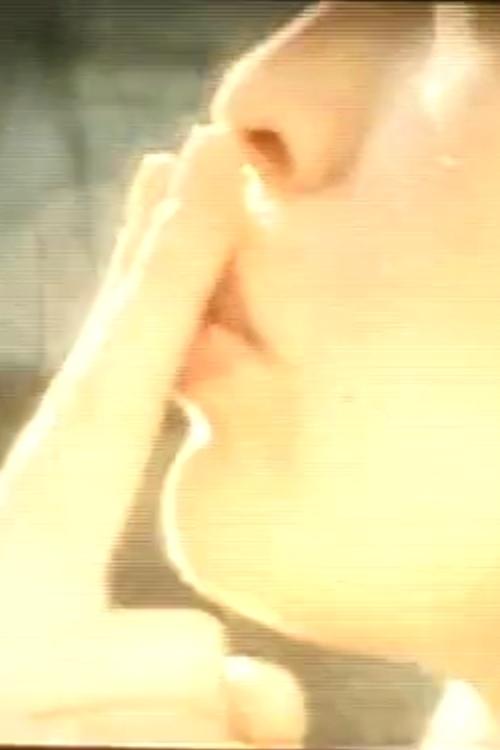
Camera turns on, the film runs and the wind occurs. A work that follows the wind, chases the image, and goes far to the image of Africa. A movie that talks about the fact that the wind carries words. The music was borrowed from an African folk music album.